
Events | September 8, 2026
Threads of Transition: Shahi Co-Hosts Climate Workshop
Editorial Team
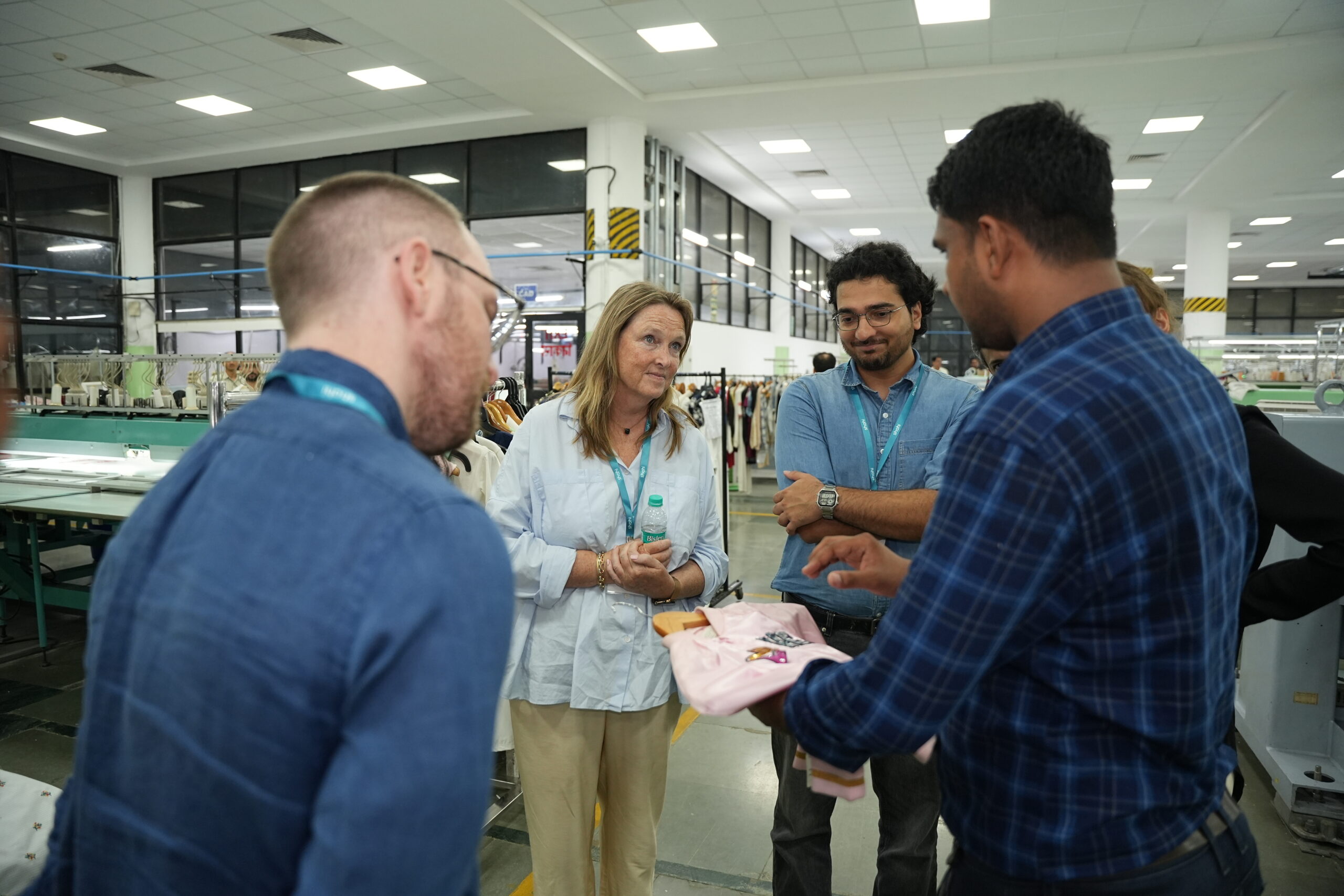
AVPN, Shahi and Good Business Lab (GBL) co-hosted “Threads of Transition: Financing a Low-Carbon, Inclusive Textile Industry” at our Faridabad Facility. This day-long immersive curtain-raiser for the AVPN Global Conference 2026 brought philanthropic funders, impact investors, multi-stakeholder groups and innovators out of standard conference halls and directly into the rhythm of an active production environment.
Across Asian manufacturing hubs, textiles contribute roughly 2% of global greenhouse gas emissions while employing over 90 million people. The majority of whom are women. As delegates gathered, the opening discussions framed four foundational questions for the day: why proven green innovations struggle to scale? How to distinguish real operational risks from simple unfamiliarity? How can catalytic funding de-risk commercial investment? And how to shift from isolated facility pilots to industry-wide transformation?
Shahi’s Decarbonization Journey
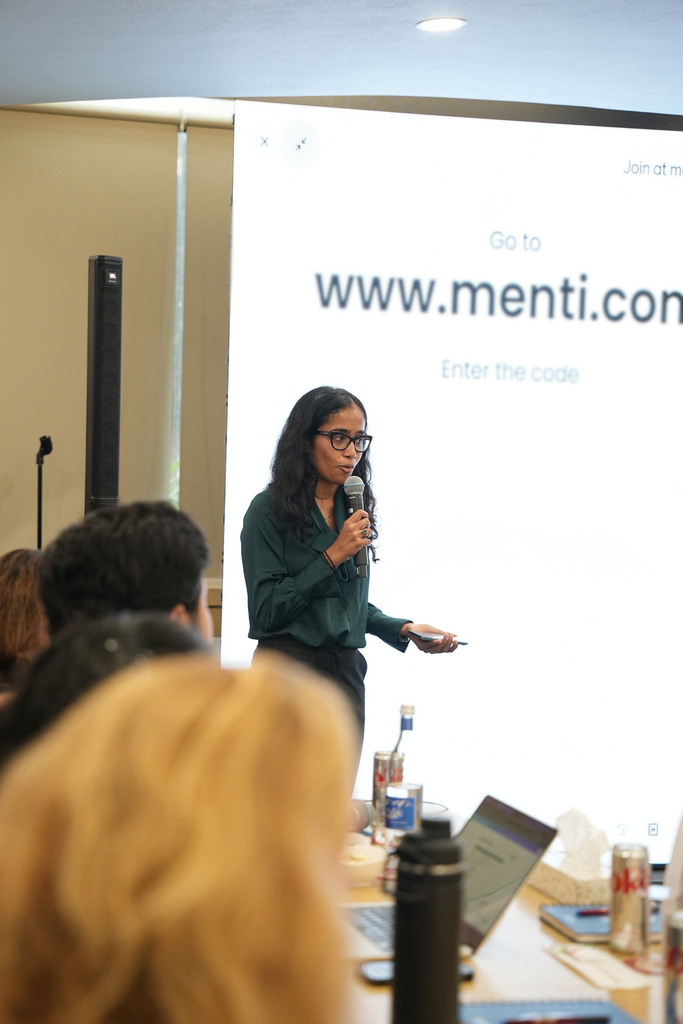
Priydarshini Gouthi from the ESG and Innovation team opened the presentations by introducing the challenge of driving decarbonization across the value chain. Using Shahi Exports as a case study, she touched on the various efforts undertaken to mitigate emissions. These include building over 143 megawatts (MW) of captive renewable energy capacity, transitioning thermal boilers to biomass, implementing energy-efficient measures, and reducing water intensity.
Underpinning the climate transition efforts is a focus on driving innovation through the ‘scout- to-scale’ process. Shahi applies a structured five-stage pathway to identify, evaluate, test, and eventually scale the best solutions.
Decarbonization, Financing, and the Just Transition
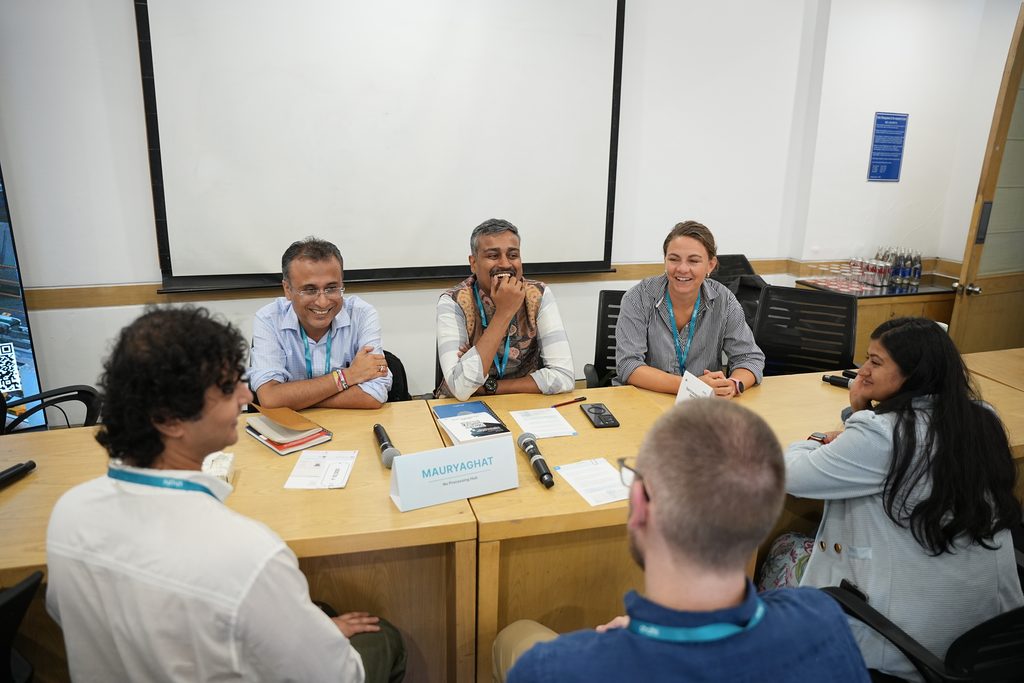
Aravindan Srinivasan from AVPN moderated a discussion with Anant Ahuja (Shahi Exports), Christiane Dolva (H&M Foundation), Karan Kumar (Laudes Foundation), and Eshika Gombar (Good Business Lab).
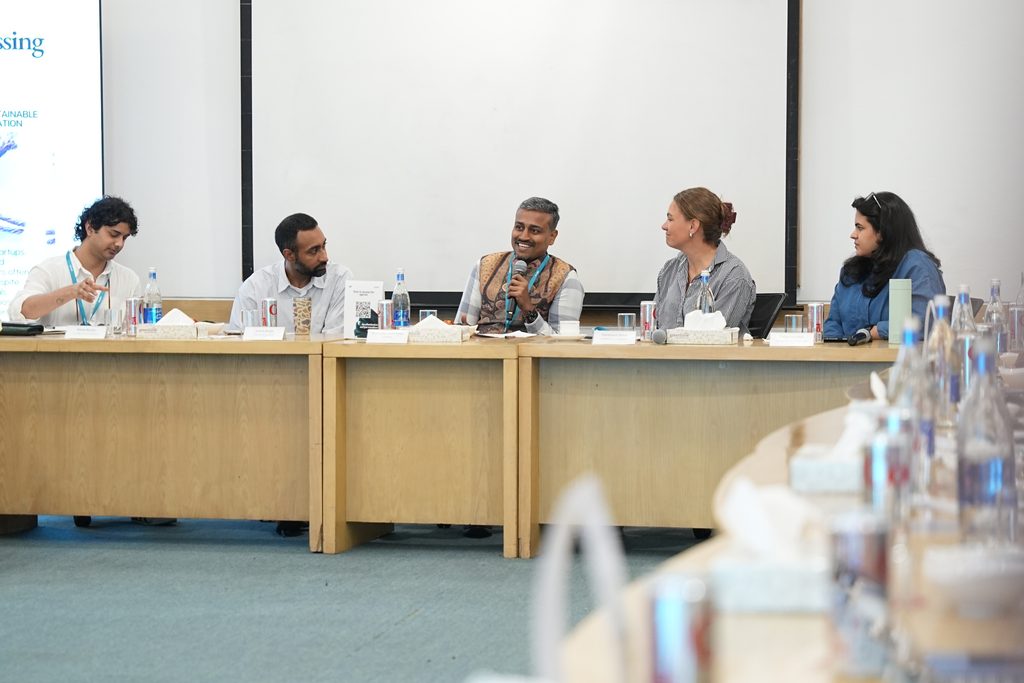
The conversation opened with a shared call to demystify climate action, ensuring conversations stay accessible and grounded in shop-floor realities. Anant emphasized that while regulatory frameworks such as India’s Carbon Credit Trading Scheme and brands’ net-zero targets create urgency, the operational and financial burden of piloting new technologies falls heavily on manufacturers. Christiane Dolva and Karan Kumar highlighted that philanthropic foundations must deploy catalytic risk capital to absorb early piloting uncertainties, prove commercial viability, and overcome the bottleneck between pilot innovations and market-wide adoption.
The panelists stressed the importance of long-term co-creation between brands, innovators, and suppliers. Anant pointed to Shahi’s partnership with innovators, which required more than two years of iterative on-site trials before it could confidently set specific targets. Eshika shared evidence showing that environmental upgrades directly support worker well-being: replacing older lighting with energy-efficient light-emitting diode (LED) fixtures across 26 factories reduced electricity demand and lowered ambient heat on the shop floor. Similarly, operational adaptations such as structured hydration and rest breaks during extreme heat protect health and reduce on-site medical clinic visits without lowering production output.
Her insights came in the backdrop of GBL’s work with MSMEs to adopt energy-efficient technologies that cut both costs and emissions. Hence, supporting decarbonization across the textile sector without compromising worker health. The session concluded with a call for stable state policies to help small and medium enterprises adopt clean technologies.
Factory Floor Immersion
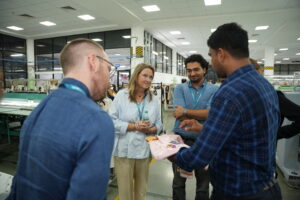
After stepping out of the conference room, delegates walked the shop floor to observe apparel manufacturing firsthand. The guided tour followed a garment’s journey through: pre-production, sampling, fabric cutting and waste segregation, assembly, sewing lines, quality, finishing, packaging, washing, boilers, and the on-site Effluent Treatment Plant (ETP).
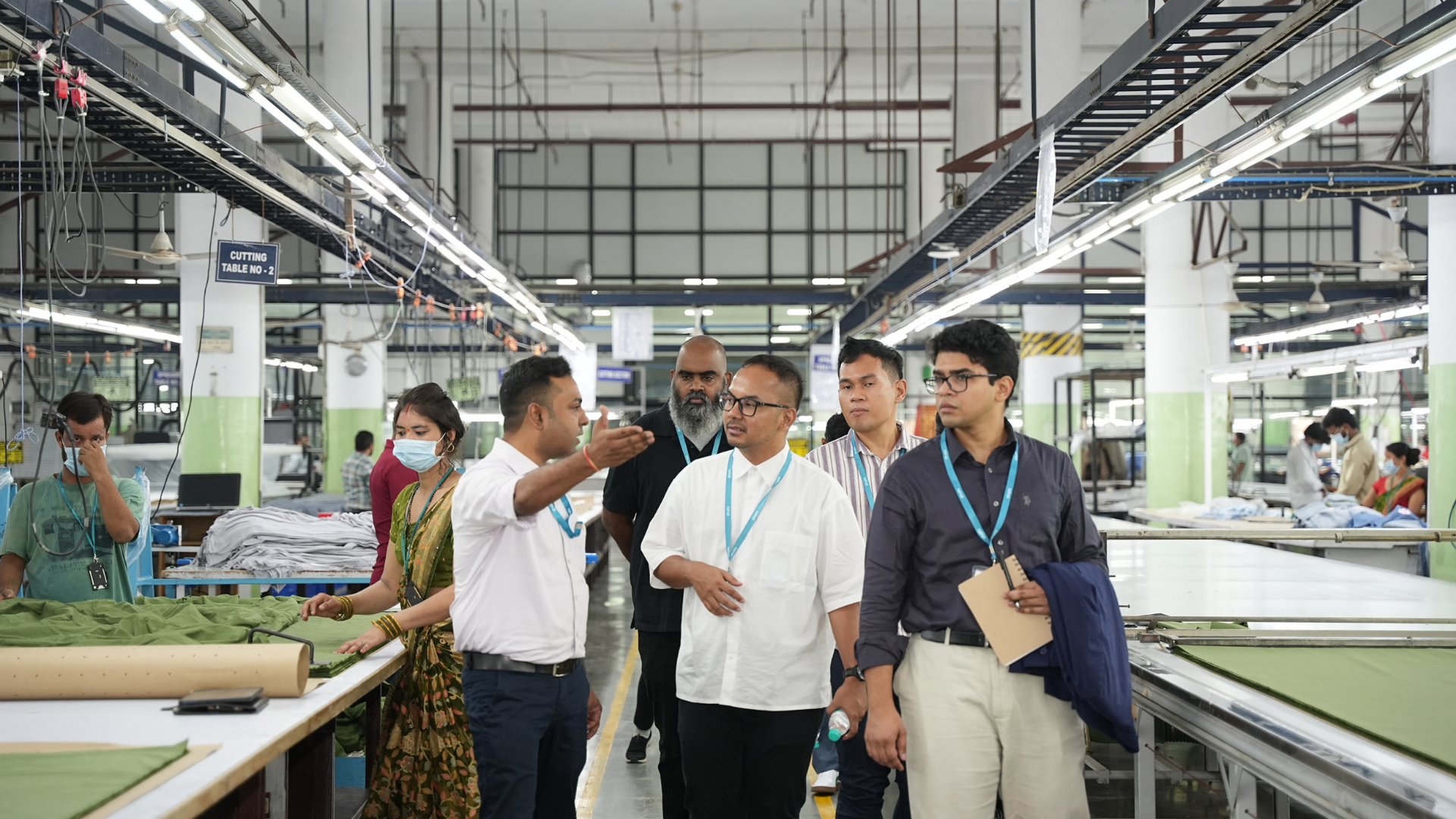
Walking through the production lines gave delegates a tangible view of industrial scale and operational complexity. Attendees observed how material flow, thermal steam distribution, water recycling systems, and line balancing work together in real time. The tour highlighted how physical safety measures, and resource-efficient machinery operate alongside welfare facilities to create a safe, supportive, and dignified workplace.
The Ultimate Game of Waste Management with Thumbi Labs
In the afternoon, Thumbi Labs led an interactive simulation that placed participants in the roles of enterprise decision-makers managing the post-consumer textile lifecycle.
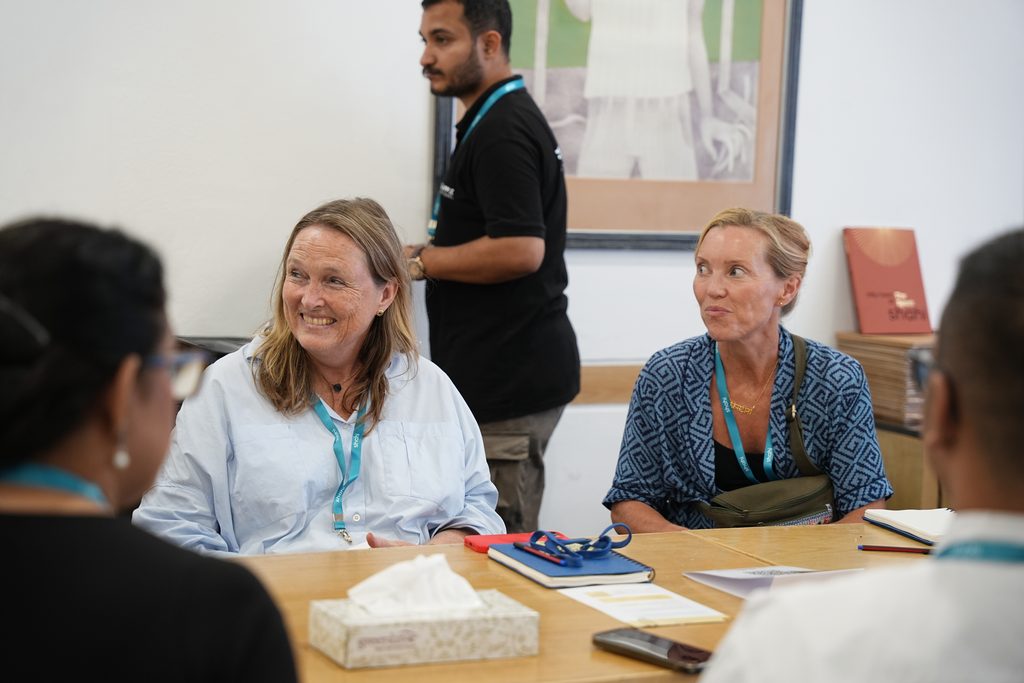
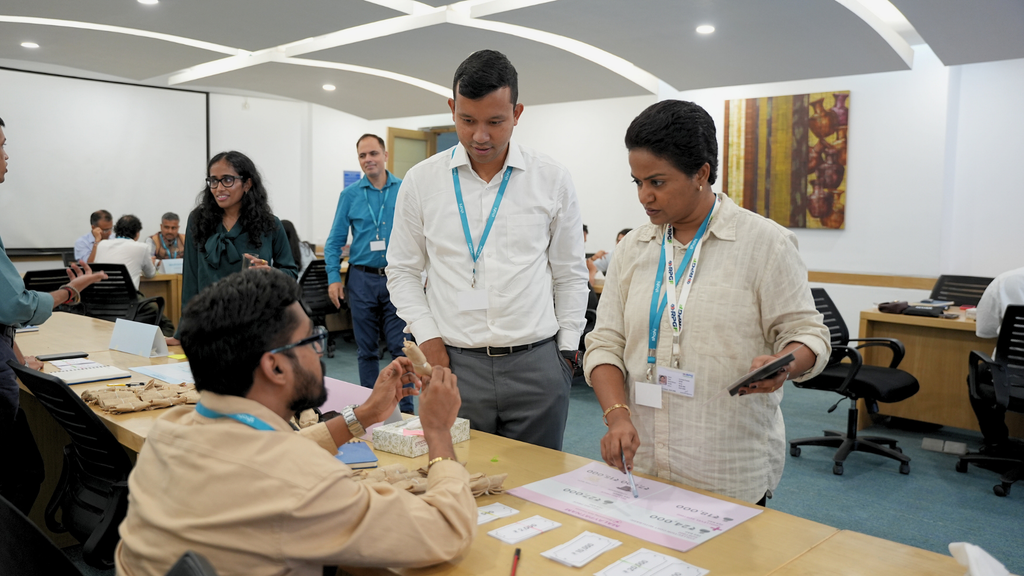
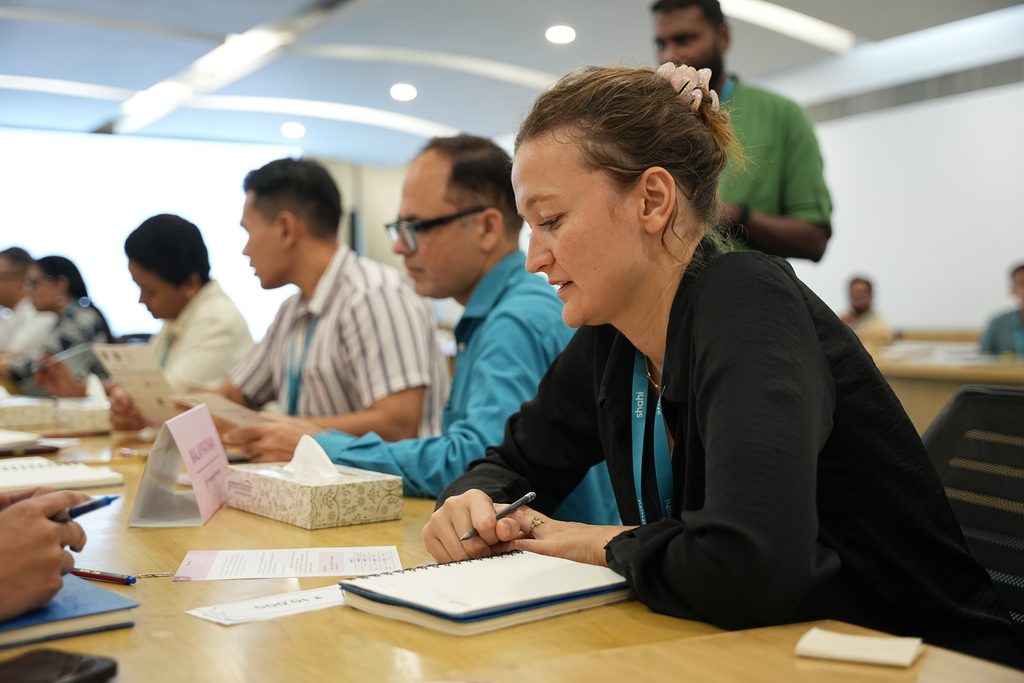
Delegates experienced the direct friction between financial viability and environmental sustainability. The task: balance collection costs, logistics, and debt repayment against the risk of textile waste ending up in landfills. Managing capital constraints such as choosing between formal bank loans at 11% interest and informal credit at 36% interest revealed how access to finance dictates an enterprise’s ability to scale. The simulation made it clear that enterprises working in isolation quickly faced insolvency. Whereas, businesses that formed regional alliances, shared processing infrastructure, and coordinated collection networks successfully built viable, low-waste circular models.
The Road Ahead
The workshop closed with actionable takeaways on what the textile ecosystem must prioritize to move from ambition to implementation:
- Start: Involving manufacturers from the beginning to co-design transition roadmaps, realistic timelines, and procurement criteria.
- Stop: Re-diagnosing known industry challenges; move away from repetitive high-level reports and focus on financing execution.
- Continue: Building candid platforms for multi-stakeholder dialogue; expanding blended finance mechanisms that absorb initial risks; and supporting innovators on the ground.
Grounding climate conversations in the daily realities of manufacturing proves that true sustainability requires shared accountability. Shahi looks forward to working with more partners to build a low-carbon, resilient, and inclusive future for apparel manufacturing.
Watch the event glimpse here: https://player.vimeo.com/video/1225879618?badge=0&autopause=0&player_id=0&app_id=58479
Featured Posts

Featured | October 9, 2026
Lessons on Collaboration: Climate Week NYC 2026
Featured | September 8, 2026
Threads of Transition: Shahi Co-Hosts Climate Workshop
Featured | July 27, 2026
Shahi Exports: Legacy Partner at Bharat Tex 2026
Get in touch!
Social Share




BACK TO TOP