How often do we think about the raw materials used in our garments? Raw material production and their processing contribute to up to approximately 2/3rd of the GHG impact of the fashion industry. Most brands have set ambitious targets to integrate sustainable, low-impact materials into their supply chain and make them accessible to consumers. Therefore, it is essential to replace conventional materials with next-generation material alternatives. A report by the Boston Consulting Group stated that the demand for low-impact raw materials could exceed supply by as much as 133 million tons by 2030.
Alternative materials are available, but most exist in the early R&D stage. It is essential for suppliers to partner with innovators to provide them with supply chain integration and unique insights to scale to an industrial level. Read below to learn more about how Shahi Alternative materials are available, but most exist in the early R&D stage. It is essential for suppliers to partner with innovators to provide them with supply chain integration and unique insights to scale to an industrial level. Read below to learn more about how Shahi and AltMat worked together to scale fabrics made from agricultural residue. and AltMat worked together to scale fabrics made from agricultural residue.
About AltMat
Farm Residue→ Fiber → Yarn
The fashion industry and biodiversity are intrinsically linked as we rely on a naturally limited supply of resources to grow its raw material — natural fibers. The fashion industry is in search of new raw materials. In our quest to find lower-impact next-generation materials, in 2021, Shahi came across AltMat in one of the innovation showcases. AltMat is an Alternative Materials Science company that converts agricultural residues into high-performing natural materials called Altag. Using materials science and sustainable proprietary processes, they can transform biomass of certain food, medicinal, and industrial crops into natural fibers for the fashion industry.
The Impact
Shahi believes in the power of AltMat to bring exponential positive impact on the industry. One, as a solution to the industry’s and brand’s search for alternatives and, in parallel, a pathway for millions of farmers who burn their crop residues and set off dangerous emissions levels for want of better options. Additionally, we can divert several resources, such as water and energy used to grow raw materials, to alternate uses.
The agricultural residue is converted into fiber using a series of proprietary traditional, microbial, chemical, and mechanical methods to retain the natural structure of the fiber. AltMat has carefully built the processing methodology to ensure sustainable production.
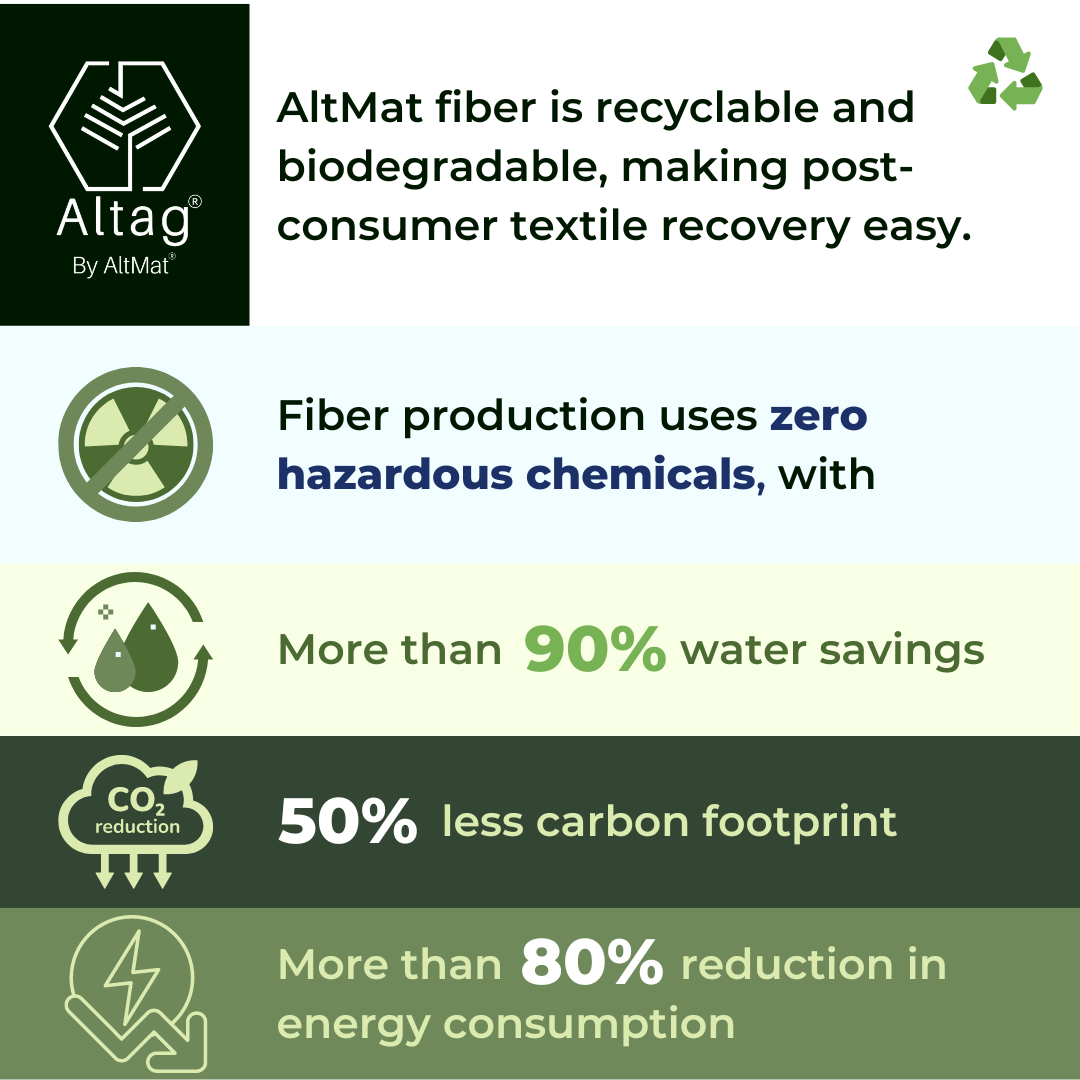
Fiber production uses zero hazardous chemicals, with more than 90% water savings, 50% less carbon footprint, and more than 80% reduction in energy consumption. AltMat fiber is recyclable and biodegradable, making post-consumer textile recovery easy.
The Collaboration
Shahi and AltMat have signed a Value Chain Agreement
As a vertically integrated manufacturer, Shahi is uniquely positioned to integrate Altag into the supply chain for scaling it with our strategic and innovative brand partners. To accelerate the market adoption of Altag, Shahi and AltMat have signed a Value Chain Agreement that underscores the importance of partnerships grounded in the ethos of equitable purchasing practices and sustainable transformation. As a value chain partner, Shahi has priority access to the Altag yarns and co-develops fabrics with our global chain of innovative customers.
“Scaling sustainable alternatives like AltMat isn’t easy, but the journey is where the true impact lies. It is about shared learning, open collaboration, and a shared mission to rewrite the future of fashion. Suppliers like Shahi, working with innovators directly, can share their feedback to help refine the solution for industrial scale. AltMat is an example of how a successful partnership can build an enabling ecosystem to scale.”
Scout The agreement and collaborative scaling of AltMat to the industry scale is the culmination of our numerous pilots for woven and knitted fabric made from agricultural residue. During an innovation showcase, we were introduced to AltMat in September 2021 by CAIF under their Project Accelerating Circular Economy (ACE). Post the showcase, we held several discussions between our technical teams and AltMat to understand the technology, implementation feasibility, and traceability guidelines.
Pilot
In December 2021, we initiated our first woven pilot project with AltMat with two quality compositions. We undertook four pilots over two years to experiment with different structures, compositions, counts, and designs of the fabric. Working with innovators, we are able to provide feedback from the industry perspective and technical know-how that helps innovators such as AltMat to incorporate them, accelerating the process for scale up.
The learnings from each pilot helped us explore the versatility of Altag with a myriad of dyeing techniques and finishes. Fabrics made with Altag have a hand feel similar to natural cellulosic fabrics. The fabric retains the natural structure, which changes over time. That is the beauty of the Altag fabric.
The learnings from the pilot resulted in a synchronized swatch book with over 10 different woven fabrics made with Altag spread across four collections:
The collection was made in active collaboration with a diverse team at Shahi, ranging from the technical mill team, Fabric Innovations, and R&D to the Marketing team.
Scale
After ensuring the industry quality standards, the woven collection is ready to be scaled up to the industry level. Shahi and AltMat, in collaboration with Fashion for Good, recently held a brand engagement session attended by over 15 brands. Being a competitive space, the brand engagement session is a testament to how the industry wants to collaborate with each other to achieve the common goal of making low-impact materials available to the typical consumer at scale. Currently, we have one bulk order in the pipeline from our customers for the AltMat collection. Shahi will be the first manufacturer globally to scale Altag.
Support
But the journey continues. Together with AltMat, we continuously work on research and development to produce knitted fabric using agricultural residue. Shahi is the first supplier to pilot Altag for knitted fabric in India, and we have completed two pilot projects to date. The fabric hand-feel and processing have improved with each pilot and new insights. The Value Chain Agreement signifies our commitment to support AltMat in scaling and integrating them to the larger supply chain.
“Both AltMat and Shahi are prepared with the infrastructure and learning curves required to scale a new natural fiber like Altag. We are excited to announce that the Shahi and AltMat value chain partnership milestone brings this possibility of scale to life.”
— Shikha, Founder, AltMat
Collaboration for the future
With each pilot, each experiment, and each swatch of Altag fabric, we’re paving the way for a cleaner, greener industry, one stitch at a time. With our fabrics made with AltMat, we are actively looking for brand partners to integrate the next-generation material into their supply chains. With each woven and knitted fabric, we’re rewriting the narrative – one where farmers are empowered, resources are conserved, and style goes hand-in-hand with sustainability. Join us in stitching a future where fashion thrives alongside our planet.
At Shahi, we believe in sharing our experiences and learning with all the stakeholders in the fashion industry and beyond. This is an ongoing post to share insights from our speaking engagements in 2023. Read insights from previous years’ engagements: 2022, 2021.
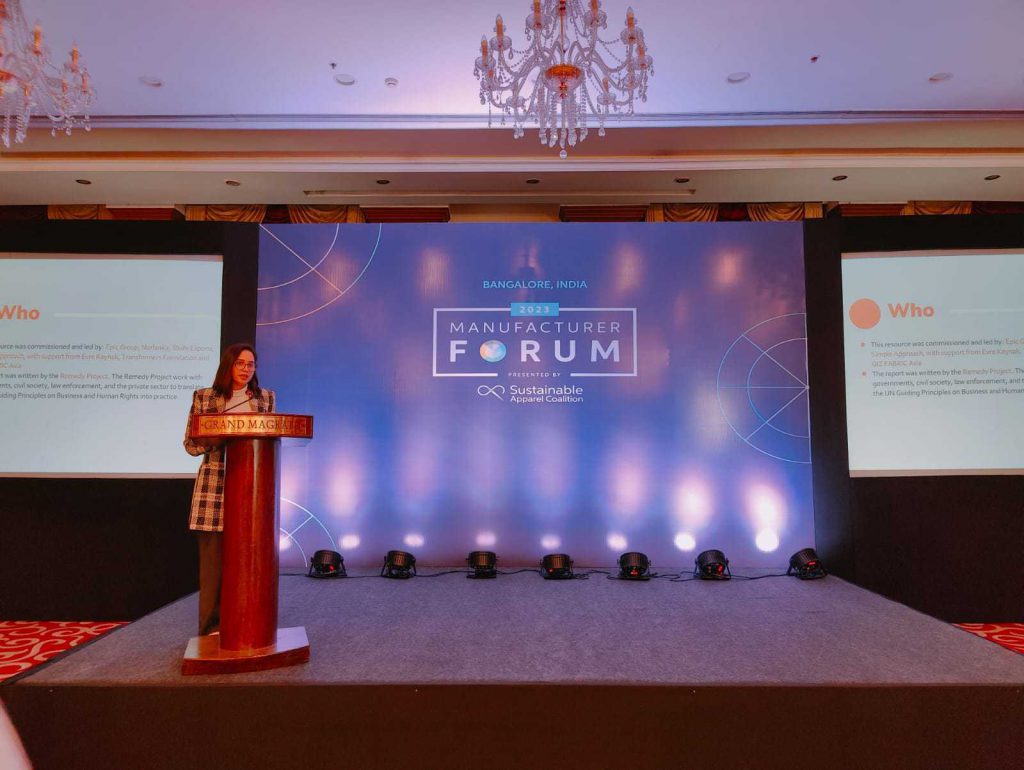
04 December | Sustainable Apparel Coalition’s Manufacturer’s Forum: Bangalore
Gauri Sharma, Assistant General Manager, Communications & Sustainability Innovation, represented Shahi at the SAC’s Coalition Manufacturer’s Forum in Bangalore to present the key takeaways from ‘An Apparel Supplier’s Guide: Key Sustainability Legislations in the EU, US, and UK’ a groundbreaking resource on sustainability-related legislation in the apparel industry.
Gauri shares how Shahi partnered with a group of suppliers, including Epic Group, Norlanka, Simple Approach, along with Transformers Foundation and Deutsche Gesellschaft für Internationale Zusammenarbeit (GIZ) GmbH, to develop this comprehensive resource to build an understanding of policies initiated in the global north and how they often have a ripple effect down the supply chain in regions outside the jurisdiction of the policy.
From increased reporting requirements to supply chain traceability, the report researched and written by The Remedy Project examines key focus areas, potential legal implications, and operational considerations for apparel suppliers & beyond.
01-02 December | Reimagining Textile Waste in India Conference by Fashion For Good
Gauri Sharma spoke at the ‘Reimagining Textile Waste in India Conference’ held in Delhi on December 1st and 2nd. The event gathered multiple supply chain members to discuss the enablers for a future of circularity, including innovators like Renewcell, with whom Shahi is working actively as the Indian supply chain partner.
The event paved the way for more conversations and projects around textile waste and circularity in India and how we can work together collaboratively in the coming months.
29 November | SAP Concur- Indian Economy Looking Ahead- Crystal Ball Gazing
Pravin Dalal, DGM Environmental Sustainability at Shahi, spoke at SAP Concur- Indian Economy Looking Ahead- Crystal Ball Gazing. He was joined by Vijay Kumar Nagaraju, Deputy General Manager – Environment, Sustainability & ESG, Brigade Enterprises Ltd. The panel, moderated by Hoshie Ghaswalla, CEO of Business World Engage, discussed ‘ROl on Sustainability,’ where Pravin shared insights on the importance of integrating sustainability initiatives into organizational practices. He shares, “Embedding sustainability in organizational practices through a dual approach—top-down and bottom-up—is crucial. Beyond measurable ROI, focus on indirect benefits like a positive reputation, enhanced brand value, and talent retention for enduring organizational value.”
27 October | ‘Future of Work and Skills For Emerging Markets’ by Good Business Lab
JD. Giri, Director at Shahi, spoke at the ‘Future of Work and Skills For Emerging Markets’ conference hosted by Good Business Lab (GBL), Abdul Latif Jameel Poverty Action Lab (J-PAL), and 21st Century India Center at the Massachusetts Institute of Technology.
The panel discussed ‘Soft Skills, Hard Skills, Digital Skills?: Upskilling India’s Workforce’, where he shared insights on upskilling India’s workforce by integrating soft skills with technical prowess to empower workers and improve work culture. He was joined by Raffaella Sadun, Professor of Business Administration at Harvard Business School, Co-Lead at Digital Reskilling Lab, and Daniel Uribe Villa, Principal of VélezReyes+.
13 October | Chintan Shivir Event hosted by the Ministry of Textiles, Government of India
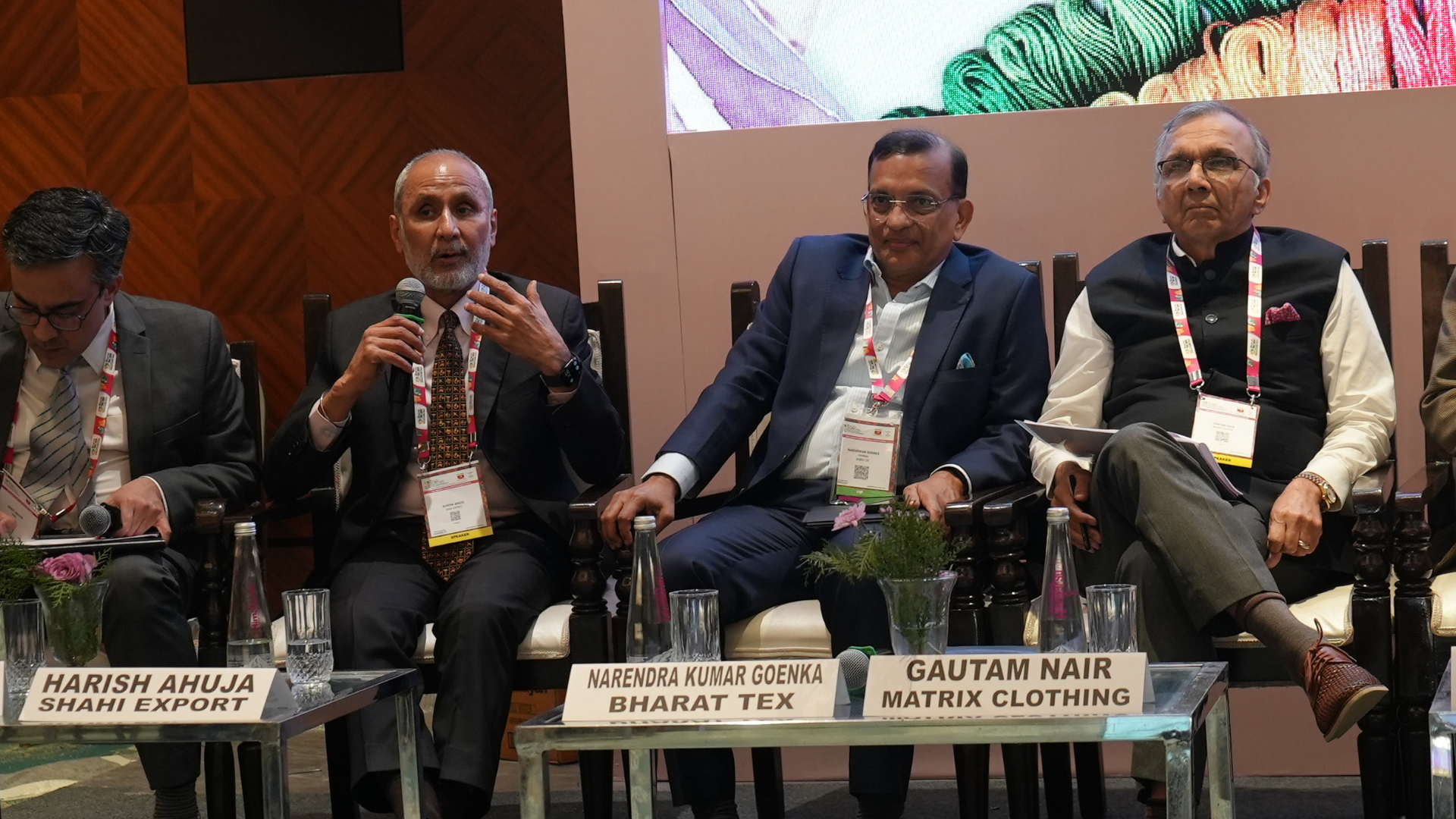
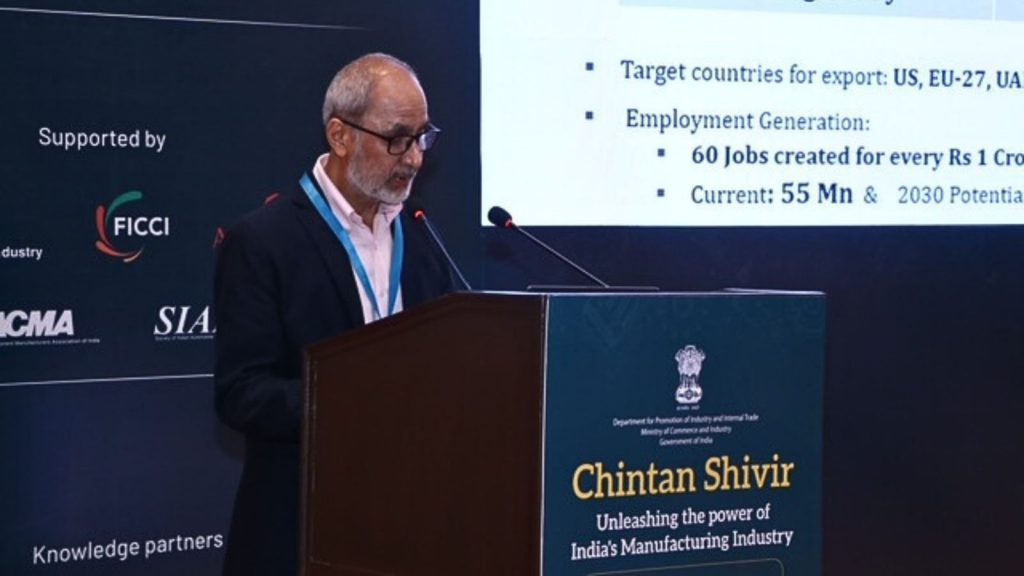
Harish Ahuja, Managing Director and Chairperson at Shahi, represented the Textile and Apparel Industry at the Chintan Shivir event hosted by the Ministry of Textiles, Government of India.
He painted a comprehensive picture of the textile industry, highlighting the current sector profile and setting ambitious goals, along with a plan of action for the shift in the current ecosystem and policies, technological advancements, and employment.
07 October | Panel Discussion by the Ministry of Textiles, Government of India
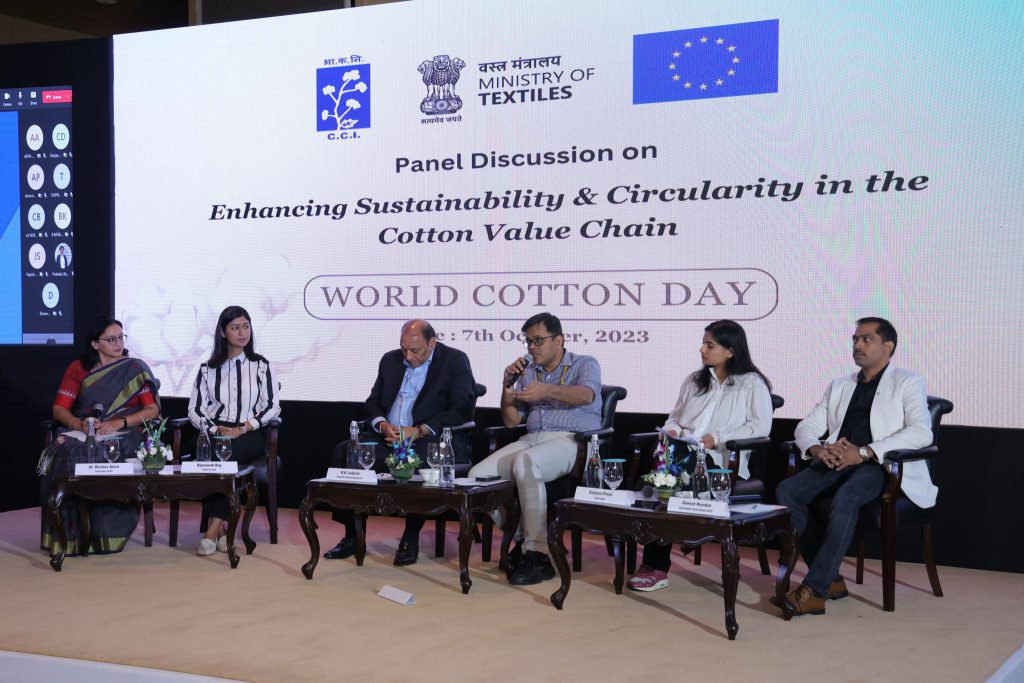
Sanjana Pimoli, Assistant Manager, Communications and Sustainability Innovation, represented Shahi in a World Cotton Day panel discussion on ‘Circularity in the Cotton Value Chain.’ The Ministry of Textiles organized this panel in collaboration with the Cotton Corporation of India Ltd (CCI) and the EU Resource Efficiency Initiative (India).
Sanjana shared Shahi’s comprehensive approach to integrating elements of circularity in our business, particularly concerning cotton sourcing and waste management at different supply chain stages. She also highlighted challenges in scaling innovations and the need for collaboration to ensure that all stakeholders are involved in creating solutions for a just transition for the industry.
26 September | NOMI Network2023 Summit
Anant Ahuja, Head of Organizational Development, spoke at the Nomi Network 2023 Summit in a panel titled ‘Closing Wealth Gaps: Innovations in Global Supply Chain.’
He discussed Shahi’s journey and how the mission of NOMI Network, centered on empowering women from marginalized backgrounds, aligns with Shahi’s dedication to promoting gender equality and social inclusion. Anant also highlighted the various training programs, employment opportunities, mentorship initiatives, and support Shahi offers to candidates from the NOMI Network, enabling them to navigate workplace challenges and fostering their personal and professional development.
23 August | 16th Edition of the Environment and Energy Conclave by BCCI
Kritika Chauhan, Assistant Manager, Communication and Sustainability Innovations, participated in a panel on ‘Sustainable approach and circular economy.’
At the 16th Edition of the Environment and Energy Conclave by The Bengal Chamber of Commerce and Industry. She shared, “Circular business models impact environmental sustainability, and collaboration within the supply chain can ensure scalability.”
20-21 July | Apparel Sourcing Week 2023
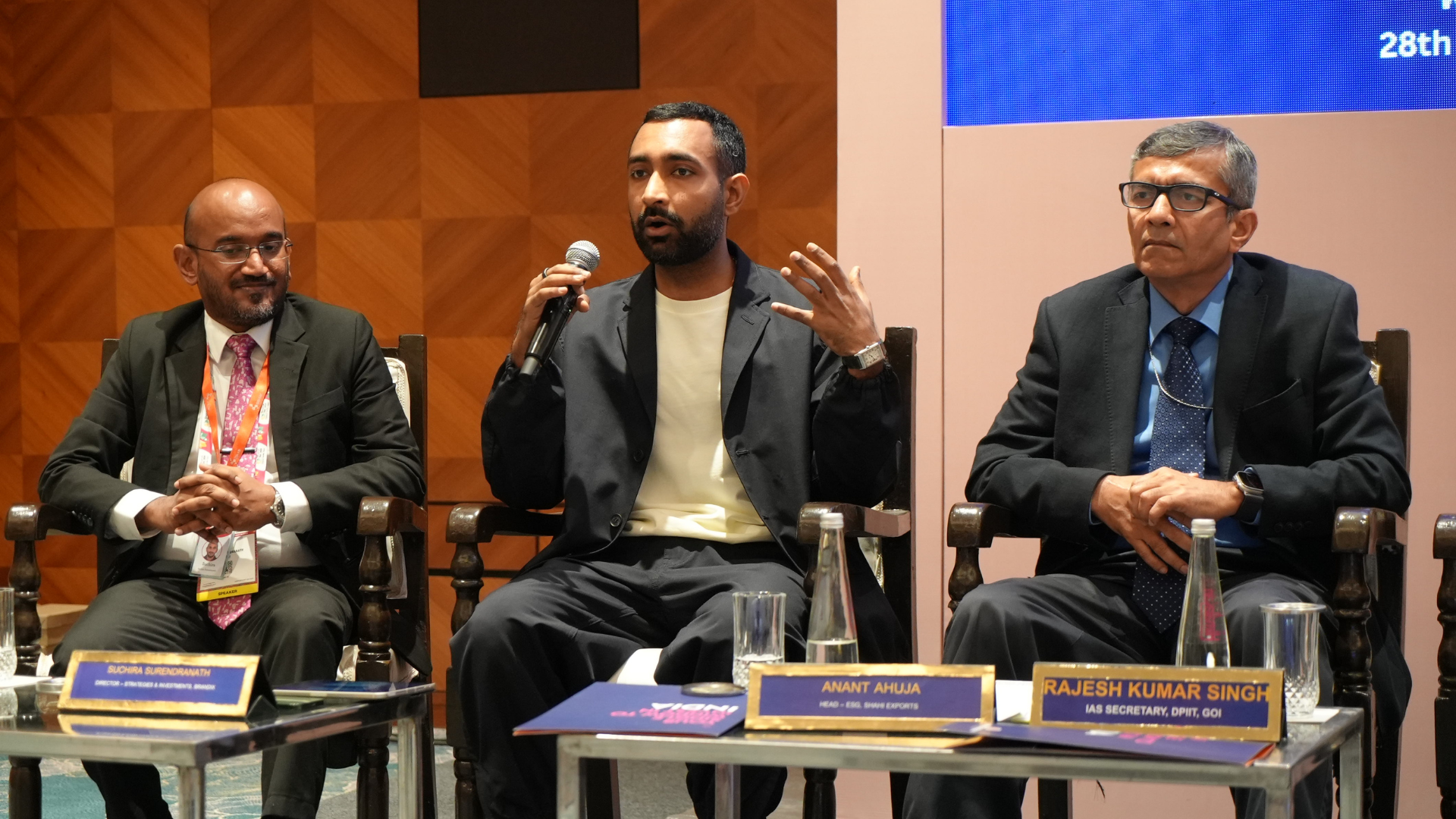
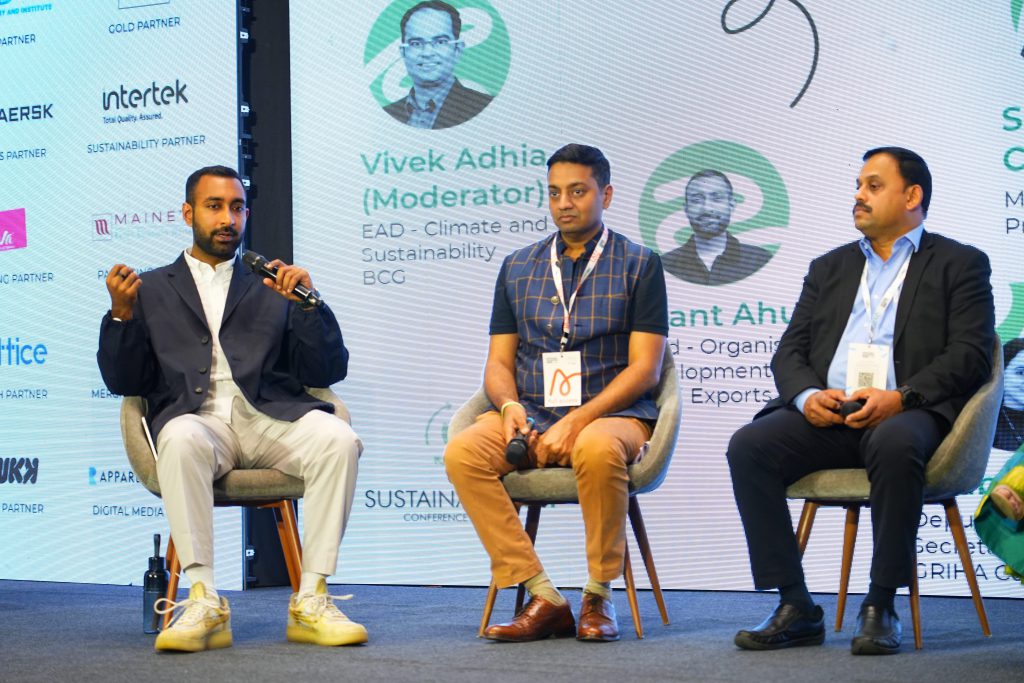
Anant Ahuja, participated in a panel on ‘Green Manufacturing: Significance and Strategies for Implementation’ at this year’s Apparel Sourcing Week hosted by Apparel Resources.
During the panel, he shared insights from Shahi’s journey in adopting sustainable practices. He addressed the challenges of implementing these practices, especially the additional costs often associated with them.
Anant also highlighted that sustainability is an exercise in both environmental and social well-being. And how a commitment to evidence-based worker well-being measures results in impactful programs that empower workers and promote a positive impact on the communities in which Shahi operates.
18 July | Women Deliver Conference 2023
Shahi co-hosted a virtual concurrent session on “Breaking the Glass Ceiling: Growth for Women in Low-Income Work” together with Good Business Lab and the United Nations Foundation at this year’s Women Deliver Conference. In a first, Shahi was represented by a factory worker and presented cross-cutting views from across the value chain, including insights from lived experience, research, on-ground implementation, and policy perspectives.
Kalyani Pandey, Needle Keeper, shared “Women face biases right from home and at work, where they expect us to drop the ball in quality and responsibility. The programs I have been a part of have helped break down different aspects of my life that potentially impact my work. It showed how awareness, communication, time management, and financial planning can help bring about big changes at work and at home.”
Additionally, Chitra Ramdas, General Manager, Organizational Development elaborated “The effort does not stop at training. It is important to close the loop on equality programs with real transitions on the shop floor in both decision-making and remuneration for women who take on more responsibilities on the shop floor. To build a culture of gender equality, organizations need to work on policies and practices coupled with supportive team members and develop leaders as champions.”
10-11 July | YESS Launched in Pakistan and India
Anant Ahuja, Head of Organizational Development, and Amanullah S.P, Assistant General Manager, Spinning, were speakers at the webinar organized by Yarn Ethically and Sustainably Sourced (YESS), supported by Responsible Sourcing Network (RSN). YESS launched its due diligence standard in India and Pakistan this year with successfully conducted mill assessments.
Shahi became the first mill in India to undergo this assessment, and the speakers shared Shahi’s positive experience and valuable learnings.
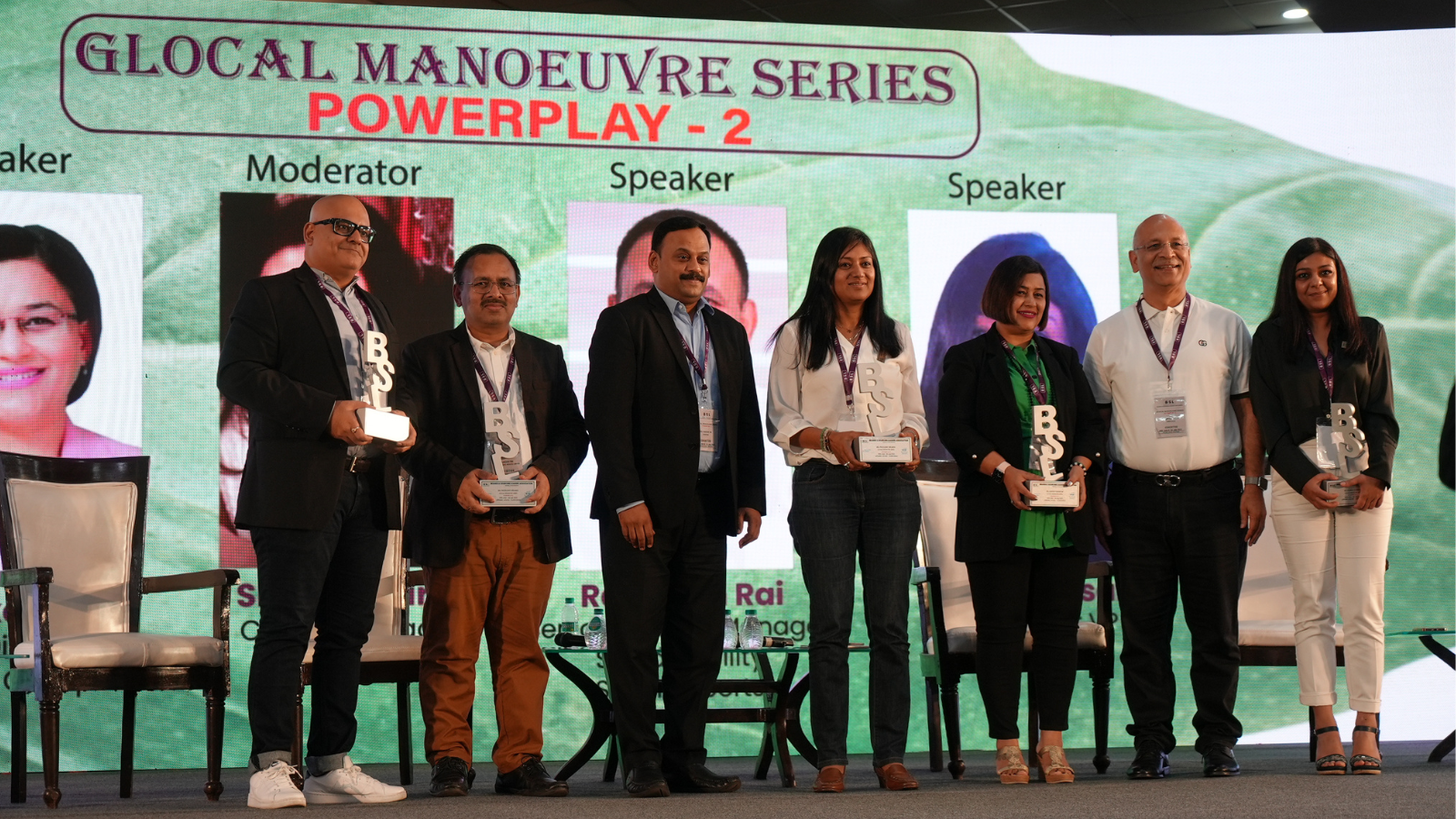
30 June-1 July | BSL’s Glocal Maneuver Series Powerplay-2
Rajneesh Rai, Senior General Manager of Laboratory & Environmental Sustainability, participated in a panel discussion titled “Good Earth: One Earth-ESG Goals and Beyond” at the Glocal Maneuver Series Powerplay-2 event organized by the Brands Sourcing Leaders Association (BSL).
This panel brought together industry leaders to delve into the future of sustainability and its impact on businesses globally. In the discussion, Rajneesh provided his insights on the roadmap to prepare for the future of sustainability. He emphasized the importance of taking proactive measures in the present, with a strong sense of responsibility. He walked the audience through how Shahi aims to reduce environmental impact through materials and processes by working with innovators to explore alternative materials with lower environmental impacts, reduce process-related footprints, and optimize resource consumption.
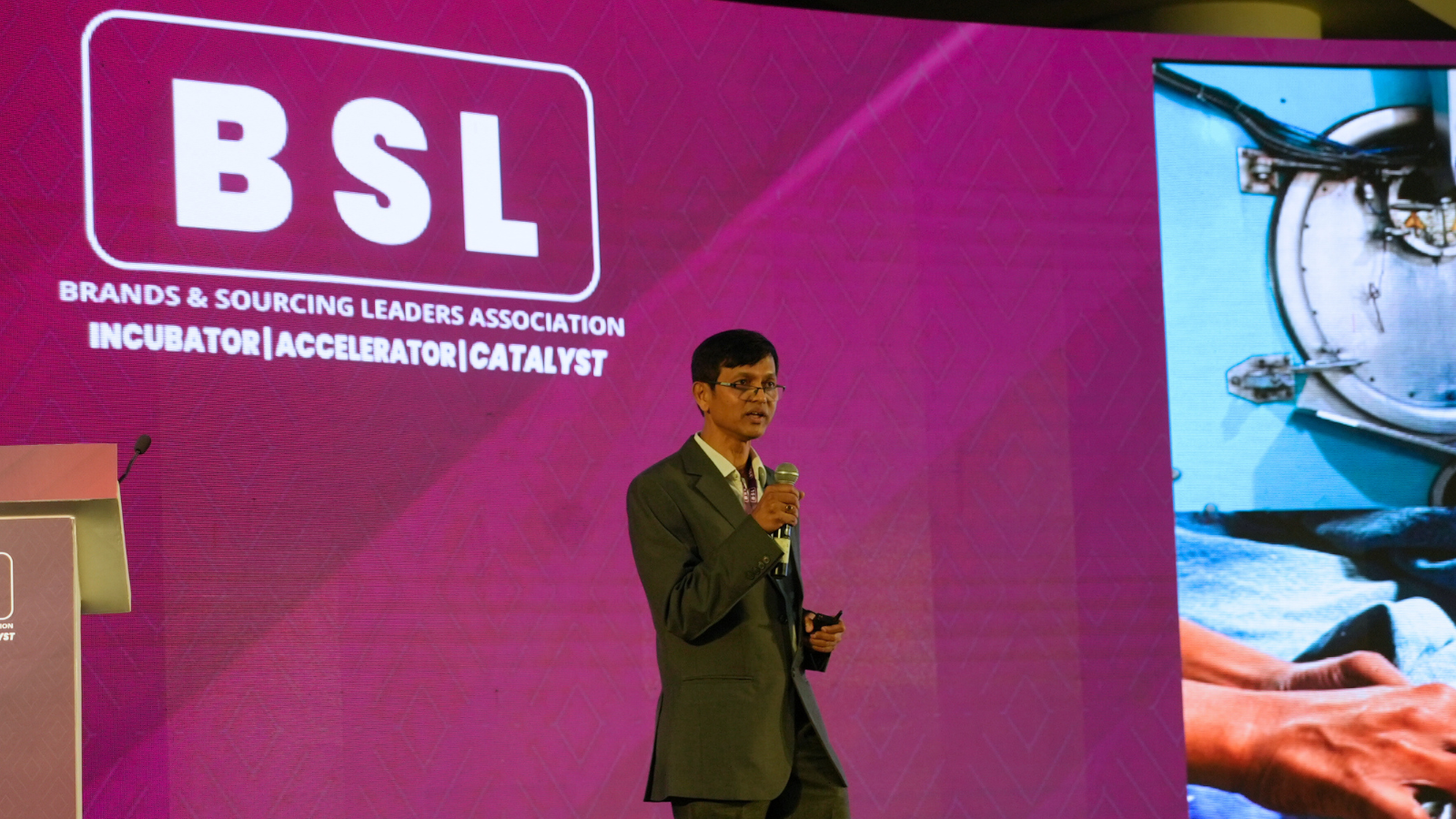
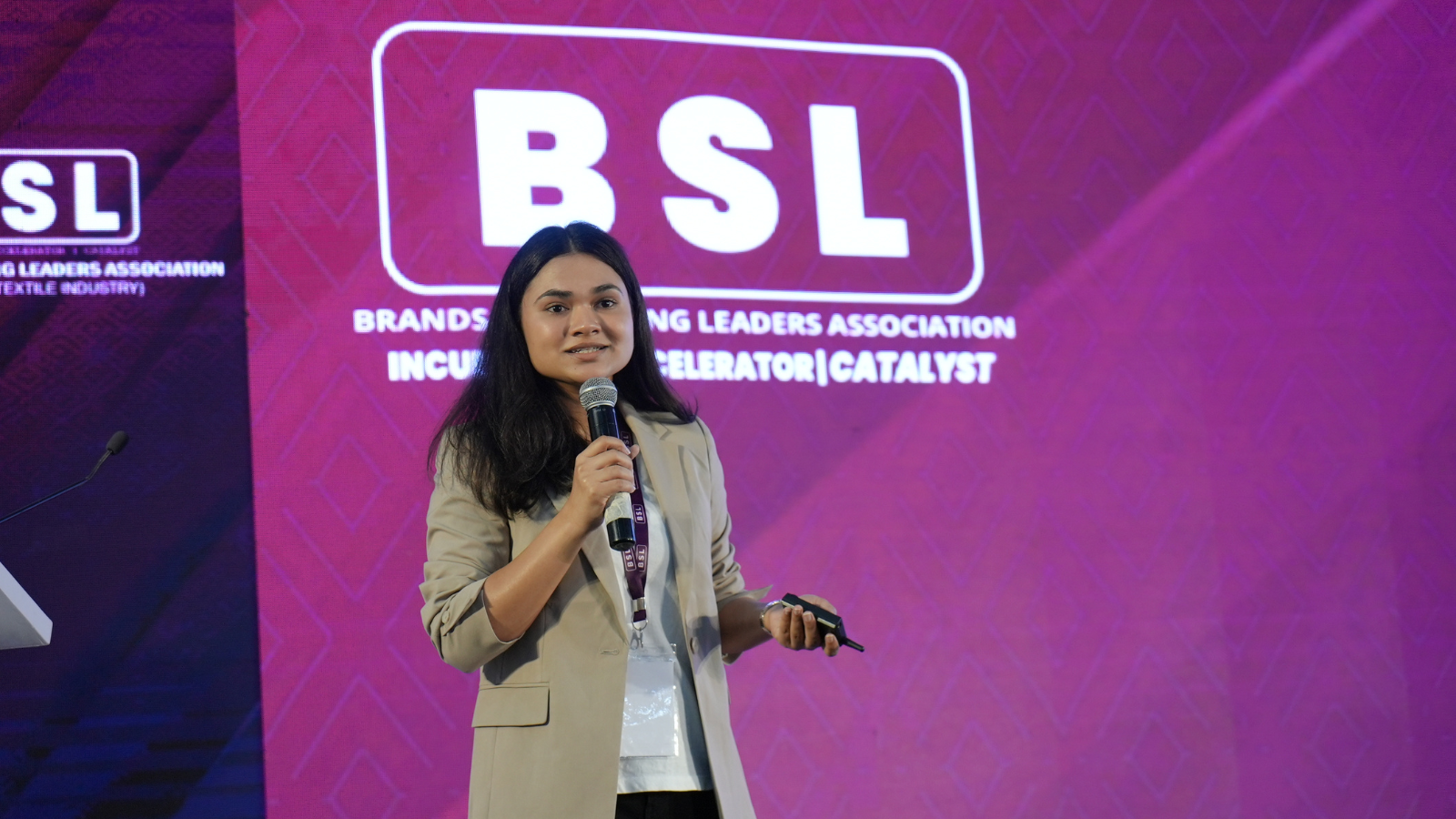
Furthermore, Shahi’s sustainability journey, deeply rooted in our “Responsible for” framework, integrating social and environmental well-being, was showcased in a spotlight session by Pravin Dalal, Deputy General Manager of Environmental Sustainability, and Snigdha Voruganti, Senior Executive of Communication and Sustainability Innovations. Their insightful presentation highlighted our ongoing efforts to drive positive change and make a lasting impact.
28 June | Roundtable at Global Fashion Summit
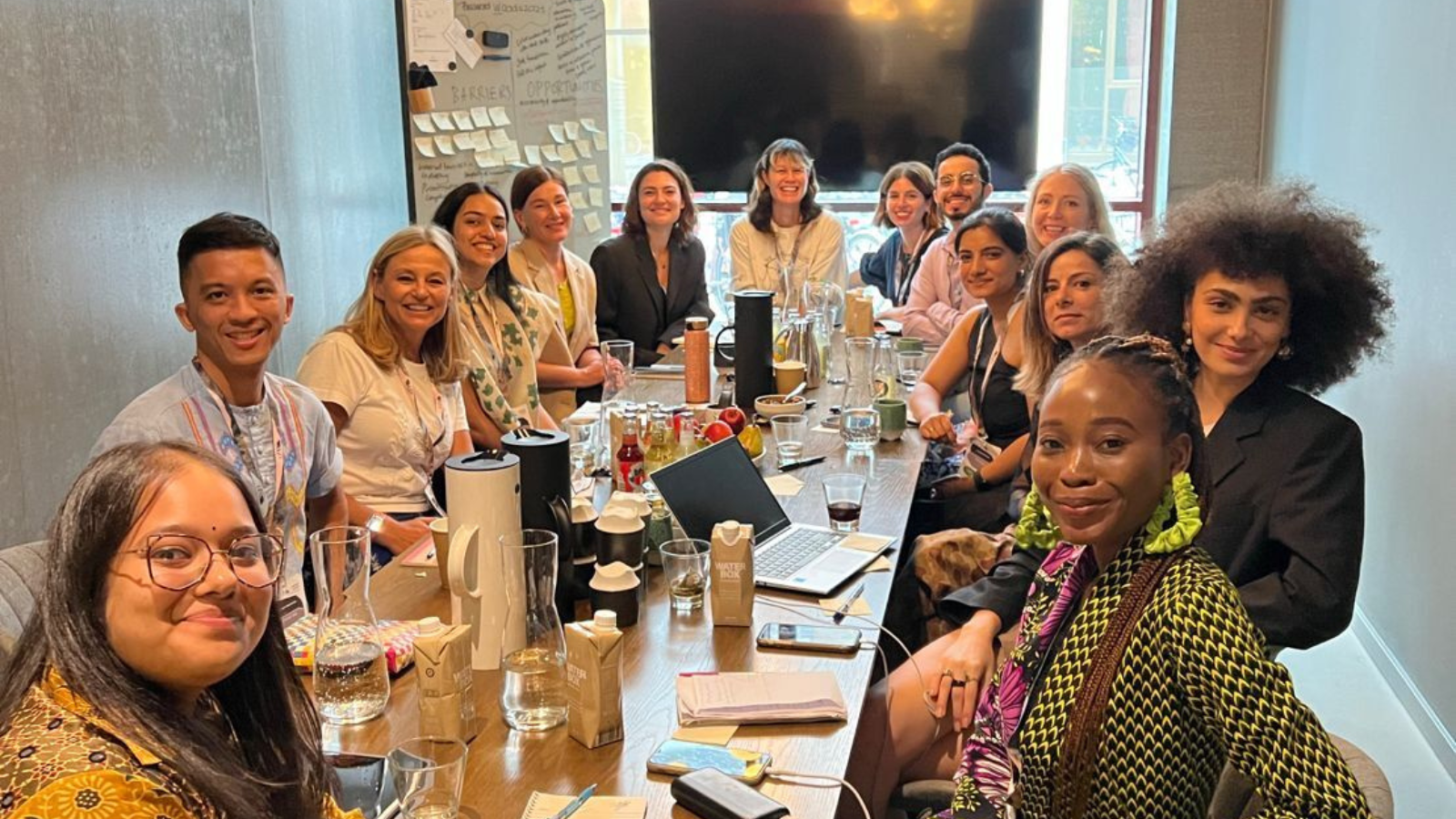
Sanjana Pimoli, Assistant Manager, Communications & Sustainability Innovations, participated in a roundtable hosted by Global Fashion Agenda with London College of Fashion’s Centre for Sustainable Fashion as a segment within the Next Gen Assembly programme for young sustainability talents. The roundtable discussed how storytelling could be used to drive ambition to action in fashion system transformation.
Sanjana spoke about the agrarian crisis triggered in India due to climate change and the importance of innovations such as Cellulosic Superabsorbent Polymer in securing farmers and making the textile industry circular. She also emphasized the systems change required in scaling these innovations.
13 June | Planet Textiles by Sustainable Apparel Coalition
Gauri Sharma, Assistant General Manager, Communications & Sustainability Innovation, was among the esteemed speakers at Planet Textiles on June 13, 2023. She shared insights on ‘Scaling Processing Technologies in the Fashion Industry to Achieve Our Climate Goals: Barriers and Solutions.’
There is an unprecedented level of urgency for the industry to decarbonize, which requires a shift from incremental to disruptive innovation, especially during the energy-guzzling textile processing stage. By setting this context, Gauri emphasized that manufacturers must be part of the problem-solving from the beginning. They require industry stakeholders to share the risk, jointly invest, and build long-term partnerships to scale upcoming technologies that enable the shift from wet to dry processing.
08 June | Open Perspectives by H&M Foundation
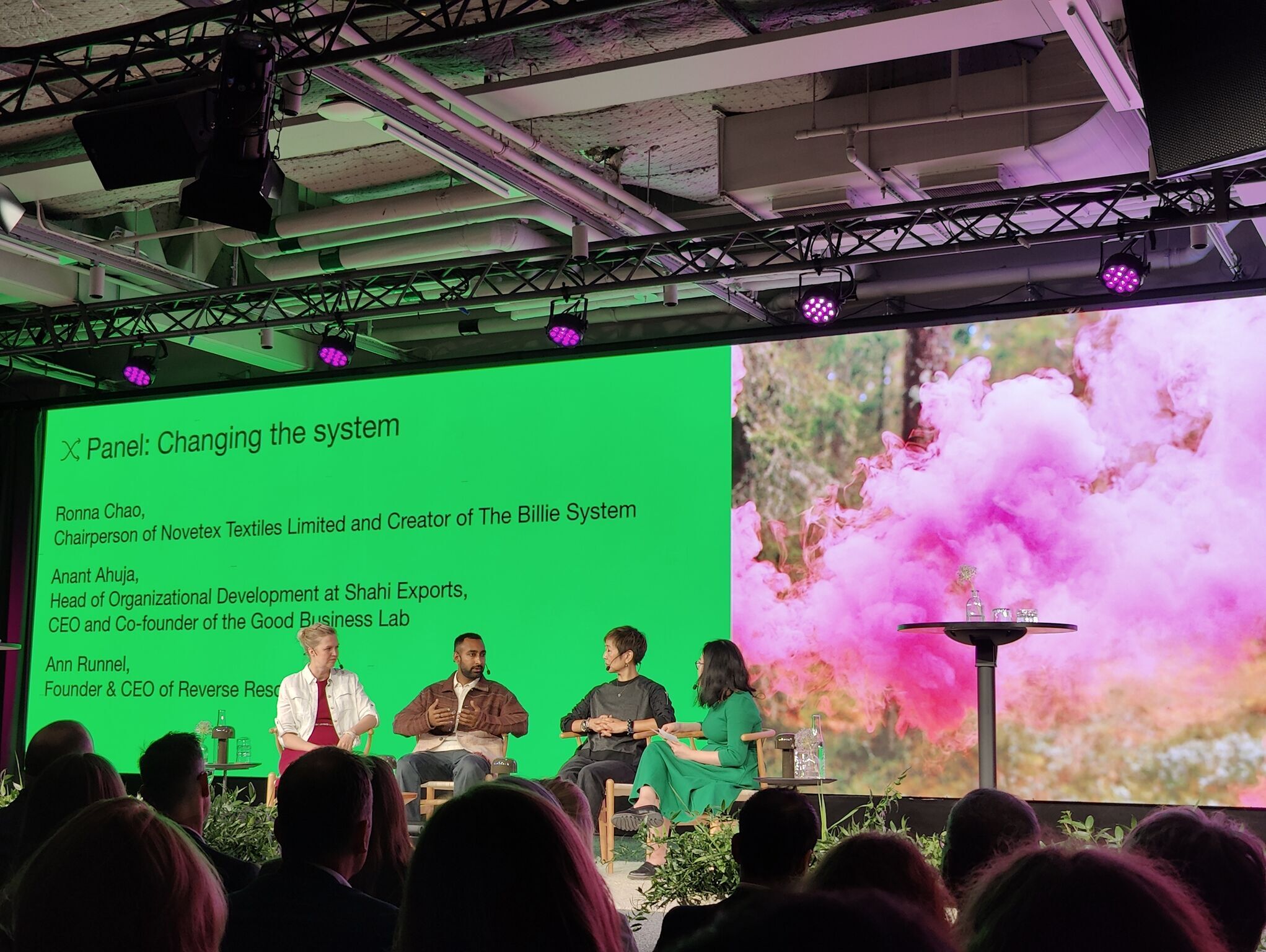
Anant Ahuja, Head of Organizational Development, spoke on a panel, ‘Changing the System’, as part of H&M Foundation’s annual Global Change Awards. Anant highlighted the significance of social innovation in the apparel industry, given that it employs millions of people, particularly women, in the supply chains. Social innovation can be more complex than environmental because it requires an understanding of local contexts, and its impact can be hard to measure. Anant shared Shahi’s evidence-based interventions, which have had a measurable positive impact on both business and workers, and called upon the industry to invest equally in social programs and innovators.
06 June | United Nations Responsible Business and Human Rights Forum, Asia-Pacific
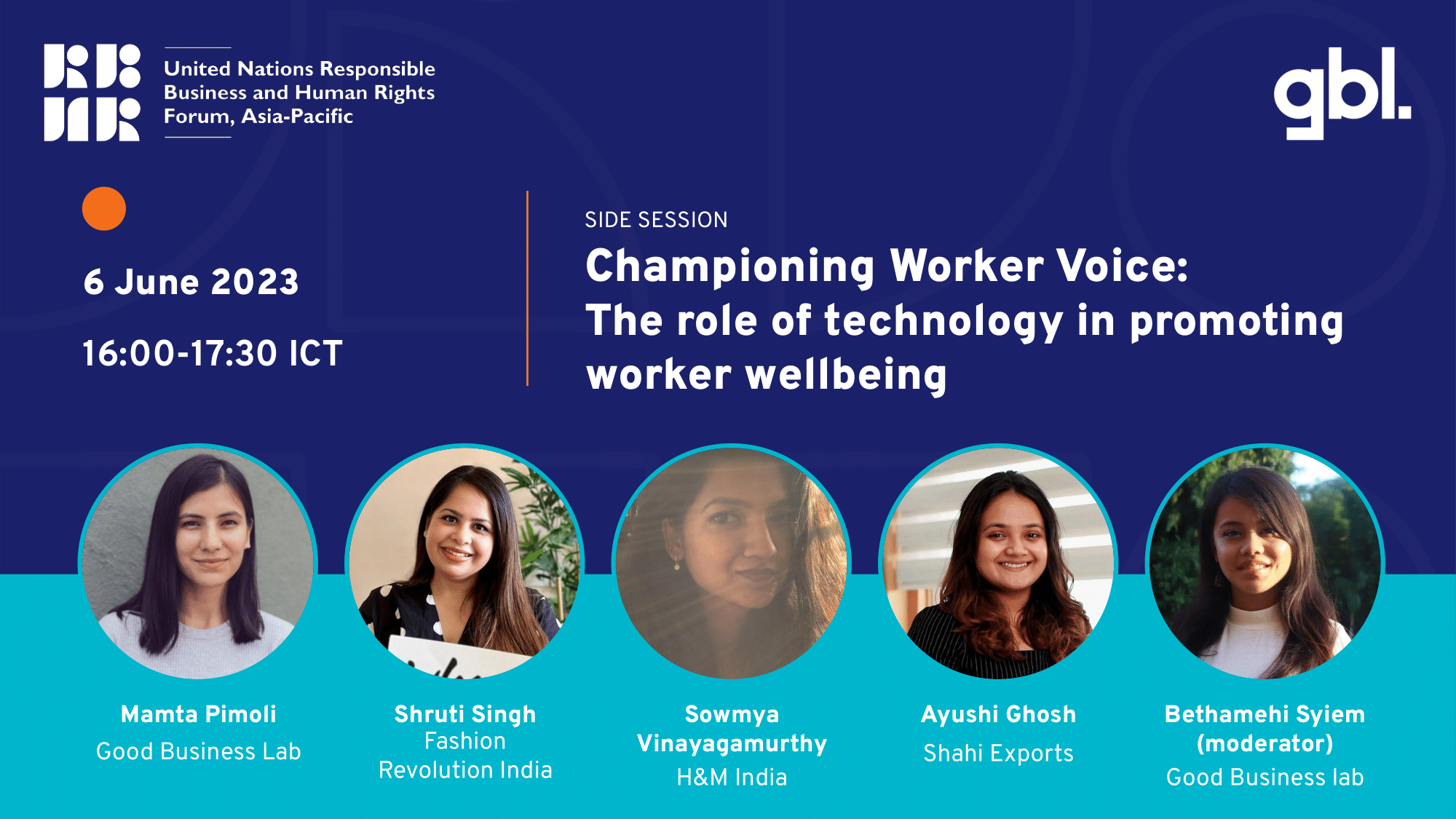
Ayushi Ghosh, Senior Executive, Communication and Sustainability Innovations, represented Shahi in a side session on ‘Championing Worker Voice: The Role of Technology in promoting worker well-being’ at the UNDPv B+HR forum this year.
In this panel, Ayushi spoke about the enduring principles of worker’s voice, emphasizing the importance of listening, understanding, and remediation, even as communication mediums have evolved over time. She stressed the goal of including worker voice in driving meaningful action and supporting a healthy work environment while fostering a thriving business. She highlighted the need to build the employer’s ability to listen and ensure that workers are equipped to utilize the available communication channels effectively. Understanding the journey that their voice takes through these channels is key.
20-22 April | Odisha Skill Conclave 2023
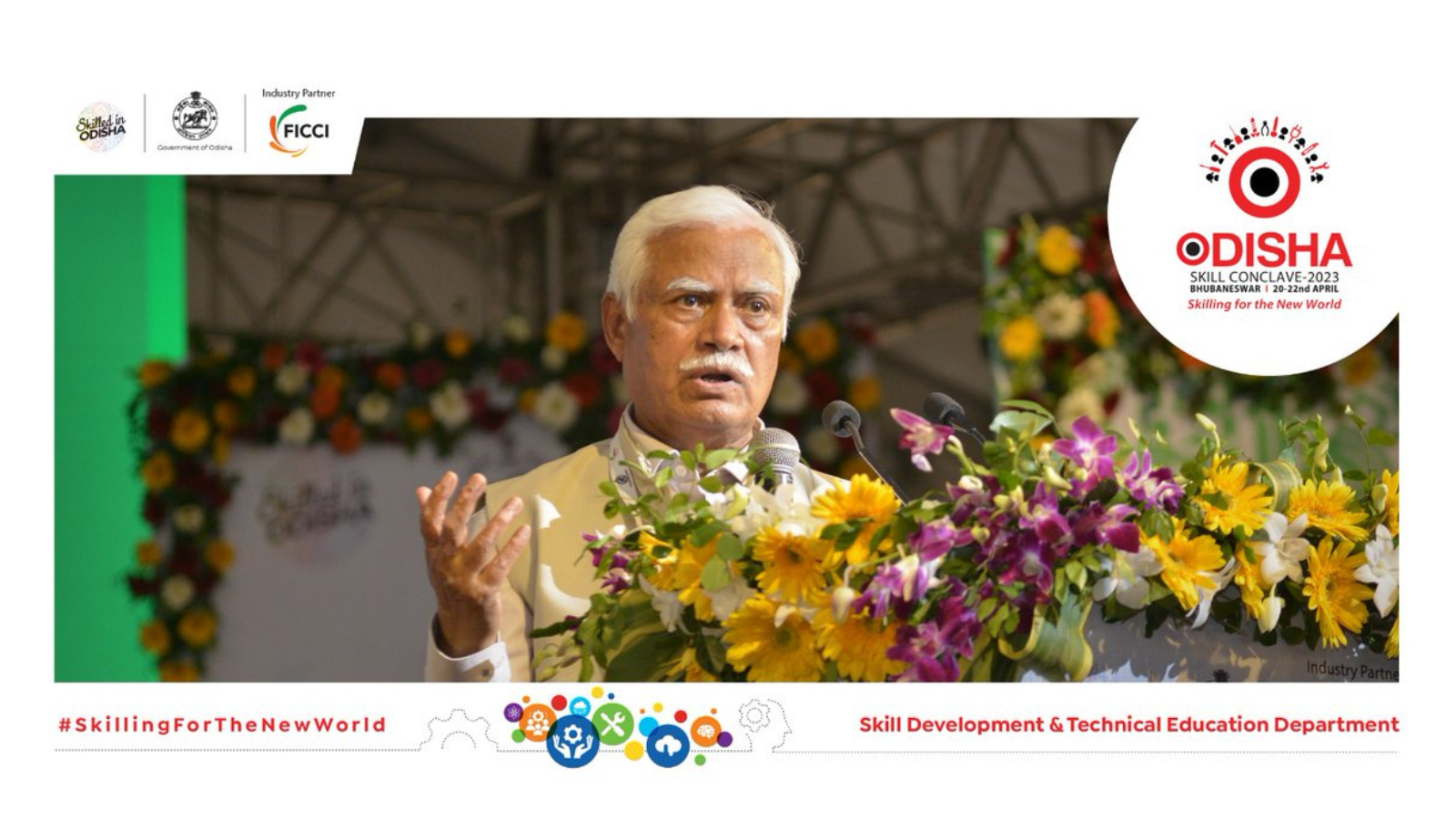
Odisha Skill Conclave 2023 was a three-day event that brought together leaders from Industry, Academia, and International Organizations to explore innovation, best practices, and the role of partnerships in generating employment and unlocking the potential of Odisha’s workforce.
The Government of Odisha has been a long-standing partner in Shahi’s path to making skilling accessible to youth and women in India. JD. Giri, Director at Shahi, described our journey together to empower the next generation of skilled professionals and drive economic growth.
19-21 April | AIChE: Global Polymers and Textiles Conference
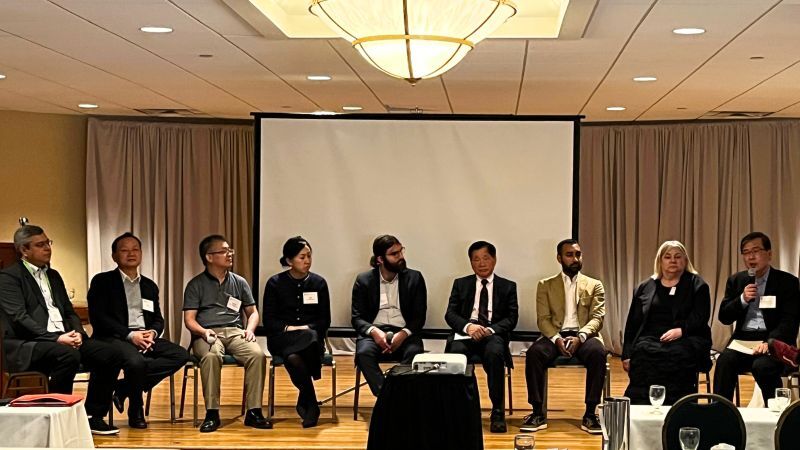
Anant Ahuja presented the research on cellulosic superabsorbent polymer (CSAP) at the #AIChe Global Polymers and Textiles Conference held at the University of Massachusetts amidst industry leaders, designers, and academics.
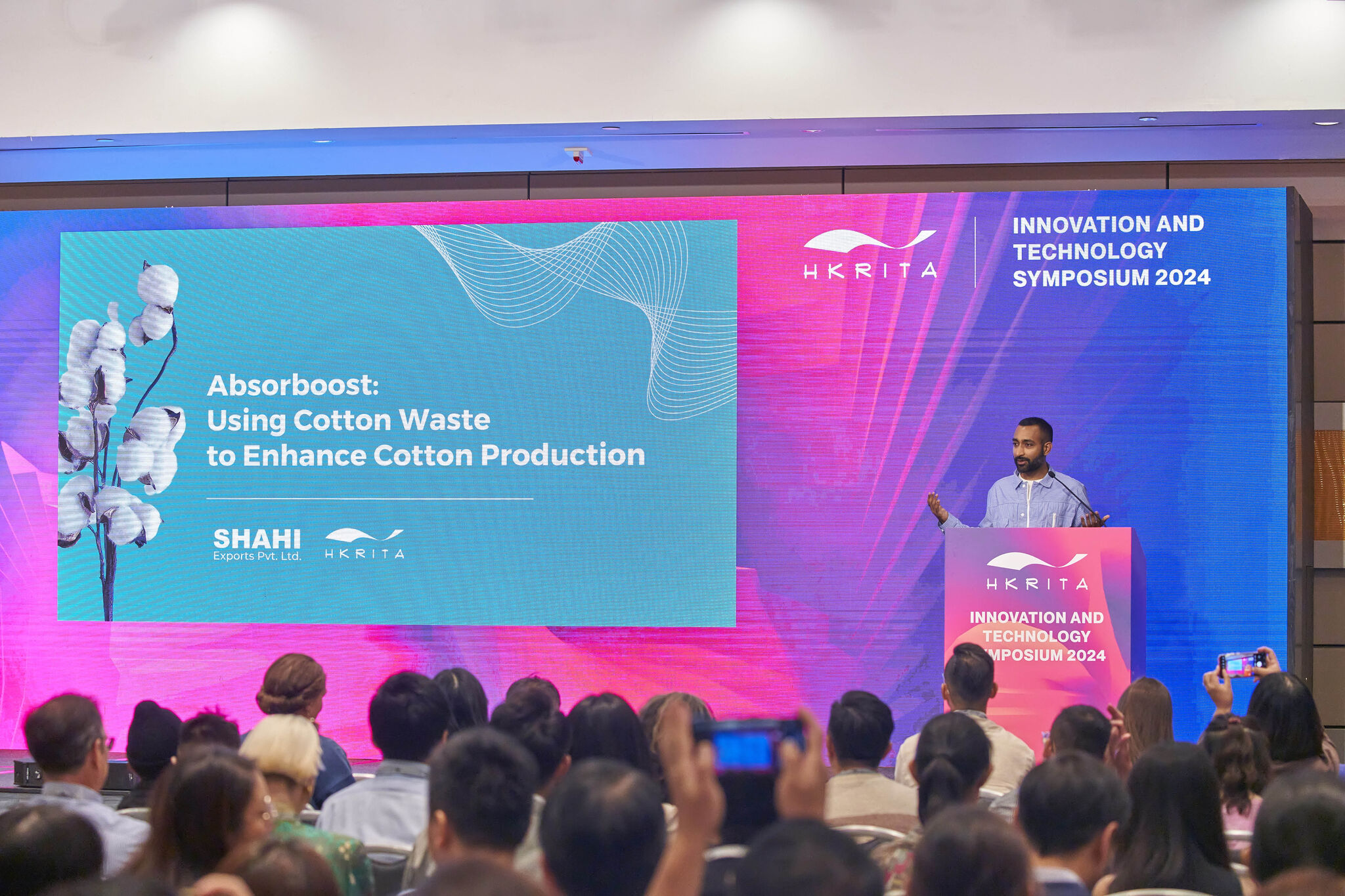
He emphasized the use case of CSAP as a climate adaptive measure to de-risk cotton farmers against crop failure due to water stress. Anant also spoke at the circularity and supply chain management panel and shared his thoughts on the strategic collaboration required to accelerate sustainability in the industry. He highlighted how HKRITA – The Hong Kong Research Institute of Textiles and Apparel Limited’s model of applied research and partnership with the industry enabled us to work efficiently on R&D on CSAP.
15-17 March | 3rd Global Textile Conclave
Anjani Mishra, Deputy General Manager of Skill Development, represented Shahi at the 3rd Global Textile Conclave organized by the Confederation of Indian Textile Industry (CITI).
In a panel on ‘Increasing Economic and Social Opportunities for Women in the Textile and Apparel Industry,’ he spoke about Shahi’s commitment to improving the socio-economic status of female candidates through skilling & gainful employment across 70+ skill development training centers in 15 States in India. He emphasized the importance of Upskilling & Re-skilling existing female employees to improve career progression within the organization.
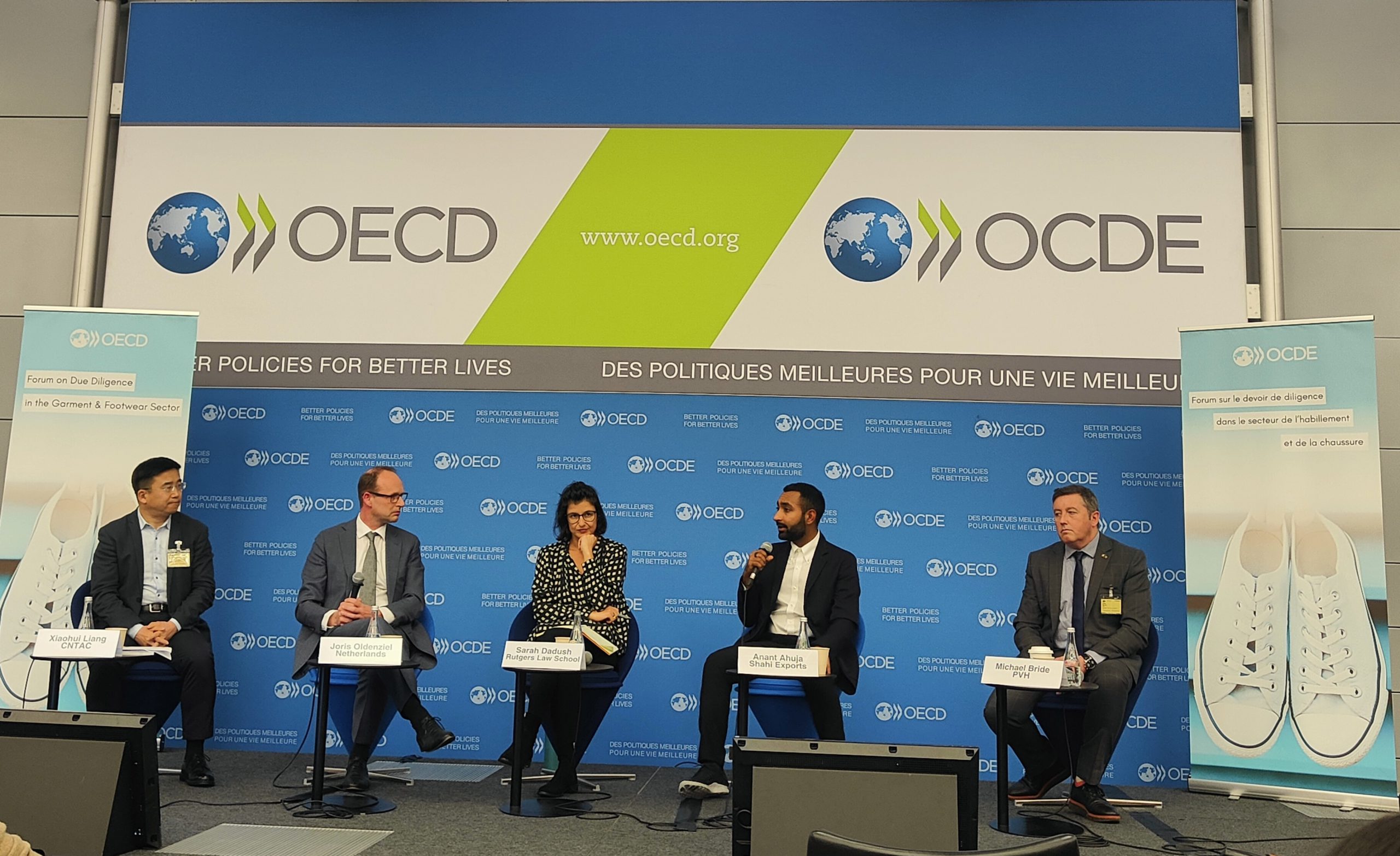
16-17 February | OECD Forum on Due Diligence in the Garment & Footwear Sector
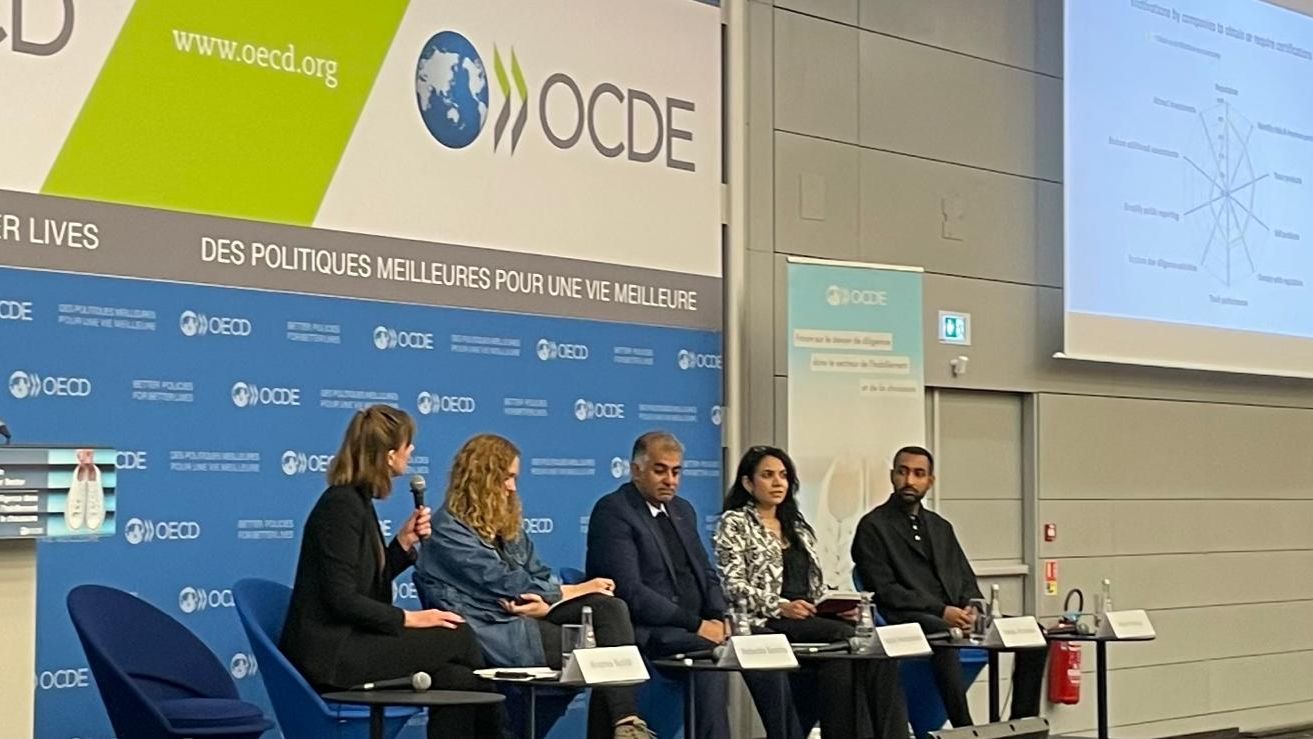
Anant Ahuja represented Shahi at the 2023 OECD – OCDE Forum on Due Diligence in the Garment and Footwear Sector. He spoke at the panel “Due diligence costs and responsibilities:
Collaborative approaches to buyer-supplier relationships” about the value of multi-stakeholder initiatives on due diligence that involves suppliers, brands, NGOs, and other experts to address the challenges in a local context.
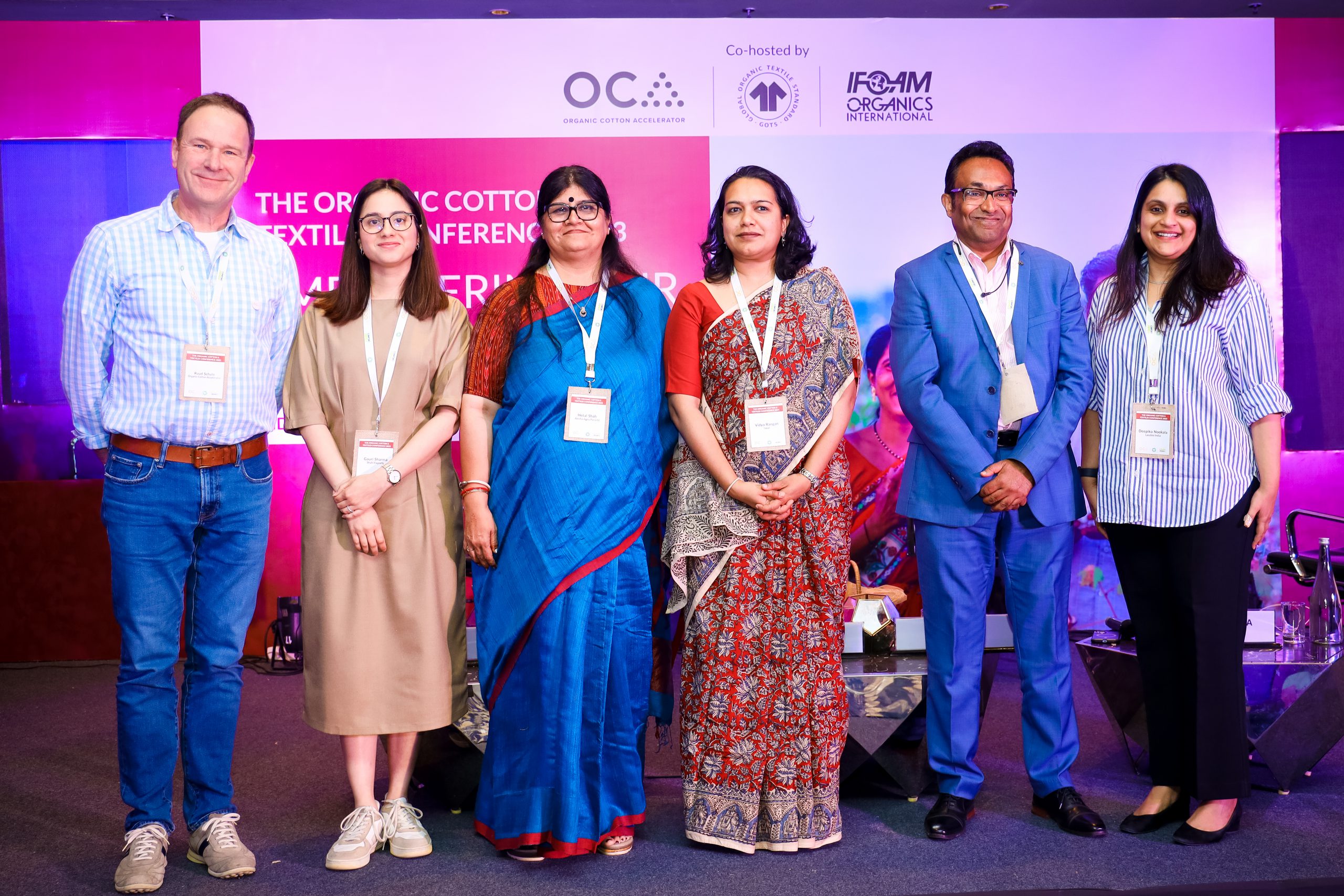
28 February | Organic Cotton & Textiles Conference 2023
Gauri Sharma, Senior Manager, Communications and Sustainability Innovations, Shahi spoke at the Organic Cotton & Textiles Conference 2023 about the social protections that need to be embedded and strengthened at the farm level in cotton production and the pertinent role of emerging policies in enabling these changes.
She also highlighted how a vertically integrated manufacturer like Shahi could play a role in accelerating authentic organic cotton in the industry sustainably.
31 January | BSR KWIL Conference
Gauri Sharma, Senior Manager, Communications and Sustainability Innovations, represented Shahi at the Business for Social Responsibility (BSR) event focusing on their ‘Keeping Workers in the Loop’ (KWIL) Project. In the panel ‘PROGRESS TOWARDS A JUST, FAIR & INCLUSIVE CIRCULAR FASHION SYSTEM’ joined by H&M, ILO, and Hasiru Dala, she shared how the learnings from the KWIL project motivated Shahi to take on a lens of social wellbeing in circularity.
After engaging in the KWIL research last year, Shahi took on projects and pilots on circularity while keeping worker well-being at the center. She also emphasized the role of strong brand-supplier relationships in the fair transition to a circular economy.
30 January | Shades of Blue
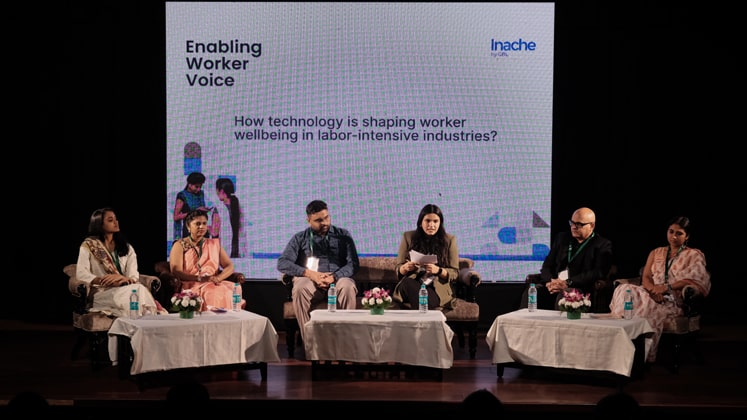
Chitra Ramdas, General Manager, Organizational Development at Shahi, participated in a panel discussion on ‘enabling worker voice,’ an essential tool for a thriving business and work environment for manufacturers at Shades of Blue by Good Business Lab.
Shades of Blue was an experience center curated at the Alliance Française de Bangalore that explored blue-collar labor and its many complexities through a fresh way of understanding India’s older garment sector and the emerging gig economy.
24 January | IOM Panel
Anant Ahuja, Head of Organizational Development, represented Shahi in the Indo-Pacific Supply Chain Guidelines Launch hosted by the International Organisation of Migration (IOM). He shared the myriad of challenges faced by migrant workers, including lack of affordable housing, health facilities, and social isolation, among others. Shahi is working closely with ecosystem partners to build a model and ecosystem of support for migrant workers at Shahi in the form of a migrant support center. The aim is to create an enabling environment for migrant workers to access job opportunities and create a model center that can be adopted and scaled across industries and geographies.
December 6, New Delhi: Shahi Exports, India’s largest apparel manufacturer and exporter, released its second Sustainability Report for FY 2022-23 today. The comprehensive report details the company’s extensive initiatives across key focus areas, including Energy and Emissions Management, Water Efficiency, Chemical and Materials Stewardship, Waste Towards Circularity, Empowered Workforce, Employee Health and Well-being, Fair and Respectful Workplace, and Corporate Social Responsibility (CSR).
Anant Ahuja, Head of ESG at Shahi Exports, said, “The past year has marked significant shifts in the narrative, perspective, and business of sustainability in fashion.As the industry evolves,Shahi remains committed to conducting our business in a way that reduces negative impact and maximizes the positive impact on our people and the planet. The Sustainability Report is an important tool in helping us track our progress and identify areas where we can make further improvements. The data and insights reported over the past two years have been invaluable in helping us develop more strategies aligned with long-term thinking on our growth journey.”
Key highlights of the report:
Shahi has moved the needle on Planet targets by:
Increasing renewable energy capacity to 92.5MW brings it closer to 100% renewable electricity goal by 2026.
This year, Shahi phased out coal from garment factories and continue to work on coal elimination in mills.
Achieved Higg FEM verified average score of 78.05%, compared to the global average of 59.67%.
Shahi’s efforts have not gone unnoticed, and have received several international and national awards for the commitment to environmental stewardship, like the International Green Apple Environment Award by The Green Organization and the Excellence in Performance Award by The Confederation of Indian Industry under the ground-mounted solar category.
On the People front:
Shahi has invested 1.2 million hours in upskilling its employees in behavioral & technical skills.
The company continued to invest in soft skills training for women through the Gap Inc. PA.C.E. program, reaching 86,000+ women since 2007 and completing 96% of 2024 training target.
It partnered with the International Organization for Migration (IOM) to support migrant workers and launched the YESS: Yarn Ethically and Sustainably Sourced program to mitigate the risk of forced labor in supply chain.
Harish Ahuja, Managing Director and Chairperson of Shahi Exports said, “Over the years, Shahi has always demonstrated a deeper understanding of the changing landscape of our environment and the role that sustainability as a concept plays in this shift. As Shahi turns 50 next year, we believe sustainability efforts will increasingly underpin our success and drive industry-wide transformation. We will continue in the spirit of collaboration, share our best practices, and advocate for collective action.”
I am proud to present to you Shahi’s first Sustainability Report. For nearly five decades, right from when my mother started the company as a small home workshop, Shahi has put people and the planet at the forefront of business strategy in various ways. Sustainability has remained a key pillar of our success over the years. In a fast-changing global environment, our “Responsible For” framework guides our actions in line with our values. Our key stakeholders, including our customers, employees, business partners, suppliers, and civil society organizations, support us in achieving our goals.
At a time when natural resources are fast depleting and climate changes are intensifying, Shahi recognizes that to future-proof our business and continue providing high-quality employment to over 115,000 people—revitalizing our planet is absolutely necessary and urgent. That’s why we have set ambitious goals to achieve 100% renewable electricity by 2026 and use 85% recycled water in garment washing by 2024. However, we cannot achieve our goals alone; the global industry must rise together to elevate towards sustainability. In 2021, we collaborated with one of our customers to achieve the highest standard for circularity by becoming India’s first woven apparel and textiles manufacturer to create Cradle to Cradle Certified® Gold products. Our focus on innovation continues as we partner with academia, innovators, and NGOs to research and identify novel solutions to the immense challenges of this industry.
The past year remained challenging. As we recovered from the COVID-19 disruptions of 2020, India faced a destructive second wave of the pandemic in the middle of 2021. With a strained healthcare system, we knew we had to play a proactive role in supporting our employees through this unprecedented time. We set up vaccination camps in factories and offices to vaccinate nearly 100% of our workforce across the country in partnership with local health services, NGOs, and private and public hospitals. Moreover, we ensured our medical dispensaries were stocked with essential medicines and oxygen cylinders. Our Migration Support Center was open to migrants across industries for medical, residential, and vaccination support.
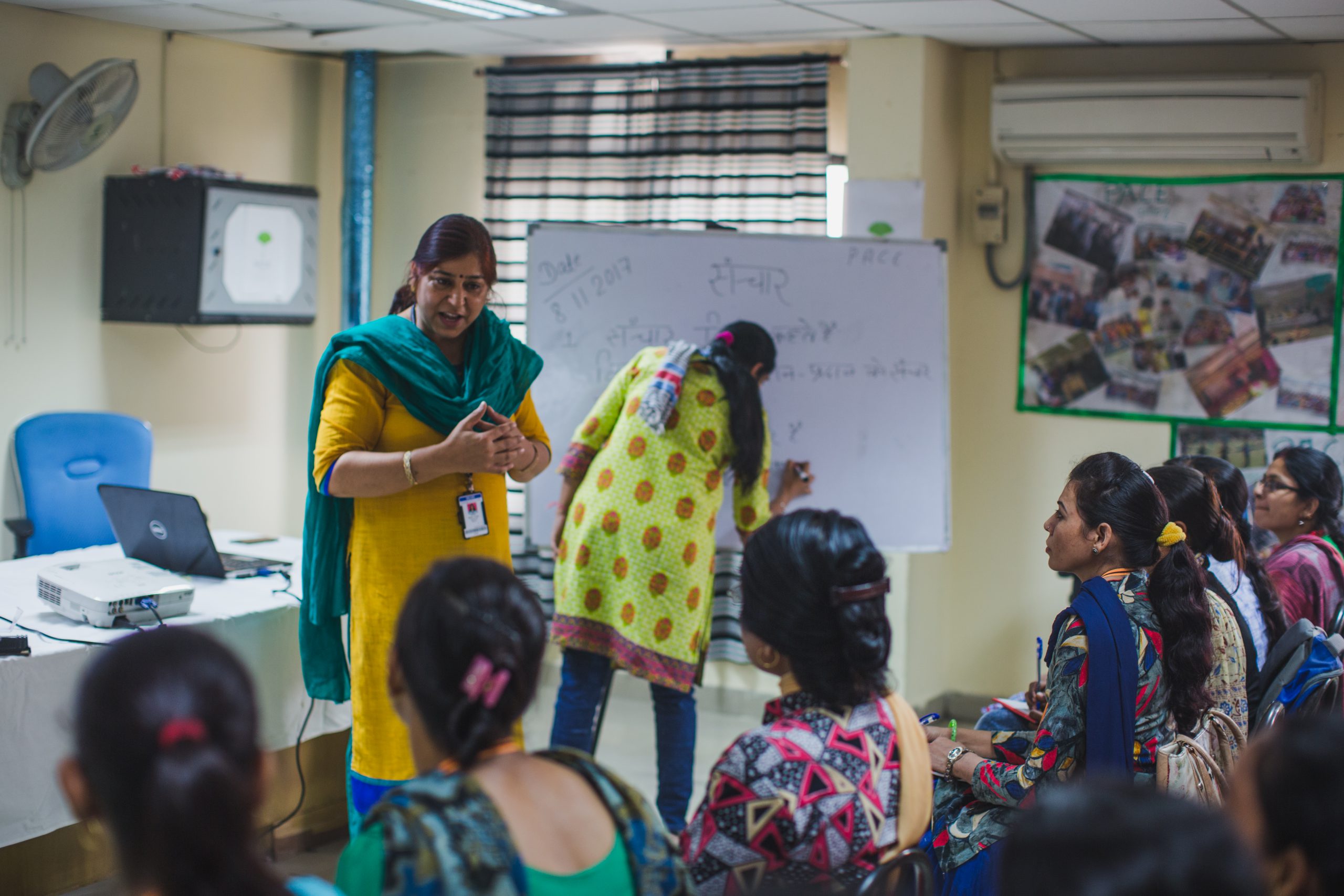
Despite these hurdles, we continued to support our employees’ development. In fact, we surpassed our target of training 58,000 women by 2024 in Gap Inc. P.A.C.E., a soft skills training for female workers, and delivered the training to over 70,000 women in FY 2021. Our focus on creating a safe and respectful work environment remains undeterred as we continue to expand frameworks like the Social and Labor Convergence Project (SLCP) and access to digital grievance redressal mechanisms to 100% of our factories by 2024.
Our influence and responsibility extend beyond our factory walls, reaching out to the communities in which we operate and other vulnerable groups. We have trained 44,000 women from rural and disadvantaged backgrounds in sewing skills, and our efforts in skill development will continue to be accelerated.
In 2021, our Corporate Social Responsibility (CSR) projects focused on enhancing education, improving public health, and promoting environmental and community management. We aim to reach thousands of women with menstrual, sexual and reproductive, and maternal health awareness and services. Similarly, our efforts in expanding green cover, migration support, and STEM education continue in full swing.
I hope you enjoy reading this report containing case studies, data, and insights about our sustainability efforts. With all humility, while we have made much progress, we have higher ambitions for the future. We call on all our stakeholders to join hands with us to create a thriving and sustainable industry for the future.
At Shahi, we believe in sharing our experiences and learning with all the stakeholders in the fashion industry and beyond. This is an ongoing post to share insights from our speaking engagements in 2022. Read insights from previous years’ engagements: 2021, 2020.
New Delhi, 29 November 2022: Shahi Exports is thrilled to be recognized as the winner of two International Green Apple Environment Awards for 2022. Shahi has won a silver award in ‘Water Efficiency’ for denim production and a bronze award in the ‘Carbon Reduction’ category for mitigating carbon dioxide emissions.
The International Green Apple Awards are conferred by the UK-based Green Organization in a campaign to find the world’s greenest companies since 1994. The awards saw close to 500 nominations this year. Shahi’s environmental work will now feature along with the likes of Infosys, TESCO, and BMW.
The fashion industry accounts for 10% of global GHG emissions and 20% of global industrial-water pollution. With global forces rallying to fight climate change, India has committed to mitigating 1 billion MT in carbon emissions by 2030. As India’s largest apparel and textile exporter, Shahi has developed a strong commitment to environmental sustainability in its operations to meet the national goal, industry demand, and the necessity for constructive climate action.
Silver Award in Water Efficiency
Shahi won the Silver International Green Apple Environment Award for Water efficiency in our Denim Operations.
Shahi’s denim production factories are equipped with best-in-class technology to meet high water efficiency standards. Conventional production methods require about 75-85 liters of water to produce a pair of jeans. The denim operations at Shahi recycle 100% of its water to bring it back into the process and reduce freshwater dependence. Overall, a pair of jeans produced by Shahi effectively utilize less than 5 liters of water.
MA Prasad, COO of the Denim Division at Shahi Exports, said:
“Denim washing and production is a highly resource-intensive process. Through continuous efforts, we have achieved zero liquid discharge from our facility, and through various green initiatives, we have created one of the most sustainable denim operations. We are humbled and encouraged by this recognition. “
Bronze Award in Carbon Reduction
Shahi won the Bronze International Green Apple Environment Award for Carbon Reduction through our measures for mitigating emissions.
Since 2019, Shahi has reduced 448,000 MT of carbon emissions company-wide by moving away from conventional energy sources to environment-friendly renewable sources. Today, Shahi uses 70% of renewable electricity with an established setup of 84 MW solar power plants and 8.75 MW Wind Power Plants. Shahi is currently on the path of becoming 100% renewable electricity driven by 2026.
Shridatta Veera, Assistant Vice President, Central Maintenance and Environmental Sustainability at Shahi Exports, said:
“Driven by our company’s sustainability vision and policy, we have realized the need to act against climate change. Moving towards green energy helps reduce carbon footprint, hence we installed 84 MW solar power plants all at once to meet our requirements. Receiving an award for this milestone is heartening. It motivates us to further on our mitigation journey.”
The awards were presented by Jayne Drant, Chief Commercial Officer of Nurture Landscapes, at a ceremony at the Houses of Parliament, London, on November 21, 2022. The judges of the award shared their thoughts on Shahi’s win,
“The textile industry is often in the spotlight for its social and environmental impact. Shahi Exports welcomes this attention as they support and contribute to India’s reduction targets of almost half a million tonnes of CO2 saved in 2 years and much more to come. As India’s largest clothing manufacturer, Shahi wants to be among the greenest. They have added sustainability to most aspects of the production system. The push to reduce water use is a prime example, using less than half the water typically consumed in the denim manufacturing process.”
The Green Apple marks a milestone in Shahi’s continued journey towards sustainability excellence. Shahi Exports is proud to have the opportunity to uphold the title of a Green World Ambassador.
Driving Sustainability through Social Responsibility
According to the report ‘Our Common Future’ by the World Commission on Environment and Development, responsible corporate activities can lead to more significant sustainable development. The importance of corporate social responsibility and its connection to our core values has grown at Shahi. Strategic planning and incorporation into daily operations form the foundation of our corporate social responsibility (CSR).
Corporate Social Responsibility at Shahi
Through our programs, Shahi ensures the creation of efficient strategies to alleviate societal, environmental, and economic issues. It caters to some of the most vulnerable communities (largely women from low-income backgrounds), children, farmers, and migrant workers. It supports local government authorities and Non-Governmental Organisations (NGOs) to build communities for the better. With over 22,867 beneficiaries benefitted, Shahi has progressed towards making its CSR approach more resourceful, ethical, and sustainable.
The Potential for Lasting Impact
The Government of India’s Census Data states that India has a population of 1.38 billion people, 67% of whom live in rural areas, most of which lack infrastructure and essential services. In this light, CSR has the power to change, alleviate, and even eliminate many common challenges faced by communities in India. CSR works to address the needs and aspirations of communities by building commitment to the development and upliftment of communities.
In the India Philanthropy Report 2022, Poverty Alleviation, Healthcare & WASH, Education & Skills, and Rural Development emerged as the highlighted theme areas that account for 70% of India’s overall CSR budget. Compliant and accountable CSR has ensured that rural development and other facets of our society have made considerable strides in the right direction.
Our Engagement this Past Year
In the past year, Shahi has undertaken a variety of projects in the areas of Environmental Protection, The Welfare of Migrants, Health, Education and School Infrastructure, Covid Support along with Rural Development.
Environmental Protection
Environmental sustainability at Shahi is committed to the responsible use of natural resources and environmental protection.
Shahi has conducted a tree plantation drive with Give Me Trees Trust (GMTT) to increase green cover and improve local air quality. GMTT is India’s largest community-based voluntary tree planting and conservation movement in India. The environmental charity strongly believes in planting native species of trees (like Peepal, Neem, Pilkhan, and more) as they are the most beneficial trees suited for the environment and provide additional medicinal benefits.
Shahi has partnered with GMTT to plant trees on barren land in Delhi and convert it into a dense forest. The plantation drive is based on the Miyawaki Method, involving planting two trees per square meter to make a biodiversity hotspot in the city.
Shahi partnered with Saahas on the Sada Suchittva Arekere Program, within which Shahi established a sustainable Solid Waste Management (SWM) model in an identified area near Arekere Lake Bengaluru to reduce dumping waste into the lake. This initiative aligns with the Clean India Campaign’s goal to build a cleaner and healthier environment for local communities.
Shahi further partnered with Tanga Charitable Trust to launch the Biomass Sustainability Project. The program provided livelihood opportunities and extra income to local farmers in the Raichur region for farm waste collection. This effort prevents stubble burning and reduces carbon emissions in the region by extracting and converting crop residue into biomass.
The Welfare of Migrant Workers
At Shahi, we recognize the challenges faced by migrant workers when relocating to new urban environments. Shahi joined hands with Odisha Rural Development and Marketing Society (ORMAS) to launch the Migrant Support Center.
With 900 registered migrants, this initiative intends to provide migrant workers with social, informational, functional, and psychological support and services to promote their integration into new urban surroundings.
Health
The Swasth Parivaar Project is a health intervention program for the vulnerable population of the Peenya Region in Bangalore, Karnataka. Under this project, Shahi jointly worked with the Family Planning Association of India (FPAI) to set up a satellite clinic to provide preventive and curative services for sexual and reproductive health.
The services include Family planning (Intrauterine devices, injectable and oral hormonal contraceptives, male and female condoms, emergency contraception), Maternal and child health services (Antenatal and postnatal care, treatment of minor illness and immunization), Prevention and management of sexually transmitted and reproductive tract infections including HIV.
Shahi also launched the Menstrual Health Project to improve knowledge of menstrual hygiene management and promote access and acceptance of menstrual cups as safe sanitary products. In collaboration with Kamakshi Trust and Shakti (Rare Enterprises), the project trained over 1,698 women on menstrual health management and distributed menstrual cups. Over 68% of these women accepted using the menstrual cups provided. Overall, the project created menstrual health awareness for 2,750 migrant women in Karnataka.
Further, Shahi, along with Save the Children, India (Bal Raksha Bharath), launched the program ‘Improving Maternal, Child Health, and Nutrition Services’ (MCHN) in Bengaluru (urban and rural), and districts of Hassan, Tumkur, Maddur, and Kolar in Karnataka. The focus is on providing quality maternal, child health, and nutrition care in Anganwadi and primary health centers in the targeted regions.
This capacity-building program allows accountability and engagement of local governments and communities to improve the use and quality of MCHN services. It addresses issues between pregnancy and a child’s second birthday, as this 1000-day period is a critical time to impact a child’s cognitive and physical development positively.
Education & School Infrastructure Improvement
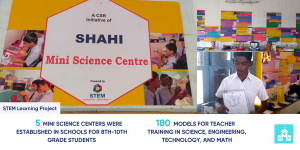
Shahi launched the STEM (Science, technology, engineering, and mathematics) learning project in association with STEM Learning Pvt. Ltd and Kamakshi Trust. Under this initiative, 5 mini science centers have been established in schools for 8th-10th grade students, and 180 modules have been provided for teacher training in science, engineering, technology, and math. The project also supports children in preparing for state and national level exhibition competitive programs.
With Janodaya Trust, a social service organization working on social and community development, we provided free coaching classes and counseling sessions for 10th-standard students from economically weaker sections, including dropouts and failed students. More than 462 students have enrolled in the coaching program. Further, the school infrastructure development fund was utilized to construct toilet and water filter facilities, along with the provision of school bags and smart tablets for students.
[vcex_spacing size=”20px”]Covid Support
At the peak of the pandemic, Shahi provided oxygen cylinders, beds, medicines, and first-aid boxes to primary health care centers and government hospitals in the regions of Kuppam, Mysore, and Hassan.
Many migrant workers were able to comfortably stay in Shahi’s residence halls during the first lockdown. Shahi provided food, sanitizers, masks, and round-the-clock medical assistance from Janodaya. Shahi distributed covid relief kits to front-line workers, including nurses, the local police force, and residents, to help maintain social distance. A ‘Doctor on Call’ program was also set up to curb misinformation and provide counseling for symptoms.
Rural Development
Shahi built infrastructural development in rural Karnataka by creating bus shelters in the rural areas of Maddur and Tumkur. Further WASH facilities, infrastructural development, and painting of government schools and Solar Street Lights were provided at Bydagi, Hassan, and Maddur in Shivamogga.
The Next Step
As a forward-thinking organization, we are proud of the community and environment-driven initiatives we have led so far. As we progress, we shall strive for our CSR efforts to be pertinent locally and nationally and guided by the principles of sustainable development. We are keen to scale our initiatives through like-minded collaboration.
Read Shahi’s CSR Policy-2022-23 vulnerable communities (largely women from low-income backgrounds), children, farmers, and migrant workers. It supports local government authorities and Non-Governmental Organisations (NGOs) to build communities for the better. With over 22,867 beneficiaries benefitted, Shahi has progressed towards making its CSR approach more resourceful, ethical, and sustainable.
The Potential for Lasting Impact
The Government of India’s Census Data states that India has a population of 1.38 billion people, 67% of whom live in rural areas, most of which lack infrastructure and essential services. In this light, CSR has the power to change, alleviate, and even eliminate many common challenges faced by communities in India. CSR works to address the needs and aspirations of communities by building commitment to the development and upliftment of communities.
In the India Philanthropy Report 2022, Poverty Alleviation, Healthcare & WASH, Education & Skills, and Rural Development emerged as the highlighted theme areas that account for 70% of India’s overall CSR budget. Compliant and accountable CSR has ensured that rural development and other facets of our society have made considerable strides in the right direction.
Our Engagement this Past Year
In the past year, Shahi has undertaken a variety of projects in the areas of Environmental Protection, The Welfare of Migrants, Health, Education and School Infrastructure, Covid Support along with Rural Development.
Environmental Protection
Environmental sustainability at Shahi is committed to the responsible use of natural resources and environmental protection.
Shahi has conducted a tree plantation drive with Give Me Trees Trust (GMTT) to increase green cover and improve local air quality. GMTT is India’s largest community-based voluntary tree planting and conservation movement in India. The environmental charity strongly believes in planting native species of trees (like Peepal, Neem, Pilkhan, and more) as they are the most beneficial trees suited for the environment and provide additional medicinal benefits.
Shahi has partnered with GMTT to plant trees on barren land in Delhi and convert it into a dense forest. The plantation drive is based on the Miyawaki Method, involving planting two trees per square meter to make a biodiversity hotspot in the city.
Shahi partnered with Saahas on the Sada Suchittva Arekere Program, within which Shahi established a sustainable Solid Waste Management (SWM) model in an identified area near Arekere Lake Bengaluru to reduce dumping waste into the lake. This initiative aligns with the Clean India Campaign’s goal to build a cleaner and healthier environment for local communities.
Shahi further partnered with Tanga Charitable Trust to launch the Biomass Sustainability Project. The program provided livelihood opportunities and extra income to local farmers in the Raichur region for farm waste collection. This effort prevents stubble burning and reduces carbon emissions in the region by extracting and converting crop residue into biomass.
The Welfare of Migrant Workers
At Shahi, we recognize the challenges faced by migrant workers when relocating to new urban environments. Shahi joined hands with Odisha Rural Development and Marketing Society (ORMAS) to launch the Migrant Support Center.
With 900 registered migrants, this initiative intends to provide migrant workers with social, informational, functional, and psychological support and services to promote their integration into new urban surroundings.
Health
The Swasth Parivaar Project is a health intervention program for the vulnerable population of the Peenya Region in Bangalore, Karnataka. Under this project, Shahi jointly worked with the Family Planning Association of India (FPAI) to set up a satellite clinic to provide preventive and curative services for sexual and reproductive health.
The services include Family planning (Intrauterine devices, injectable and oral hormonal contraceptives, male and female condoms, emergency contraception), Maternal and child health services (Antenatal and postnatal care, treatment of minor illness and immunization), Prevention and management of sexually transmitted and reproductive tract infections including HIV.
Shahi also launched the Menstrual Health Project to improve knowledge of menstrual hygiene management and promote access and acceptance of menstrual cups as safe sanitary products. In collaboration with Kamakshi Trust and Shakti (Rare Enterprises), the project trained over 1,698 women on menstrual health management and distributed menstrual cups. Over 68% of these women accepted using the menstrual cups provided. Overall, the project created menstrual health awareness for 2,750 migrant women in Karnataka.
Further, Shahi, along with Save the Children, India (Bal Raksha Bharath), launched the program ‘Improving Maternal, Child Health, and Nutrition Services’ (MCHN) in Bengaluru (urban and rural), and districts of Hassan, Tumkur, Maddur, and Kolar in Karnataka. The focus is on providing quality maternal, child health, and nutrition care in Anganwadi and primary health centers in the targeted regions.
This capacity-building program allows accountability and engagement of local governments and communities to improve the use and quality of MCHN services. It addresses issues between pregnancy and a child’s second birthday, as this 1000-day period is a critical time to impact a child’s cognitive and physical development positively.
Education & School Infrastructure Improvement
Shahi launched the STEM (Science, technology, engineering, and mathematics) learning project in association with STEM Learning Pvt. Ltd and Kamakshi Trust. Under this initiative, 5 mini science centers have been established in schools for 8th-10th grade students, and 180 modules have been provided for teacher training in science, engineering, technology, and math. The project also supports children in preparing for state and national level exhibition competitive programs.
With Janodaya Trust, a social service organization working on social and community development, we provided free coaching classes and counseling sessions for 10th-standard students from economically weaker sections, including dropouts and failed students. More than 462 students have enrolled in the coaching program. Further, the school infrastructure development fund was utilized to construct toilet and water filter facilities, along with the provision of school bags and smart tablets for students.
[vcex_spacing size=”20px”]Covid Support
At the peak of the pandemic, Shahi provided oxygen cylinders, beds, medicines, and first-aid boxes to primary health care centers and government hospitals in the regions of Kuppam, Mysore, and Hassan.
Many migrant workers were able to comfortably stay in Shahi’s residence halls during the first lockdown. Shahi provided food, sanitizers, masks, and round-the-clock medical assistance from Janodaya. Shahi distributed covid relief kits to front-line workers, including nurses, the local police force, and residents, to help maintain social distance. A ‘Doctor on Call’ program was also set up to curb misinformation and provide counseling for symptoms.
Rural Development
Shahi built infrastructural development in rural Karnataka by creating bus shelters in the rural areas of Maddur and Tumkur. Further WASH facilities, infrastructural development, and painting of government schools and Solar Street Lights were provided at Bydagi, Hassan, and Maddur in Shivamogga.
The Next Step
As a forward-thinking organization, we are proud of the community and environment-driven initiatives we have led so far. As we progress, we shall strive for our CSR efforts to be pertinent locally and nationally and guided by the principles of sustainable development. We are keen to scale our initiatives through like-minded collaboration.
Inspired by nature, held by three pillars: innovation, design, and chemistry.
Does waste equal food? In the pre-industrialized economy, products had a natural biological cycle where the inputs naturally decomposed and served as nutrients for the planet. Products made out of metal were refurbished to make new ones. All the inputs derived from Earth ideally should go back to it. But, today, does waste still equal food for the planet? How do we envision growth in today’s world while prioritizing the environment? Is there a way we can manufacture products aligning with the growing population and their lifestyle choices without harming the environment, in fact, by nurturing it?
On asking a few people about what Cradle to Cradle is, I received a myriad of answers. Someone said it is probably a place where a baby sleeps. Some others hit it a little closer: a process for people to know how a product is truly made; a benchmark for sustainable products; and a design philosophy that genuinely outlines the lifecycle of a product focusing on the recycling mechanisms.
Anant Ahuja, Head of Organizational Development at Shahi, says,
“Cradle to Cradle represents a way to make products that are in tune with nature and manufactured sustainably. The resources that are required to manufacture must be replenished and extracted ethically. You can imagine a world where we can produce as much as we want, and the reason we can do it is due to the positive impact and the life cycle of the product. We turn the waste into fuel.”
The Concept
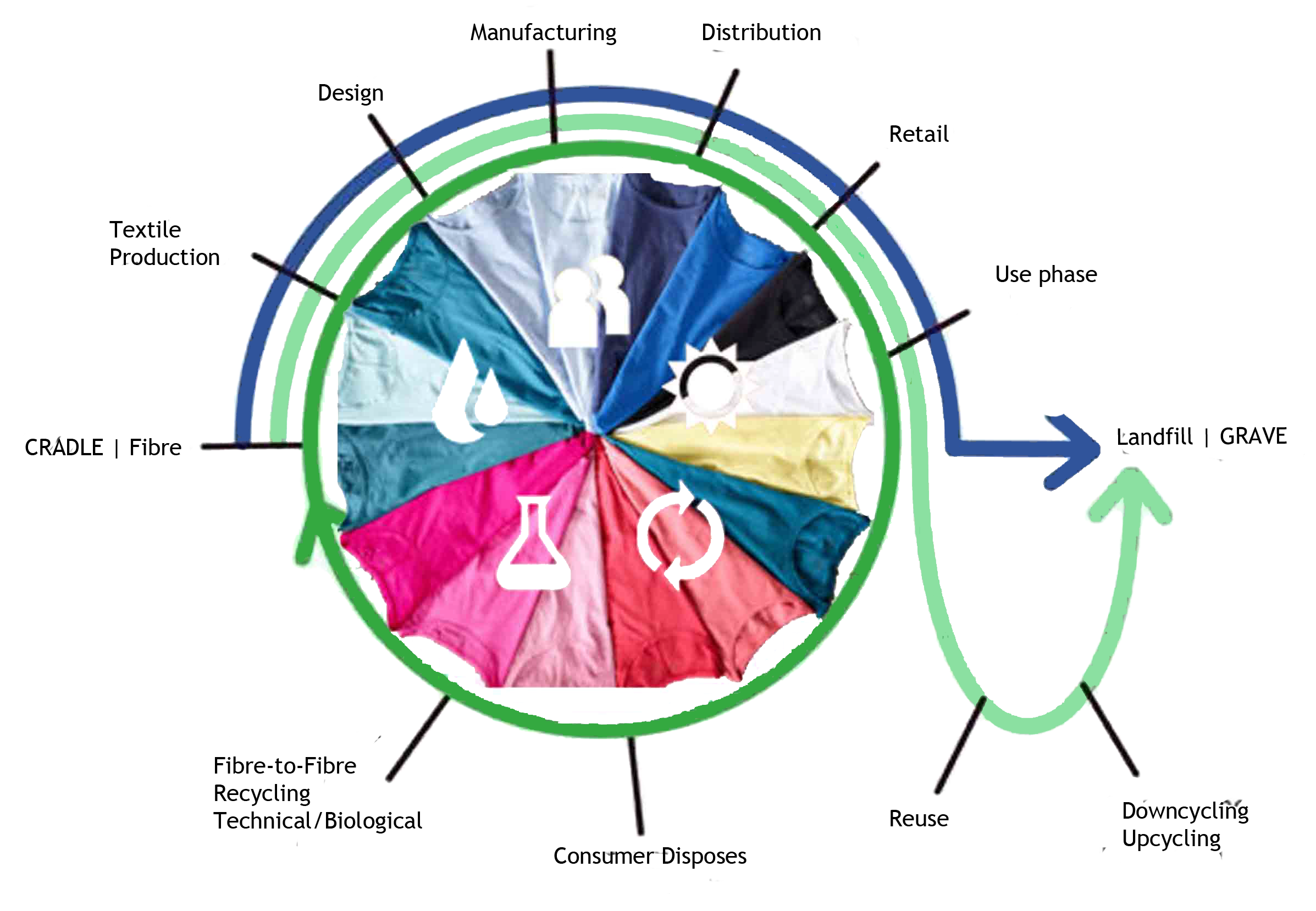
Cradle to Cradle is a revolutionary design concept integrating two distinct fields — design and science to achieve a high level of sustainability. By focusing on doing ‘more good than less bad,’ Cradle to Cradle Certified® products create a positive ecological impact rather than simply minimizing their environmental footprint. The goal is not just to substitute harmful chemicals and other raw materials with more sustainable alternatives but also to rethink the lifecycle of products — from design to disintegration. The emphasis is on increasing durability. Once disintegrated, the value of the materials used in production is not lost but rather preserved and brought back to the loop.
Cradle-to-Grave vs Cradle-to-Cradle
Every raw material used counts. Each material holds immense value and should not end in a grave.
Five different aspects measure the holistic development of a Cradle to Cradle Certified® product: material health and re-utilization, renewable energy, carbon management, water stewardship, and social fairness. Each of these is given an achievement level based on the guidelines ranging from Bronze to Platinum. The products based on these principles can range from buildings and construction materials to cosmetics and textiles.
‘Arth,’ what does it mean?
In late 2018, Shahi was presented with an opportunity to become India’s first woven apparel and textiles manufacturer to create Cradle to Cradle Certified® products with our ‘Arth’ collection in partnership with C&A.
Arth symbolizes our responsibility towards the planet in a quest to find meaning behind ‘doing more good than less bad.’ Shahi received the Gold achievement level owing to its holistic performance on the parameters set by the Cradle to Cradle Products Innovation Institute. Everything that comes from the Earth must return to it.
“The concept of Cradle to Cradle presents an opportunity to present our commitment towards circularity: everything that we utilize goes back safely to the environment. It was a pioneering step to add such product manufacturing capability to our organization. The dress (product) has motivated us to explore better raw materials and technologies; as it is also backed by a continuous improvement principle along with zero environmental impact and elimination of waste generation concept. We hope that we continue to work on exciting and innovative projects such as this one with our other stakeholders.”
– Rajneesh Rai, General Manager, Environmental Sustainability and Laboratory.
In this article, we share our learnings, insights, and the benefits, and opportunities for building our first Cradle to Cradle Certified® product by looking at the overall product development, materials, resources, social fairness, and the way forward.
Rethinking product development
Our product’s design and production processes are based on a circular economy model. At the end of its lifecycle, a Cradle to Cradle Certified® product is returned to the biosphere either as compost or reprocessed to make new products. Here is how we took on the opportunity to change our production pattern for this collection.
Design
Designing a Cradle to Cradle Certified® product demands many resources, dedication, perseverance, and openness to explore new areas. It took us more than 18 months from the inception of the product to deliver to our brand partner C&A. This period also includes the certification process for our facilities. The process has been significantly different from any other product we have manufactured. The changes in the processes also made us appreciate the speed of adaptation and the appetite for innovation at Shahi.
When we started designing the product from scratch, our progress was slow due to the lack of knowledge and resources available, coupled with the nationwide lockdown in early 2020. We began with a series of questions on which resources and techniques can be used in a Cradle to Cradle Certified® dress. They revolved around printing over the product, label of the garment, and use of Cradle to Cradle Certified® raw materials such as buttons and thread. The journey was made more accessible and collaborative with active involvement from C&A and the Cradle to Cradle Products Innovation Institute.
The Arth collection sports a relaxed mid-length dress with buttons made from natural coconut, which breaks down with a biological cycle. The dress made us go back to the basics of designing. The boundaries put on using certain chemicals, dyes, and trimmings helped us become more innovative in constructing the Cradle to Cradle Certified® dress.
The ideation process required us to extend our imagination beyond the aesthetics of the design. We emphasize how easily the product can be disintegrated and put back in the cycle without losing any value. Keeping in mind the core principle of Cradle to Cradle Certified®, the focus has been to balance the dress’s design and durability. For this reason, the dress has a clean finish with minimum accessories.
Sona Mishra, the designer who developed the dress, says, “To make a Cradle to Cradle Certified® product, you must go back to your basics: silhouettes, minimal accessorization, and use of Cradle to Cradle Certified® raw materials, dyes, and auxiliaries. We were really able to bring out the essence of a truly circular product with this process.”
Material
The fabric was made at our state-of-the-art Woven Processing Division (WPD) in Shimoga using 100% Global Organic Textile Standard certified organic cotton. More than 96% of this cotton is rapidly renewable, and 86% of the water used in the fabric processing was recycled. The finished products are 100% carbon neutral and recyclable. The brand tag on the products was designed in-house using recyclable materials and procured from a verified vendor.
The Cradle to Cradle Certified® Product Standard lists restricted chemicals to avoid while manufacturing the products. An official Restricted Substance List indicates the maximum concentration of each restricted substance allowed in the products.
The material health and re-utilization category ensure that Cradle to Cradle Certified® products uses chemicals that are:
Safe for society and the planet.
It can be further recycled or bio-degraded through biological and technical cycles.
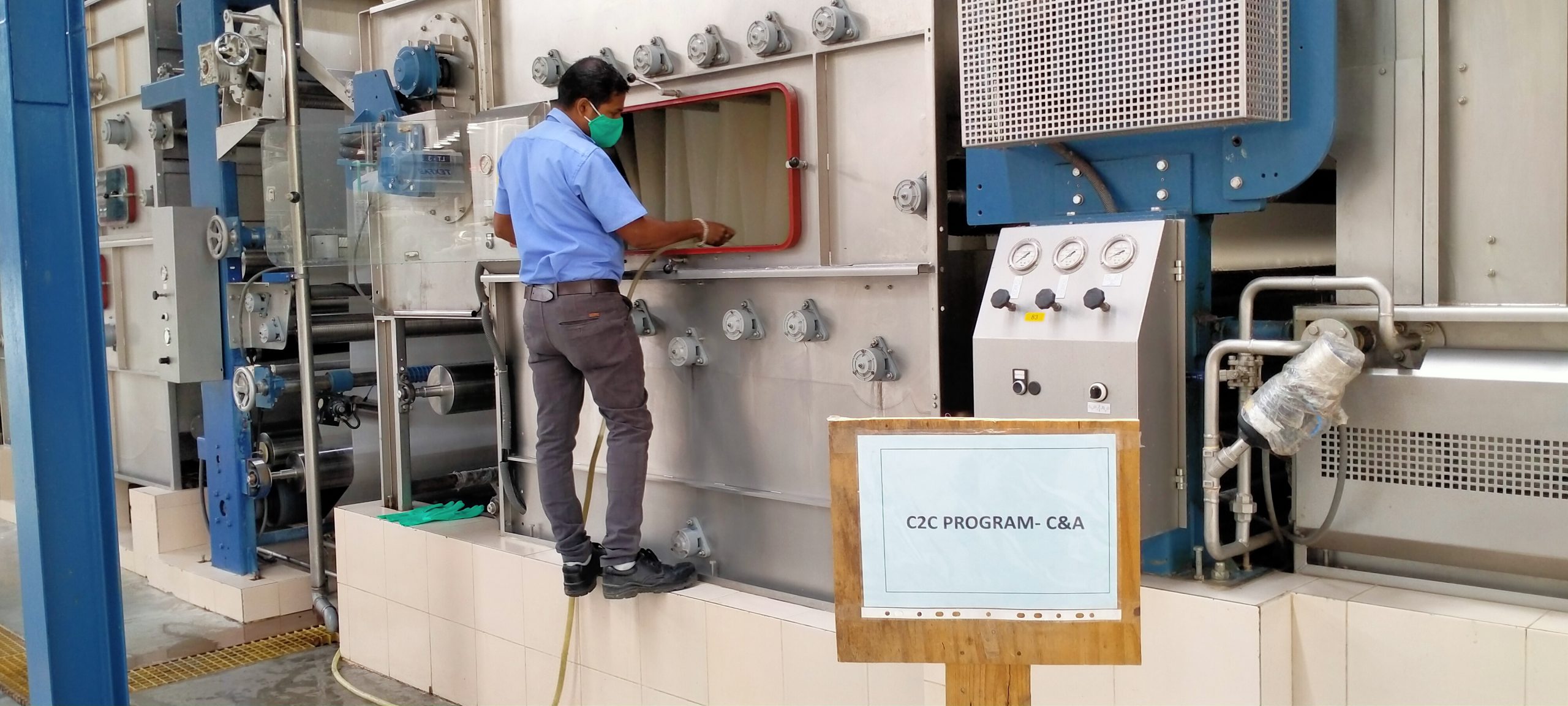
To avoid contamination with other chemicals, we diligently cleaned all the machines and equipment to be used to produce the
Machines were clearly marked and cleaned out for the Arth Collection
Arth collection. The production lines were separated and clearly marked for Cradle to Cradle Certified® production. We used alternative chemicals accepted under the Cradle to Cradle Products Innovation Institute guidelines.
Making a Cradle to Cradle Certified® product definitely demands more investment in raw materials. The key is to find the right blend that synchronizes together. Due to limitations in using chemicals for dyeing, we went ahead with two basic shades for the fabric: Black and Henna. evaluated the Material Health Certificate for products that adhere to restricted substances.
The material chemistry was independently assessed by MBDC Laboratory, USA on restricted substances and impacts on human health and the environment.
Our product developers, designers, and the environment team spent several months inventorying, assessing, and optimizing the material chemistry to achieve the platinum standard on material health and material re-utilization category. A platinum standard implies a material re-utilization score of 100, and the product is actively being recovered by a technical or biological mechanism.
The Footprint
The Cradle to Cradle design principle ensures that the products utilize renewable energy to minimize the release of greenhouse gasses along with efficient use of water during manufacturing. Shahi achieved the gold standard under Renewable Energy and Carbon Management and the platinum standard under Water Stewardship.
A significant factor in achieving this standard has been the state-of-art machinery available at the Wovens Processing Division that optimizes resource consumption throughout the entire process. The garments were made in two units (Unit 9 and 28) that successfully qualified the environmental and social requirements as laid down by the Cradle to Cradle Products Innovation Institute.
Energy
The Wovens Processing Division facility in Shimoga runs on the power produced by our solar grid in Bellary, allowing us access to 96% renewable energy during the production process.
Water The fabric was made in our processing mill, a Zero Liquid Discharge Facility.
Carbon Emissions
Cradle to Cradle certification, in many ways, is a step towards transparency. Accounting for the entire production process to make an authentic carbon neutral product, we purchased carbon credits to balance out the emissions for our boiler and garmenting units which now operate on renewable energy.
Labor and Social Fairness
Our factories run several technical and soft skill training programs to support our workers.
At Shahi, worker wellbeing is of utmost importance. Worker wellbeing focuses not just on providing a safe and healthy environment but also on creating opportunities for their growth. Shahi was the first manufacturer to co-create and pilot Gap Inc.’s P.A.C.E. program. Inspired by the immense power of the program, Shahi co-developed STITCH with Good Business Lab to enhance the core competencies and capacities of the supervisor to manage their key roles effectively. Our homegrown tool, Inache, is another example of our commitment to ensuring a healthy work environment by enabling workers’ voices. Inache is an anonymous two-way communication platform where workers can call or send an SMS about their complaints, grievances, suggestions, or questions. It goes to a central dashboard and then to the designated factory staff for response and resolution. It assists us in continuously monitoring and improving the grievance redressal system that facilitates transparency and a connection between the management and the workers.
These initiatives contributed to our achievement of the gold standard in the social fairness category.
Fair working conditions and respectful treatment of workers go hand in hand with any sustainable and circular venture. The Cradle to Cradle 4.0’s social fairness standards has emphasized ensuring a safe and conducive work environment. The broader focus areas include sound infrastructural arrangements, community engagements, and career growth. These parameters encourage responsible business practices and strong ethics across all stakeholders involved in the supply chain. Social fairness is analyzed under five distinct parameters: Management, Human Rights, Labor, Environment, and Anti-corruption at the facilities.
Building sustained relationships
C&A’s support and eagerness to collaborate in creating this collection revealed how important the role of brands as strategic partners in this effort to transition into a circular economy is. The Global Sourcing and Sustainability team at C&A said,
“Shahi continues to be a steadfast strategic partner for C&A and a driving force for innovation across the global fashion supply chain. When we began bringing Cradle to Cradle Certified® products to market, it was clear that Shahi would be a key partner in scaling Cradle to Cradle across categories. For a product and supply chain to become Cradle to Cradle Certified®, it takes an incredible amount of detail and commitment. However, it takes supply chain partners with a deep understanding of sustainability, innovation, and their importance to customers, brands, and suppliers. Shahi is a leading supplier in this regard, and we are deeply grateful for their continued partnership in driving circular innovation. We look forward to working together to drive to Cradle Certified® innovations and other ground-breaking sustainability initiatives forward.”
Shahi possesses the flexibility to direct resources in testing and refining sustainable and circular products. This allows for a co-creative space for research-based collaboration between brands and suppliers that holds the potential to drive change in the apparel and textiles industry.
Doing more good than less harm
The Arth collection has provided us with lots of learnings. The most crucial is that developing circular products at scale is possible. The need of the hour, is to encourage more conversations and awareness around Cradle to Cradle Certified® products. The demand for such a product must be established from a strategic point of view to build a circular economy collaboratively. Brands and customers form an essential part of driving this demand.
Shahi is looking forward to working with more and more brands on Cradle to Cradle Certified® products and getting closer to bettering our environment and production methods with each step. Its design principles enable a supplier like us to create products while nurturing the planet— doing more good than less harm. With our certified mill, we hope to collaborate with more and more sustainability-driven brands to create products that preserve their value.
Our journey towards a sustainable supply chain does not end here. We have been spearheading textile and garment innovation in India with projects like growing cotton with Superabsorbent Polymer (SAP) in partnership with HKRITA and recycling pre-consumer cotton waste with Usha Yarns, among others.
For business inquiries on Cradle to Cradle Certified® products, please contact: od@shahi.co.in
At Shahi, we believe in sharing our experiences and learning with all the stakeholders in the fashion industry and beyond. This is an ongoing post to share insights from our speaking engagements in 2021. Read insights from previous years’ engagements: 2020, 2019.
December 14, 2021 | SLCP Signatory Webinar
Manjunatha Sriramaiah, Assistant General Manager of Compliance at Shahi spoke at the Social Labour Convergence Program Signatory Webinar 2021 held in December. He highlighted how Shahi became an early signatory to SLCP owing to the program’s numerous benefits, including value-added service for our customers, capacity building for our employees, and the tool’s credibility. Currently, 76% of our facilities have completed the SLCP self-assessment, saving us 4,416 hours due to reduced audits.
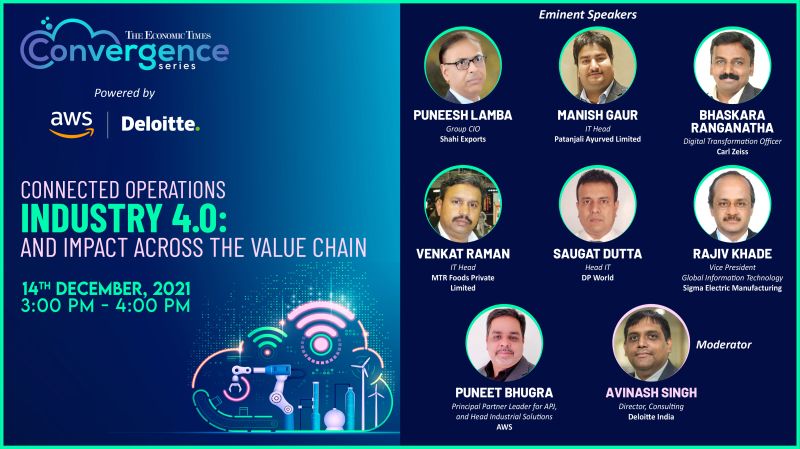
December 14, 2021 | #ETConvergenceSeries Industry 4.0: Connected Operations for smart manufacturing
Our Chief Technology Officer, Puneesh Lamba was featured on a panel at the coveted ET Convergence Series. He spoke about automated and smart manufacturing in the apparel industry and the potential it holds to develop more robust businesses. This panel was organized by The Economic Times and powered by Amazon Web Services (AWS), and Deloitte. Other esteemed guests on the panel represented MTR Foods, DP World, Patanjali Ayurved Limited, Carl Zeiss and Sigma Electric Manufacturing.
December 9, 2021 | Business for Social Responsibility
How to Enable a Just, Fair, and Inclusive Transition to Circular Fashion by BSR
Business for Social Responsibility (BSR) organized this panel discussion to launch the report ‘Keeping Workers in the Loop.’ The conversation revolved around the opportunities around circular fashion while emphasizing its impact on the job market for garment workers, especially women. Gauri Sharma, Senior Manager, Organizational Development, spoke about the context of circular economy and how the responsibility of a manufacturer is not just limited to recycling but also includes women in circular jobs. Incorporating their traditional techniques of repair, upcycle, and the like into the circular models makes for a more collaborative model. We must endeavor to ensure good quality jobs that align with frameworks such as SLCP.
Gauri Sharma, Senior Manager, Organizational Development, was invited to co-host a series on the fourth season of the Manufactured podcast hosted by Kim Van der Weerd. These episodes were in conversation with Matthew Wallace, CEO of DXM. Inc
DXM is a technology-driven on-demand manufacturing company co-owned by Shahi Exports, Brandix, MAS Holdings, Busana Apparel Group, and Carhartt. Gauri and Matthew speak about how building a soft relationship between various stakeholders in the industry is equally important as technological innovation in ensuring circular business models.
The Sankalp Global Summit was a three-day event that saw over 2521 delegates from 104 countries. Rajneesh Rai, General Manager, Environmental Sustainability, spoke on the panel ‘Getting to Net Zero – the Role of the Private Sector’ on Shahi’s tremendous progress and leading the way in being part of the solution by setting bold commitments to reducing the greenhouse gas emissions.
He highlighted some of the key achievements at Shahi, such as the Cradle to Cradle Certification for the ‘Arth Collection,’ declaring Science-Based Targets at some of our factories, among others. He also pointed out how favorable government policies and commercially viable technologies will help stakeholders transform into a sustainable ecosystem.
October 13, 2021 | Sedex South Asia 2021
SEDEX is a membership organization that provides online platforms to manage and improve the working conditions in the global supply chains. Srinivasa Rao Venkatesh, Chief Compliance Officer at Shahi spoke at the ‘Managing Supply Chain Risks in the Textile Industry,’ highlighting some of the risks faced by the industry, such as health and safety, licensing, and working hours.
These further expand to post-lockdown challenges, including job losses, and issues affecting migrant workers. He concluded by enumerating potential solutions we deployed at Shahi to enhance capacity building, monitoring, workforce empowerment, and providing a fair and respectful workplace.
September 9, 2021 | PI Apparel
PI Apparel is a membership community for apparel and footwear manufacturers that engage with the industry’s challenges and technologies. PI Apparel organized a sustainability spotlight in September where our Head of Organizational Development, Anant Ahuja, moderated the session on ‘What are the Practical Steps We Need to Take in Terms of Infrastructure, People & Technology to Underpin a More Sustainable Operation’? The session focused on the culture of sustainability among different organizations and how brands and suppliers can leverage technology to drive sustainability. The key to an impactful journey towards sustainability is collaboration at the core of business models.
September 1-2, 2021 | Thrive 2021, KGA Managers’ Conference
This year, KGA Manager’s Conference engaged with the theme ‘Lead with Empathy, Win with Agility’ to discuss the challenges and risks triggered by the pandemic. Anant Ahuja, the Head of Organizational Development at Shahi, participated in the ‘Sustainability: Imperatives & Roadblocks’ session.
He spoke about how at Shahi, collaboration with brands and research institutions supplement sustainable practices. Examples include the ZDHC Roadmap to zero programs, NIFT Chair 4.0, Cradle to Cradle Certified® Gold products, and a trial with HKRITA. He also shared a few suggestions on how KMART Group as a brand can help suppliers on their journey towards becoming sustainable. Here, sharing knowledge with suppliers, developing a capacity plan, and small interventions such as sourcing closer to the market and consolidation of shipments are a few steps that can considerably impact suppliers.
August 2, 2021 | Tamarind Chutney
A Webinar on ‘Technology and Innovation in Circular Fashion’
The webinar was co-organized by Tamarind Chutney and Chintan (Environmental Research and Action Group) with the support of Fredrik Ebert Stiftung (FES) Foundation. The panelists discussed the growing global recognition for moving from a wasteful linear supply chain to a closed-loop, a circular one.
Gauri Sharma, Senior Manager of the Organizational Development team, spoke about the need for innovations and technology to solve critical challenges and enable this transition. She described how Shahi is working on projects such as Cradle to Cradle products, HKRITA- SAP, microbial dyeing, and recycling, among others. She also spoke about suppliers’ challenges, including the price-sensitive nature of the industry, transactional and short-term relationships with brands, and lack of transparency.
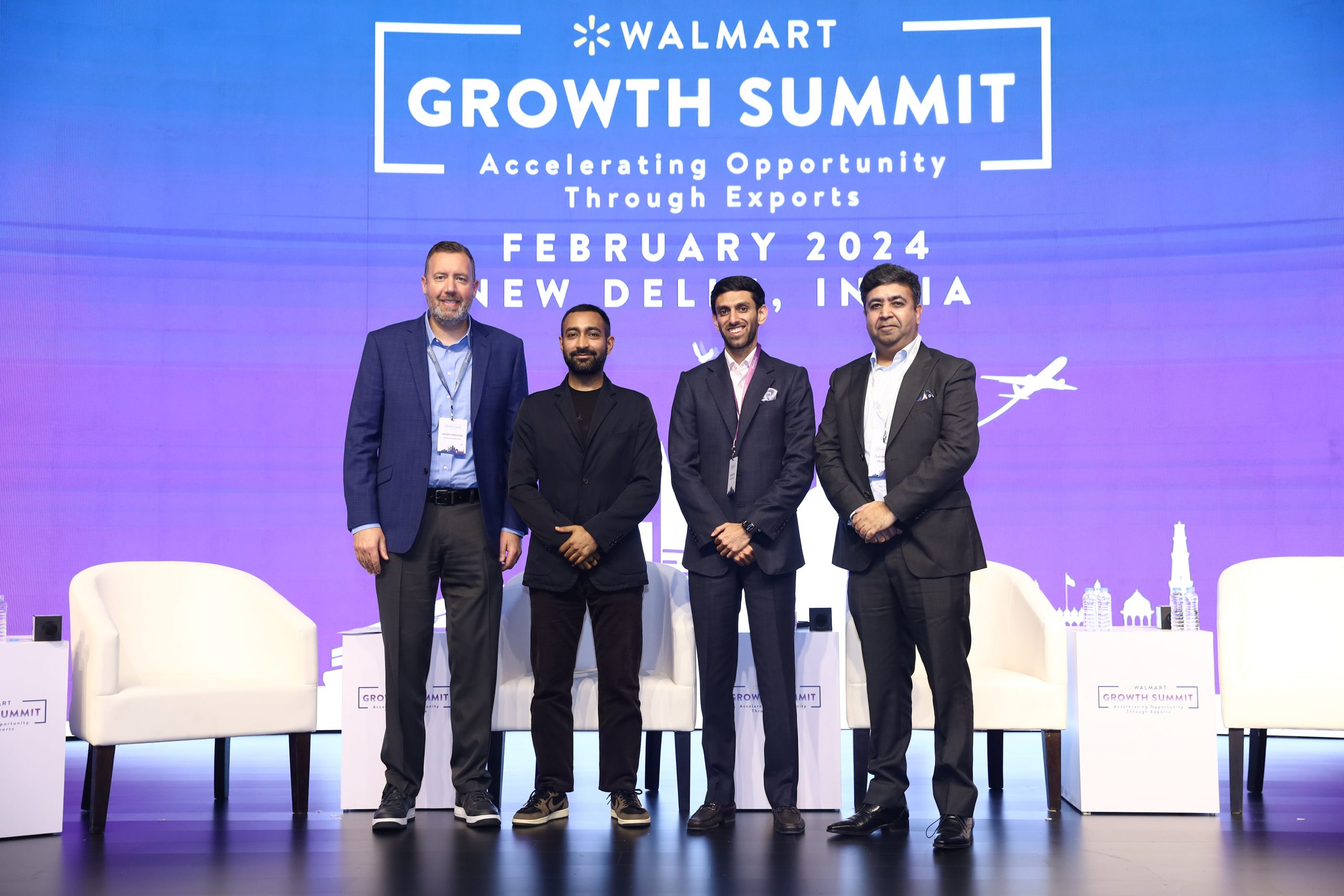
July 15, 2021 | Walmart Global Sourcing Sustainability (Regenerative Retailer) Summit
The summit explored how the suppliers can work together with brands actively to pursue sustainability goals aimed at sourcing responsibly, eliminating waste and emissions, selling sustainable products, and protecting nature.
In the virtual session, he shared Shahi’s vision of ‘doing more with fewer resources’ along with the company’s progress in improving its impact in four distinct areas: energy, chemicals, water, and materials.
June 1-4, 2021 | United Nations Responsible Business and Human Rights Forum
The UN Human Rights Office for Southeast Asia organized five virtual sessions at the 2021 UN Responsible Business and Human Rights Forum. Anant Ahuja, Head of the Organizational Development at Shahi, spoke at ‘The Next Decade of Migration, Fashion and Human Rights’ panel, centered around the role, vulnerabilities, and experiences of migrant workers and the impact of future business trends on them, especially the female labor in the fashion supply chain.
He discussed a few practical examples of how Shahi is contributing to the wellbeing of migrant workers including implementing our skill development program since 2013, establishing the Migrant Support Centre in 2021, and our goal to provide access to vaccines to our entire workforce.
April 27-29, 2021 | Sustainable Apparel and Textiles Conference
The two-day event organized by the Innovation Forum addressed how apparel brands can adapt practices to deliver on growing stakeholder expectations and drive circularity while reducing the climate impact on the fashion supply chain. Anant Ahuja, Head of Organisational Development at Shahi spoke about the challenges, particularly the power imbalance faced in the textile industry, and how adhering to practices such as on-time payments and making long-term commitments with suppliers will help improve the buyer-supplier relationship.
April 13, 2021 | Transformer’s Foundation x Manufactured Live Event
The live panel discussion organized by Tranformer’s Foundation and Manufactured Podcast focused on consolidation and vertical integration in the fashion supply chain in a post-pandemic world, and how vertical integration supports sustainability within the suppliers. Anant Ahuja, Head of the Organizational Development at Shahi, reflected on Shahi’s journey and the values of sustainability and worker wellbeing that have been passed over generations. In the session, we discussed the several benefits of being vertically integrated including improved traceability, speed, cost, and time-saving mechanisms. Shahi hopes to bring together manufacturing expertise to further improve the vertical integration across the industry.
Watch a recording of the full panel discussion:
February 24- 26, 2021 | ReWire: Sustainability 2021
This 3-day virtual event was organized by MOTIF and The Mills Fabrica with selected disruptors in the sustainability industry. The event spotlighted emerging ecosystem standards, new materials, and a pathway towards circularity to fuel innovation across the fashion supply chain.
On the panel, “The infrastructure of sustainability” on February 24, 2021, we talked about our approach towards energy conservation and clean energy transition. In 2019-20, 77% of the electrical energy consumption across Shahi was carbon neutral. On February 25, 2021, we presented our new research project with The Hong Kong Research Institute of Textiles and Apparel. We are reclaiming textile waste to grow cotton more efficiently as a way to support cotton farmers. Register for free to access the session recordings view more.
February 23, 2021 | Manufactured Podcast, Season 3
Manufactured is a podcast started in 2020 to provide an insider perspective on sustainability in the fashion supply chain. Two members of Shahi’s Organizational Development team, Anant Ahuja and Gauri Sharma were invited to speak for the latest double-episode which is now in its third season.
We believe in the power of being transparent, sharing our experiences, and gaining valuable feedback to improve further through platforms like Manufactured. Part 1 of the podcast covers Shahi’s journey over the last 45 years, and our perspective on collaboration between buyers and suppliers to drive sustainability. Part 2 of the podcast covers how Shahi has benefitted from becoming a vertically integrated supplier, and insights on our collaboration to drive circularity in the fashion supply chain.
February 19, 2021 | Hong Kong University of Science and Technology (HKUST), MBA Session on Supply Chain Sustainability
The session organized by HKUST as a part of their MBA Program focused on sustainability considerations in the global supply chains. We were invited as a guest speaker to offer the MBA students a perspective on how Shahi, India’s largest apparel manufacturer, and exporter, embrace sustainability through focused social and environmental initiatives. The interactive session included questions from the students on the challenges of implementing a multitude of worker wellbeing programs, disseminating best practices across the industry, and managing a large workforce during the COVID-19 crisis.
Please write back to us at od@shahi.co.in for more information.
In a massive step towards the transition to the circular fashion industry, Shahi Exports is proud to be the first woven apparel and textiles manufacturer in India to be awarded Cradle to Cradle Certified® Gold under Version 3.1, a globally recognized measure of safer, more sustainable products made for the circular economy. The collection of products that have received this certification is called ‘Arth’ (‘Meaning’ in Hindi) and comprises women’s dresses made for C&A.
“We are grateful to our partner C&A for working with us to create this truly innovative, first-of-its-kind, circular product. At every step of the design process, C&A and Shahi worked together to find the right alternative materials, chemicals, and other raw materials to achieve the Cradle to Cradle Certified® Gold level.”
Cradle to Cradle Certified® is awarded by the Cradle to Cradle Products Innovation Institute, a global non-profit dedicated to powering innovation for the circular economy through products that have a positive impact on people and the planet. Product designers, manufacturers, and brands around the world rely on the Cradle to Cradle Certified Product Standard as a transformative pathway for designing and making products with a positive impact on people and the planet. This certified product standard is rooted in the Cradle to Cradle® design principles established by William McDonough and Dr. Michael Braungart.
To receive certification, products are assessed for environmental and social performance across five critical sustainability categories: material health, product circularity, clean air & climate protection, water & soil stewardship, and social fairness. The product is assigned an achievement level (Bronze, Silver, Gold, Platinum) for each category. Shahi has achieved aPlatinum performance level forMaterial Health, and the Gold level on the other four standard categories. The lead assessment body for this process was Eco Intelligent Growth (EIG) and the material health assessment body was MBDC.
The fabric for the ‘Arth’ collection was made at Shahi’s weaving mill and the garments were stitched at our apparel factory. The entire collection is made using Global Organic Textile Standard (GOTS) certified organic cotton, more than 96% of which is rapidly renewable cotton. Further, 86% of the water used in fabric processing was recycled at our mill having Zero Liquid Discharge. The finished products are 100% carbon neutral. The products are made keeping the principles of circularity in mind and are 100% recyclable.
“The Arth collection is a powerful example of how suppliers and brands can work together to design and create materials and products that meet shared objectives for circularity and sustainability,” said Christina Raab, Vice President of Strategy and Development for the Cradle to Cradle Products Innovation Institute. “By achieving one of the highest levels of Cradle to Cradle certification for the collection, Shahi Exports is not only demonstrating the scope of opportunity for supplier-brand partnerships but also the vast innovation and leadership potential of India’s textile mills.”
The Global Sourcing & Sustainability team at C&A said, “Shahi continues to be a steadfast strategic partner for C&A and a driving force for innovation across the global fashion supply chain. When we began bringing Cradle to Cradle Certified® products to market it was clear that Shahi would be a key partner in scaling Cradle to Cradle across categories. For a product and supply chain to become Cradle to Cradle Certified® it takes an incredible amount of detail and commitment. Most of all, however, it takes supply chain partners with a deep understanding of sustainability, innovation, and their importance to customers, brands, and suppliers. Shahi is a leading supplier in this regard and we are deeply grateful for their continued partnership in driving circular innovation. We look forward to working together to drive Cradle to Cradle Certified® innovations and other ground-breaking sustainability initiatives forward.”