New Delhi, December 16, 2025: Shahi Exports Pvt. Ltd., India’s largest apparel and textile manufacturer, today shared its sustainability progress for Fiscal Year 2024–25. The report underscores the company’s deep commitment to adapt, impact, and inspire sustainability throughout its operations and partnerships, successfully navigating rising global expectations for ethical practices, climate action, and supply chain transparency.
The FY 2024–25 progress report covers the period from April 1, 2024, to March 31, 2025, and primarily focuses on Shahi’s operations in India.
Decisive Climate Action: A Major Shift in Energy
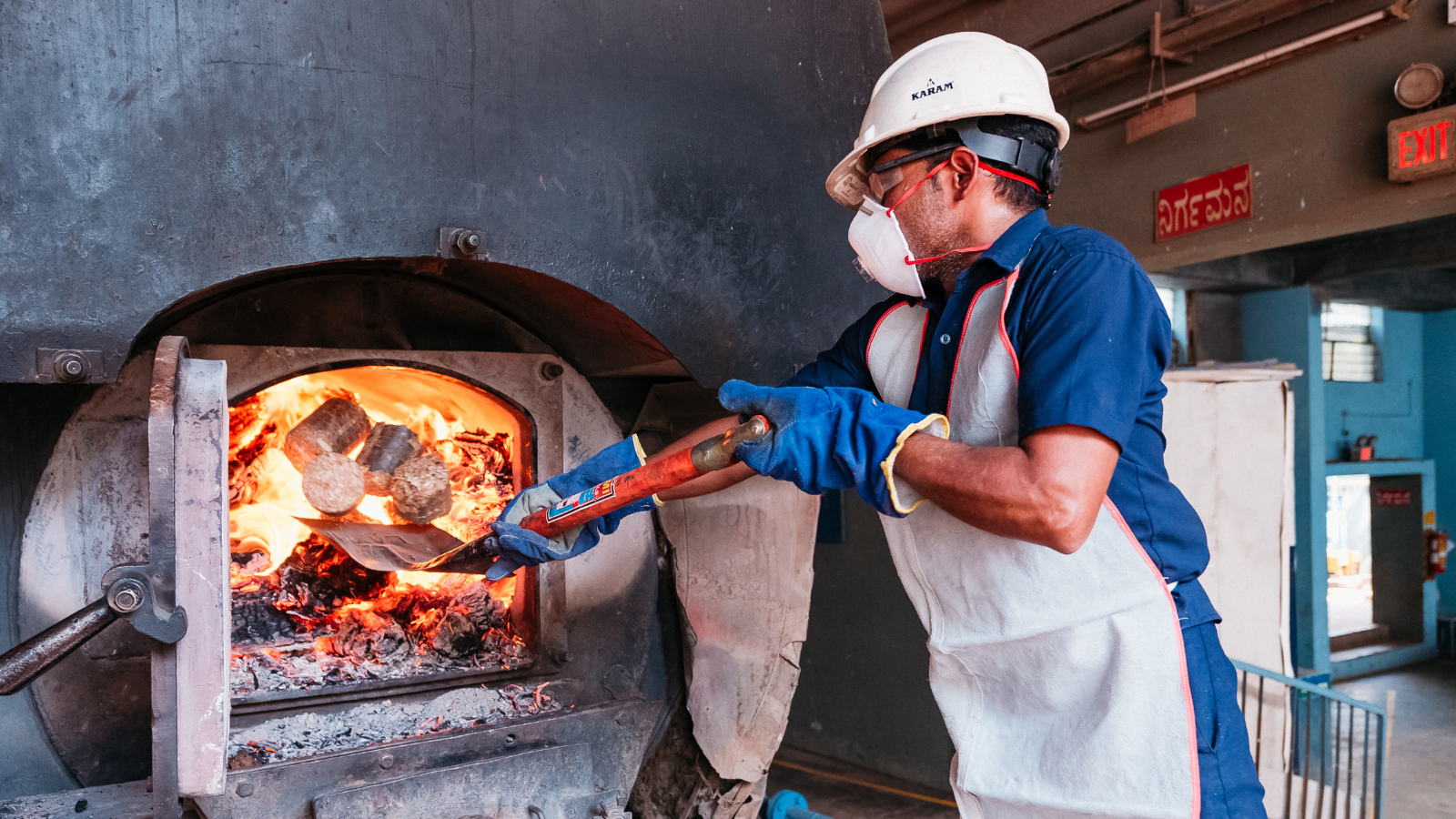
Shahi achieved significant milestones in its environmental journey this year. Driven by a crucial strategic decision to replace coal with sustainable biomass across its facilities. This move directly contributed to achieving a 51% carbon-neutral energy mix, up from 36% in the previous year, and surpassed internal targets earlier than projected.
Harish Ahuja, Managing Director and Chairperson, Shahi Exports Pvt. Ltd., commented,
“Our transition from coal to sustainable biomass was a bold and necessary step, helping us achieve 51% carbon-neutral energy across the company, up from 36% just last year. This progress does not happen by chance. It is a result of detailed planning, relentless execution, and our firm belief that we can and must do better as we transition toward a more responsible energy future.”
Investing in People and Community Well-being
The company placed significant emphasis on social responsibility, delivering substantial progress in employee development, empowerment, and community engagement:
Upskilling and Training: The organization provided over 1 million hours of employee training and delivered technical skills training to 75,000 women.
Worker Health: More than 17,000 workers participated in the company’s health camps.
Worker Voice: Shahi ensured 100% access to Inache, its digital worker-voice tool, enhancing workplace communication and transparency.
Community Outreach: Initiatives dedicated to driving education, health, environment, employment, and empowerment outcomes in communities served over 475,000+ individuals.
Expanding Influence Through Collaboration
Recognizing that industry-wide change requires partnership, Shahi broadened its collaborative footprint this year:
Industry Innovation: Shahi co-founded the Fashion Producers Collective, an initiative focused on supplier-led research to drive systemic improvements.
Global Stewardship: The company continued its dedicated work within The Fashion Pact and further solidified its alignment with international governance standards by joining the OECD Advisory Group on Responsible Supply Chains and theCoalition for Reproductive Justice in Business under UNFPA.
As Shahi moves forward, its objective remains to drive people and planet-positive practices that secure long-term value for all stakeholders and establish new performance benchmarks for responsible manufacturing.
Why Innovation Scaling in Fashion Has an Integration Problem
For the past decade, the fashion industry has pursued innovation in materials, chemicals, and decarbonization with urgency, but one critical factor remains overlooked: supply chain integration.
Brands, funders, startups, manufacturers, and ecosystem partners often operate in silos, despite sharing similar goals. Startups often prioritize partnerships with brands over manufacturers. Brands struggle to make off-take commitments to their manufacturers. Manufacturers are stuck in pilot frenzy, disproportionately bearing financial risk relative to their margins. Funders and VCs sit at a distance from all of this – wondering where to make the most bang for their buck.
True scale is only possible when all four players—startups, brands, funders, and suppliers—work together.
Brands: The Power of the Pull
In fashion, demand signals start upstream. That’s why we begin with brands to convert promising pilots into larger production runs. Here, it’s important to understand the difference between product innovation (like a new material) and production innovation (like a new process). While a new process might offer immediate efficiency gains for a supplier, a new material requires a brand’s commitment to be adopted. But we’re lagging behind as an industry: A report by Fashion for Good states that while 51% of brands have committed to using preferred sustainable materials by 2030, the current global production of next-gen materials is less than 1%.
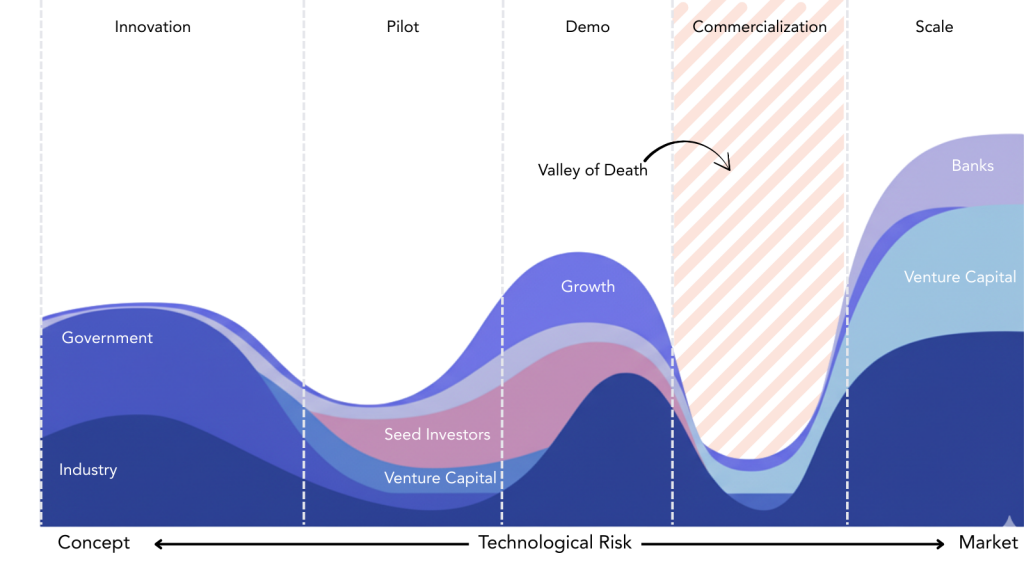
Valley of death
Brands often struggle to “pull” these innovations through long-term offtake agreements due to premium costs or minor quality differences before a startup achieves economies of scale. Brand commitments are crucial in derisking the investment for suppliers and helping innovators survive the “valley of death” — a stage between demo and scaling where innovations sink without the required support. Brand consortia can also play a vital role. For example, Fashion for Good has recently launched two “Fiber Clubs” to generate streamlined demand and provide much-needed orders to mills that have relentlessly tested these materials. This helps prevent pilot fatigue for manufacturers, where different brands conduct similar trials in silos.
Startups: From Brand-First to Supplier-First
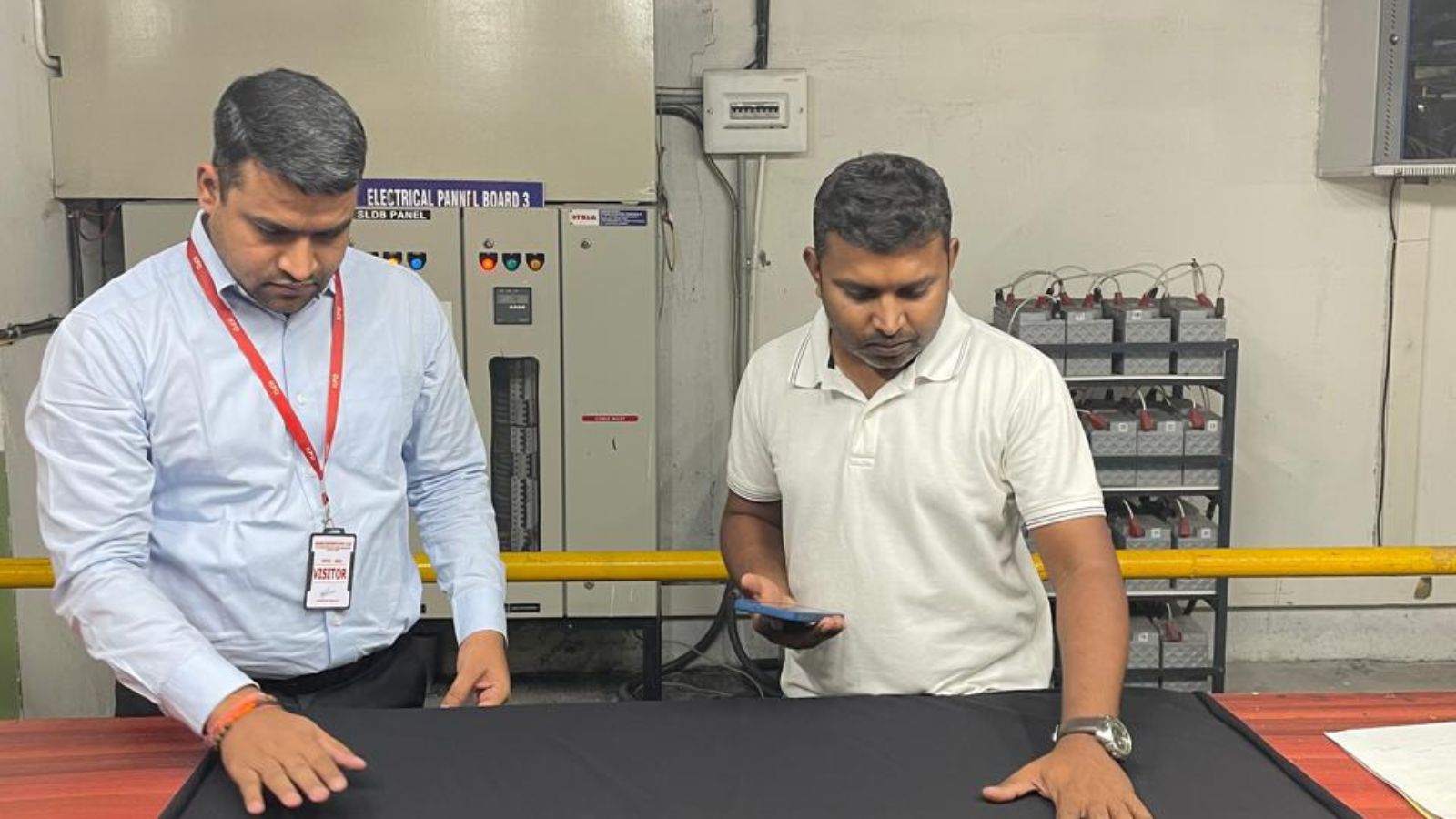
Bio-based prepare-for-dye innovation trial
For Production Innovation, startups must innovate for the manufacturer, not just the brand. Off-take commitments create predictable demand—but demand only converts if plants can actually run the process. That hand-off is where startups must shift from “brand-first” to “supplier-first.”
A successful pilot doesn’t guarantee a viable integration in a factory setting. In our experience, the startups that successfully scale are the ones that prioritize direct partnerships with suppliers. They get on the ground, in the mills and factories, to run pilots, tweak recipes, and build trust. They’ve focused on making their value proposition to manufacturers operating on razor-thin margins clear: reducing costs or improving efficiencies. For example, we’re currently working with a bio-based prepare-for-dye startup that has honed its technology for its mill partners, showing tangible resource savings in steam, water, and time. It took us 18 months to go from pilot to bulk trials, and we are now working with them to forge a long-term partnership.
Funders and VCs: Accelerating Commercial Feasibility
Even supplier-first startups hit a wall if there are financial constraints. This is where aligned capital can be most effective.
Financial institutions, VCs, and philanthropic funds are vital to scaling. By linking directly with suppliers, they can accelerate commercial feasibility and make better-informed investment decisions. Funders want their portfolio companies to have industry linkages for testing and validation, and suppliers hold the technical expertise.
This collaboration moves a technology from theoretical to practical assessment. For example, we’ve worked with a research institution on a grant-funded study on electrification and decarbonization. We were also able to run a grant-funded pilot for an electrical water recycling technology. This helped us move quickly from a theoretical to a practical assessment of the technology for commercialization.
Suppliers: The Technical Heart of Innovation
Financing and studies can de-risk the idea, but suppliers de-risk the integration.
Suppliers are often seen as passive implementers, but they are the technical heart of innovation. They possess the operational know-how to make a startup’s solution industry-ready. By recognizing their power in innovation integration, suppliers can be proactive partners. They are the most savvy and technically sound stakeholders in the supply chain, and they have the knowledge to mentor and guide startups on the viability and scalability of new solutions.
Across these roles, the pattern is clear: demand signal (brands), an impactful idea that can scale (startups + suppliers), and acceleration capital (funders) locked in a single plan—not a sequence of uncoordinated actions.
At Shahi, we have developed a four-part process:
This systematic approach allows us to find solutions that directly address our needs, reimagine ideas that aren’t a win-win, and mentor startups to navigate the complexities of a real production environment.
Define: We frame the problem statement based on the requirements of a mill or business unit. For example, our mills are currently looking for technologies beyond biomass to phase out coal.
Scout: We leverage our network of accelerators and partners to identify startups that solve our problems. For example, we collaborated with a corporate innovation accelerator to host a “Pivot with Purpose” deal flow session, where nine energy startups presented their technologies to our teams.
Direct technical due diligence by engineering experts
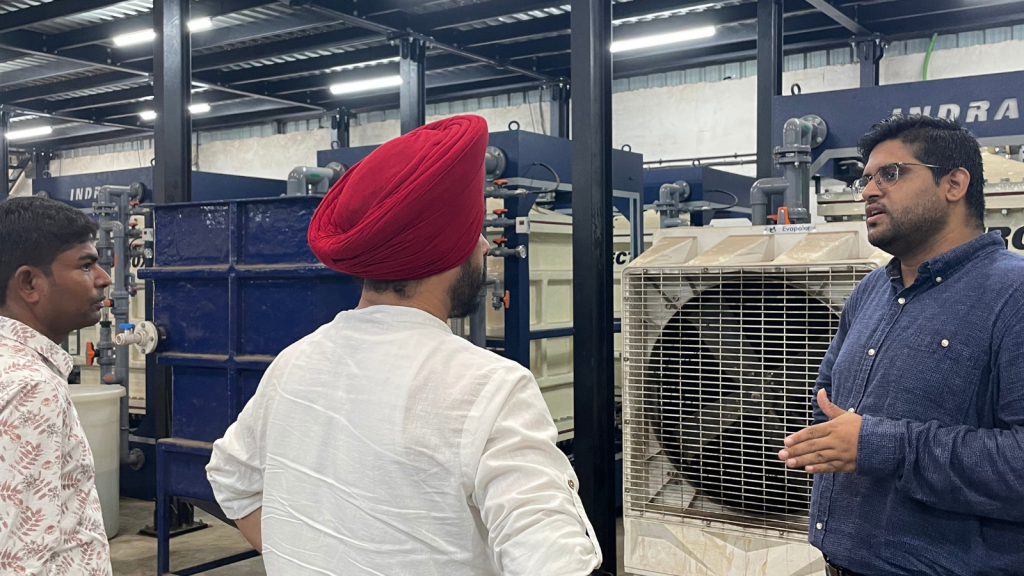
Pilot: We design a pilot plan in a controlled environment with a technical lead. For example, for an electrical water treatment technology, the pilot machine and the startup technician stayed at our facility for 10 days, being closely monitored by our Engineering Head. Together, they determined the efficacy of the solution, tweaking the system as they went along.
Scale: Once a technology clears the pilot and commercial feasibility, it can move into scaling. We recognize that just because something works in a pilot, it may still fail in bulk. If it’s a product innovation, brand pull is needed. For example, we’re currently working with a couple of brand partners to produce bulk orders of a textile-to-textile recycled material.
So what does a new innovation system look like?
If we want to achieve true decarbonization and circularity by 2030, we must move beyond pilots that don’t scale. One-off experiments waste time, while integrated partnerships change systems. That means: brands committing to off-take instead of just targets; startups optimizing for factory floors, not press releases; funders underwriting the uncertain middle, where risks are highest but impact is proven; and suppliers leaning in to this process to make innovations industry-ready.
At Shahi, we’ve built our Define–Scout–Pilot–Scale model to make this kind of integration practical and repeatable. We frame the problem with our mills, bring in the right innovators, and only scale when economics and reliability are clear.
If you’re a brand, startup, or funder ready to co-design the future of sustainable fashion,
* S. Barr, T. Baker, S. Markham, A. Kingon, “Bridging the valley of death: lessons learned from 14 years of commercialization of technology education”, Academy of Management Learning and Education, vol. 8, no. 3, pp. 370-388, 2009.
The manufacturing sector in India currently contributes 17% to the nation’s overall GDP. India has the advantage of a young and ambitious demographic dividend. Therefore, it aims to reach 25% of its economic output from the manufacturing sector by FY 2025-26. Several factors can fuel this growth: government initiatives, a young workforce, rising domestic demand, and global supply chain shifts. The textile industry plays a vital role in the manufacturing sector, contributing 13% to the overall industrial production. It is the country’s second-largest employer after agriculture. The industry plays a crucial role in job creation and warrants an in-depth study to identify the challenges and opportunities ahead.
To understand the sector’s unique challenges, the Foundation for Economic Development (FED) conducted a comprehensive case study. The study focused on Shahi Exports, India’s largest apparel manufacturer. FED is an organization focused on promoting sustainable economic growth through research, data-driven insights, and strategic partnerships. It aims to provide key stakeholders with the knowledge needed to address challenges and support development across industries. Shahi’s 50-year journey provides a valuable perspective on both the opportunities and challenges within the Indian textile industry.
FED’s Analysis of Shahi and its Manufacturing Roadmap
In the case study, ‘Shahi Exports: Stitching India’s Manufacturing Success,’ FED examines Shahi’s history, evolution, and strategies for navigating India’s manufacturing challenges. Shahi’s rapid and sustained growth, high employment rates, and prominent presence in this labor-intensive industry made it a focal case.
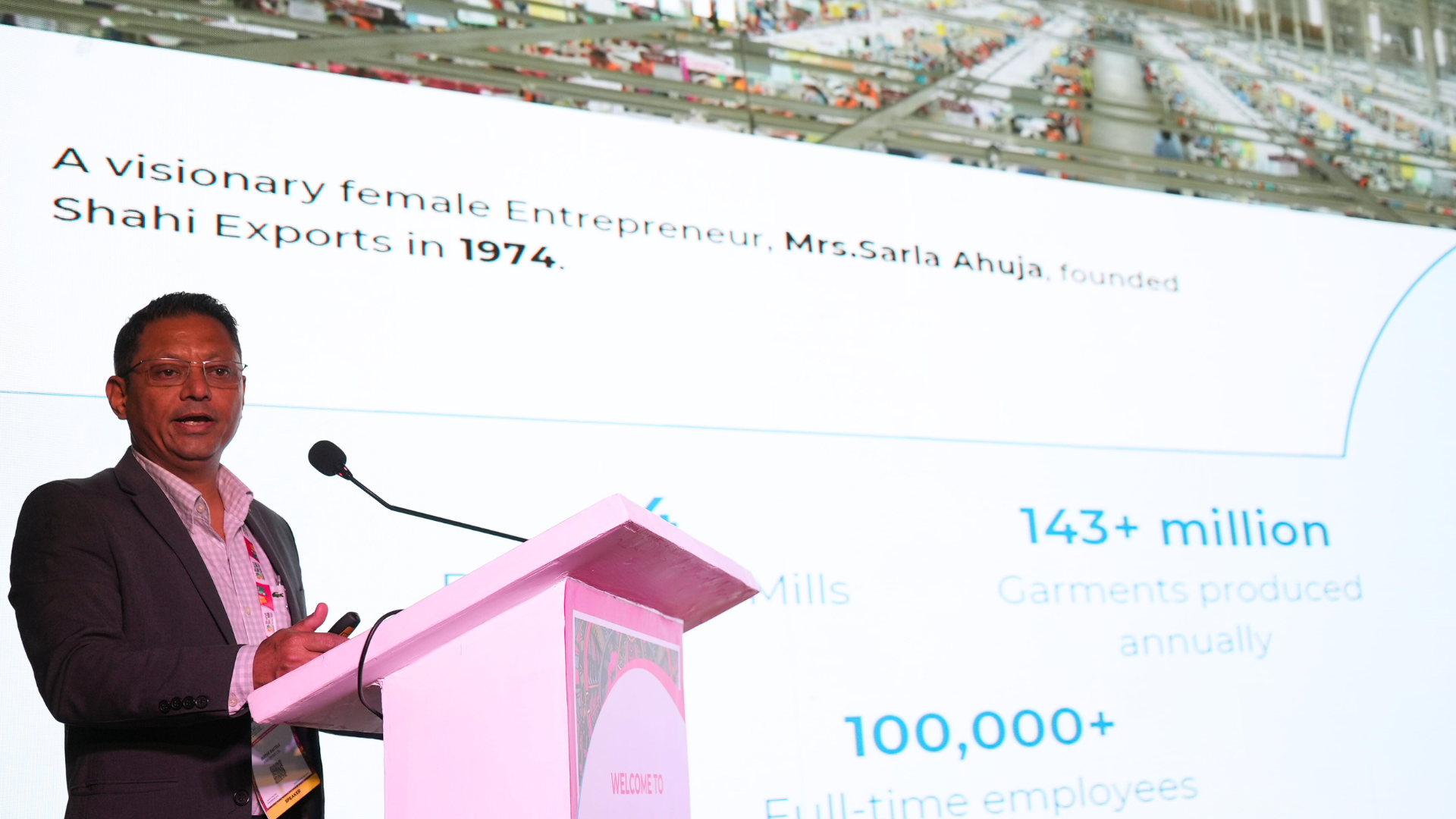
FED’s study highlights the challenges that limit India’s ability to leverage its demographic dividend in manufacturing. These include a strict and complex regulatory framework, lengthy compliance management, customs and trade barriers, and logistical constraints from a highly fragmented textile supply chain. Such factors make it difficult for large-scale manufacturers to thrive. FED’s study examines Shahi’s journey and the factors contributing to its growth. From a small home operation with fewer than 15 employees, Shahi has grown into a major employer. Today, it supports over 100,000 individuals, 70% of whom are women. Shahi’s emphasis on leadership management, high operational efficiency, and a commitment to people and the planet have stood out in FED’s analysis. Here are the identified practices that have driven growth:
Professional Management in leadership and decision-making
Operational Efficiency through Vertical Integration
Scaling operations across 8 Indian states
Worker-centric policies catering to career, health, and skill development
Industry-Research Collaboration and Actionable Insights
The FED study offers a comprehensive view of the industry’s unique challenges, comparing India with competitors like Vietnam and Bangladesh. It is a combination of academic and industry perspectives, bringing structured methodology and actionable solutions.
This study also serves as a reminder of the importance of industry partnerships. These partnerships lay a foundation for targeted actions that stakeholders can implement effectively. Building on these insights, the analysis provides a more holistic view of the opportunities that need the synergy of stakeholders across the private and public sectors. Key enabling conditions and ethical business practices can propel the Indian apparel and textile industry towards sustainable growth. To get a holistic view of the study’s insights, read the case study here.
Bharat Tex 2025, held at Bharat Mandapam, New Delhi from February 14-17, served as a crucial platform for industry leaders, policymakers, and innovators to converge and chart the course for the future of textiles. As a NextGen Partner, Shahi Exports played a prominent role, driving conversations around sustainability, technological advancements, and workforce development.
Prime Minister Modi’s Visit and Interaction
Honorable Prime Minister Shri Narendra Modi visited Shahi’s display and discussed the future of the textile industry with Harish Ahuja, Managing Director and Chairperson at Shahi Exports. They explored strategies to advance sustainability, technology, and workforce development.
Reflecting on the industry’s direction, Harish Ahuja stated, “The future of India’s textile sector lies in collaboration, innovation, and sustainability. Platforms like Bharat Tex provide valuable opportunities for industry and policymakers to work together. We appreciate the government’s initiatives and remain dedicated to contributing to this shared vision.”
The Prime Minister also had the opportunity to meet Harshwati, a worker trained under the Samarth scheme. Harshwati shared her inspiring story of transformation, demonstrating how skill development programs can create real employment opportunities. She explained how 40 days of free skill training empowered her to operate various machines and become a skilled worker at Shahi, giving her a sense of independence and pride. Expressing her gratitude, she said, “Mai SAMARTH se Samarth ho gayi hu (SAMARTH has empowered me).”
Government Engagement Underscores Collaborative Approach
Key government officials visited Shahi’s stall over four days. Shri Giriraj Singh, Minister of Textiles; Smt. Neelam Shamirrao, Secretary; Shri Rohit Kansal, Additional Secretary; Shri Ajay Gupta, Joint Secretary; and Shri Pabitra Margherita, Minister of State for Textiles engaged in discussions. These interactions reinforced the importance of industry-government collaboration to drive growth and innovation in textiles.
Bringing the Manufacturer’s Perspective to Industry Panels
Our leaders participated in key panel discussions addressing industry challenges and opportunities.
Harish Ahuja discussed manufacturing growth at ‘Scaling up Textile Manufacturing in India: Grabbing Opportunities, Addressing Challenges’ by KPMG.
Anand PB, Director, Corporate Affairs, explored investment opportunities at ‘Unlocking Karnataka’s Growth Potential: Investment Opportunities in a Progressive Ecosystem’ by the Karnataka State Government.
Anant Ahuja, Director of ESG and Sustainability, spoke at ‘Sustainable Futures: Collaborative Pathways’ conducted by NIFT.
These sessions brought a range of partners and key stakeholders together from across the supply chain to discuss critical aspects of sustainability, supply chain complexities, industry roles in decarbonization, and government collaboration.
Shahi’s NextGen Display: Innovation and Legacy
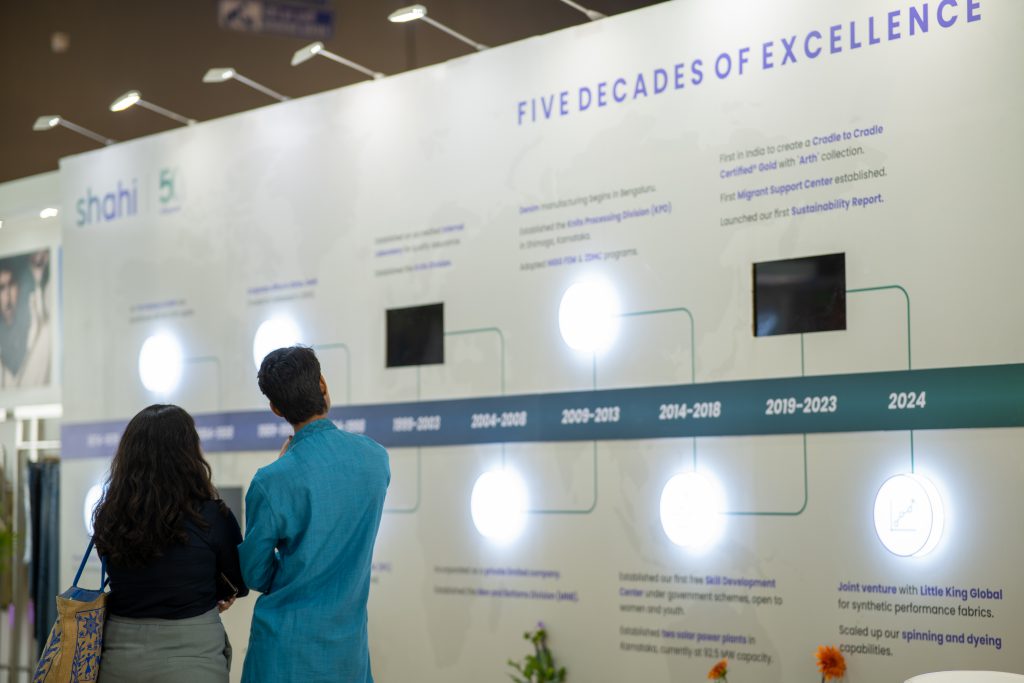
Shahi’s stall embodied its legacy of excellence and its next-gen approach to manufacturing. The Milestones Wall illustrated key achievements, mapping the company’s journey in the textile industry. The product display featured cutting-edge fabrics designed for both innovation and environmental responsibility. As a NextGen Partner, Shahi continues to push the boundaries of textile manufacturing, integrating tradition with modern advancements.
At the Sustainability Pavilion: A Five Elements Approach
Inspired by Prime Minister Modi’s vision for Mission LiFE—”Mission LiFE borrows from the past, operates in the present, and focuses on the future”—the Sustainability Pavilion depicted initiatives by Indian industries that resonate with the five elements. Shahi demonstrated its commitment to representing the element Fire (अग्नि), signifying Energy and Transformation to this vision. Empowering employees through transparent grievance redressal systems and multilingual communication reflects our commitment to the energy of transformation, driving innovation and collaboration.
Bharat Tex 2025 provided valuable engagement with policymakers, industry leaders, and stakeholders. We are grateful to all visitors and partners for their insightful discussions. Looking ahead, Shahi remains dedicated to innovation, sustainability, and strengthening India’s position as a global textile leader.
Albert Einstein famously said, ‘We cannot solve our problems with the same thinking we used when we created them.’ This insight couldn’t be more relevant in global efforts to decarbonize. For the fashion industry— responsible for up to 10% of global carbon emissions; a major problem to solve is halving its emissions in the next five years. With up to 80% of those emissions coming from supply chains, manufacturers like Shahi bear the heaviest responsibility. Accelerating progress on these fronts will require new ways of thinking and working.
How do manufacturing companies lead this transition while navigating financial risks and technological challenges?
This article explores the steps we are taking toward renewable energy and how collaboration between brands and stakeholders is key to unlocking sustainable solutions.
Breaking down energy consumption in manufacturing
Our operations rely on two types of energy: electrical and thermal. Electrical energy powers daily activities, while thermal energy, mainly from boilers, generates steam and hot water for processes like dyeing and finishing fabrics.
At Shahi, 81% of our energy comes from thermal energy due to our large textile operations, with the rest coming from electricity. While renewable electricity has been the industry’s primary focus, phasing out fossil-fuel-based thermal energy in textile production is where the biggest impact of decarbonization lies.
Toward 100% renewable electricity at Shahi
Over the past decade, we’ve invested heavily in renewable electricity, reaching 65% renewable energy for our operations. Supported by favorable government policies, in 2018, we strategically invested in two solar plants with a combined 84 MW capacity and 8.75 MW of wind power in Karnataka. These plants generate 130 million kWh annually, cutting over 610,000 metric tons of CO2 emissions since 2018. This year, we’re expanding with a 40 MW solar project in Karnataka and smaller ones in Uttar Pradesh and Tamil Nadu, bringing our renewable capacity to 151 MW.
Driven by our commitment to sustainability, we are working toward 100% renewable electricity by 2027.
Phasing out coal in our operations
By 2022, we successfully transitioned all our garment factories from coal to biomass. The greater challenge lies in our textile mills, which require hundreds of tons of coal daily to operate. The UN The Fashion Industry Charter for Climate Action mandates that brands should not onboard any new factories and mills that use coal. This significantly accelerates the timeline for phasing out coal set by the Paris Agreement, which permits non-OECD countries until 2040. However, the Charter also states that brands should establish engagement and incentive programs to support their suppliers’ transition from coal. Thus making collaboration and a willingness to share risks essential.
We are addressing this by rapidly increasing biomass use, a carbon-neutral alternative. One of our mills has been 100% coal-free since December 2023, and two will be 50% coal-free by January 2025.
Challenges of decarbonizing thermal energy
Replacing coal with biomass as a fuel source requires substantial upfront investments from suppliers. For each of our 50 factories and 3 textile mills, we’ve invested substantially in biomass-enabled systems, including Atmospheric Fluidized Combustion (AFBC) boilers, Thermopac systems with electrostatic precipitators to capture fine particles, expanded biomass storage facilities, and automated ash handling plants to reduce health risks.
Sourcing and handling biomass also present challenges. Building a reliable supplier network is crucial to mitigate seasonal fuel fluctuations and ensure a steady supply chain. In India, like most of the world, biomass is still an informal industry compared to coal, which is well-established. To address the challenge of the biomass supply chains, we’re collaborating with biomass aggregators and experts to assess local agricultural waste availability. Our goal is to vertically integrate our biomass supply.
This, however, would be a temporary solution that will need replacing with more sustainable options, requiring additional investments in the future. We are excited by upcoming technologies such as green hydrogen, electric boilers, and heat pumps.
A study in India shows that electric boilers and heat pumps are capital-intensive and are likely to increase the cost of operations, driven by the price of electricity, which is higher than the current fuel prices per unit of energy. While the return on investment for these technologies is yet to be determined, and given that textiles is a low-margin industry, manufacturers need government and brand incentives to help switch to newer, cleaner technologies. Further, to drive emissions down further, it’s important that the national grid procures increasing amounts of clean electricity and shifts away from fossil fuels overall.
Collaboration as a catalyst for change
While the major impact of climate change lies in the supply chain, the entire value chain, including brands and other important stakeholders, must share responsibility for climate action. Collaboration with brands and stakeholders is key to reducing the risks of transitioning away from fossil fuels and creating innovative solutions that can be scaled and adopted.
First, it is crucial to accelerate R&D to find alternatives to biomass. Decarbonization isn’t just a fashion industry issue; it’s a global challenge that requires cross-industry collaboration. For example, we can learn from the tech industry, which is adopting renewables as its energy demand increases significantly with the rise of AI.
Second, sharing the financial burden requires not only brand support but also financial institutions. Manufacturers can benefit from funding for higher-risk, long-term investments, such as infrastructure changes needed for climate adaptation that go beyond debt.
Finally, reimagining suppliers as value-adding co-creators rather than just implementers ensures sustainability strategies align more closely with real-world operations.
By aligning goals, pooling resources, and fostering transparent partnerships, we can develop scalable, unified solutions to decarbonize the industry.
We are excited to launch the third edition of our sustainability report, ‘Moving the Needle: Adapt, Impact, Inspire.’ In FY 2023-24, we focused on adapting to change, driving impact, and inspiring efforts across the value chain.
This year, we have deepened our dedication to sustainable practices for both people and the planet. We’re advancing environmentally conscious actions across our operations to ensure a circular value chain.
Anant Ahuja, Director of ESG and Sustainability at Shahi Exports, said,
“The Sustainability Report has allowed us to track our progress more closely and reflect on both our immediate and long-term strategies. Many of the sustainability challenges the industry faces require innovative solutions, and the data in this report enable us to better understand where to accelerate our innovation efforts and where we are making measurable progress.”
Key highlights from the report:
TO ADAPT:
Our journey of adaptation aligns with industry shifts and environmental sensitivities, leading to strategic enhancements in governance and operations:
Established a dedicated governance team in FY 2023-24 to uphold accountability.
Partnering with next-gen material and dry processing innovators. We ensured that 50% of the materials we use fall under the sustainable category.
Adapted to the evolving legislative landscape as our Knits Processing Division became one of India’s first mills to undergo the Yarn Ethically and Sustainably Sourced Assessment.
Scaling our flagship digitization project, ‘Trakwel’, across factories.
TO IMPACT:
Our efforts aim to create a positive impact on our workforce, communities, and the planet. In FY 2023-24, we implemented key initiatives to enhance sustainability and social responsibility, achieving meaningful outcomes:
People:
Achieved 106% of our STITCH program supervisor training goal.
Reached 106% of our goal to train women in Gap Inc. P.A.C.E.
Surpassed training goals with 110% completion in BSafe- Grievance Redressal Mechanism awareness.
Reached 98% of skill development targets with local communities.
Reached 20,590 mothers and children under our Maternal and Child Health and Nutrition services, meeting 137% of our goal.
Introduced EWASE (Empowering Women at Shahi Exports) to champion gender equality and support women in advancing to leadership roles.
Planet:
Achieved 100% coal phase-out in one of our mills.
Scored 68.92% of verified Higg FEM Index Version 4.0 score against a global avg of 48.08%.
Achieved 78% recycled water usage for industrial purposes in our textile mills
100% of the dyes and auxiliaries used in our production processes are ZDHC MRSL compliant.
Achieved a CDP score of ‘B’ compared to the global average of ‘C’.
TO INSPIRE:
A key objective is to inspire industry-wide change and elevate standards for environmental and social responsibility. To advance this goal, we’ve partnered with leading organizations:
Fashion Pact: Serving on the Fashion Pact Steering Committee, we engage and collaborate on critical industry and environmental issues. This helps us share a supply chain partner’s perspective and learn from the industry’s best practices.
Transformer’s Foundation: Collaborated with The Transformers Foundation and peers like Epic Group, Simple Approach, and Norlanka to create An Apparel Supplier’s Guide to Key Sustainability Legislation, outlining 12 upcoming laws in the US, UK, and EU.
Fashion Producer’s Collective: Serving on the Producer Committee to amplify producer voices, share knowledge, and drive sustainable fashion leadership.
International Apparel Federation: Joined the federation to strengthen sustainable supply chains, industry standardization, and inclusive solutions.
Harish Ahuja, Managing Director and Chairperson of Shahi Exports, said,
“As we enter our 50th year, we’re excited about what lies ahead. Our roadmap focuses on diversifying our product portfolio, prioritizing sustainability, and investing in our people. We look toward a more circular future as we remain steadfast in our role as catalysts for change.”
At Shahi, we believe in sharing our experiences and learning with all the stakeholders in the fashion industry and beyond. This is an ongoing post to share insights from our speaking engagements in 2024. Read insights from previous years’ engagements: 2023, 2022.
4 September | Innovation and Technology Symposium 2024
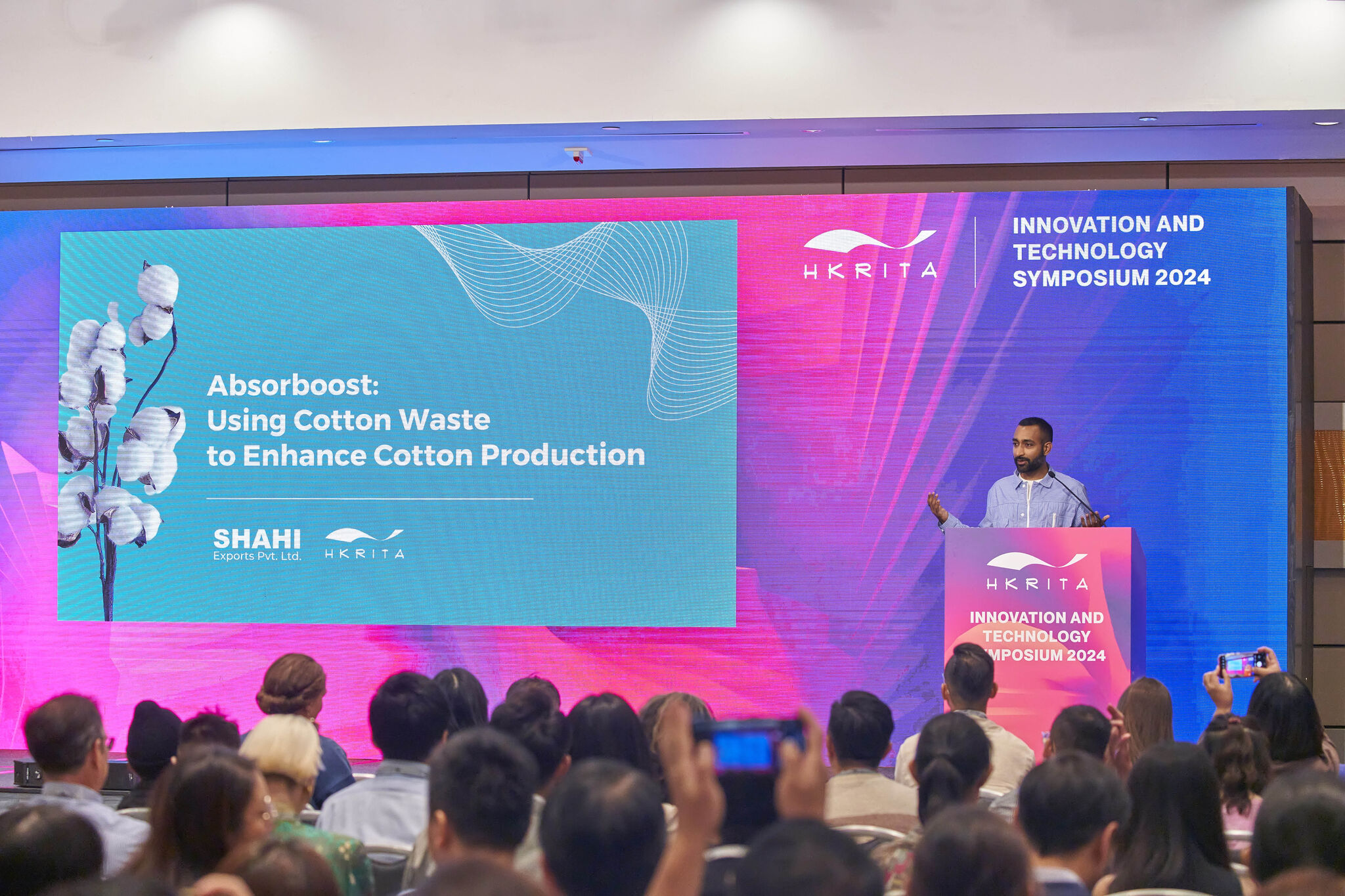
Anant Ahuja, Director of ESG and Sustainability, participated as a speaker at the HKRITA – The Hong Kong Research Institute of Textiles and Apparel Limited’s I&T Symposium 2024. The symposium explored turning lab innovations into real-world applications that drive meaningful change across fashion and textiles.
Anant’s session on ‘Scaling Innovation in Textile Manufacturing’ highlighted Shahi’s collaborative efforts with HKRITA in developing Aborboost- a cellulosic superabsorbent polymer (C-SAP) made from cotton textile waste. This development underscores the need for a closed loop in textile waste management systems that help farmers and the environment.
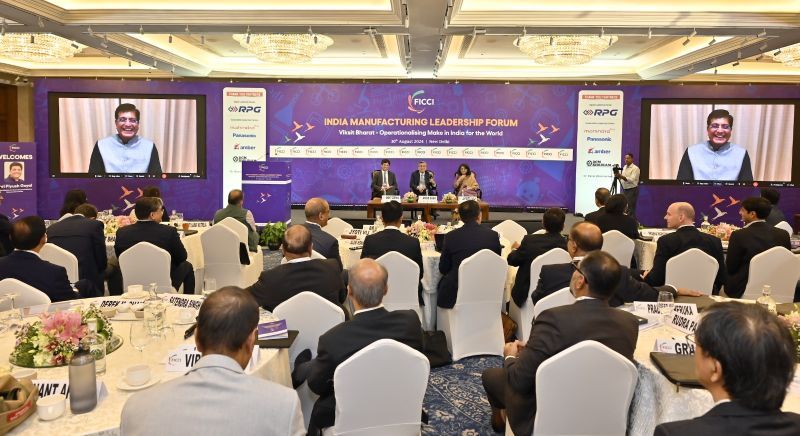
30 August | Indian Manufacturing Leadership Forum
Anant Ahuja attended the International Manufacturing Leadership Forum, organized by the Federation of Indian Chamber of Commerce (FICCI). The forum focused on strengthening India’s manufacturing competitiveness. Industry leaders gathered to discuss challenges and strategies that can position India as a global manufacturing hub.
The discussions explored actionable steps to advance the Make in India vision. Participants also called for supportive government policies. The event emphasized collaborative efforts essential for building a robust manufacturing ecosystem that boosts India’s global economic standing.
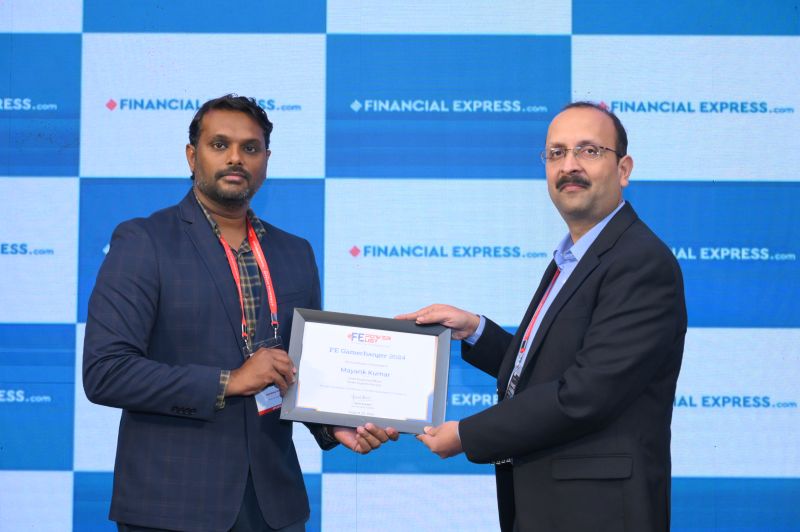
23 August | Finance Leadership Dialogue
Mayank Kumar, CFO of the Ladies Speciality Division (LSD), represented Shahi at the second edition of the Finance leadership dialogue hosted by the Financial Express in association with Oracle.
The dialogue saw an exchange of ideas on ‘Technological Innovation Changing Financial Landscape.’ Several industry leaders came together to discuss the impact of technology in a digital-first era. They explored the shifting nature of a CFO’s role, emphasizing the incorporation of innovation and analytics by the businesses. The dialogue aimed to foster collaboration to address key challenges and identify opportunities in today’s evolving financial landscape.
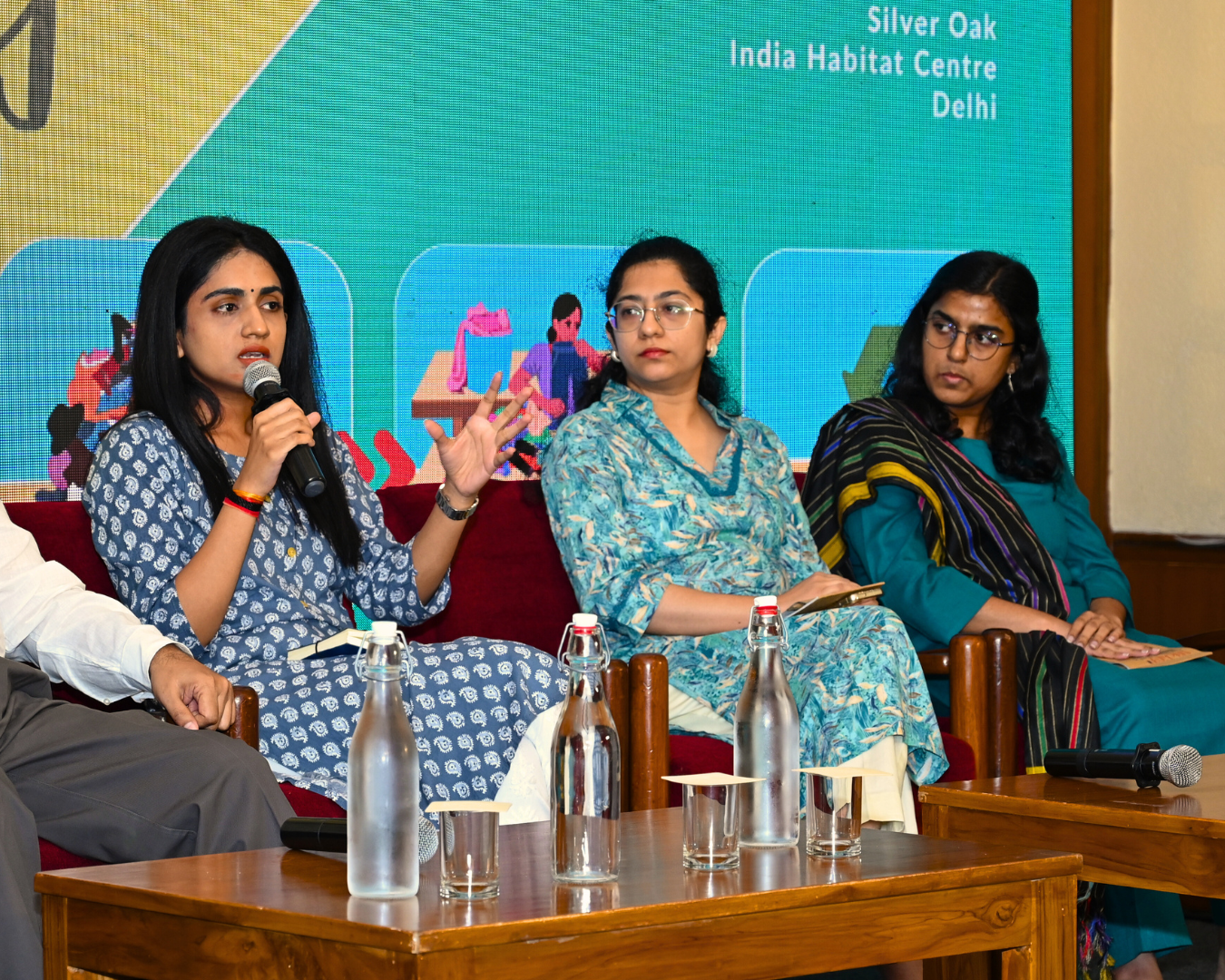
5 August | The Good Business Forum: Redesigning the Bottom Line
Shahi participated in ‘The Good Business Forum: Redesigning the Bottom Line’ event organized by Good Business Lab at the Bangalore International Centre. The forum brought together industry leaders and innovators to explore the impact of worker well-being on global competitiveness.
Anant Ahuja opened the event with a keynote on sustainable practices. Shahi’s involvement extended to two panels. Senior GM Chitra Prasad joined the panel titled ‘Shared value creation requires co-designing with stakeholders’, discussing collaborative designs for behavioral change with peers from RISE and TATA Motors.
In another panel, ‘Worker voices empower business transformation’, Shahi’s S.R. Divya, Operator, and Shabana Banu, IE Assistant, shared their insights, underscoring the importance of worker voices in the evolution of a business.
28 June | Stitching Sustainability: Change With Every Thread
Kritika Chauhan, Manager of ESG & Innovations, participated in a panel discussion at the “Stitching Sustainability: Change With Every Thread” event organized by Saahas and GIZ. She spoke about Shahi’s waste management and circular models for textile waste.
Kritika emphasized the importance of R&D, innovation, and embracing recycled materials along with the potential of bringing new technologies to India.
The event focused on sustainable practices in the textile industry, exploring opportunities and charting a path forward.
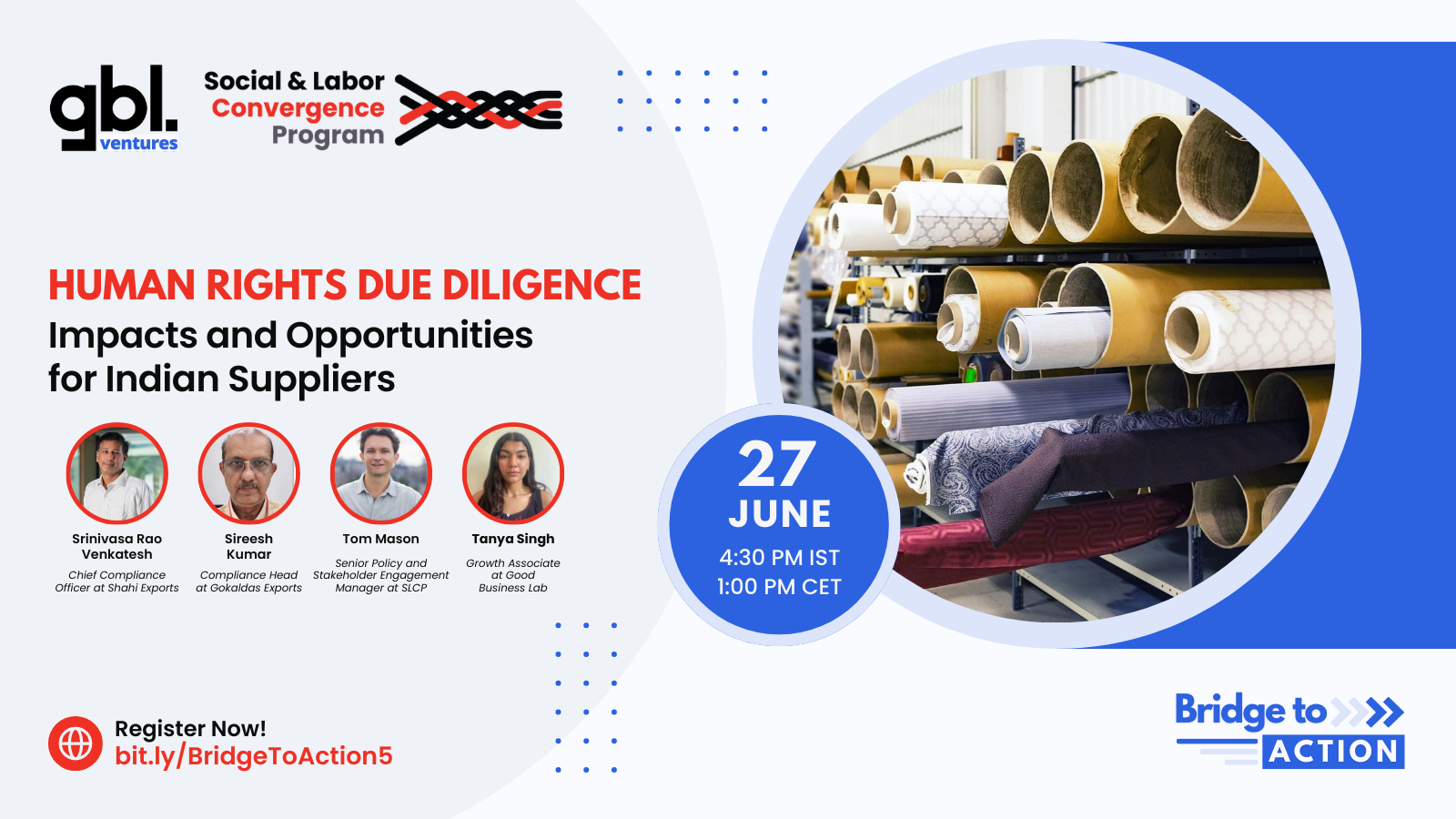
27 June | GBL X SLCP | Human Rights Due Diligence: Impacts and Opportunities for Indian Suppliers
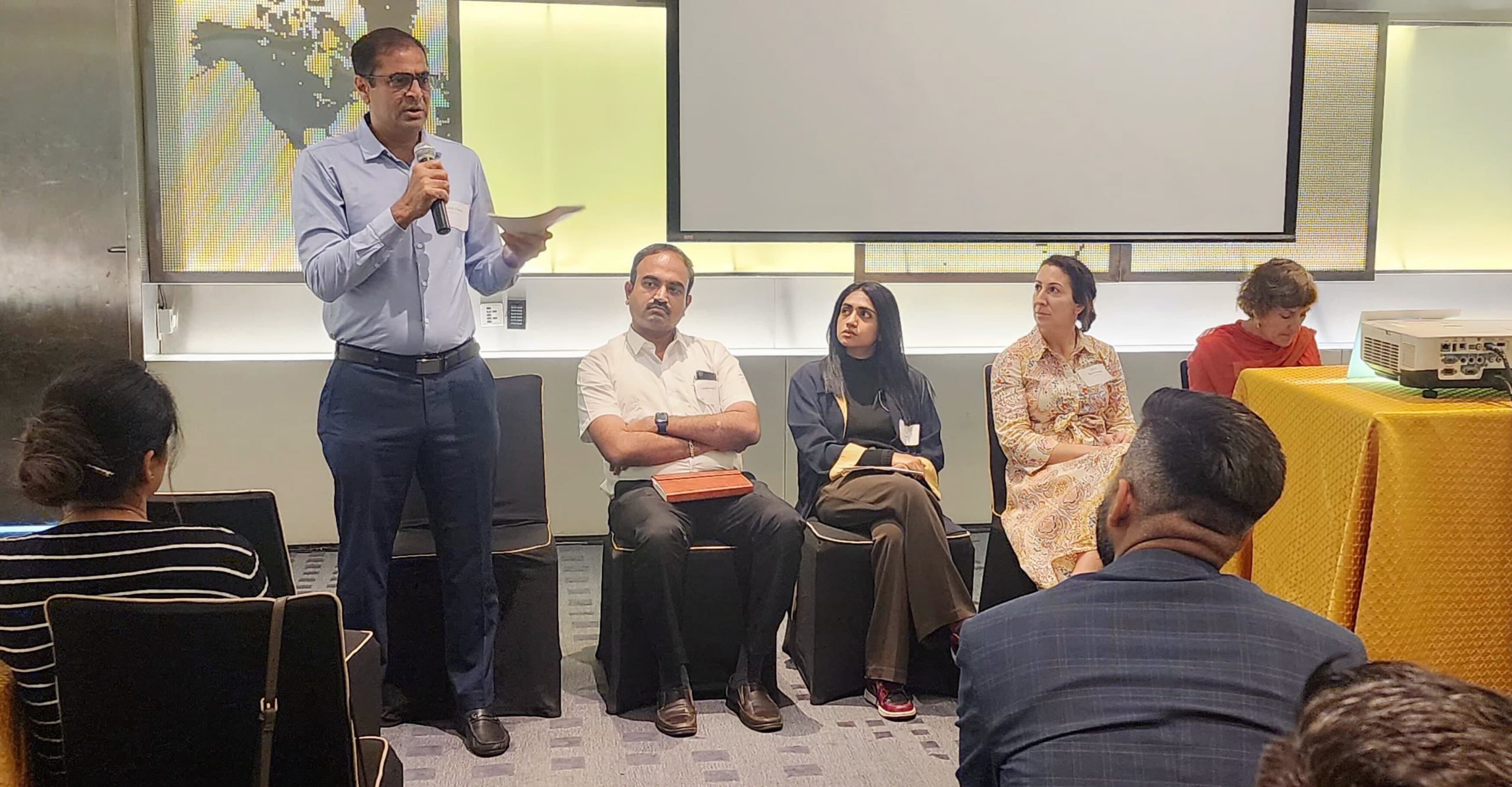
Srinivasa Rao Venkatesh, Chief Compliance Officer, attended a panel discussion on Human Rights Due Diligence: Impacts and Opportunities for Indian Suppliers along with the speakers from GBL, SLCP and Gokaldas Exports.
The panel emphasized supporting suppliers and understanding their perspectives, highlighting the role of social compliance tools and grievance solutions in meeting requirements and fostering business success. They underscored the transformative impact of effective communication with workers and grievance redressal mechanisms on organizational change and benefits.
Mr. Rao mentioned transitioning from diversity to convergence to improve due diligence. Shahi established a governance team to oversee worker risk, health, safety, and compliance, leading to the development of Inache, a platform aligned with global standards for worker empowerment.
14 June | TESCO Supplier Summit 2024
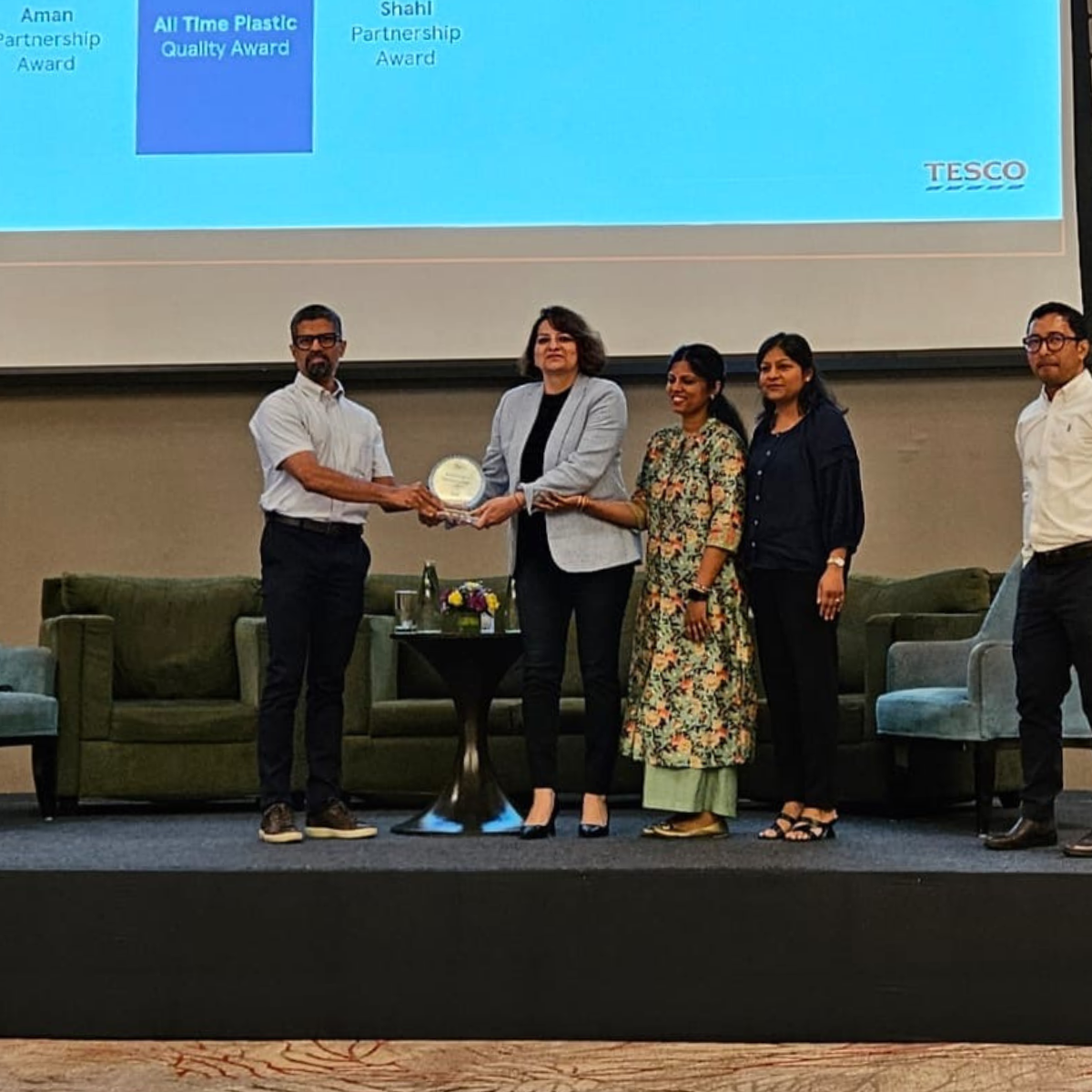
Shahi attended the Tesco Supplier Summit in Bengaluru, where we actively engaged in key panel discussions. Chitra Prasad, Senior General Manager of Organizational Development, shared valuable insights on gender, supply chain, and labor agency management. Additionally, Puja Tickoo, Executive Vice President of the Ladies Speciality Division, discussed Shahi’s commitment to responsible business growth by integrating environmental sustainability into all stages of production.
22 May | Global Fashion Summit 2024
Our Managing Director and Chairperson, Harish Ahuja, represented Shahi at this year’s Global Fashion Summit: Copenhagen Edition, presented by Global Fashion Agenda.
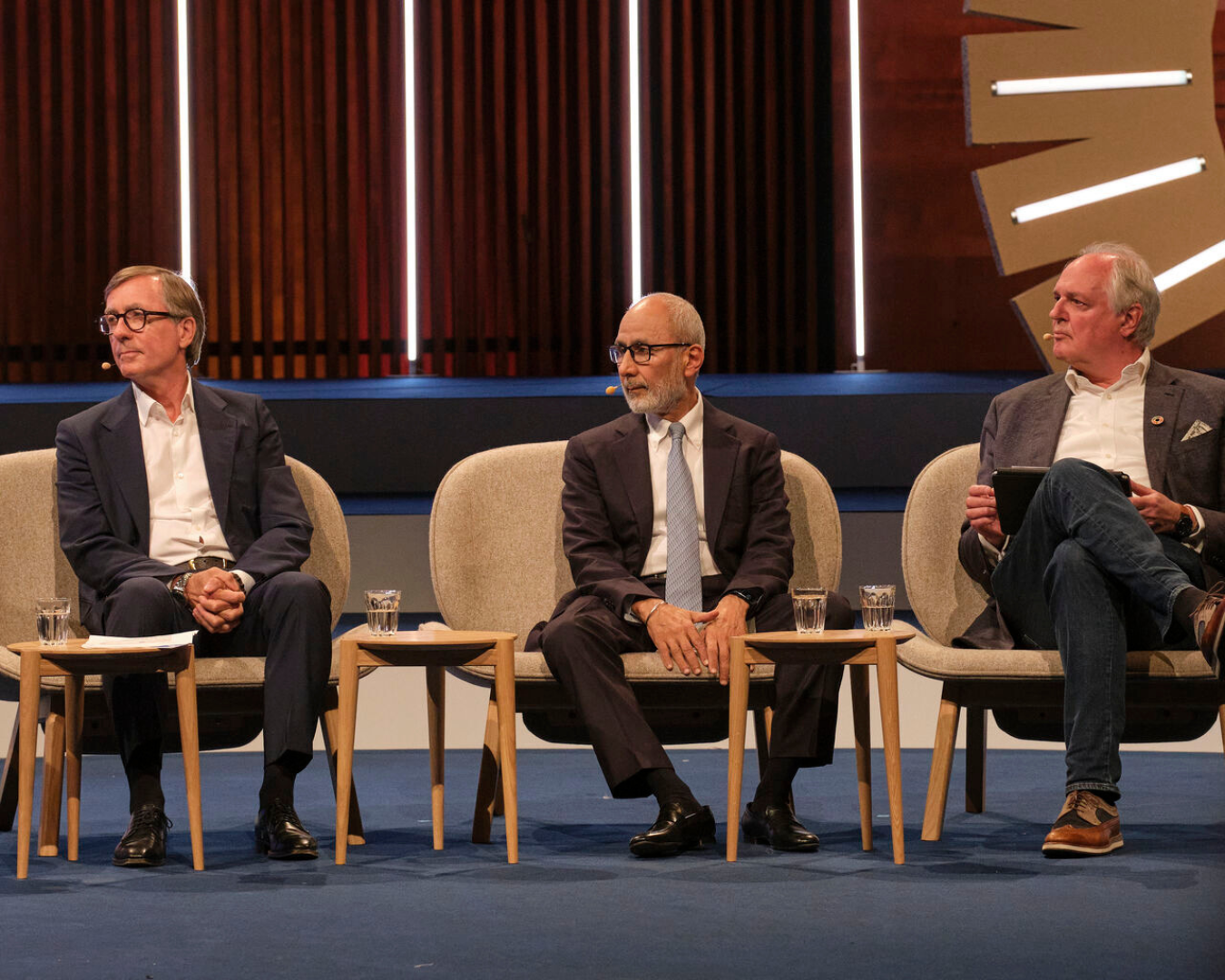
In the panel discussion, ‘Collective Financing Models for Climate,’ he underscored the universal challenge of decarbonization and highlighted the potential learning from other industries to gain valuable insights. He emphasized the necessity of collaborative solutions in the fashion sector, including alignment on decarbonization goals.
Harish stressed the need for brands and retailers to collectively finance research and innovation to address unsolved challenges, such as renewable energy storage and efficient order placement to prevent overproduction.
Venkat Rao, Chief Compliance Officer, participated in the panel ‘The SLCP Process & System’ organized by the Social & Labor Convergence Program. The panel discussed the SLCP process and system, covering topics such as the assessment process, timeline, and how to effectively navigate and maximize the use of the Gateway and Accredited Host platforms.
6 April | ‘Sustainability: Balancing People, Profits, and Planet’ hosted by Shiv Nadar Institute of Eminence (SNIoE)
Anant Ahuja, Head of ESG, participated at the Annual Economics Conclave – Iqtisadiyyat’24 hosted by Shiv Nadar Institute of Eminence (SNIoE).
In his keynote address on ‘Sustainability: Balancing People, Profits, and Planet,’ he discussed integrating sustainable business practices within manufacturing industries, highlighting the necessity of balancing profitability with responsible operations for the well-being of people and the environment.
01 March | ‘Traceability Pilots in Indian Cotton Supply Chains: Lessons for Sustainability and Due Diligence’panel by the U.S. Department of Labor
Kritika Chauhan, AM, Communications & Sustainability Innovation participated in a panel ‘Traceability Pilots in Indian Cotton Supply Chains: Lessons for Sustainability and Due Diligence’ organised by the U.S. Department of Labor.
The panel discussed how technologies can support labor due diligence, with a focus on additive product tracers and isotope testing. Sharing the key learnings from the STREAMS traceability pilots, Kritika shared that as the first mill to implement YESS, Shahi looked forward to exploring complementary technologies and future advancements.
28 February | Masterclass organised by Good Business Lab
Deepak Rautela, Associate Vice President, Training & Organizational Development, spoke at the Masterclass on “Enhancing Business Gains through Worker Communication” organized by Good Business Lab at Bharat Tex 2024. He was joined by Lavanya Garg, Director, Strategy, Partnership, and People Operations at Good Business Lab, and Renukaprasad B, Senior Manager of GBL Ventures.
He shared insights on the transformative impact of Inache, an anonymous and digital grievance redressal tool, from the use-case experience of Shahi and how it has helped improve worker communication from the shop floor.
28 February | ‘Redefining Natural Fibers: Collaboration for High-Value Products’ panel at Bharat Tex 2024
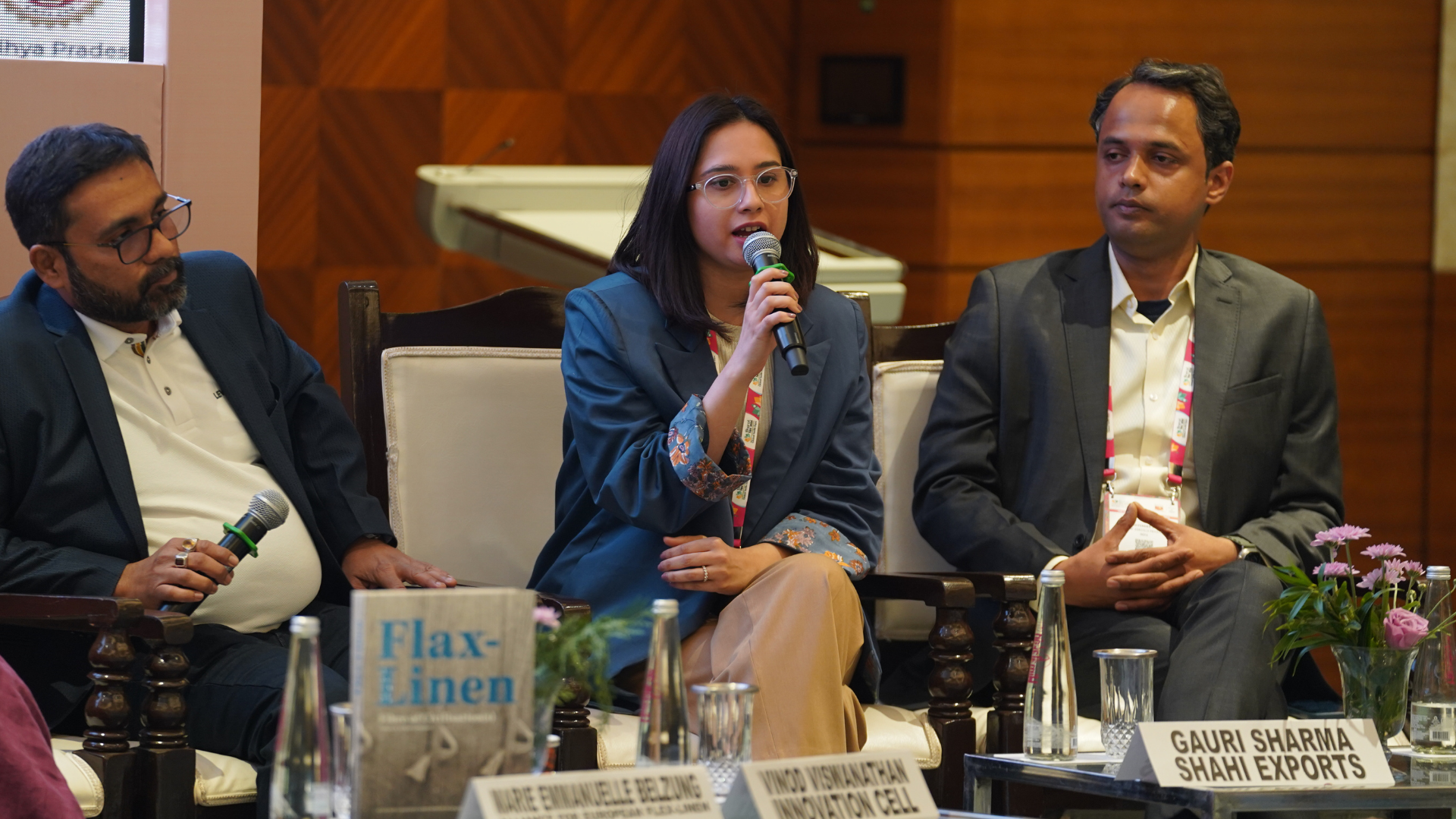
Gauri Sharma represented Shahi at a panel discussion on ‘Redefining Natural Fibers: Collaboration for High-Value Products’ at Bharat Tex 2024. She shared, “Innovation in sustainable materials faces hurdles in scaling up due to certification costs and performance expectations. Alongside sustainability, we need to focus on performance and added benefits to the consumer. Supporting innovations emerging in India, especially in the transition from pilot to commercial stage, requires collective efforts from both industry and government.”
28 February | ‘Doing Business in India’ panel organised by Invest India
Anant Ahuja, Head of ESG, participated in a panel ‘Doing Business in India’ organised by Invest India at Bharat Tex 2024. He highlighted the role of manufacturers in advancing sustainability, emphasizing the importance of collaboration across the supply chain to achieve decarbonization, use sustainable materials, and address other key sustainability goals.
The panel aimed to drive growth and elevate India’s global competitiveness in textiles, making it an attractive destination for investment.
27 February | Vision 2047 in Textiles
Harish Ahuja, Managing Director and Chairperson represented Shahi at a panel titled ‘Vision 2047 in Textiles’ hosted by NITI Aayog at Bharat Tex 2024. He shared his views on achieving the vision of making India the world’s largest textile hub. He mentioned, “As a roadmap ahead, the Indian textile industry’s primary vision should be to have a systemic approach toward sustainability to boost the global value chain. By focusing on building a robust value chain, enhancing infrastructure, scaling economies, and prioritizing quality, we can reignite India’s growth in textiles, propelling us towards Atmanirbhar Bharat (self-reliance).”
26 February | CXOs Roundtable at Bharat Tex 2024
Shahi participated in an exclusive CXO Roundtable organized by KPMG at the Bharat Tex, which facilitates collaboration with industry peers on strategic initiatives. Harish Ahuja, the Managing Director and Chairperson, represented Shahi at the roundtable.
The panel discussed the steps India needs to take to reduce reliance on imported raw materials. Other takeaways included focusing on scale, sustainability, and quality to make India a global manufacturing hub for textiles and apparel. He shared, “Through collaborative platforms and a focus on operational efficiency, the textile industry can drive innovation and sustainable growth. Smart automation and cutting-edge technology, empowering women, and accessing global markets are key strategies for success in the sector.”
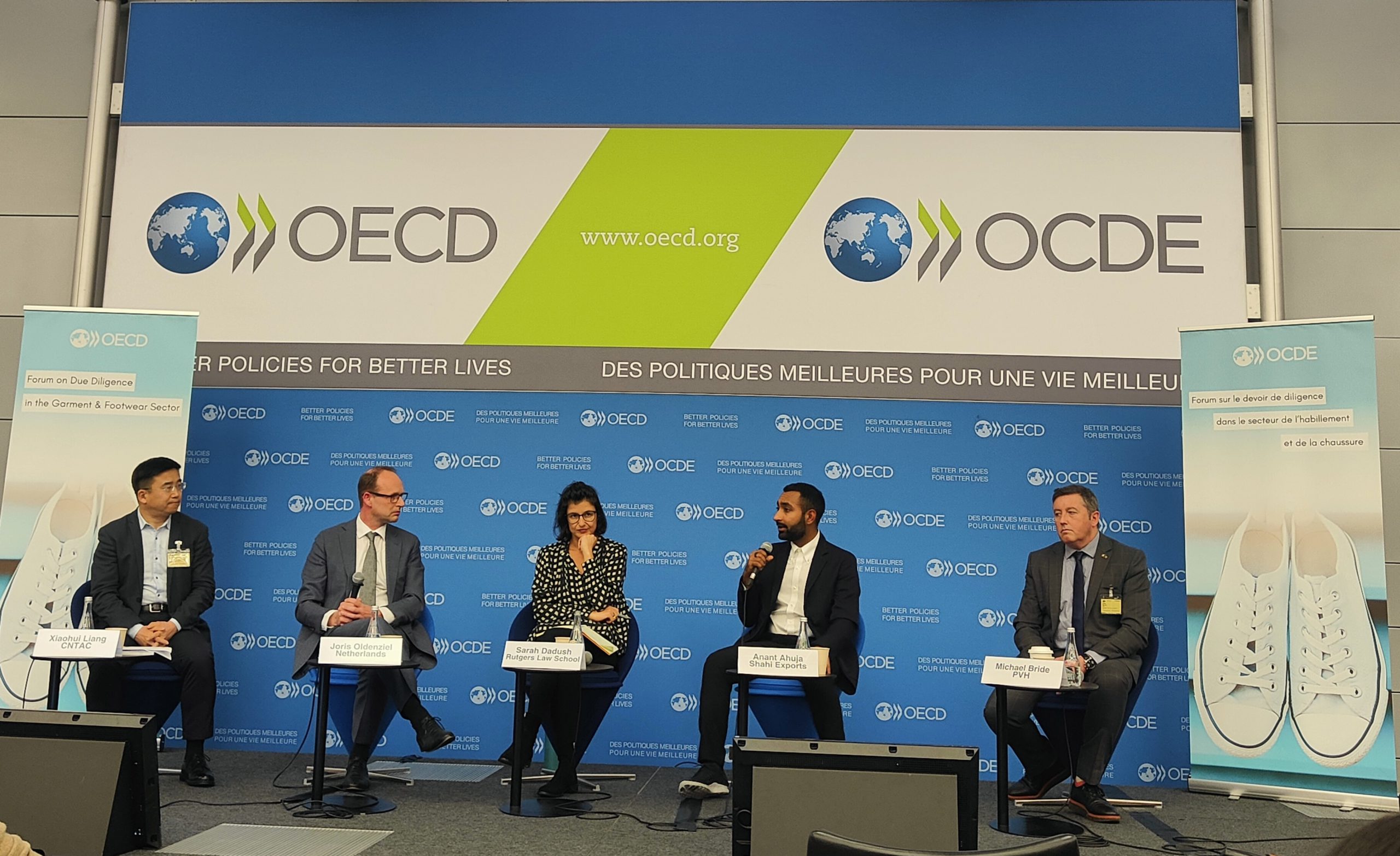
21 February | OECD – OCDE Forum on Due Diligence in the Garment and Footwear Sector
Anant Ahuja, represented Shahi at the OECD – Forum on Due Diligence in the Garment and Footwear Sector. In the panel, ‘More than just paperwork? He highlighted the role of certifications in due diligence as a supplement to compliance with standards, driving improvements, and addressing challenges in the supply chain.
20 February | ‘Mill Conformance with Due Diligence Requirements – The Good, the Bad, and the Ugly’ at the OECD – OECD Forum
Kritika Chauhan, Assistant Manager, Communications & Sustainability Innovation, was a panelist on ‘Mill Conformance with Due Diligence Requirements – The Good, the Bad, and the Ugly ’ by the Organisation for Economic Co-operation and Development (OECD). She shared Shahi’s experiences in understanding, meeting, and assessing the requirements of the YESS due diligence standards. She also explored strategies to scale due diligence efforts to address potential and actual forced labor risk.
19 February | Moderated Panel Discussion at the OECD – OECD Forum
Anant Ahuja moderated a session by Better Buying Institute at the OECD—OCDE Forum on ‘Empowering suppliers and supporting buyers in using data to accelerate purchasing practices improvements’. The panel discussed obstacles hindering the acceleration of purchasing practices and explored strategies for utilizing BBI data to address these challenges and promote optimal practices for driving change.
The speakers on the panel were Marsha Dickson from Better Buying Institute, Michael Levine from Under Armour, Nikhil Hirdaramani from Hirdaramani Apparel, Pat Noonan from SanMar Corporation, Stanley Szeto from Lever Style, Marc Beckmann from GIZ-FABRIC, and Janet Mensink from SLCP.
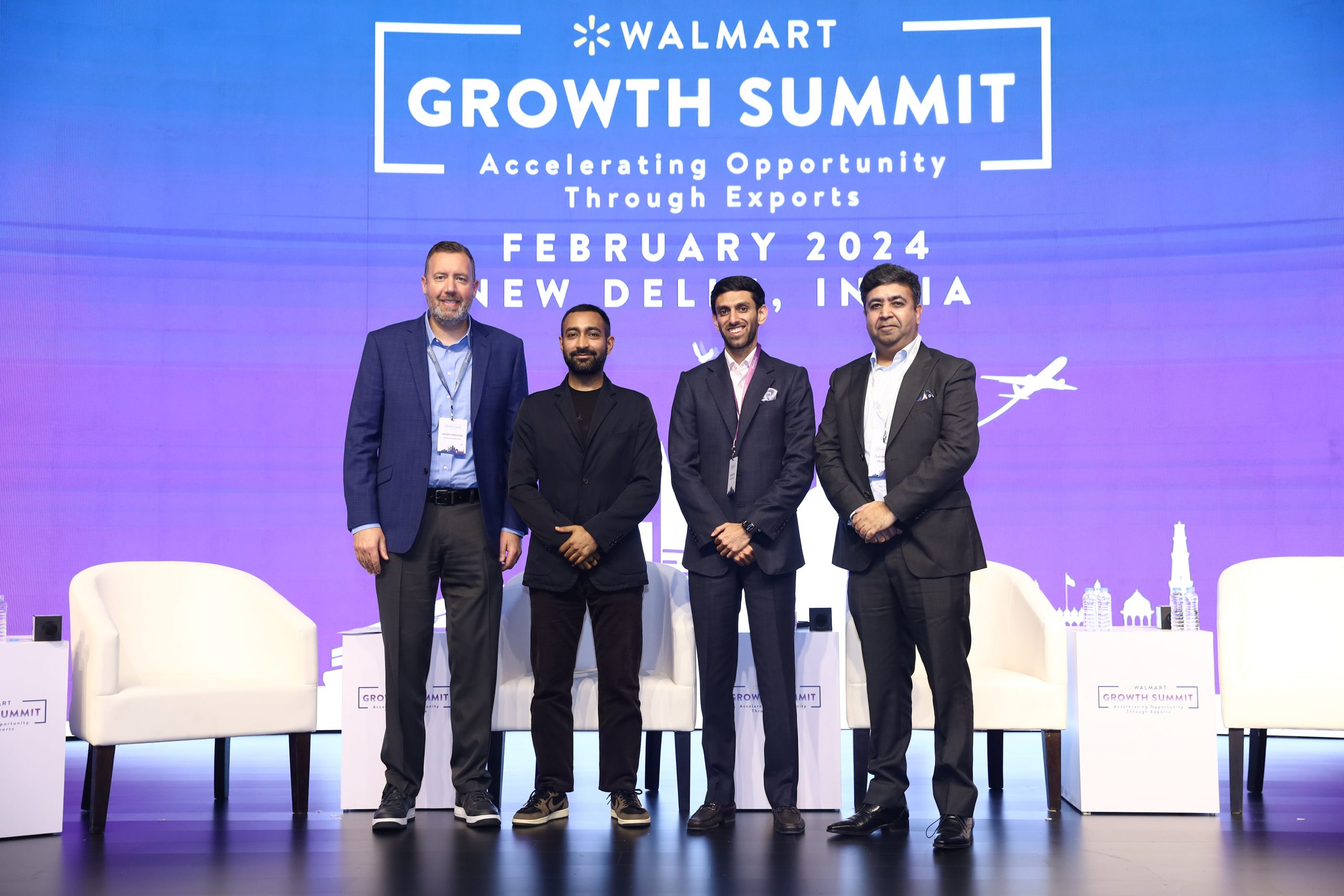
14 February | Supplier Journey with Walmart
Anant Ahuja, spoke at the Walmart Growth Summit 2024 in a panel titled ‘Supplier Journey with Walmart.’
He discussed Shahi’s journey with Walmart, highlighting our collaborative efforts. He stated, “Our supplier journey with Walmart spans over three decades. Their commitment to innovation and sustainability drives us to continuously improve, aligning perfectly with our values. By investing in the supply chain, we aim to grow the positive impacts our business can have.”
How often do we think about the raw materials used in our garments? Raw material production and their processing contribute to up to approximately 2/3rd of the GHG impact of the fashion industry. Most brands have set ambitious targets to integrate sustainable, low-impact materials into their supply chain and make them accessible to consumers. Therefore, it is essential to replace conventional materials with next-generation material alternatives. A report by the Boston Consulting Group stated that the demand for low-impact raw materials could exceed supply by as much as 133 million tons by 2030.
Alternative materials are available, but most exist in the early R&D stage. It is essential for suppliers to partner with innovators to provide them with supply chain integration and unique insights to scale to an industrial level. Read below to learn more about how Shahi Alternative materials are available, but most exist in the early R&D stage. It is essential for suppliers to partner with innovators to provide them with supply chain integration and unique insights to scale to an industrial level. Read below to learn more about how Shahi and AltMat worked together to scale fabrics made from agricultural residue. and AltMat worked together to scale fabrics made from agricultural residue.
About AltMat
Farm Residue→ Fiber → Yarn
The fashion industry and biodiversity are intrinsically linked as we rely on a naturally limited supply of resources to grow its raw material — natural fibers. The fashion industry is in search of new raw materials. In our quest to find lower-impact next-generation materials, in 2021, Shahi came across AltMat in one of the innovation showcases. AltMat is an Alternative Materials Science company that converts agricultural residues into high-performing natural materials called Altag. Using materials science and sustainable proprietary processes, they can transform biomass of certain food, medicinal, and industrial crops into natural fibers for the fashion industry.
The Impact
Shahi believes in the power of AltMat to bring exponential positive impact on the industry. One, as a solution to the industry’s and brand’s search for alternatives and, in parallel, a pathway for millions of farmers who burn their crop residues and set off dangerous emissions levels for want of better options. Additionally, we can divert several resources, such as water and energy used to grow raw materials, to alternate uses.
The agricultural residue is converted into fiber using a series of proprietary traditional, microbial, chemical, and mechanical methods to retain the natural structure of the fiber. AltMat has carefully built the processing methodology to ensure sustainable production.
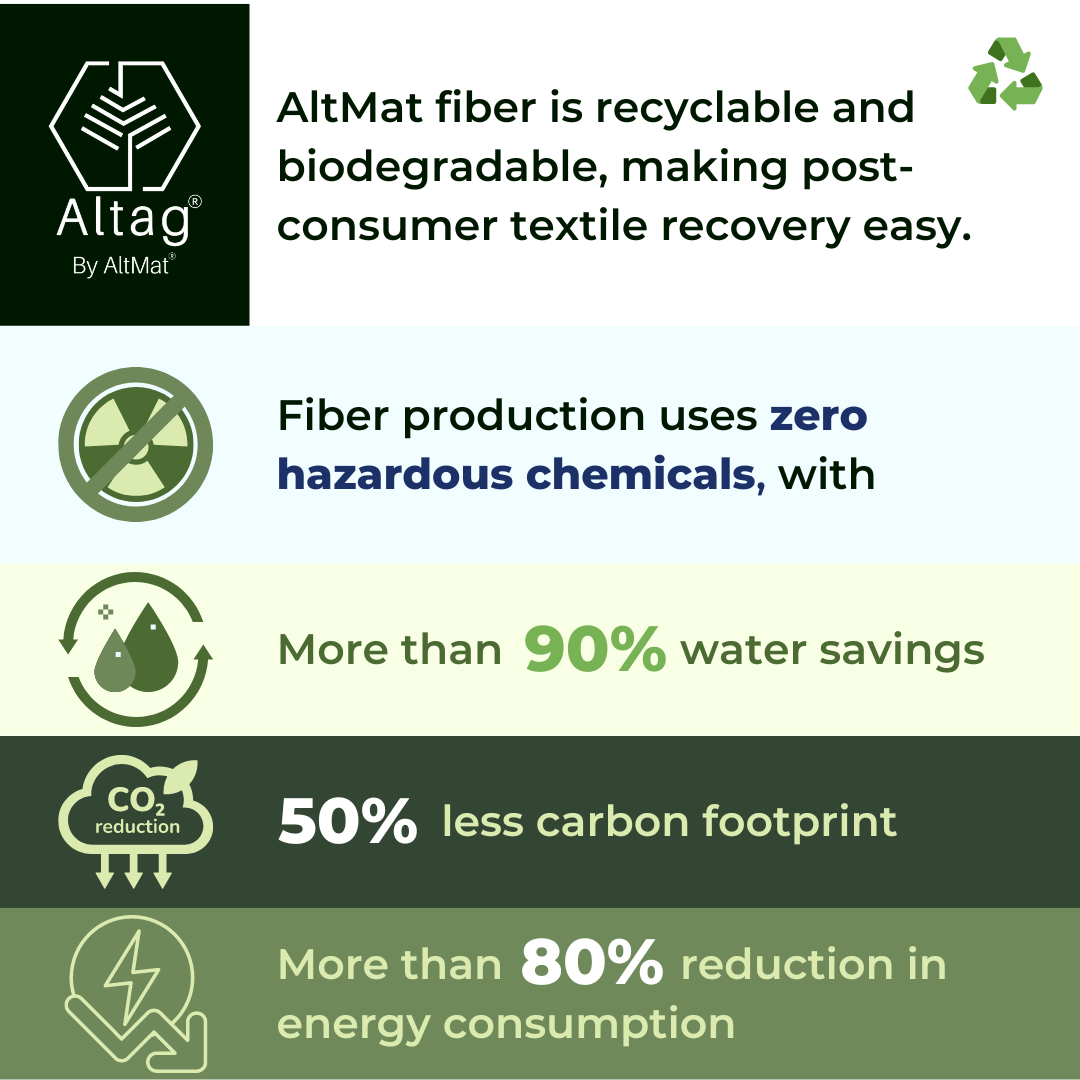
Fiber production uses zero hazardous chemicals, with more than 90% water savings, 50% less carbon footprint, and more than 80% reduction in energy consumption. AltMat fiber is recyclable and biodegradable, making post-consumer textile recovery easy.
The Collaboration
Shahi and AltMat have signed a Value Chain Agreement
As a vertically integrated manufacturer, Shahi is uniquely positioned to integrate Altag into the supply chain for scaling it with our strategic and innovative brand partners. To accelerate the market adoption of Altag, Shahi and AltMat have signed a Value Chain Agreement that underscores the importance of partnerships grounded in the ethos of equitable purchasing practices and sustainable transformation. As a value chain partner, Shahi has priority access to the Altag yarns and co-develops fabrics with our global chain of innovative customers.
“Scaling sustainable alternatives like AltMat isn’t easy, but the journey is where the true impact lies. It is about shared learning, open collaboration, and a shared mission to rewrite the future of fashion. Suppliers like Shahi, working with innovators directly, can share their feedback to help refine the solution for industrial scale. AltMat is an example of how a successful partnership can build an enabling ecosystem to scale.”
Scout The agreement and collaborative scaling of AltMat to the industry scale is the culmination of our numerous pilots for woven and knitted fabric made from agricultural residue. During an innovation showcase, we were introduced to AltMat in September 2021 by CAIF under their Project Accelerating Circular Economy (ACE). Post the showcase, we held several discussions between our technical teams and AltMat to understand the technology, implementation feasibility, and traceability guidelines.
Pilot
In December 2021, we initiated our first woven pilot project with AltMat with two quality compositions. We undertook four pilots over two years to experiment with different structures, compositions, counts, and designs of the fabric. Working with innovators, we are able to provide feedback from the industry perspective and technical know-how that helps innovators such as AltMat to incorporate them, accelerating the process for scale up.
The learnings from each pilot helped us explore the versatility of Altag with a myriad of dyeing techniques and finishes. Fabrics made with Altag have a hand feel similar to natural cellulosic fabrics. The fabric retains the natural structure, which changes over time. That is the beauty of the Altag fabric.
The learnings from the pilot resulted in a synchronized swatch book with over 10 different woven fabrics made with Altag spread across four collections:
The collection was made in active collaboration with a diverse team at Shahi, ranging from the technical mill team, Fabric Innovations, and R&D to the Marketing team.
Scale
After ensuring the industry quality standards, the woven collection is ready to be scaled up to the industry level. Shahi and AltMat, in collaboration with Fashion for Good, recently held a brand engagement session attended by over 15 brands. Being a competitive space, the brand engagement session is a testament to how the industry wants to collaborate with each other to achieve the common goal of making low-impact materials available to the typical consumer at scale. Currently, we have one bulk order in the pipeline from our customers for the AltMat collection. Shahi will be the first manufacturer globally to scale Altag.
Support
But the journey continues. Together with AltMat, we continuously work on research and development to produce knitted fabric using agricultural residue. Shahi is the first supplier to pilot Altag for knitted fabric in India, and we have completed two pilot projects to date. The fabric hand-feel and processing have improved with each pilot and new insights. The Value Chain Agreement signifies our commitment to support AltMat in scaling and integrating them to the larger supply chain.
“Both AltMat and Shahi are prepared with the infrastructure and learning curves required to scale a new natural fiber like Altag. We are excited to announce that the Shahi and AltMat value chain partnership milestone brings this possibility of scale to life.”
— Shikha, Founder, AltMat
Collaboration for the future
With each pilot, each experiment, and each swatch of Altag fabric, we’re paving the way for a cleaner, greener industry, one stitch at a time. With our fabrics made with AltMat, we are actively looking for brand partners to integrate the next-generation material into their supply chains. With each woven and knitted fabric, we’re rewriting the narrative – one where farmers are empowered, resources are conserved, and style goes hand-in-hand with sustainability. Join us in stitching a future where fashion thrives alongside our planet.
At Shahi, we believe in sharing our experiences and learning with all the stakeholders in the fashion industry and beyond. This is an ongoing post to share insights from our speaking engagements in 2023. Read insights from previous years’ engagements: 2022, 2021.
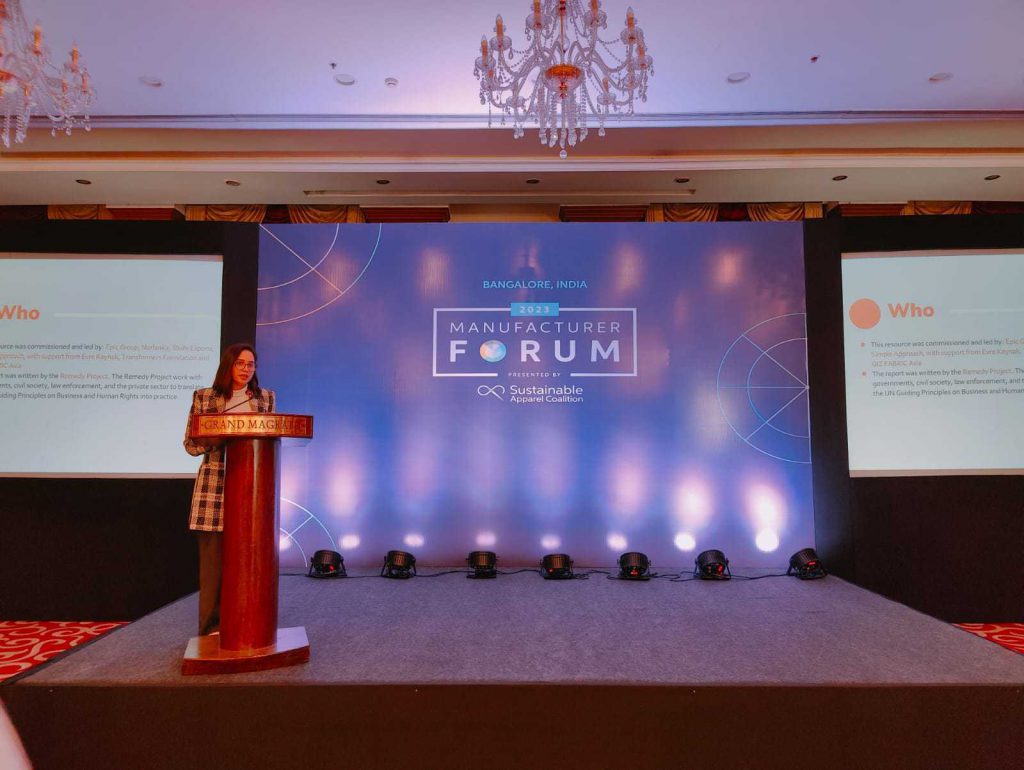
04 December | Sustainable Apparel Coalition’s Manufacturer’s Forum: Bangalore
Gauri Sharma, Assistant General Manager, Communications & Sustainability Innovation, represented Shahi at the SAC’s Coalition Manufacturer’s Forum in Bangalore to present the key takeaways from ‘An Apparel Supplier’s Guide: Key Sustainability Legislations in the EU, US, and UK’ a groundbreaking resource on sustainability-related legislation in the apparel industry.
Gauri shares how Shahi partnered with a group of suppliers, including Epic Group, Norlanka, Simple Approach, along with Transformers Foundation and Deutsche Gesellschaft für Internationale Zusammenarbeit (GIZ) GmbH, to develop this comprehensive resource to build an understanding of policies initiated in the global north and how they often have a ripple effect down the supply chain in regions outside the jurisdiction of the policy.
From increased reporting requirements to supply chain traceability, the report researched and written by The Remedy Project examines key focus areas, potential legal implications, and operational considerations for apparel suppliers & beyond.
01-02 December | Reimagining Textile Waste in India Conference by Fashion For Good
Gauri Sharma spoke at the ‘Reimagining Textile Waste in India Conference’ held in Delhi on December 1st and 2nd. The event gathered multiple supply chain members to discuss the enablers for a future of circularity, including innovators like Renewcell, with whom Shahi is working actively as the Indian supply chain partner.
The event paved the way for more conversations and projects around textile waste and circularity in India and how we can work together collaboratively in the coming months.
29 November | SAP Concur- Indian Economy Looking Ahead- Crystal Ball Gazing
Pravin Dalal, DGM Environmental Sustainability at Shahi, spoke at SAP Concur- Indian Economy Looking Ahead- Crystal Ball Gazing. He was joined by Vijay Kumar Nagaraju, Deputy General Manager – Environment, Sustainability & ESG, Brigade Enterprises Ltd. The panel, moderated by Hoshie Ghaswalla, CEO of Business World Engage, discussed ‘ROl on Sustainability,’ where Pravin shared insights on the importance of integrating sustainability initiatives into organizational practices. He shares, “Embedding sustainability in organizational practices through a dual approach—top-down and bottom-up—is crucial. Beyond measurable ROI, focus on indirect benefits like a positive reputation, enhanced brand value, and talent retention for enduring organizational value.”
27 October | ‘Future of Work and Skills For Emerging Markets’ by Good Business Lab
JD. Giri, Director at Shahi, spoke at the ‘Future of Work and Skills For Emerging Markets’ conference hosted by Good Business Lab (GBL), Abdul Latif Jameel Poverty Action Lab (J-PAL), and 21st Century India Center at the Massachusetts Institute of Technology.
The panel discussed ‘Soft Skills, Hard Skills, Digital Skills?: Upskilling India’s Workforce’, where he shared insights on upskilling India’s workforce by integrating soft skills with technical prowess to empower workers and improve work culture. He was joined by Raffaella Sadun, Professor of Business Administration at Harvard Business School, Co-Lead at Digital Reskilling Lab, and Daniel Uribe Villa, Principal of VélezReyes+.
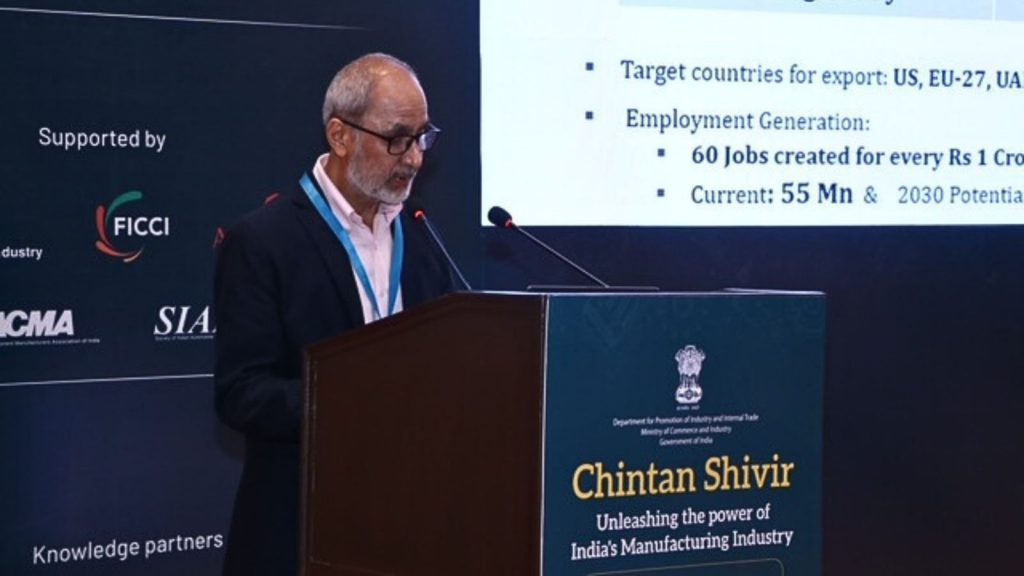
13 October | Chintan Shivir Event hosted by the Ministry of Textiles, Government of India
Harish Ahuja, Managing Director and Chairperson at Shahi, represented the Textile and Apparel Industry at the Chintan Shivir event hosted by the Ministry of Textiles, Government of India.
He painted a comprehensive picture of the textile industry, highlighting the current sector profile and setting ambitious goals, along with a plan of action for the shift in the current ecosystem and policies, technological advancements, and employment.
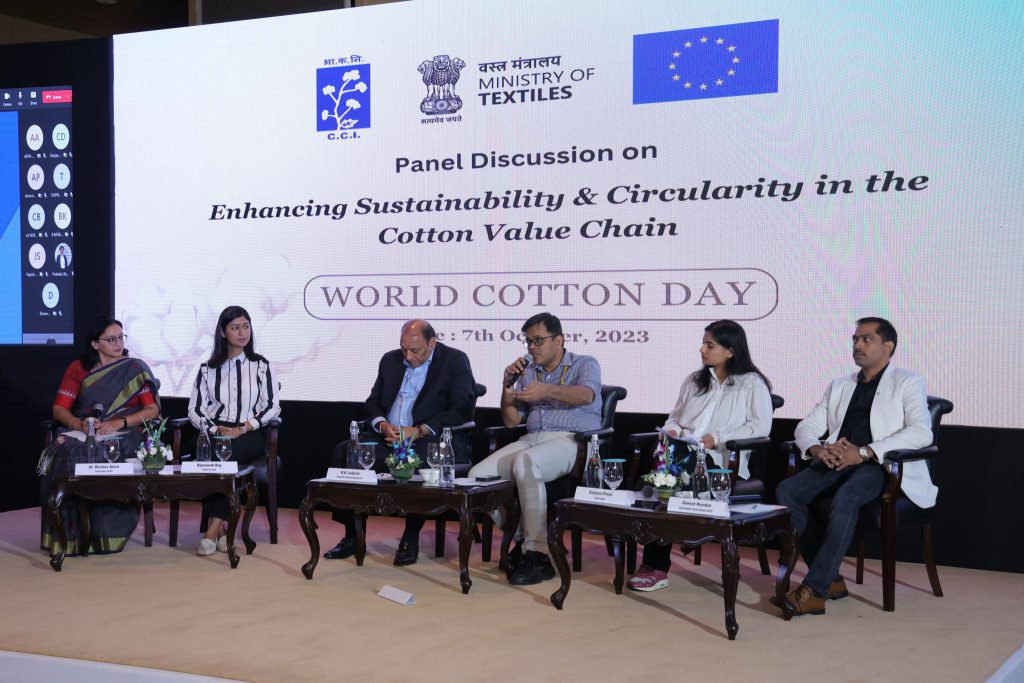
07 October | Panel Discussion by the Ministry of Textiles, Government of India
Sanjana Pimoli, Assistant Manager, Communications and Sustainability Innovation, represented Shahi in a World Cotton Day panel discussion on ‘Circularity in the Cotton Value Chain.’ The Ministry of Textiles organized this panel in collaboration with the Cotton Corporation of India Ltd (CCI) and the EU Resource Efficiency Initiative (India).
Sanjana shared Shahi’s comprehensive approach to integrating elements of circularity in our business, particularly concerning cotton sourcing and waste management at different supply chain stages. She also highlighted challenges in scaling innovations and the need for collaboration to ensure that all stakeholders are involved in creating solutions for a just transition for the industry.
26 September | NOMI Network2023 Summit
Anant Ahuja, Head of Organizational Development, spoke at the Nomi Network 2023 Summit in a panel titled ‘Closing Wealth Gaps: Innovations in Global Supply Chain.’
He discussed Shahi’s journey and how the mission of NOMI Network, centered on empowering women from marginalized backgrounds, aligns with Shahi’s dedication to promoting gender equality and social inclusion. Anant also highlighted the various training programs, employment opportunities, mentorship initiatives, and support Shahi offers to candidates from the NOMI Network, enabling them to navigate workplace challenges and fostering their personal and professional development.
23 August | 16th Edition of the Environment and Energy Conclave by BCCI
Kritika Chauhan, Assistant Manager, Communication and Sustainability Innovations, participated in a panel on ‘Sustainable approach and circular economy.’
At the 16th Edition of the Environment and Energy Conclave by The Bengal Chamber of Commerce and Industry. She shared, “Circular business models impact environmental sustainability, and collaboration within the supply chain can ensure scalability.”
20-21 July | Apparel Sourcing Week 2023
Anant Ahuja, participated in a panel on ‘Green Manufacturing: Significance and Strategies for Implementation’ at this year’s Apparel Sourcing Week hosted by Apparel Resources.
During the panel, he shared insights from Shahi’s journey in adopting sustainable practices. He addressed the challenges of implementing these practices, especially the additional costs often associated with them.
Anant also highlighted that sustainability is an exercise in both environmental and social well-being. And how a commitment to evidence-based worker well-being measures results in impactful programs that empower workers and promote a positive impact on the communities in which Shahi operates.
18 July | Women Deliver Conference 2023
Shahi co-hosted a virtual concurrent session on “Breaking the Glass Ceiling: Growth for Women in Low-Income Work” together with Good Business Lab and the United Nations Foundation at this year’s Women Deliver Conference. In a first, Shahi was represented by a factory worker and presented cross-cutting views from across the value chain, including insights from lived experience, research, on-ground implementation, and policy perspectives.
Kalyani Pandey, Needle Keeper, shared “Women face biases right from home and at work, where they expect us to drop the ball in quality and responsibility. The programs I have been a part of have helped break down different aspects of my life that potentially impact my work. It showed how awareness, communication, time management, and financial planning can help bring about big changes at work and at home.”
Additionally, Chitra Ramdas, General Manager, Organizational Development elaborated “The effort does not stop at training. It is important to close the loop on equality programs with real transitions on the shop floor in both decision-making and remuneration for women who take on more responsibilities on the shop floor. To build a culture of gender equality, organizations need to work on policies and practices coupled with supportive team members and develop leaders as champions.”
10-11 July | YESS Launched in Pakistan and India
Anant Ahuja, Head of Organizational Development, and Amanullah S.P, Assistant General Manager, Spinning, were speakers at the webinar organized by Yarn Ethically and Sustainably Sourced (YESS), supported by Responsible Sourcing Network (RSN). YESS launched its due diligence standard in India and Pakistan this year with successfully conducted mill assessments.
Shahi became the first mill in India to undergo this assessment, and the speakers shared Shahi’s positive experience and valuable learnings.
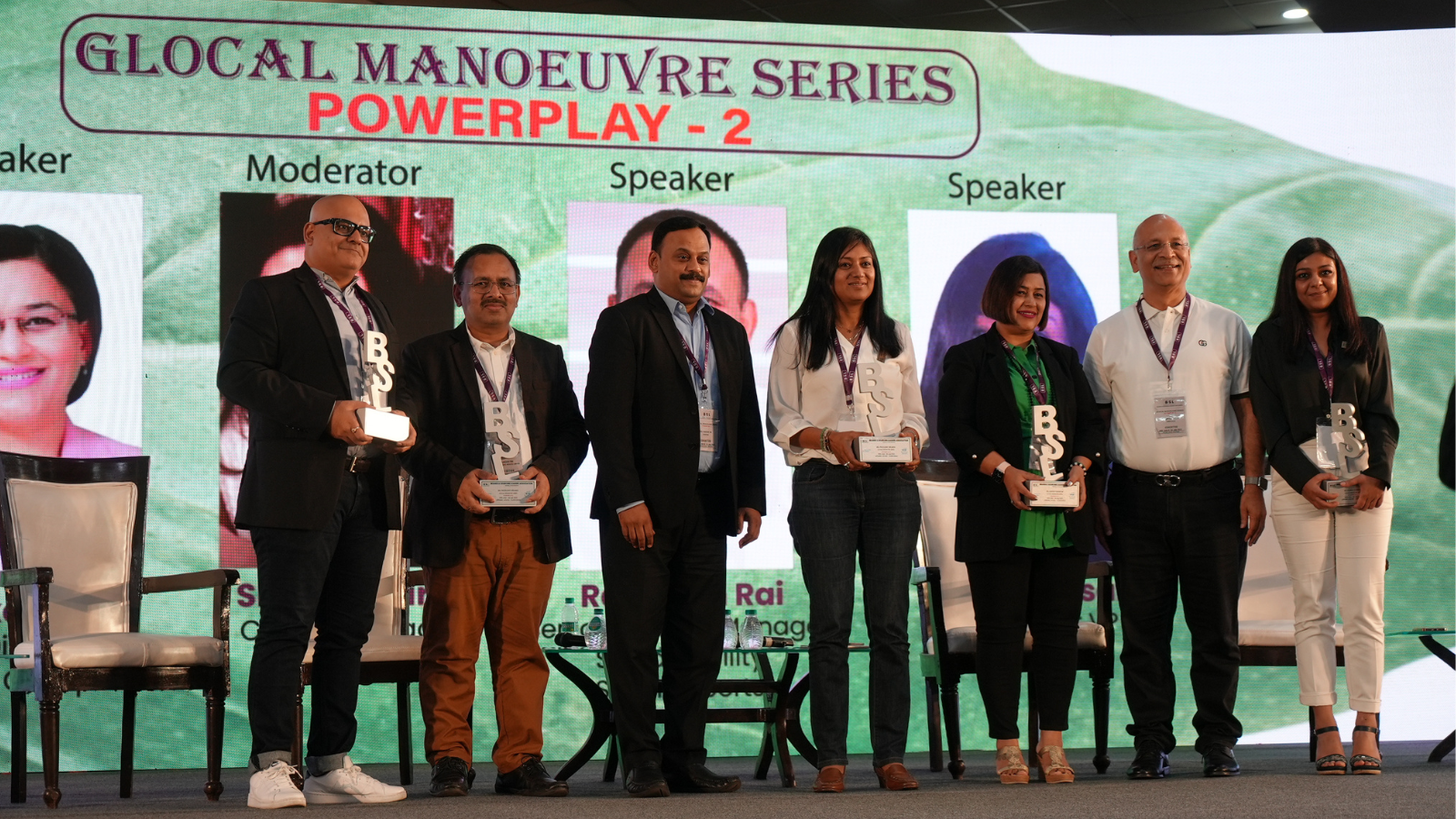
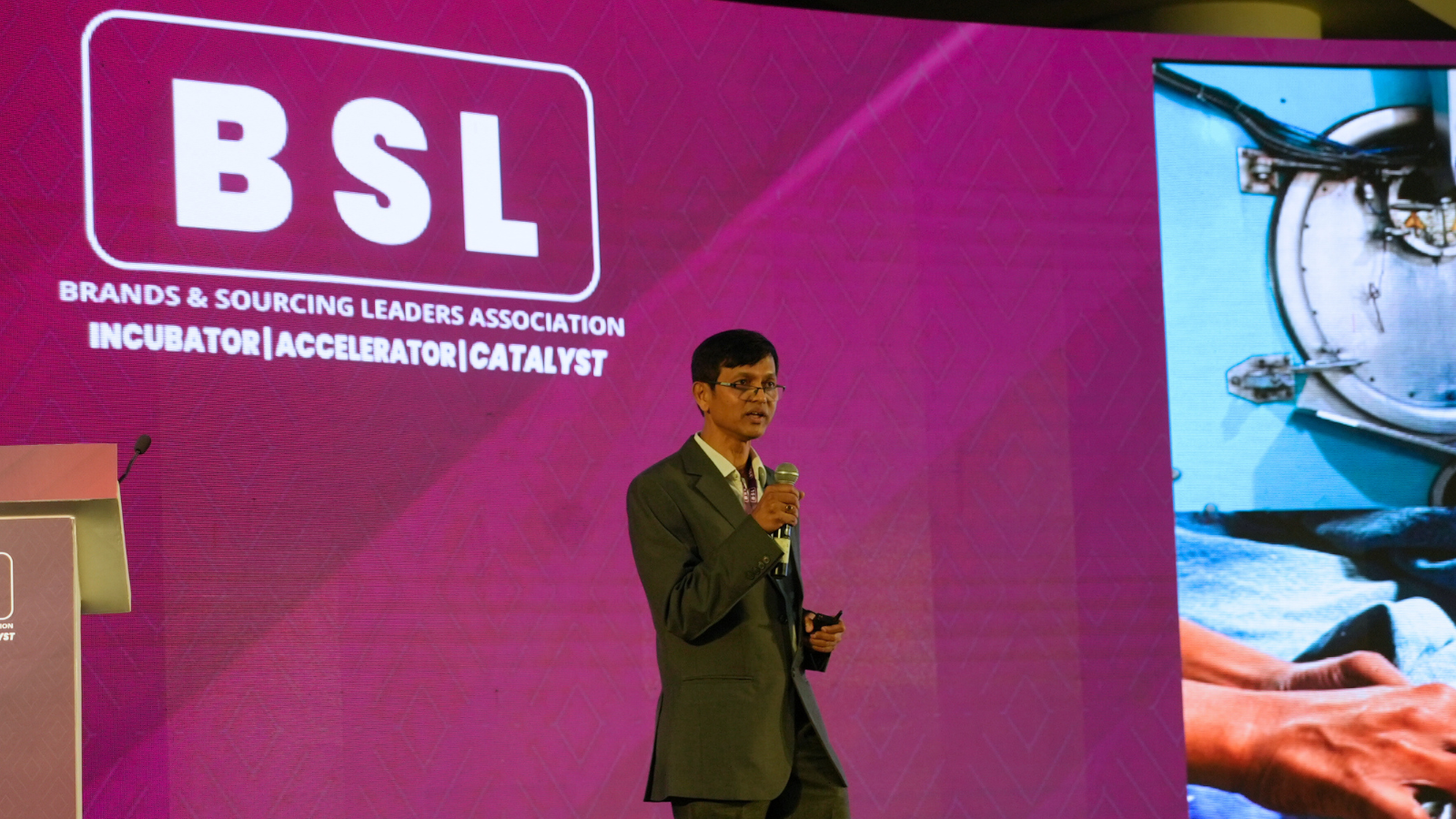
30 June-1 July | BSL’s Glocal Maneuver Series Powerplay-2
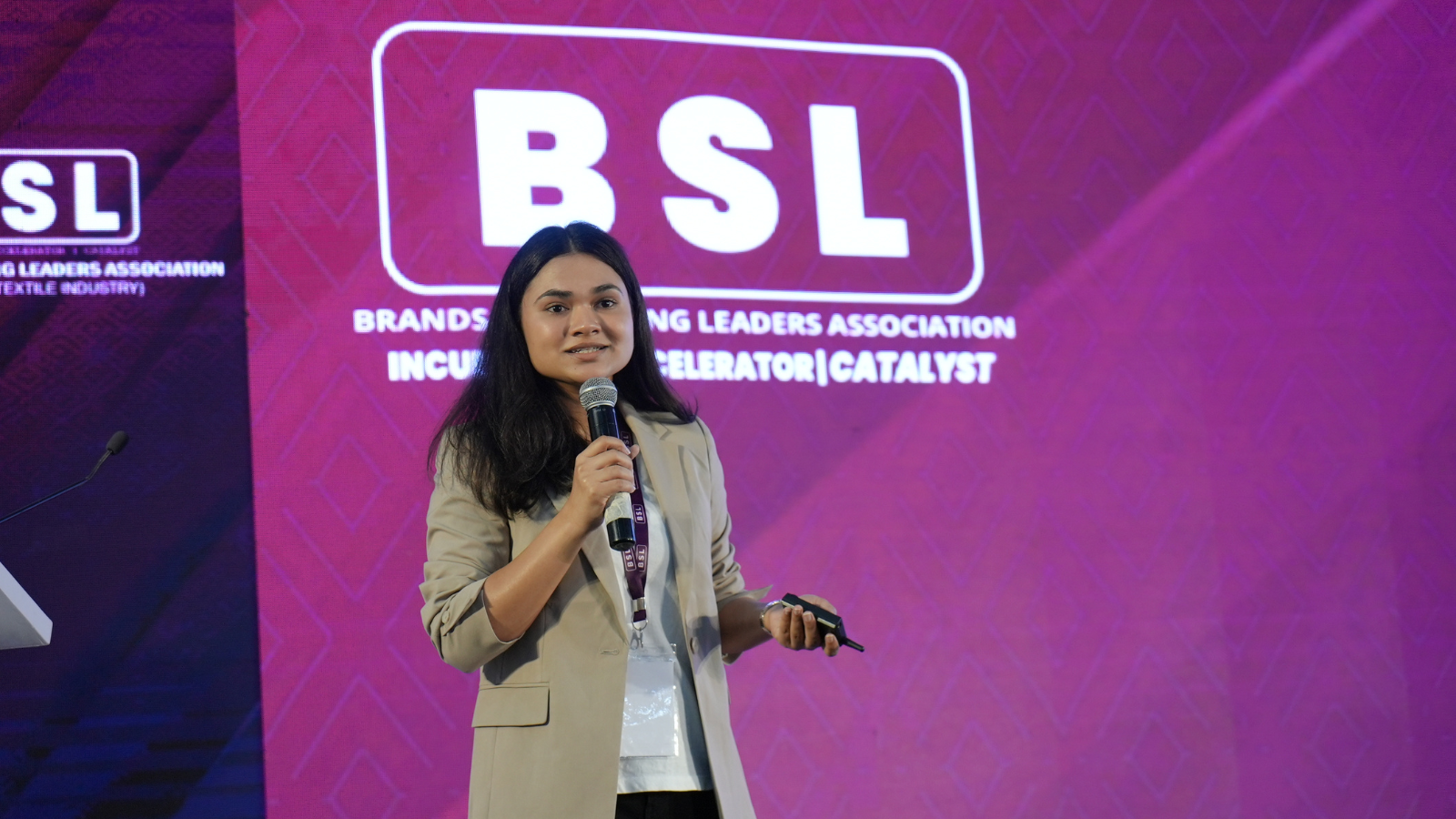
Rajneesh Rai, Senior General Manager of Laboratory & Environmental Sustainability, participated in a panel discussion titled “Good Earth: One Earth-ESG Goals and Beyond” at the Glocal Maneuver Series Powerplay-2 event organized by the Brands Sourcing Leaders Association (BSL).
This panel brought together industry leaders to delve into the future of sustainability and its impact on businesses globally. In the discussion, Rajneesh provided his insights on the roadmap to prepare for the future of sustainability. He emphasized the importance of taking proactive measures in the present, with a strong sense of responsibility. He walked the audience through how Shahi aims to reduce environmental impact through materials and processes by working with innovators to explore alternative materials with lower environmental impacts, reduce process-related footprints, and optimize resource consumption.
Furthermore, Shahi’s sustainability journey, deeply rooted in our “Responsible for” framework, integrating social and environmental well-being, was showcased in a spotlight session by Pravin Dalal, Deputy General Manager of Environmental Sustainability, and Snigdha Voruganti, Senior Executive of Communication and Sustainability Innovations. Their insightful presentation highlighted our ongoing efforts to drive positive change and make a lasting impact.
28 June | Roundtable at Global Fashion Summit
Sanjana Pimoli, Assistant Manager, Communications & Sustainability Innovations, participated in a roundtable hosted by Global Fashion Agenda with London College of Fashion’s Centre for Sustainable Fashion as a segment within the Next Gen Assembly programme for young sustainability talents. The roundtable discussed how storytelling could be used to drive ambition to action in fashion system transformation.
Sanjana spoke about the agrarian crisis triggered in India due to climate change and the importance of innovations such as Cellulosic Superabsorbent Polymer in securing farmers and making the textile industry circular. She also emphasized the systems change required in scaling these innovations.
13 June | Planet Textiles by Sustainable Apparel Coalition
Gauri Sharma, Assistant General Manager, Communications & Sustainability Innovation, was among the esteemed speakers at Planet Textiles on June 13, 2023. She shared insights on ‘Scaling Processing Technologies in the Fashion Industry to Achieve Our Climate Goals: Barriers and Solutions.’
There is an unprecedented level of urgency for the industry to decarbonize, which requires a shift from incremental to disruptive innovation, especially during the energy-guzzling textile processing stage. By setting this context, Gauri emphasized that manufacturers must be part of the problem-solving from the beginning. They require industry stakeholders to share the risk, jointly invest, and build long-term partnerships to scale upcoming technologies that enable the shift from wet to dry processing.
08 June | Open Perspectives by H&M Foundation
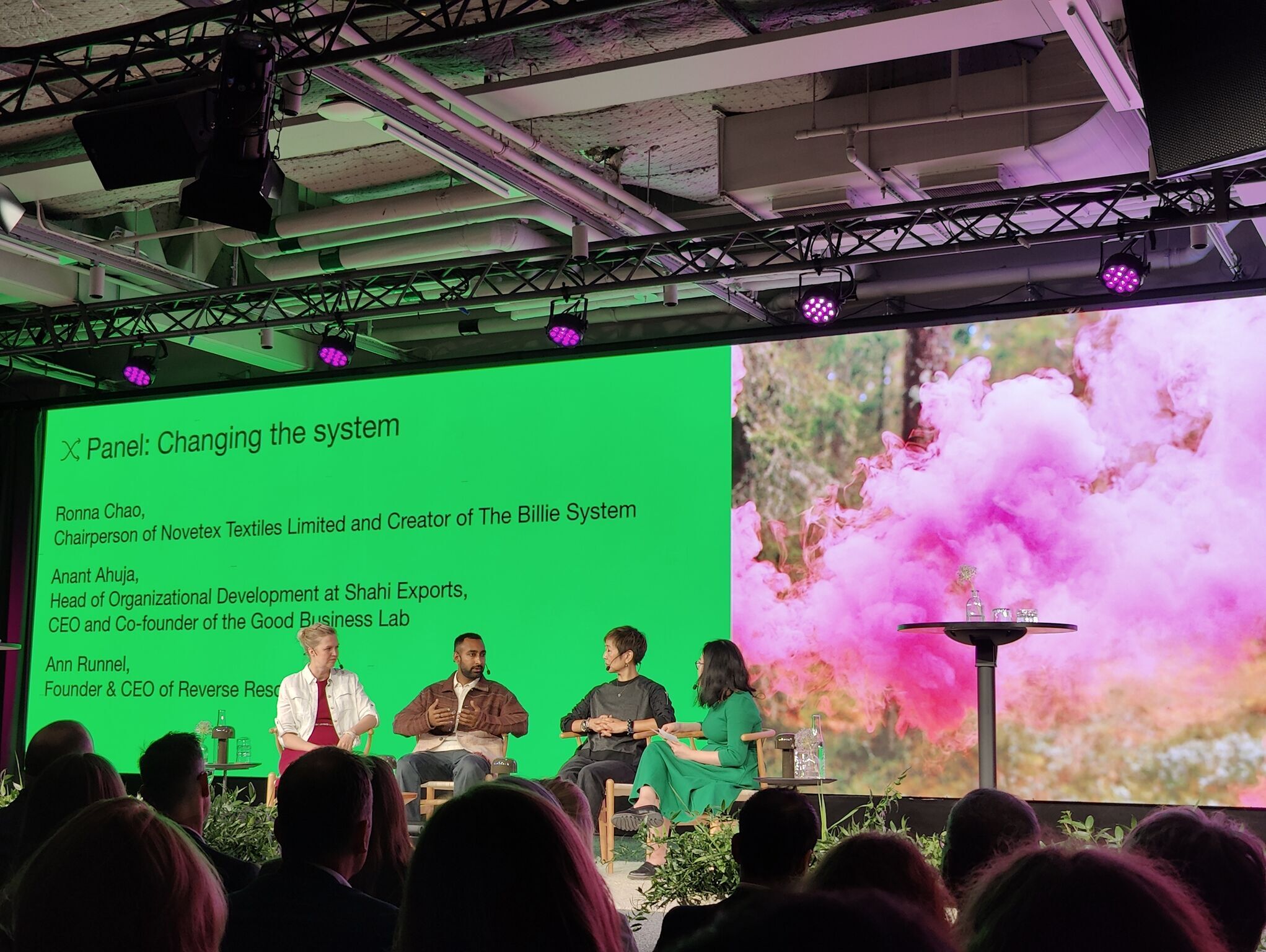
Anant Ahuja, Head of Organizational Development, spoke on a panel, ‘Changing the System’, as part of H&M Foundation’s annual Global Change Awards. Anant highlighted the significance of social innovation in the apparel industry, given that it employs millions of people, particularly women, in the supply chains. Social innovation can be more complex than environmental because it requires an understanding of local contexts, and its impact can be hard to measure. Anant shared Shahi’s evidence-based interventions, which have had a measurable positive impact on both business and workers, and called upon the industry to invest equally in social programs and innovators.
06 June | United Nations Responsible Business and Human Rights Forum, Asia-Pacific
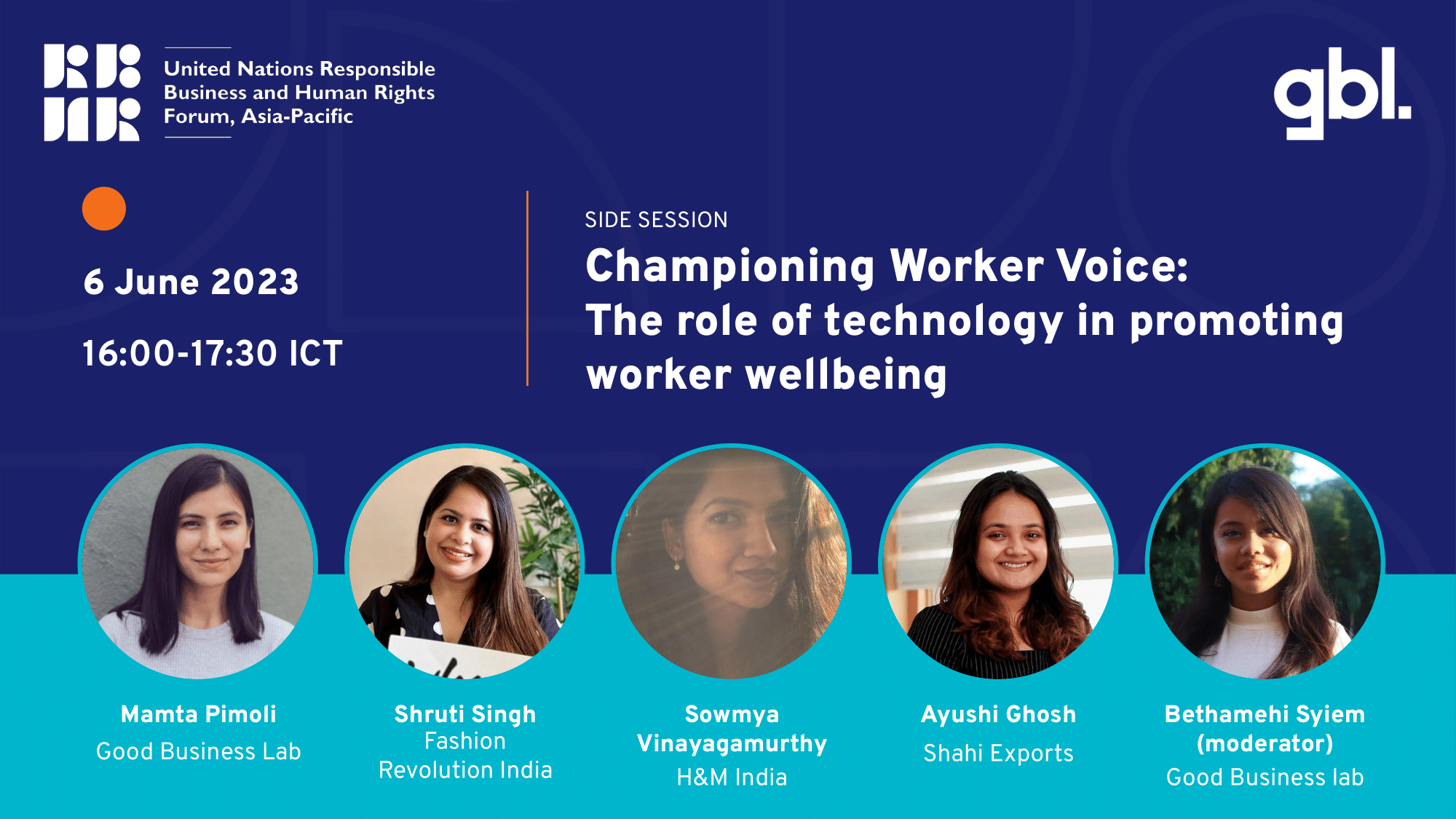
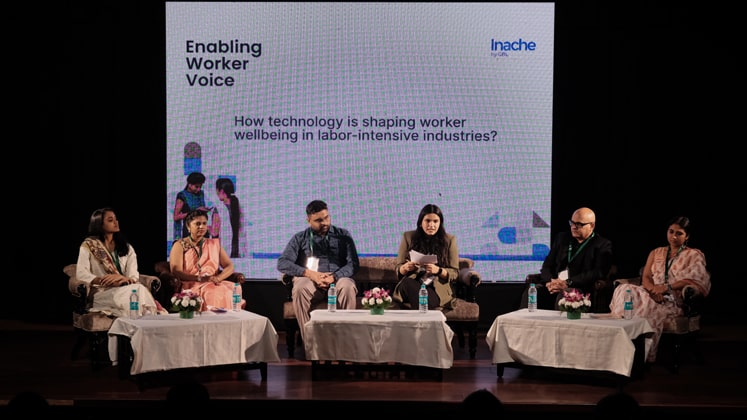
Ayushi Ghosh, Senior Executive, Communication and Sustainability Innovations, represented Shahi in a side session on ‘Championing Worker Voice: The Role of Technology in promoting worker well-being’ at the UNDPv B+HR forum this year.
In this panel, Ayushi spoke about the enduring principles of worker’s voice, emphasizing the importance of listening, understanding, and remediation, even as communication mediums have evolved over time. She stressed the goal of including worker voice in driving meaningful action and supporting a healthy work environment while fostering a thriving business. She highlighted the need to build the employer’s ability to listen and ensure that workers are equipped to utilize the available communication channels effectively. Understanding the journey that their voice takes through these channels is key.
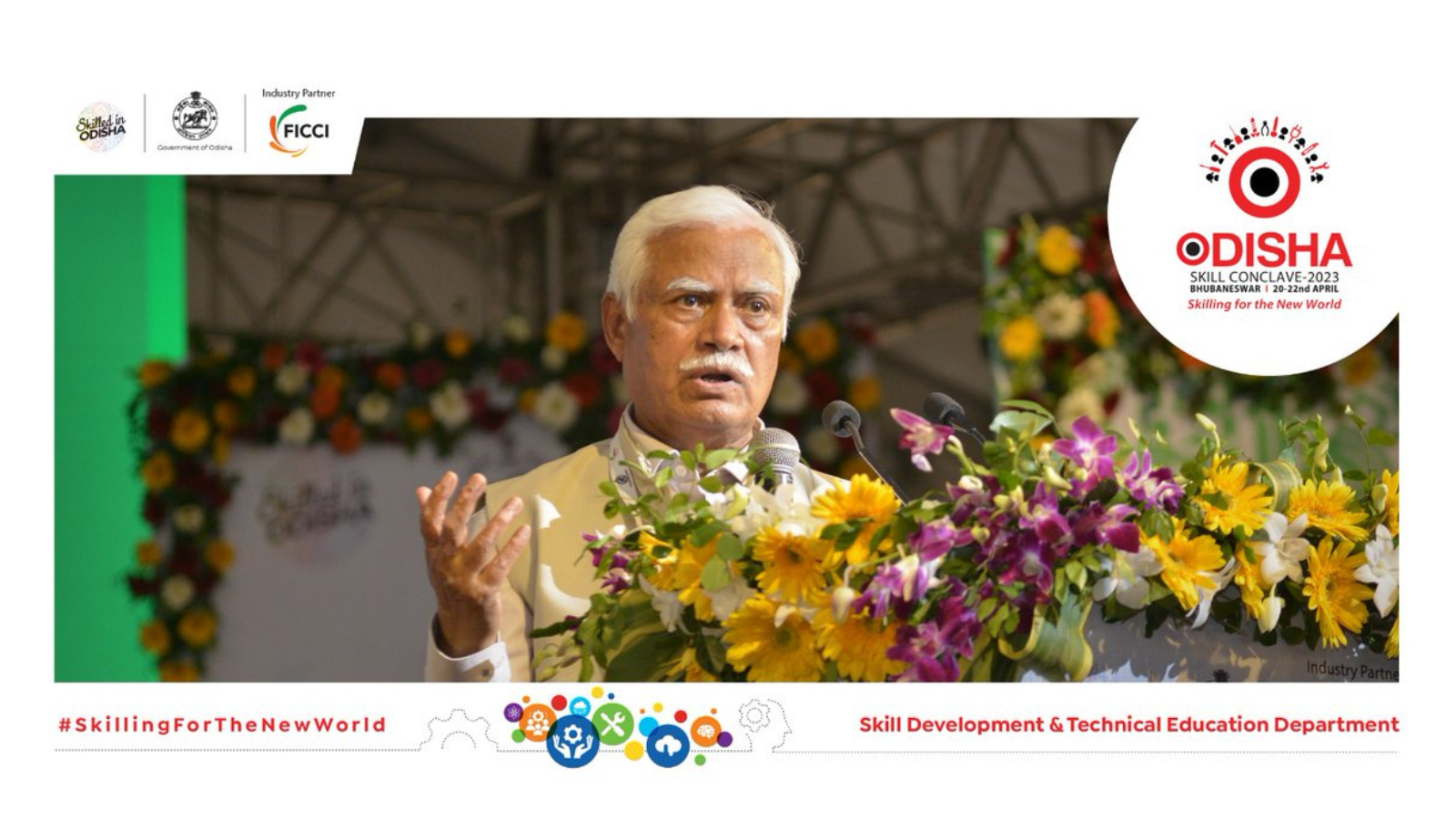
20-22 April | Odisha Skill Conclave 2023
Odisha Skill Conclave 2023 was a three-day event that brought together leaders from Industry, Academia, and International Organizations to explore innovation, best practices, and the role of partnerships in generating employment and unlocking the potential of Odisha’s workforce.
The Government of Odisha has been a long-standing partner in Shahi’s path to making skilling accessible to youth and women in India. JD. Giri, Director at Shahi, described our journey together to empower the next generation of skilled professionals and drive economic growth.
19-21 April | AIChE: Global Polymers and Textiles Conference
Anant Ahuja presented the research on cellulosic superabsorbent polymer (CSAP) at the #AIChe Global Polymers and Textiles Conference held at the University of Massachusetts amidst industry leaders, designers, and academics.
He emphasized the use case of CSAP as a climate adaptive measure to de-risk cotton farmers against crop failure due to water stress. Anant also spoke at the circularity and supply chain management panel and shared his thoughts on the strategic collaboration required to accelerate sustainability in the industry. He highlighted how HKRITA – The Hong Kong Research Institute of Textiles and Apparel Limited’s model of applied research and partnership with the industry enabled us to work efficiently on R&D on CSAP.
15-17 March | 3rd Global Textile Conclave
Anjani Mishra, Deputy General Manager of Skill Development, represented Shahi at the 3rd Global Textile Conclave organized by the Confederation of Indian Textile Industry (CITI).
In a panel on ‘Increasing Economic and Social Opportunities for Women in the Textile and Apparel Industry,’ he spoke about Shahi’s commitment to improving the socio-economic status of female candidates through skilling & gainful employment across 70+ skill development training centers in 15 States in India. He emphasized the importance of Upskilling & Re-skilling existing female employees to improve career progression within the organization.
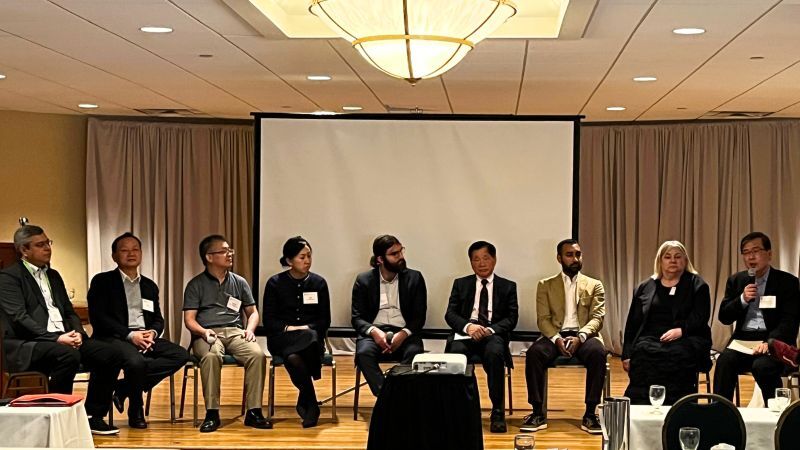
16-17 February | OECD Forum on Due Diligence in the Garment & Footwear Sector
Anant Ahuja represented Shahi at the 2023 OECD – OCDE Forum on Due Diligence in the Garment and Footwear Sector. He spoke at the panel “Due diligence costs and responsibilities:
Collaborative approaches to buyer-supplier relationships” about the value of multi-stakeholder initiatives on due diligence that involves suppliers, brands, NGOs, and other experts to address the challenges in a local context.
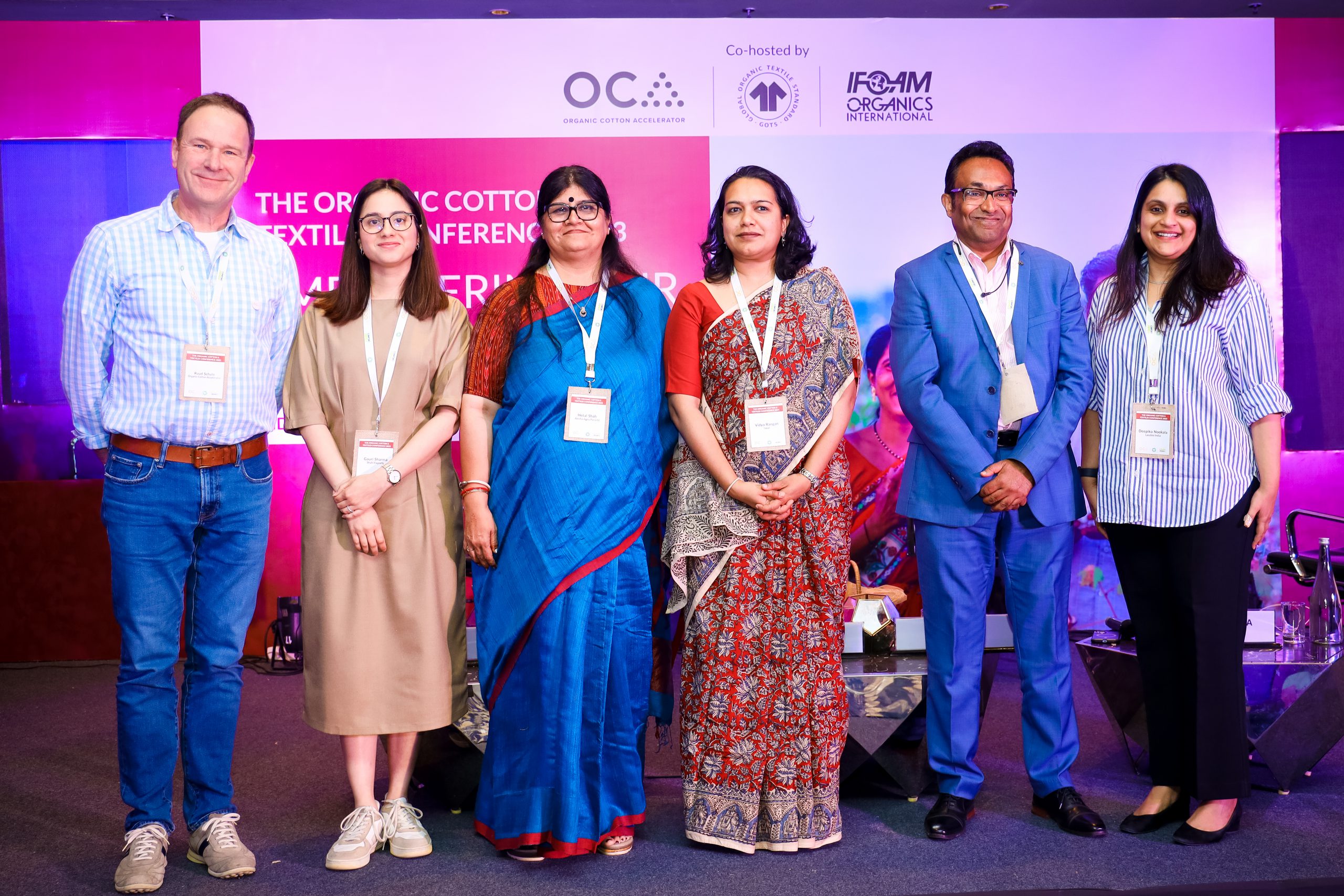
28 February | Organic Cotton & Textiles Conference 2023
Gauri Sharma, Senior Manager, Communications and Sustainability Innovations, Shahi spoke at the Organic Cotton & Textiles Conference 2023 about the social protections that need to be embedded and strengthened at the farm level in cotton production and the pertinent role of emerging policies in enabling these changes.
She also highlighted how a vertically integrated manufacturer like Shahi could play a role in accelerating authentic organic cotton in the industry sustainably.
31 January | BSR KWIL Conference
Gauri Sharma, Senior Manager, Communications and Sustainability Innovations, represented Shahi at the Business for Social Responsibility (BSR) event focusing on their ‘Keeping Workers in the Loop’ (KWIL) Project. In the panel ‘PROGRESS TOWARDS A JUST, FAIR & INCLUSIVE CIRCULAR FASHION SYSTEM’ joined by H&M, ILO, and Hasiru Dala, she shared how the learnings from the KWIL project motivated Shahi to take on a lens of social wellbeing in circularity.
After engaging in the KWIL research last year, Shahi took on projects and pilots on circularity while keeping worker well-being at the center. She also emphasized the role of strong brand-supplier relationships in the fair transition to a circular economy.
30 January | Shades of Blue
Chitra Ramdas, General Manager, Organizational Development at Shahi, participated in a panel discussion on ‘enabling worker voice,’ an essential tool for a thriving business and work environment for manufacturers at Shades of Blue by Good Business Lab.
Shades of Blue was an experience center curated at the Alliance Française de Bangalore that explored blue-collar labor and its many complexities through a fresh way of understanding India’s older garment sector and the emerging gig economy.
24 January | IOM Panel
Anant Ahuja, Head of Organizational Development, represented Shahi in the Indo-Pacific Supply Chain Guidelines Launch hosted by the International Organisation of Migration (IOM). He shared the myriad of challenges faced by migrant workers, including lack of affordable housing, health facilities, and social isolation, among others. Shahi is working closely with ecosystem partners to build a model and ecosystem of support for migrant workers at Shahi in the form of a migrant support center. The aim is to create an enabling environment for migrant workers to access job opportunities and create a model center that can be adopted and scaled across industries and geographies.
December 6, New Delhi: Shahi Exports, India’s largest apparel manufacturer and exporter, released its second Sustainability Report for FY 2022-23 today. The comprehensive report details the company’s extensive initiatives across key focus areas, including Energy and Emissions Management, Water Efficiency, Chemical and Materials Stewardship, Waste Towards Circularity, Empowered Workforce, Employee Health and Well-being, Fair and Respectful Workplace, and Corporate Social Responsibility (CSR).
Anant Ahuja, Head of ESG at Shahi Exports, said, “The past year has marked significant shifts in the narrative, perspective, and business of sustainability in fashion.As the industry evolves,Shahi remains committed to conducting our business in a way that reduces negative impact and maximizes the positive impact on our people and the planet. The Sustainability Report is an important tool in helping us track our progress and identify areas where we can make further improvements. The data and insights reported over the past two years have been invaluable in helping us develop more strategies aligned with long-term thinking on our growth journey.”
Key highlights of the report:
Shahi has moved the needle on Planet targets by:
Increasing renewable energy capacity to 92.5MW brings it closer to 100% renewable electricity goal by 2026.
This year, Shahi phased out coal from garment factories and continue to work on coal elimination in mills.
Achieved Higg FEM verified average score of 78.05%, compared to the global average of 59.67%.
Shahi’s efforts have not gone unnoticed, and have received several international and national awards for the commitment to environmental stewardship, like the International Green Apple Environment Award by The Green Organization and the Excellence in Performance Award by The Confederation of Indian Industry under the ground-mounted solar category.
On the People front:
Shahi has invested 1.2 million hours in upskilling its employees in behavioral & technical skills.
The company continued to invest in soft skills training for women through the Gap Inc. PA.C.E. program, reaching 86,000+ women since 2007 and completing 96% of 2024 training target.
It partnered with the International Organization for Migration (IOM) to support migrant workers and launched the YESS: Yarn Ethically and Sustainably Sourced program to mitigate the risk of forced labor in supply chain.
Harish Ahuja, Managing Director and Chairperson of Shahi Exports said, “Over the years, Shahi has always demonstrated a deeper understanding of the changing landscape of our environment and the role that sustainability as a concept plays in this shift. As Shahi turns 50 next year, we believe sustainability efforts will increasingly underpin our success and drive industry-wide transformation. We will continue in the spirit of collaboration, share our best practices, and advocate for collective action.”