Tag: Responsible for People

  • From Stitching Threads to Weaving Success     

    From Stitching Threads to Weaving Success     

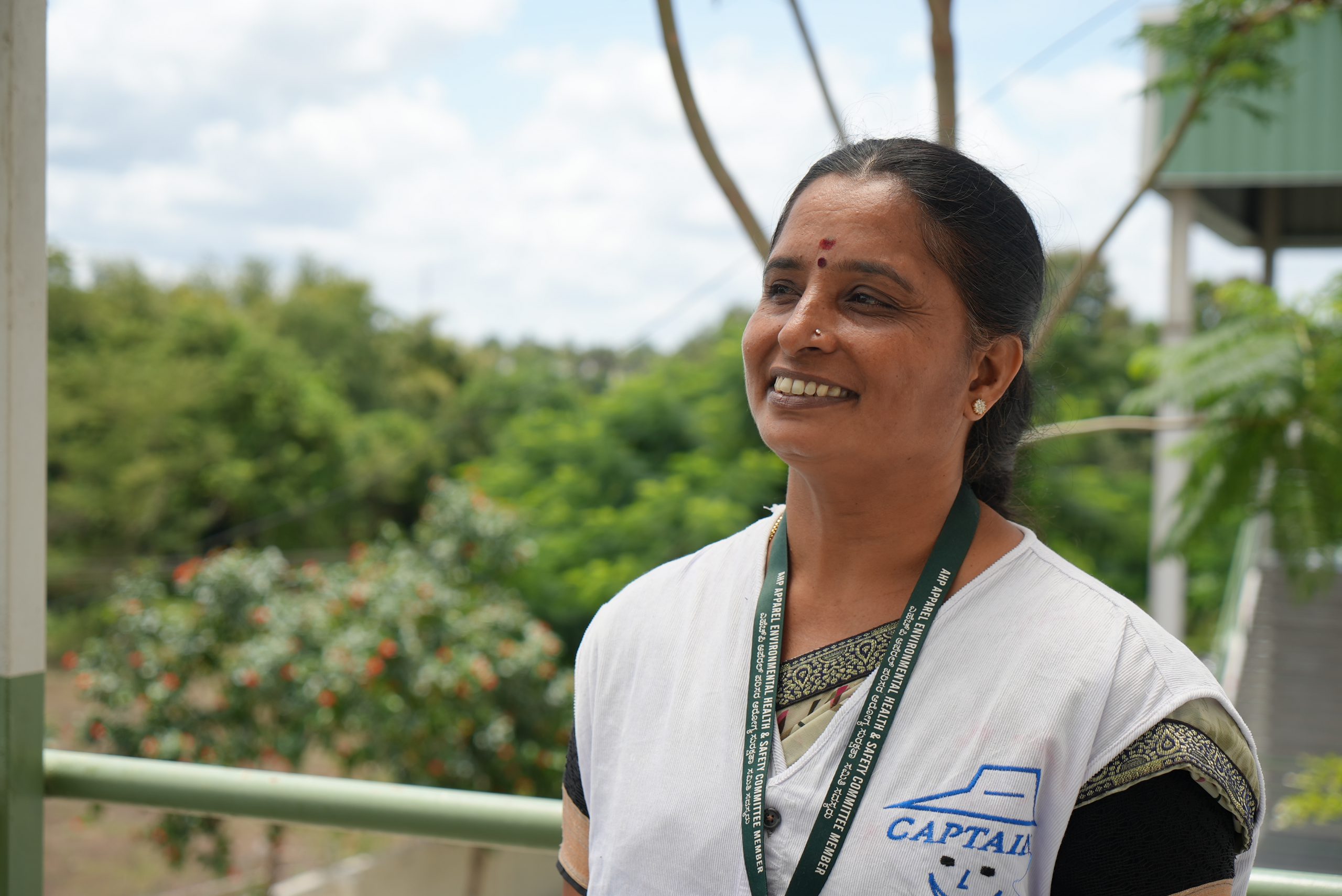
    Rathnamma’s incredible story of training under almost all of Shahi’s programs to leading a line of her own and striving for a better workplace.

    “There was a school in my village, Chiknallie, opposite my house. For almost seven years, I served as a teacher there,” Rathnamma said; her eyes sparkled, and a wide smile embraced her face. 

    Rathnamma, a resilient and determined individual hailing from Pandavapura, Mysore, has a story that embodies perseverance and adaptability within the backdrop of a close-knit, rural community. She has remained a valued member at Shahi in Mysore for four years.

    The sparkle turned into a determined fire when asked why she moved to Srirangapatna. She has a singular goal,

    “So that my children can have a good education. I am passionate about ensuring my kids receive a good education.” 

    She joined Shahi as a tailor and was enrolled in the Gap Inc. P.A.C.E. Program. 

    “When I was first introduced to the Gap Inc. P.A.C.E program, a group of us humorously mistook it as the FACE program. I was puzzled, wondering what they would teach us about faces and related topics,” she chuckled. Designed to support career and personal life development, the program unveiled new perspectives and insights.

    “It helped me see things from a different perspective and highlighted areas where improvements could be made. I also learned how to approach my responsibilities at work and within my family.” Rathnamma’s growth, adaptability, and pride are evident.

    In 2021, Rathnamma became Captain in the cutting department. She proudly says,

    “It was recognized that I possessed leadership qualities and the ability to manage and lead a group of people effectively.”

    But, her desire to learn led her to sign up for STITCH. A takeaway for Rathnamma was how to motivate her colleagues on a fast-paced factory floor. Her approach is “grounded and empathetic.”

    “Before they begin working on the machine, I make it a point to call them in advance,” she explains. Her proactive guidance ensures smooth transitions for her team from one style to another.

    Her dedication to her work and community is evident in her election as a committee member. Currently, she serves as an EHS committee member, focusing on the well-being and safety of her fellow workers.

    “If I could speak to my younger self, I would convey a message of resilience and pride. I would tell my younger self that she once may have felt confined like a frog in a well but broke free of those limitations.”

    Rathnamma pursued her dreams, acquired new skills through hard work, and emerged as a leader, all while remaining deeply committed to her family and community.
  • Sharing the Legacy of Empowering Women: The G20 EMPOWER Best Practices Playbook

    Sharing the Legacy of Empowering Women: The G20 EMPOWER Best Practices Playbook

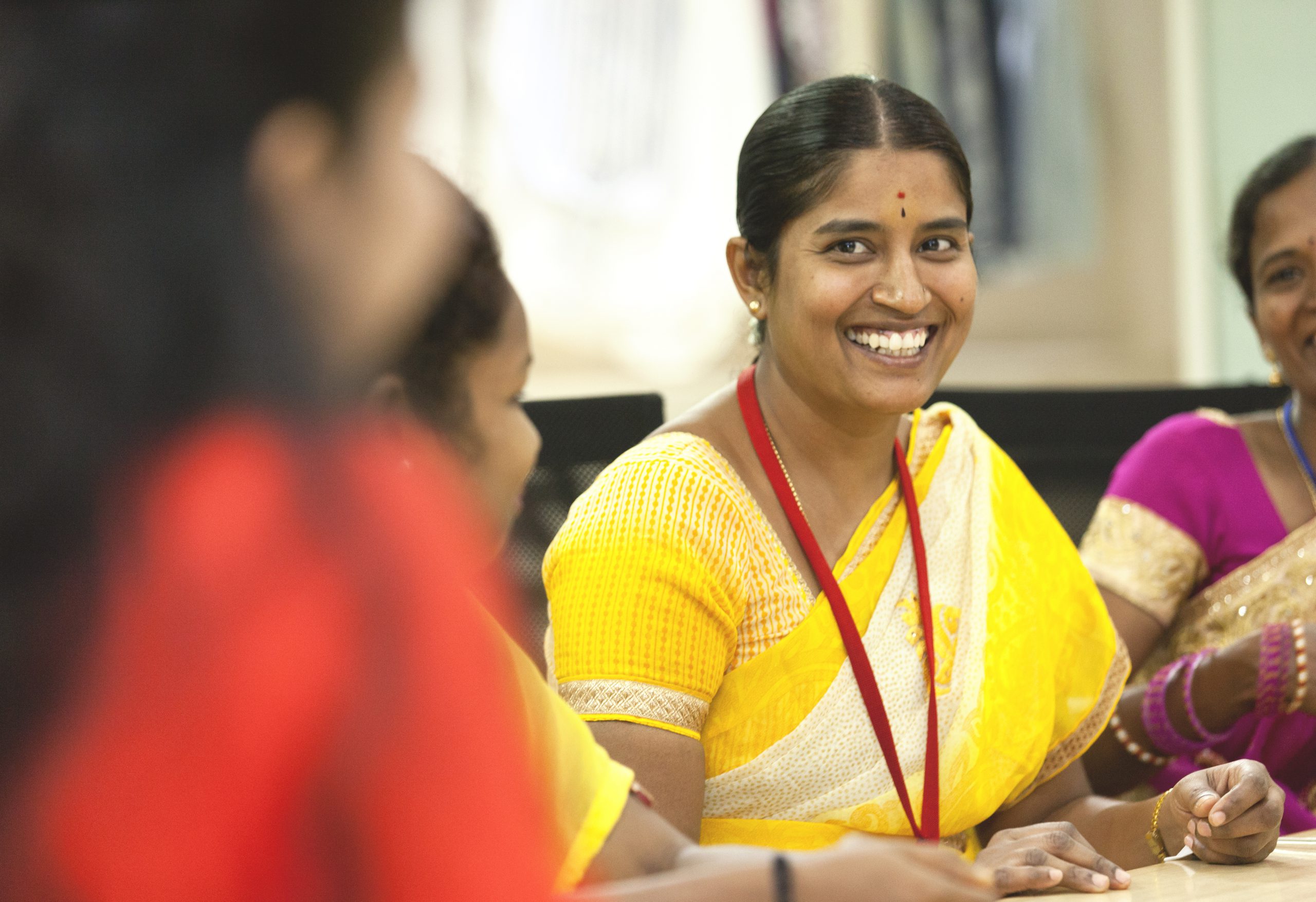
    Our legacy, rooted in empowering women, has helped Shahi make significant strides in promoting gender equality and economic empowerment. Anant Ahuja, Head of Organizational Development at Shahi, joined the G20 Empower Alliance as an Advocate, reinforcing the company’s commitment to women’s advancement and carrying forward Shahi’s legacy of building financial independence, providing access to health awareness, and enhancing soft skills for women.

    The G20 EMPOWER initiative, short for the G20 Alliance for the Empowerment and Progression of Women’s Economic Representation, is a global movement with a clear vision—to be the most inclusive and action-driven alliance among businesses and governments, accelerating women’s leadership and empowerment across G20 countries. It’s an ambitious endeavor is dedicated to advancing women’s roles in the private sector and achieving gender equality.

    G20 Empower’s Best Practices Playbook

    One of the outcomes of the G20 Empower initiative is the Best Practices Playbook. This valuable resource compiles best practices from organizations across G20 countries and invited nations. It focuses on four key areas:

    • Measuring to Improve
    • Building and Nourishing an Efficient and Sustainable Women Talent Pipeline
    • Enabling Women to Lead the Future
    • Supporting Women Entrepreneurs & Leaders at the Local Level

    This year, a new focus area, ‘Supporting Women Entrepreneurs & Leaders at the Local Level,’ has been added, strengthening the commitment of both the private and public sectors to women’s advancement.

    The Playbook features the best practices of 151 organizations across 19 G20 countries and invited nations. It’s a testament to the collective efforts of these organizations to advance women’s leadership and empowerment.

    Leading the way: Shahi’s Best Practices

    Shahi has heavily invested in studying the impact women’s empowerment can have on businesses.

    Our collaboration with GAP Inc, piloted the P.A.C.E. (Personal Advancement & Career Enhancement) training program in 2007. This program offers comprehensive curriculum-based training, focusing on managerial, interpersonal, organizational, and practical skills. It’s designed to empower women not just in their careers but in their lives.

    The program extends its impact beyond the workplace, sensitizing supervisors, factory staff, and even family members of garment workers. It creates a supportive environment that empowers women to apply their newly acquired skills, helping them break down the barriers to personal and professional growth.

    Our company has established over 80 training centers in collaboration with public-private partnerships, creating employment opportunities and serving as a vital stepping stone for economic progress. These centers offer comprehensive training, including the GAP Inc. P.A.C.E. program, as a standard part of their curriculum. Shahi has already trained 74,000 female workers through the GAP Inc P.A.C.E. program, with a goal to benefit 90,000 workers by 2024.

    Through relentless research and innovation, Shahi has introduced transformative training initiatives like the STITCH program tailored for supervisors. This soft skills training program enhances their capabilities in self-reflection, making them more effective leaders and team members.

    Advocating for Empowerment

    Earlier this year, Anant Ahuja, Head of Organizational Development at Shahi, joined the G20 Empower Alliance as an Advocate. Reinforcing the company’s commitment to women’s advancement and carrying forward Shahi’s legacy of building financial independence, providing access to health awareness, and enhancing soft skills for women.

    “Empowering women is essential to the goal of gender equality and equity,” says Anant Ahuja. He reflects on Shahi’s history, founded by his grandmother, Sarla Ahuja, with a vision to provide independent income to women.

    Through the G20 Empower Alliance, Shahi has become part of a global community of like-minded leaders dedicated to the advancement and empowerment of women. Anant Ahuja’s words resonate: “We hope to make the experience of scaling new heights for women even better, more satisfying, and rewarding.”

  • COVID-19 outbreak: Repurposing our factories to produce PPE for frontline healthcare professionals

    COVID-19 outbreak: Repurposing our factories to produce PPE for frontline healthcare professionals

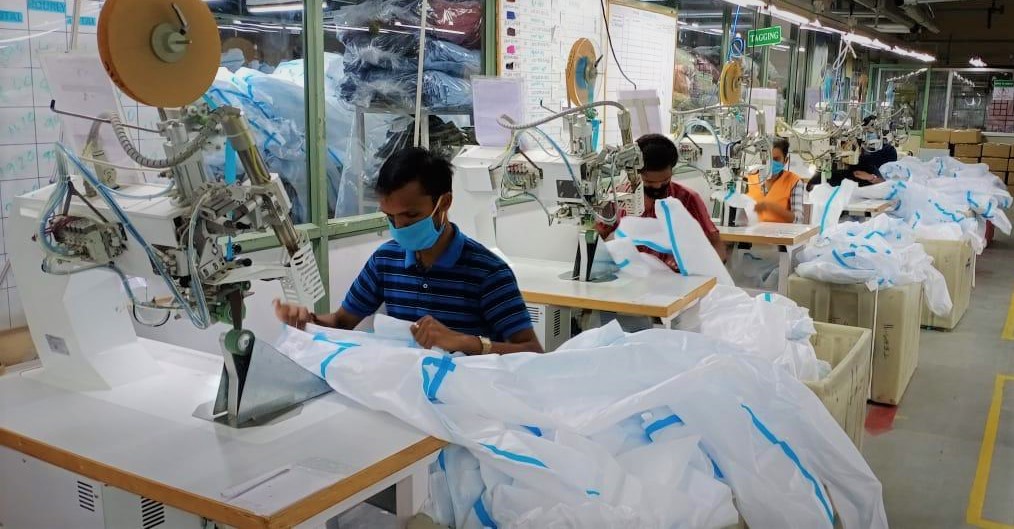
    To cater to the rising demand of Personal Protective Equipment (PPE) amid the COVID-19 outbreak, we have produced over 500,000 PPE suits for frontline healthcare professionals, while ensuring social distancing and other preventive measures during the production. We are grateful to our employees who have contributed to the production of these suits. (more…)
  • Iron Woman: Fighting anemia among our female employees

    Iron Woman: Fighting anemia among our female employees

    India has the largest number of anemic women in the world, with more than half (51%) of all women of reproductive age being anemic. This has been attributed to multiple factors ranging from poor nutrition and repeated childbearing, to high incidence of infections. Apart from affecting mobility, mental health, and causing pain and discomfort, anemia can also result in significant productivity losses. Read this update to understand our commitment to women’ s health.

    Considering the scale of the problem, the Directorate of Factories and Boilers’ in Karnataka recently launched a state-wide drive to test female workers in factories and assess the prevalence of anemia through Employee State Insurance (ESI). Taking a proactive and collaborative approach, Shahi launched the “IronWoman” a project that tests women for their blood hemoglobin levels and provides iron tablets to those found anemic. In the first phase, Shahi partnered with ESI to conduct hemoglobin testing for around 20,000 women in 25 factories. We found that 29% of women were anemic and provided all affected women with free iron supplementation and treatment for three months through ESI.

    Hemoglobin testing in factories

    Realizing the depth and extent of this problem, in December 2018 we launched the second phase of this project in our rural factories and have since tested an additional 13,500 women. We found that the incidence rate in rural factories is 22%, almost 8% lower than urban factories. These are interesting insights for Shahi and we are still looking into why there is a difference between urban and rural factories and how Shahi can support women to improve their hemoglobin levels. This is why we have partnered with Namma Wellness, a healthcare organization that provides specialized medical support services to corporates, to retest these women after three months and check for improvements in hemoglobin levels.

    As a majority female company, we believe that women’s health and well-being is a critical issue for us to address, and fighting anemia, which is considered to be the biggest cause of disability in India, takes top priority. We’re also committed to learning and sharing our experience from this program. Good Business Lab, a not-for-profit social innovation lab incubated by Shahi, is conducting a randomized controlled trial (RCT) on this project to understand how regularly the women took tablets, if they changed their dietary habits to eat more iron rich foods, and whether the improvement in health was reflected in their productivity, attendance, energy levels and general satisfaction towards work. Through this rigorous research, we aim to build the business case for the industry and the wider private sector for investing in women’s health, particularly the widespread problem of anemia among India’s women.