Remember that feeling of staring out the window during a class, your mind a million miles away, sketching fantastical machines or spaceships in the margins of your notebook? Those doodles, fueled by childhood curiosity, held the potential for a future astronaut, engineer, or inventor. But sometimes, the traditional classroom setting might not fully capture that spark. It could be the marks or your mind on a wild goose chase for that formula!
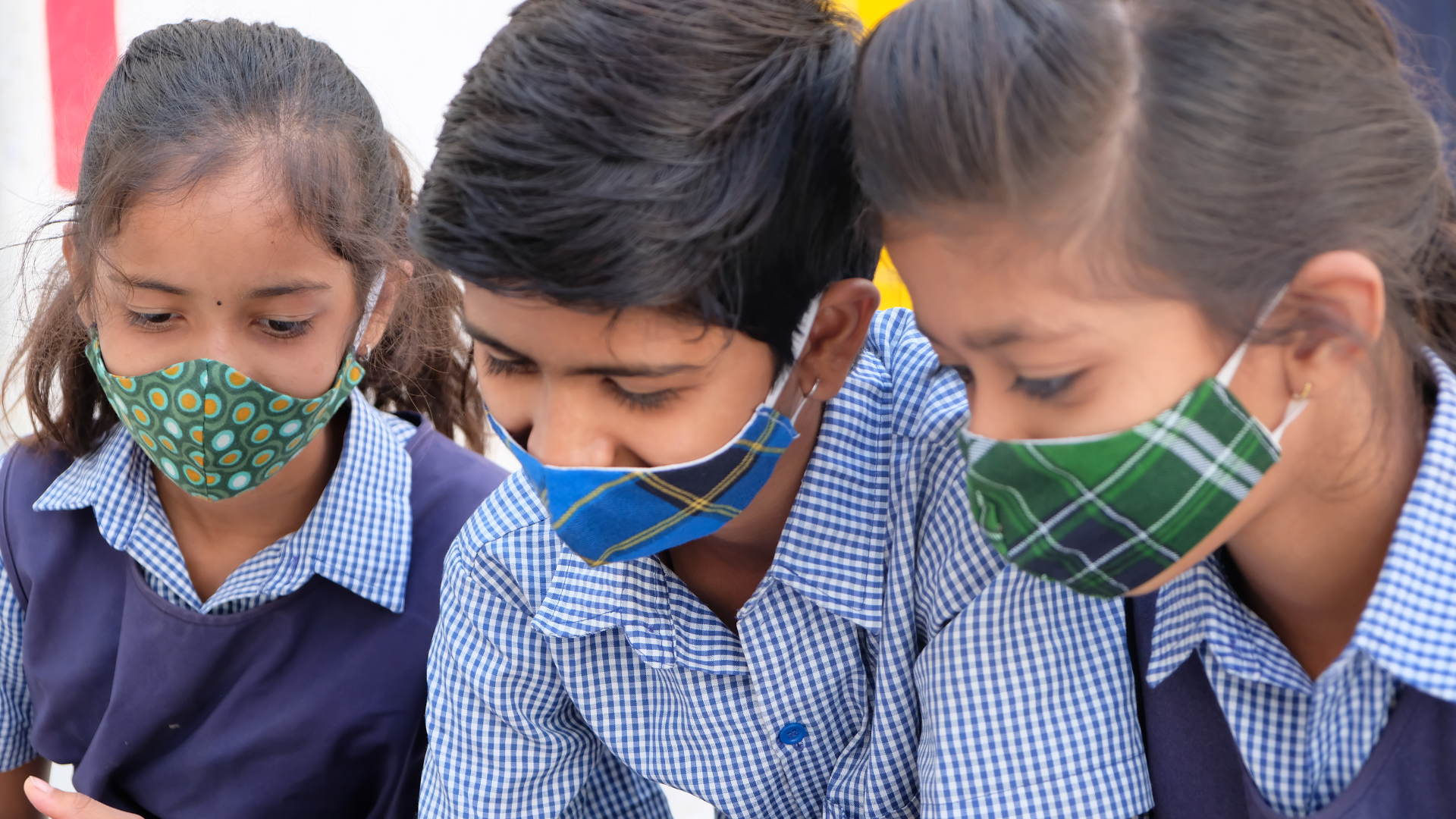
In India’s bustling schools, where millions of young minds hold the potential to revolutionize the future, fostering a love for STEM (Science, Technology, Engineering, and Mathematics) presents unique opportunities.
The Heightened Demand for STEM Skills
STEM skills, in particular, are experiencing a surge in demand across various sectors. Industries across the board, from manufacturing and logistics to finance and marketing, rely heavily on a strong foundation in STEM disciplines. From complex data analysis in finance to intricate calculations in engineering, a strong foundation in STEM concepts is becoming increasingly crucial for success in the modern workplace.
Is India Meeting the Demand?
School education forms the foundation of India’s workforce. 86% of India’s labor force has education up to Class 12 or below. Around 36.3% of boys in the 14-18-year-old age group enroll in STEM streams, with a lower enrollment rate of 28.1% among girls. Most of the young people in this age group enroll in the Arts/Humanities stream, comprising 55.7%. While the exact demand for STEM professionals varies by industry, these statistics suggest a potential shortage. India has a vast young population, but it needs to equip them with the necessary skills to thrive in a technology-driven world.
Why Foundational Years Matter
The early years are a time of immense intellectual growth. Children are naturally curious explorers, eager to understand the world around them. By providing engaging and interactive experiences, we can equip them with critical thinking, problem-solving, and collaboration skills – foundational skills that benefit them not just in science and math classrooms but in every aspect of their lives.
However, the road to a robust STEM education system in India is not without its hurdles. A staggering statistic reveals that one in four schools in rural India lacks basic facilities. Many of these schools miss essential resources, such as laboratories, which are crucial for effective science education. Furthermore, most initiatives in rural areas tend to focus on economic development and agriculture, often sidelining science education. The absence of basic amenities and a focus on other priorities hamper students’ ability to learn effectively and limit their exposure to practical, hands-on learning experiences.
Akshara: Inspiring Young Minds
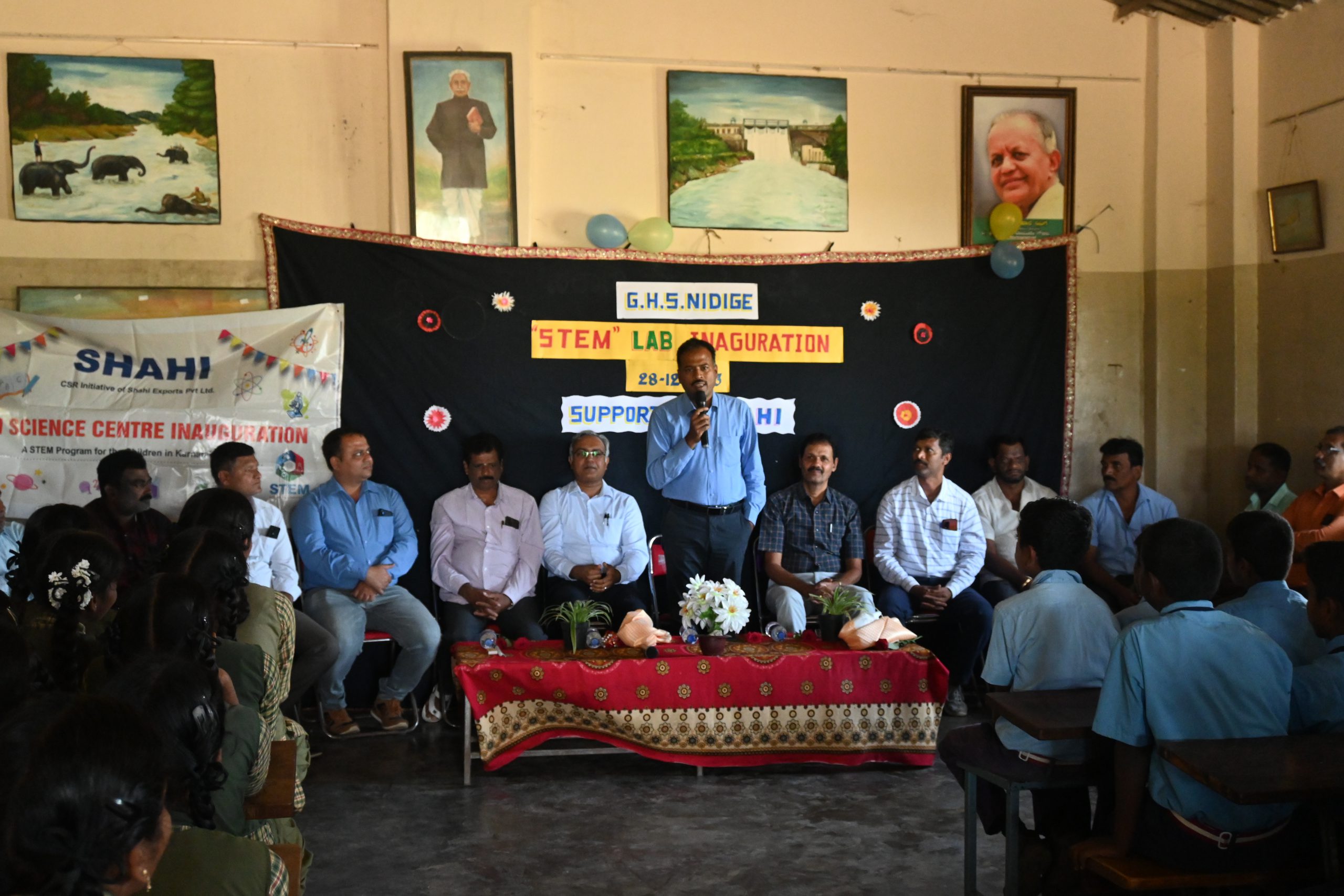
Akshara: The school development project under Shahi’s Shikshanam Initiative seeks to partner with STEM Learning, a social enterprise to facilitate a unique way of teaching and learning STEM.
At Shahi Exports, Our commitment extends beyond mere business; it’s a shared vision to empower the next generation. We understand the critical role STEM education plays in fostering innovation and building a skilled workforce. The Akshara program is a fantastic initiative that equips young minds with the scientific knowledge and critical thinking skills necessary to thrive in the modern economy.”
– Alagappan R, COO, Knits Processing Division
This innovative program encourages the building of mini science labs in government schools equipped with materials to explore over 80 modules in foundational STEM concepts. Imagine a classroom transformed – a vibrant hub where children can build circuits, conduct experiments, and explore the wonders of science firsthand!
Since 2021, Akshara has provided access to STEM Learning 24 Mini Science Centers to 5300 students across Government schools in rural Karnataka. We aim to reach 6000 students by 2025.
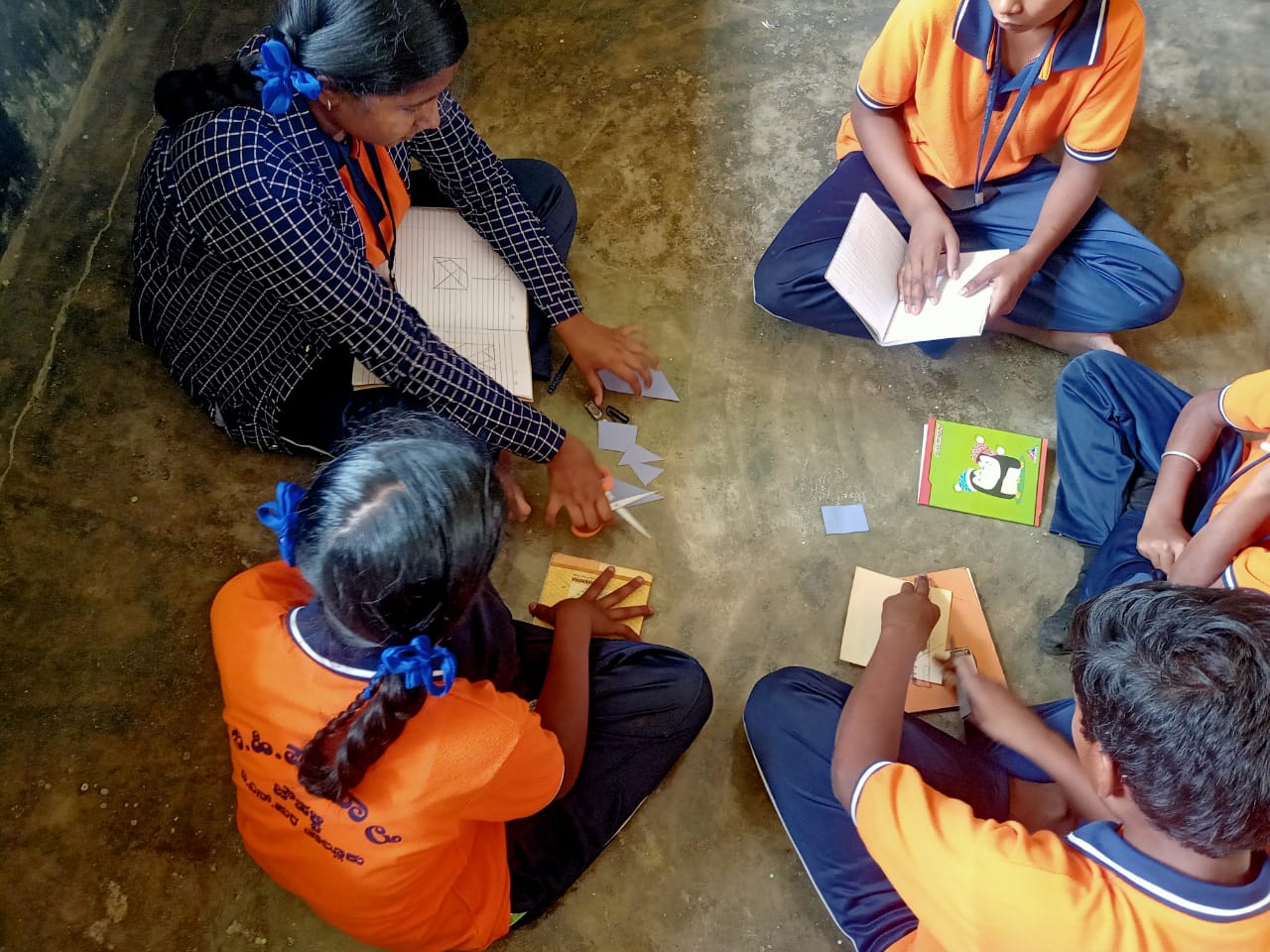
Do-It-Yourself (DIY) projects bring an exciting dimension to STEM learning. It brings concepts to life where students can hold tools in hand and transform simple materials into working models. For example, Tangrams— a Chinese puzzle made from geometric shapes. Students cut colorful sheets into five triangles, a square, and a parallelogram, then combine these pieces to form various shapes. Tangrams are a great way to develop problem-solving skills, spatial reasoning, and creativity. They can also help with hand-eye coordination and visual perception. As students build, test, and iterate, they develop a deep, intuitive understanding of science and math, turning abstract ideas into tangible realities.
Empowering Educators
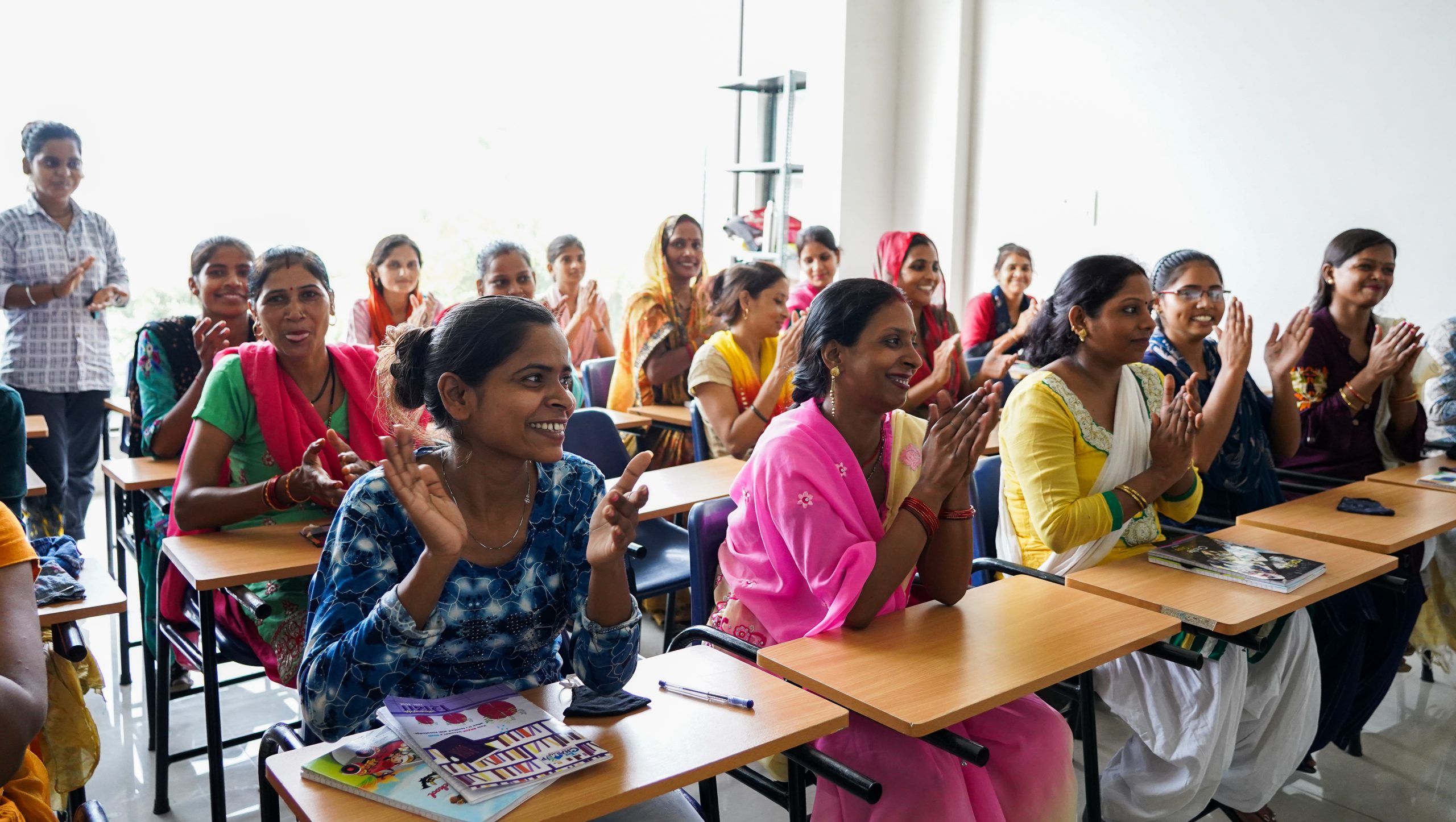
The Akshara program understands that impactful learning requires more than just resources. That’s why the program goes a step further by providing dedicated support to teachers. Educators receive comprehensive training on how to make the most of the Mini Science Centre models, ensuring they can effectively guide students through engaging activities and experiments. Teachers believe students grasp science and math concepts more easily due to the models and optimized teaching time.
“Explaining concepts like motion and friction is difficult without demonstration. But the Science Center has transformed my classroom! Many biology models, like the Human ear and Human eye, help students understand these structures better. Seeing the excitement in my student’s eyes as they build and experiment with the Mini Science Centre models is truly rewarding.”
Tamanna Roshan, Teacher, Government Higher Primary School, Kanchanahalli.
86% of students reported that complex and difficult topics were explained more easily with the assistance of models, and 91% of students feel the teaching-learning process is more engaging and interactive with the Mini Science Center. *
The Real Impact
This commitment to both resources and teacher training has yielded impressive results. Studies have shown that students participating in similar programs demonstrate improved academic performance in science and math, increased analytical thinking skills, and a higher level of engagement in the classroom. The impact of the Akshara program itself is equally compelling. 87% of students found it easier to express their understanding, and 13% felt more confident applying concepts to real-life scenarios*. DIY activities enabled the students to apply their knowledge and turn these into skills they can explore further.
“The MSC lab makes me happy just by hearing its name. Before the Akshara program, science class felt boring. Now, it’s my favorite subject! I love building things and figuring out how they work. The Mini Science Centre models are so much fun, and help me understand the concepts better. The Day and Night model looked cool and gave me a clear idea of how day and night occur, which I only knew from theory in 5th grade. I love all the models in the school and enjoy spending time in the lab.”
Jayanth J S, Class VII student at Government Higher Primary School, Arekere
A Brighter Future
The impact of such programs can be profound. Consider a young girl, once curious about the world around her, who now lights up with excitement as she builds a tiny solar-powered car. This newfound passion for exploration can pave the way for future careers in science and technology or simply equip her with the critical thinking skills necessary to tackle any challenge life throws her way.
We are excited to explore how to make STEM learning even more engaging and empower the next generation of Indian innovators to take their doodles from the margins of their notebooks to the forefront of the future.
*Endline Survey Conducted by STEM Learning amongst students from 5th-7th Grade in 2023-24.
New Delhi, May 14, 2024: Shahi Exports, India’s largest apparel manufacturer and exporter, announced a joint venture with Little King Global, one of Taiwan’s premier synthetic sportswear fabric manufacturers. The joint venture is a part of the company’s expansion roadmap. This collaboration marks the birth of a state-of-the-art processing unit for synthetic performance fabrics strategically located in Shimoga, Karnataka. The venture will also boost employment in Shimoga, making Shahi one of the largest employers in the manufacturing sector in this region.
The production line is set to be fully operational by the end of this year, boasting an impressive initial production capacity of 500 tons per month. This capacity is slated to double in the future, reaching an ambitious 1000 tons per month.
Mr. Ramalingam T, CEO, Knits Division at Shahi Exports, said,
“This is an important step for us to expand our footprint and focus on enhancing our product portfolio. Our partnership with Little King Global is not just a venture but a commitment to our customers, assuring them access to the very best in class when it comes to synthetic fabrics. Our goal is continual improvement and relentless focus on product development as we continue growing and increasing the scale of operations. We also aim to contribute toward boosting employment generation across the country.”
With technology and expertise directly from Little King Global, a company revered for over four decades of experience and accredited by major sportswear brands, the Shimoga facility is poised to set a new benchmark in fabric manufacturing. Little King Global’s innovative prowess is renowned, with its flagship innovation center in Taiwan emphasizing relentless advancement, from fibers and yarns to varied knitting and processing techniques.
Mr. Bruce Liao, Vice President, Little King Global, said,
“Our mission is to be a world-class partner in supplying sustainable, functional fabrics for brand customers. Shahi is well known for its ESG framework, worker well-being initiatives, and innovation in the textile and apparel industry. With the global supply chain shift and the rise of India’s manufacturing trend, we should leverage the best resources from advanced technologies, economical production, and talent for our Shimoga plant. Once the plant is operational, we will offer recycled, responsive, and resilient services for our valued customers.”
The textile and apparel industry is characterized by rapid changes in fashion trends, intricate supply chain dynamics, and fierce global competitiveness. Middle managers, positioned between top-level executives and frontline employees, play a crucial role in converting strategic objectives into practical plans. However, their duties frequently demand diverse skills beyond conventional managerial capabilities. Recognizing the need to cultivate and empower emerging leaders within its ranks, Shahi introduced PULSE– Promoting Upcoming Leadership at Shahi Exports.
“The program emerged to elevate leadership competence in organizational settings. The primary objective was to foster a democratic approach to mapping and executing work, emphasizing clear communication, team fortification, and the ability to inspire and motivate teams across our operations.”
Deepak Rautela, Associate Vice President, Organizational Development
The challenge: Designing an Effective Leadership Program
Challenge #1
The garment industry is highly competitive and demands time-bound delivery. Middle managers, whether on the shop floor or in a corporate set-up, face unprecedented challenges while ensuring timely planning and implementation of their key results. They are also the next in line to lead in their roles, making their development at their current level crucial to retention.
Challenge #2
Training is often perceived as a considerable investment away from work. Our Organizational Development team explored a range of formats. Initial approaches centered around one or two-day open programs, with brief interventions in the form of workshops or training sessions. These programs primarily served as awareness initiatives to address specific topics identified based on organizational needs and goals.
“The condensed format aimed at providing a snapshot of training within a day. However, identifying the limitations of this brief model, which often resulted in lower retention rates and lacked sustained impact, we transitioned to the PULSE program.”
Bhagyashree Rao, Trainer, Organizational Development
The Sweet Spot: Key Skills and Value for Time
PULSE is designed to focus on two key concepts: leading oneself and leading others.
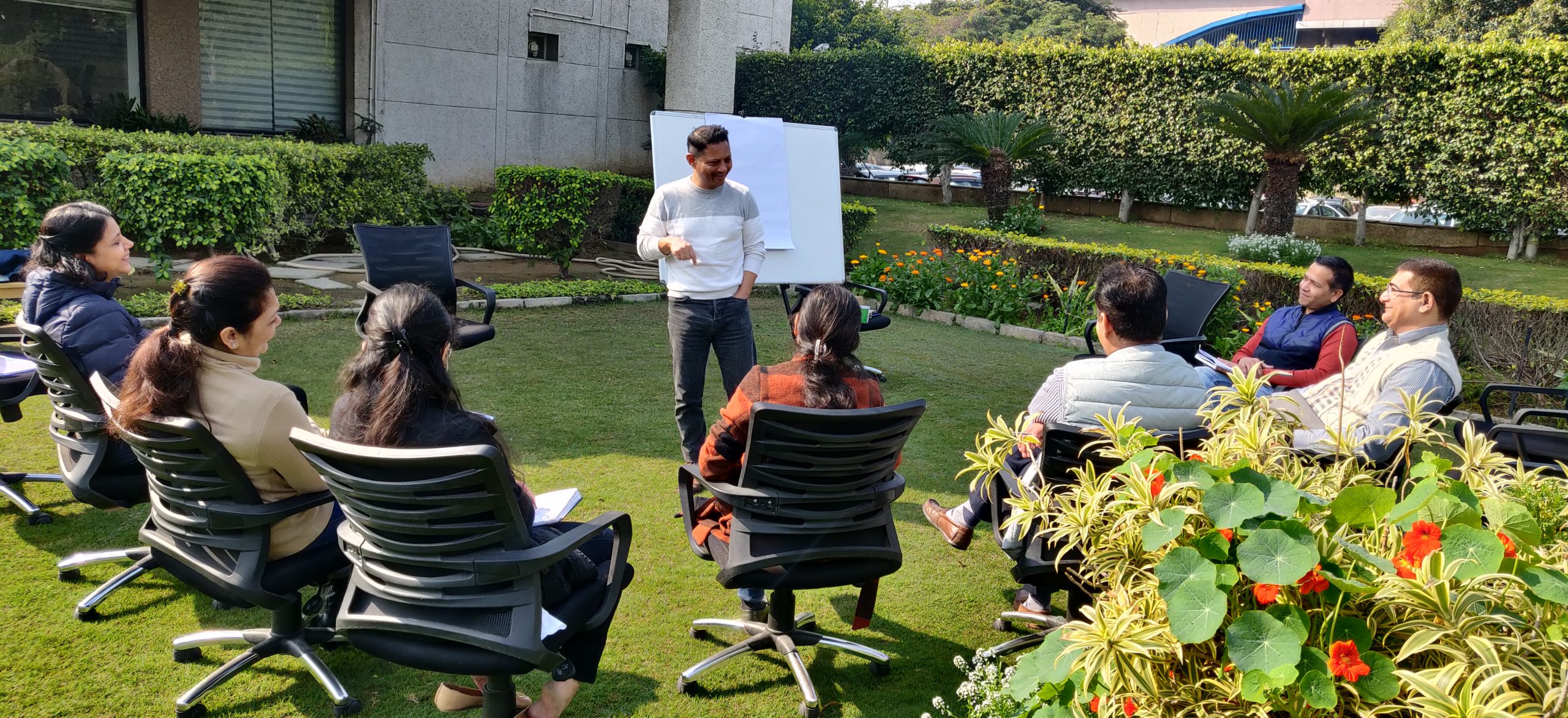
The sessions, extending over 8-12 months, involve 3-4 hours weekly, comprising a transformative journey across various leadership aspects. The design prioritizes personal and interpersonal growth, focusing on two key concepts: leading oneself and leading others.
The modules target key competencies such as:
Preparedness to take up higher responsibilities and more prominent roles.
Authentic leadership and people management
Effectiveness in planning and operational alignment
Clear communication and line of sight
Decision-making and problem-solving
Higher performance, ownership, and proactivity
Building strong teams
Better relationships & collaboration at work
Infusing Feedback: What sets PULSE apart
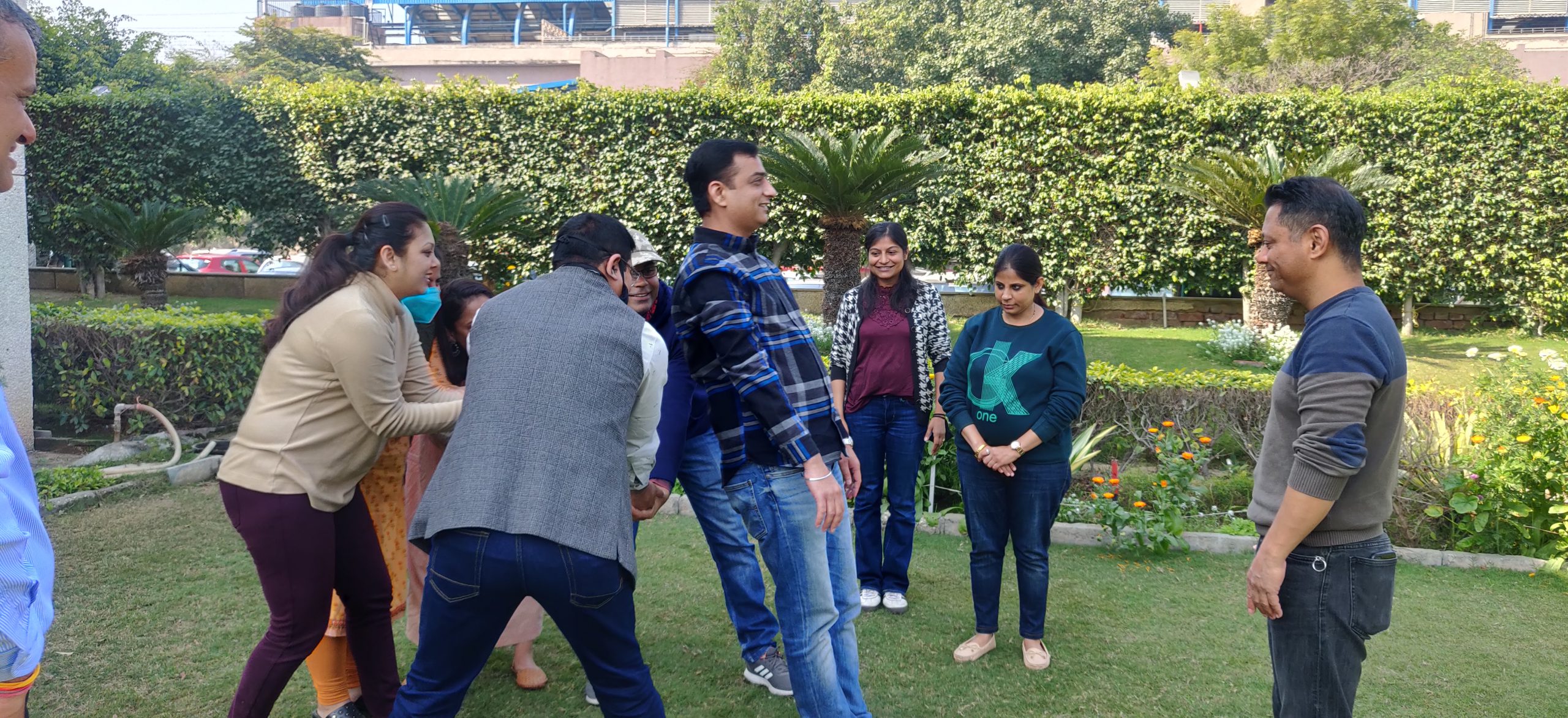
PULSE goes beyond imparting skills, tools, and essential leadership habits. It integrates interactive methods such as motivational videos and real-life examples. The overarching goal is to instill the ability to create and sustain an authentic culture where organizational values seamlessly align with the vision, fostering a win-win situation for all involved.
Reflecting on the training experience, Manoj Mendiratta, GM, Marketing, Ladies Speacialty Division, said, “One of the highlights is redefining the meaning of ‘Feedback’ – shifting from a mere focus on ‘Points to Improve’ to understanding it as a combination of reinforcing positive aspects and identifying paths for improvement.”
The feedback and review process is structured, involving daily reviews focusing on individual improvement, behavior, and feedback mechanisms. Regular coaching and internal, periodic, and final reviews provide a comprehensive understanding of participants’ growth.
Impact
Enabling the participants to navigate challenges with resilience and determination, the pulse program empowers individuals and teams to take ownership of their actions. It cultivates effective habits, positive self-esteem, values, and emotional intelligence, all of which are pivotal in fostering success on both personal and professional fronts.
“One of my key takeaways from the program was ‘CARRY YOUR OWN WEATHER’, which has proven to be an incredibly powerful statement. It has allowed me to be self-reliant and maintain a positive attitude, regardless of external factors. By staying optimistic and focused on solutions, even during challenging times, I can inspire my team members to do the same and work together towards achieving our goals.”
Garima Sharma, GM – Marketing at LSD
Further, Shahi recognizes the significance of training and operational excellence, which is evident in the training of 455 leaders through PULSE. We successfully achieved 91% of our senior management training goal, delivering a total of 13,637 hours of training through the program.
This detailed approach extends with post-training interventions like individual development plans even after program completion. Certification serves as a reminder for trainees to sustain their acquired changes and learning. This underscores the objective of maximizing learning retention and sustaining development, guaranteeing a lasting impact on participants’ professional growth.
The Road Ahead
The vision for PULSE is to develop a foundational platform for succession planning, which will play a pivotal role in identifying high-potential leaders within the system.
Succession planning is a strategic imperative for forward-thinking industries and an essential process of identifying and developing organizational talent. This ensures smooth transitions in key leadership roles. PULSE graduates can seamlessly fill key roles when incumbents transition due to retirement, promotion, or unforeseen circumstances.
Jayati Kak, DMM, Marketing, LSD, finds inspiration from her PULSE journey and shares her vision,
“I certainly look forward to additional training programs that facilitate the professional development of both myself and my team, extending beyond conventional “On-the-job” technical learning experiences.”
Jayati Kak, DMM, Marketing, LSD
The long-term goals are to drive retention, uphold organizational values, and sustain a positive culture. PULSE is a critical element in this process, emphasizing that worker training initiatives may prove futile if leadership is not aligned to embrace new concepts. PULSE’s feedback component helps achieve that alignment, creating value in upgraded skills and concepts for the organization’s overall success and growth.
As industries navigate a dynamic and competitive landscape, succession planning emerges as a proactive measure, stimulating continuity, bolstering resilience, and attracting top talent to drive future success. By leveraging PULSE, we proactively prepare for leadership transitions, mitigating risks associated with talent gaps and ensuring smooth organizational progression.
“The program successfully meets the organization’s goals, contributing to overall achievement through effective training. I believe expanding the scope of our training program to include more managers at the mid-management level, such as assistant managers and factory floor managers, developing a mindset that aligns with site requirements and fosters growth.”
Sujeet, Operation Head, E10
Our target is to train 500 leaders under PULSE by 2025.
Through PULSE, Shahi is not just charting a growth path for its people but also grooming future leaders. In a world where leadership is a driving force behind success, PULSE stands as a beacon of inspiration, guiding upcoming leaders to transcend boundaries and lead with integrity, empathy, and effectiveness.
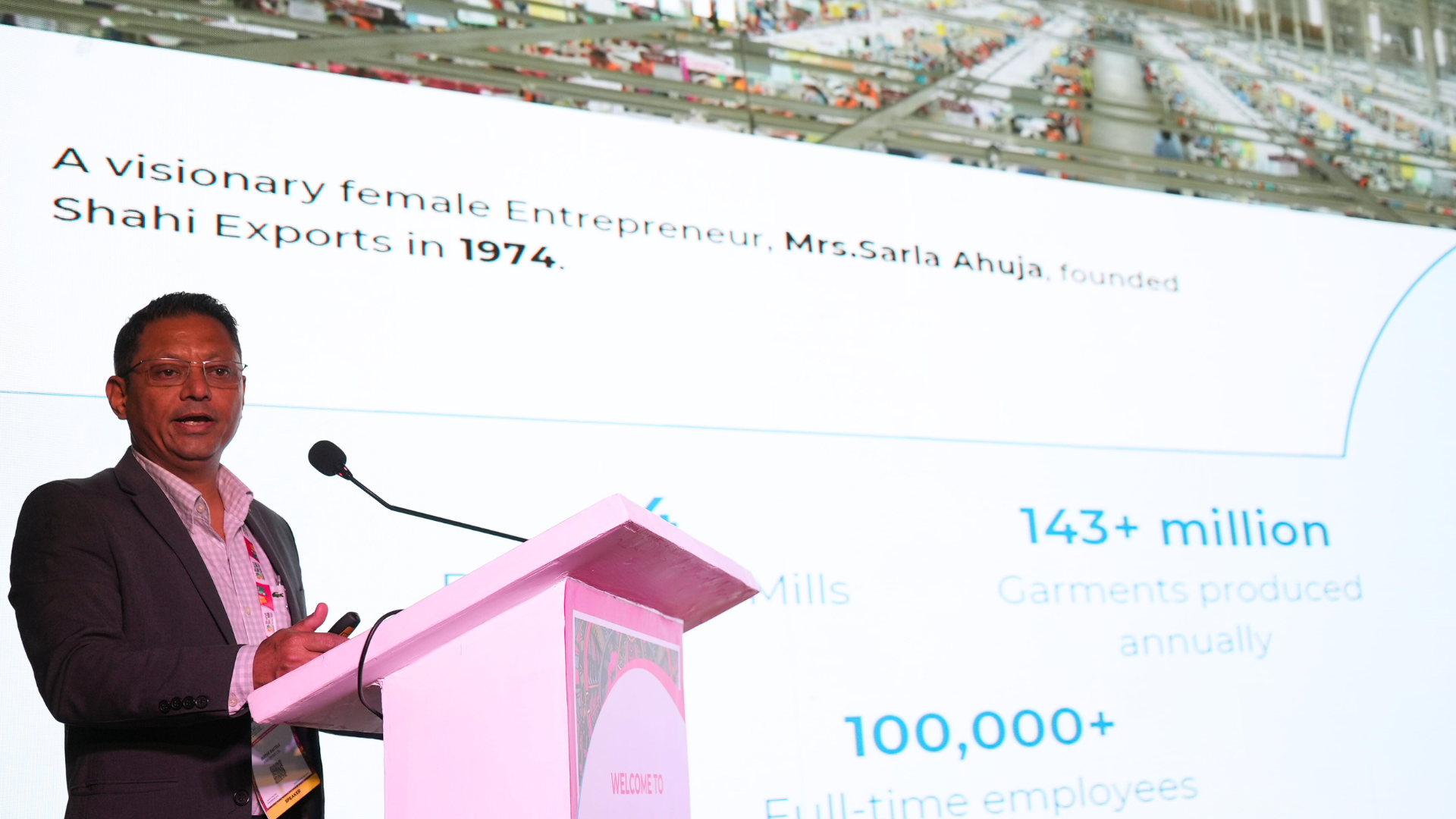
Shahi had the opportunity to be the Sustainability Partner at the recent Bharat Tex 2024. The company spearheaded a more responsible and circular approach to doing more good for people and the planet.
Bharat Tex 2024, a prestigious global textile fair, was held in New Delhi from February 26 to 29, 2024. It showcased the latest trends and innovations in the textile and apparel industry. It was organized by a consortium of 11 Textile Export Promotion Councils and supported by the Ministry of Textiles. This four-day event brought together leaders, global brands, suppliers, innovators, and key stakeholders to explore the industry’s richness.
“The Bharat Tex 2024 event has supported the facilitation of brand building and market linkages for the Indian Apparel & Textile Industry. Shahi’s collaboration has strengthened our partnerships with fellow industry leaders and key stakeholders, providing a platform to share insights through dialogues. As Shahi turns 50 this year, we will continue to support growth across the supply chain.”
Harish Ahuja, Managing Director
With a 50-year legacy in the fashion and textile industry, we lead the way towards a sustainable and responsible future. As the sustainability partner, Shahi collaborated with several stakeholders to elevate its sustainable and innovative initiatives at the event.
Key highlights of our participation at the event include:
Shahi Workers interacted with the Prime Minister of India
Shahi supported the Ministry of Textiles in curating the Sustainability Pavilion, which showcased cutting-edge products alongside other innovators. As part of the 5F farm to foreign representation, Shahi’s workers had the honor of meeting PM Narendra Modi. Among those who interacted were Poonam Nanda, an Executive in Organizational Development, and Pooja Devi, a Supervisor in our factory based in Faridabad. These interactions highlighted Shahi’s dedication to nurturing its workforce and showcased its employees’ diverse talents and skills.
Shahi became a member of the International Apparel Federation
Shahi joined the International Apparel Federation (IAF), the world’s leading federation for apparel manufacturers (SME) brands, their associations, and the supporting industry. Anant Ahuja, Director of ESG and Sustainability, and Cem Alta, President of IAF, marked the IAF membership at the event.
This platform brings its members together to strengthen sustainable supply chains and work on industry standardization, collaboration, and inclusiveness of solutions.
Engaged in Industry Dialogue
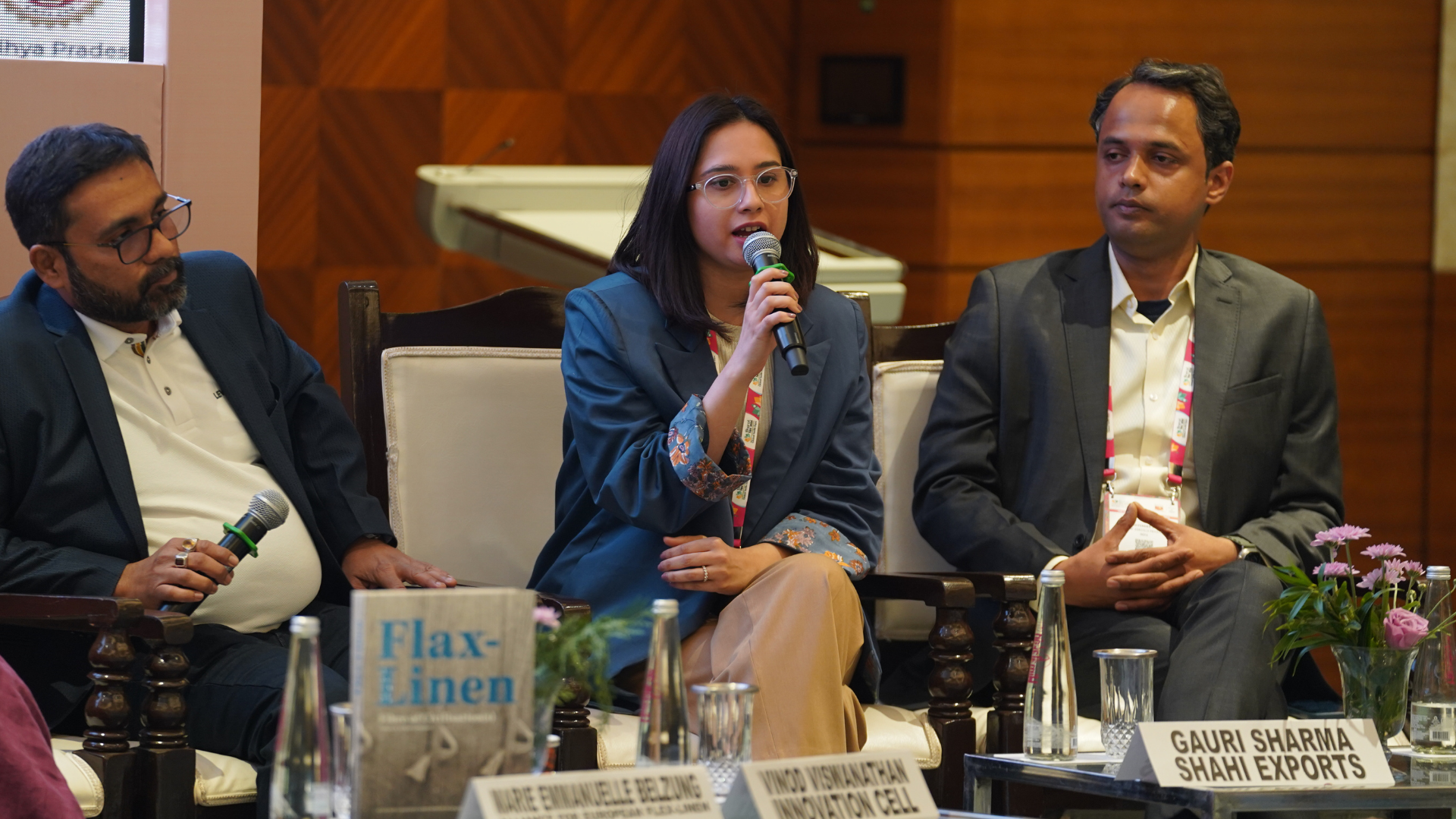
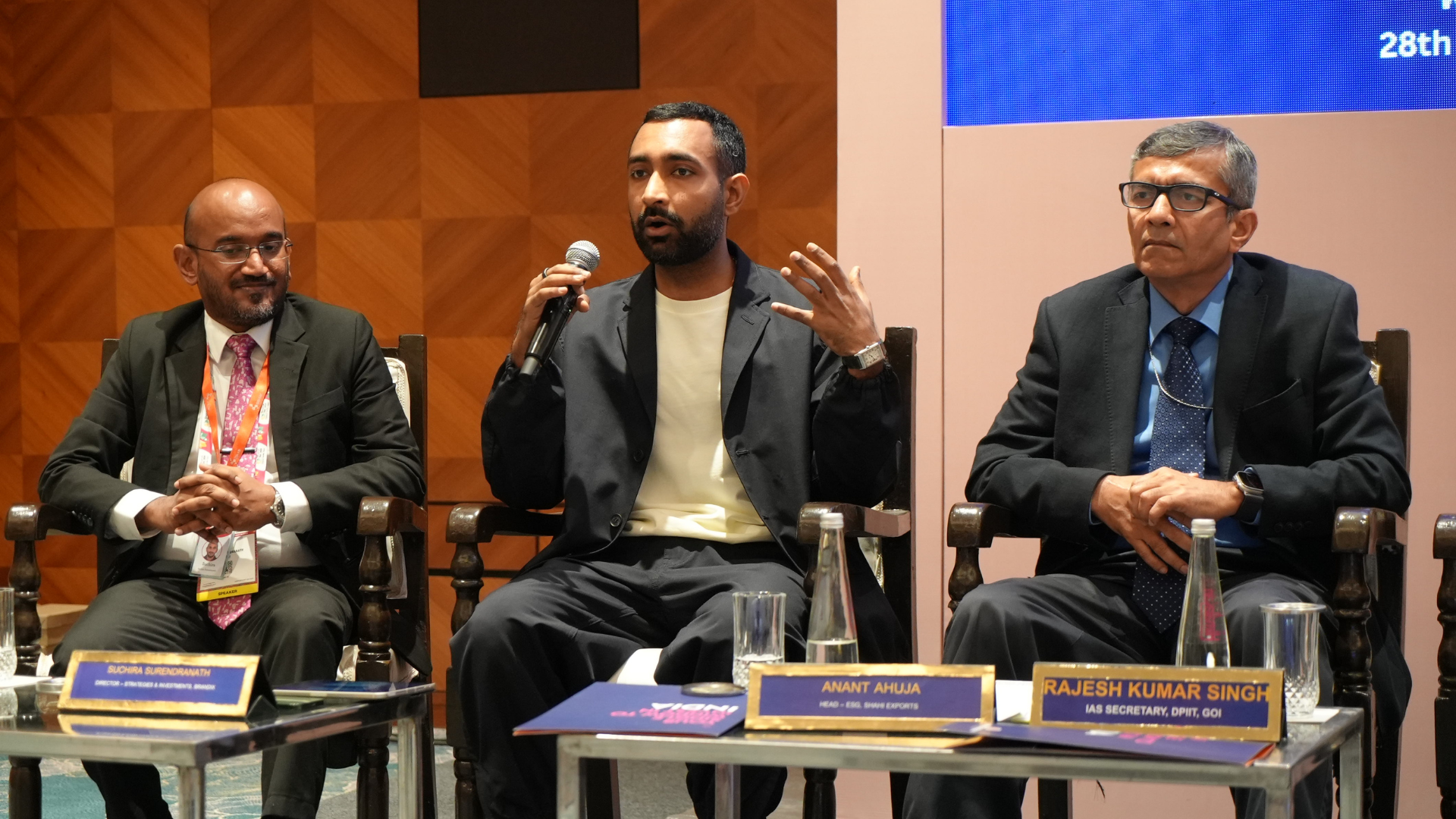
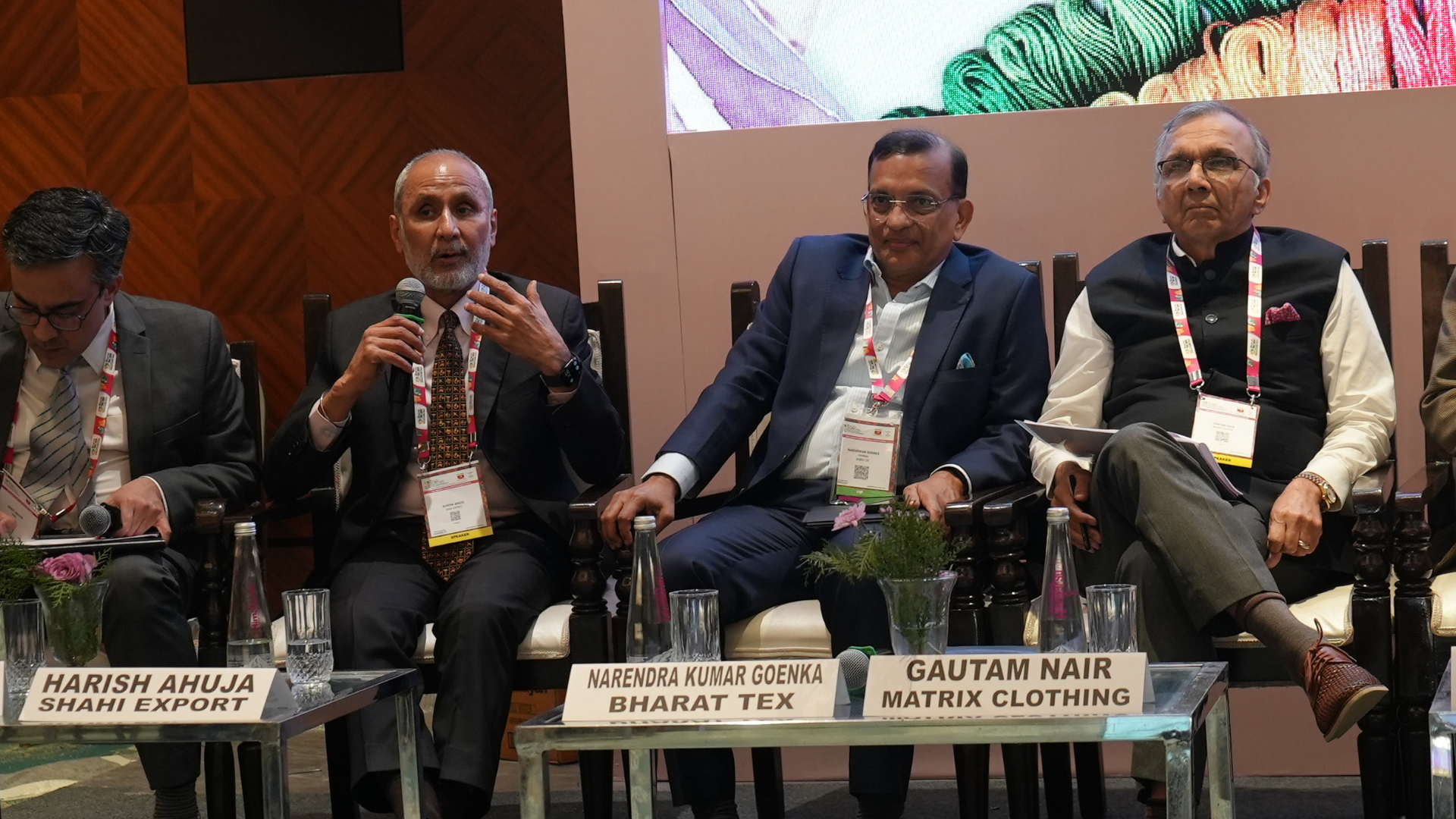
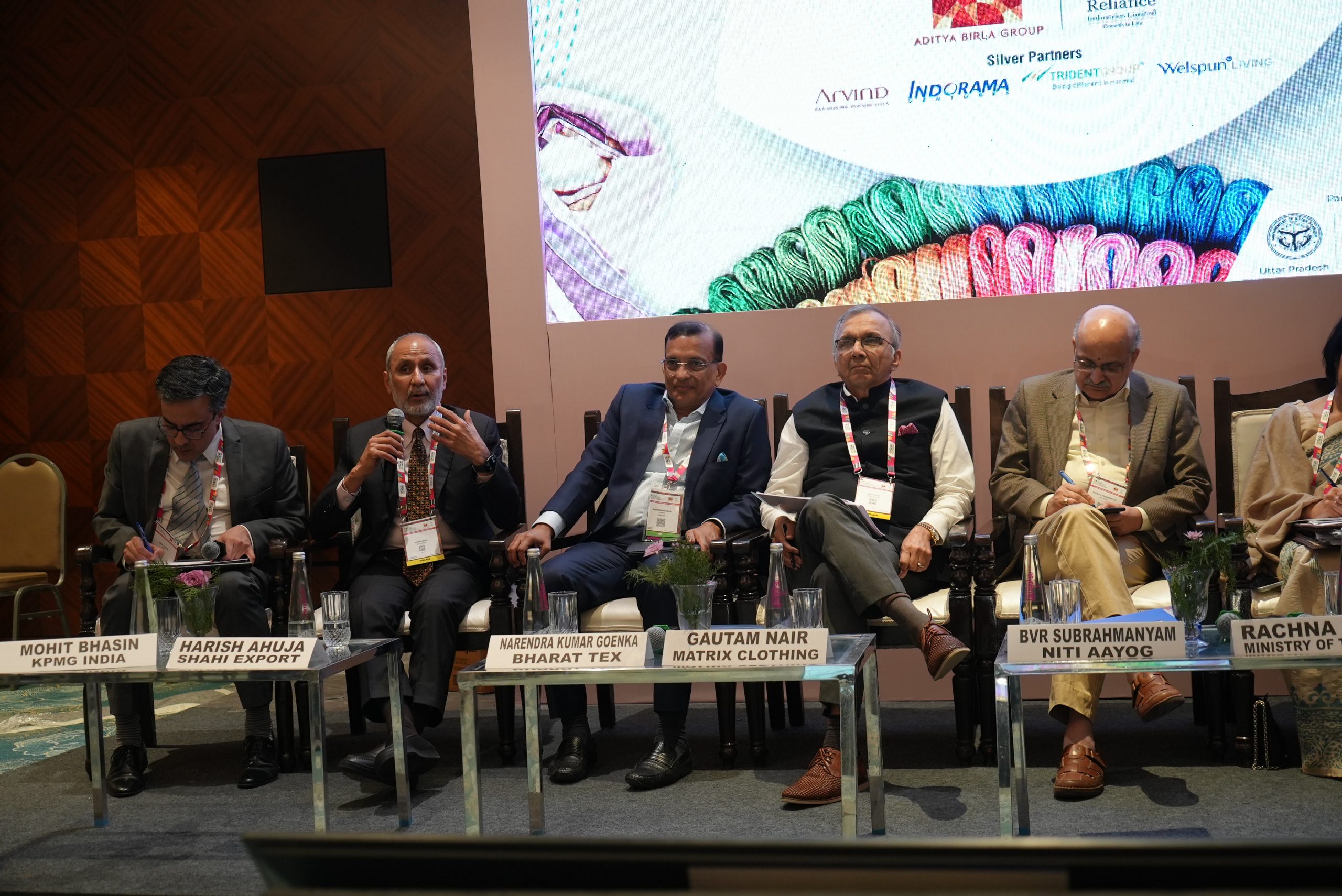
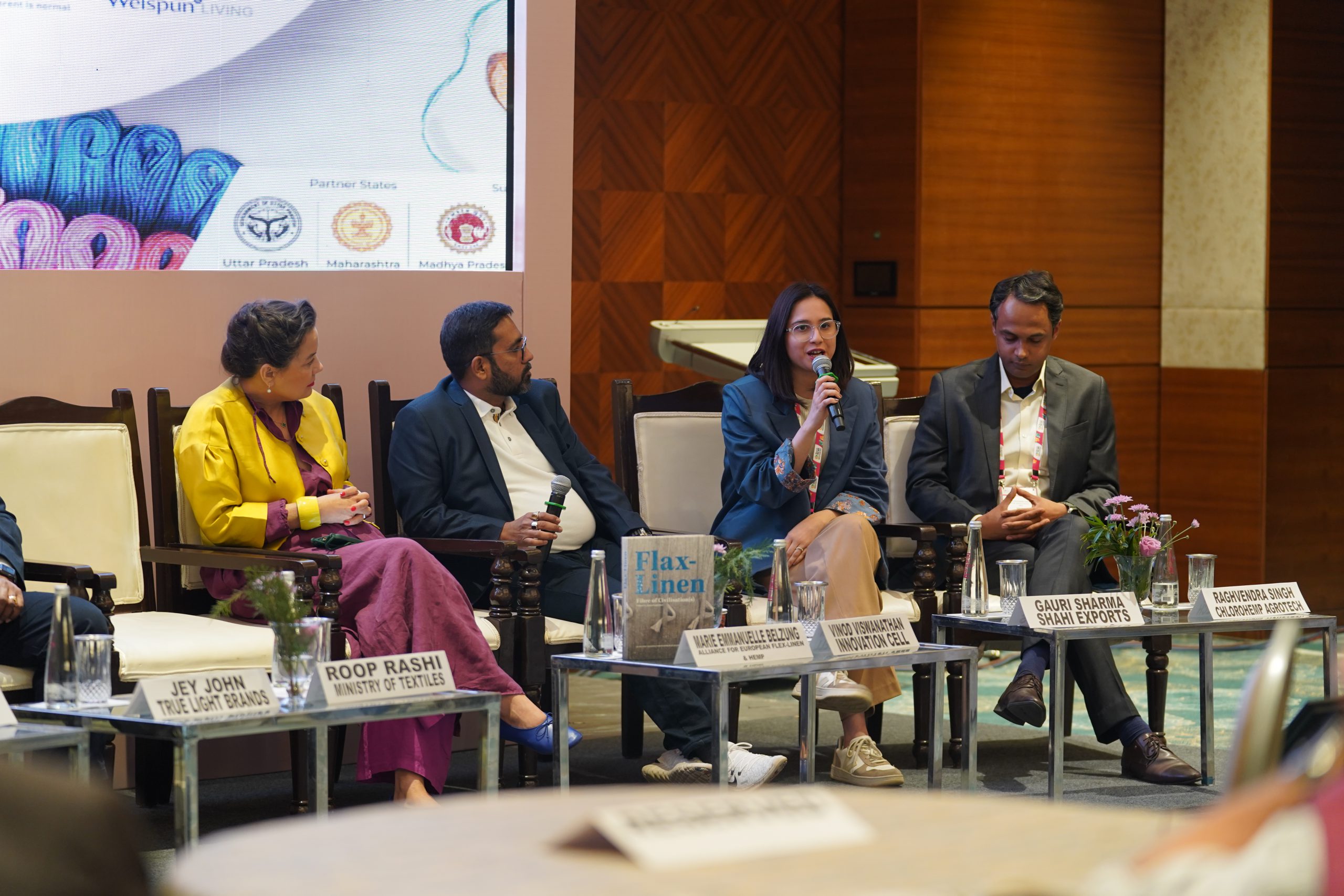
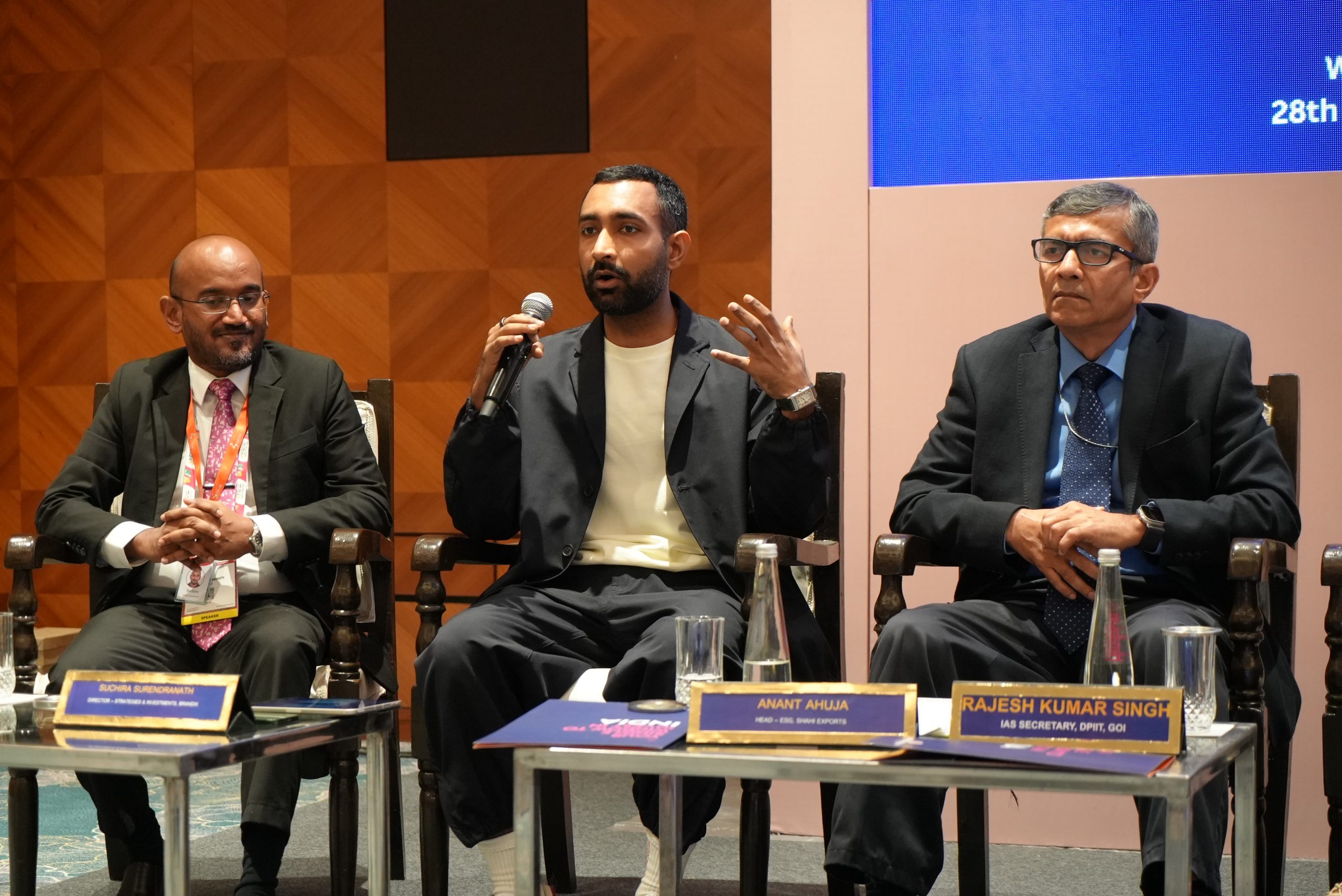
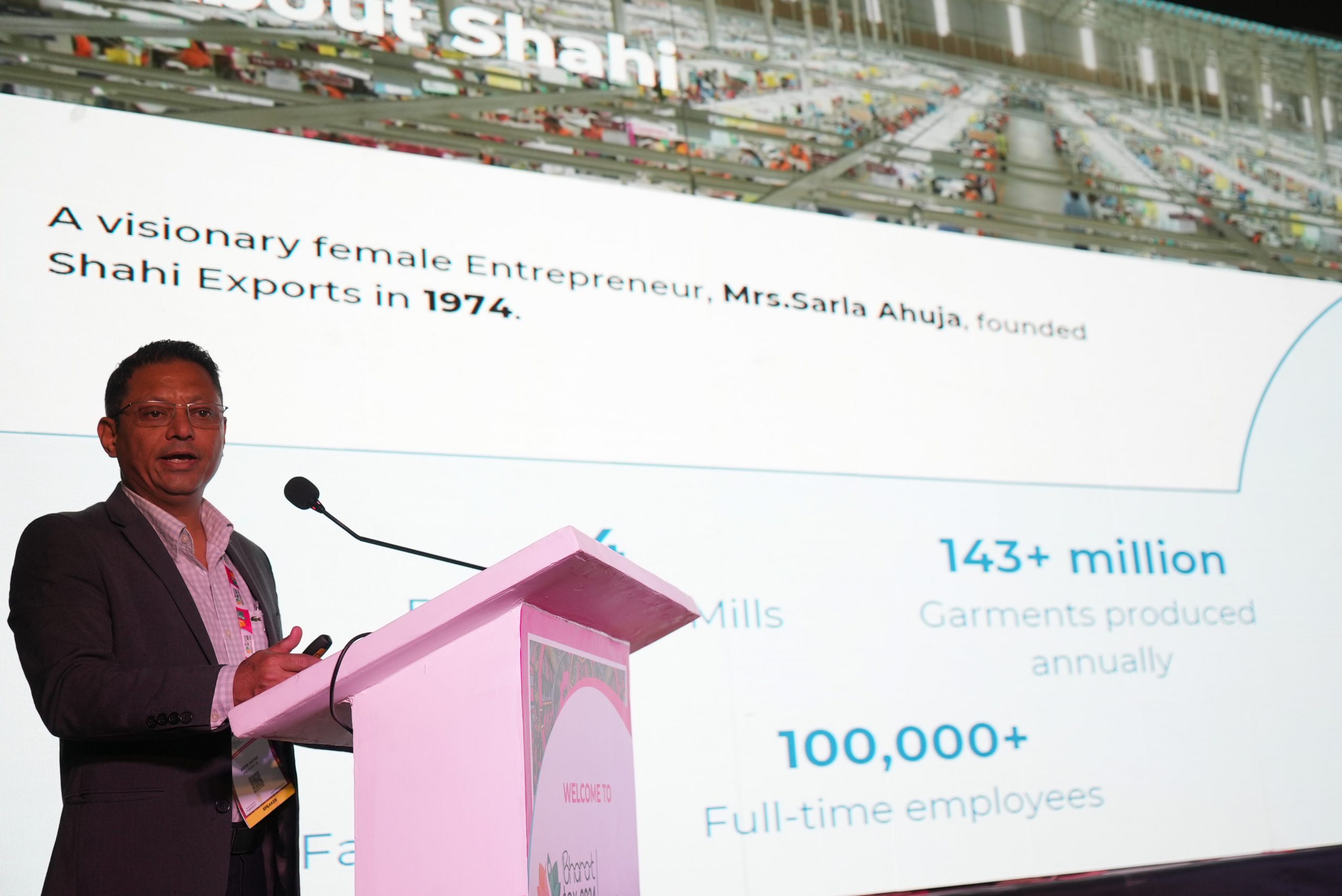
Shahi also participated in a series of industry dialogues at the event. Our thought leaders shared their insights and expertise across various engaging panel sessions. Harish Ahuja, Managing Director, featured in a panel discussion on ‘Vision 2047 in Textiles’ with Niti Aayog. Engagements continued with Anant Ahuja, Head of ESG, speaking in a panel on ‘Doing Business in India’ hosted by Invest India. Gauri Sharma, AGM, Communications & Sustainability Innovation, participated in a session, ‘Redefining Natural Fibres: Calibration for High-Value Products,’ exploring innovative approaches to sustainability and product development. Deepak Rautela, AVP, Organizational Development, participated in a Masterclass with Good Business Lab. Our exclusive participation in the CXO Roundtable facilitated collaboration with industry peers on strategic initiatives.
Anant Ahuja, Head of ESGDeepak Rautela, AVP, Organizational Development
Exhibited our Capabilities
Shahi set up a stall where we showcased a wide array of products, from cutting-edge fabric innovation to sustainable materials. The stall served as a platform to engage in strategic conversations with our brand partners and share insights into Shahi’s new initiatives and journey to inspire others to join the movement towards responsible consumption and production.
Shahi’s participation as the Sustainability Partner at Bharat Tex 2024 marks a significant milestone in its journey towards sustainability and innovation in the apparel industry. Through collaborative efforts, industry engagement, and a commitment to responsible practices, Shahi continues to lead the way toward a more circular and sustainable future for the textile and apparel industry.
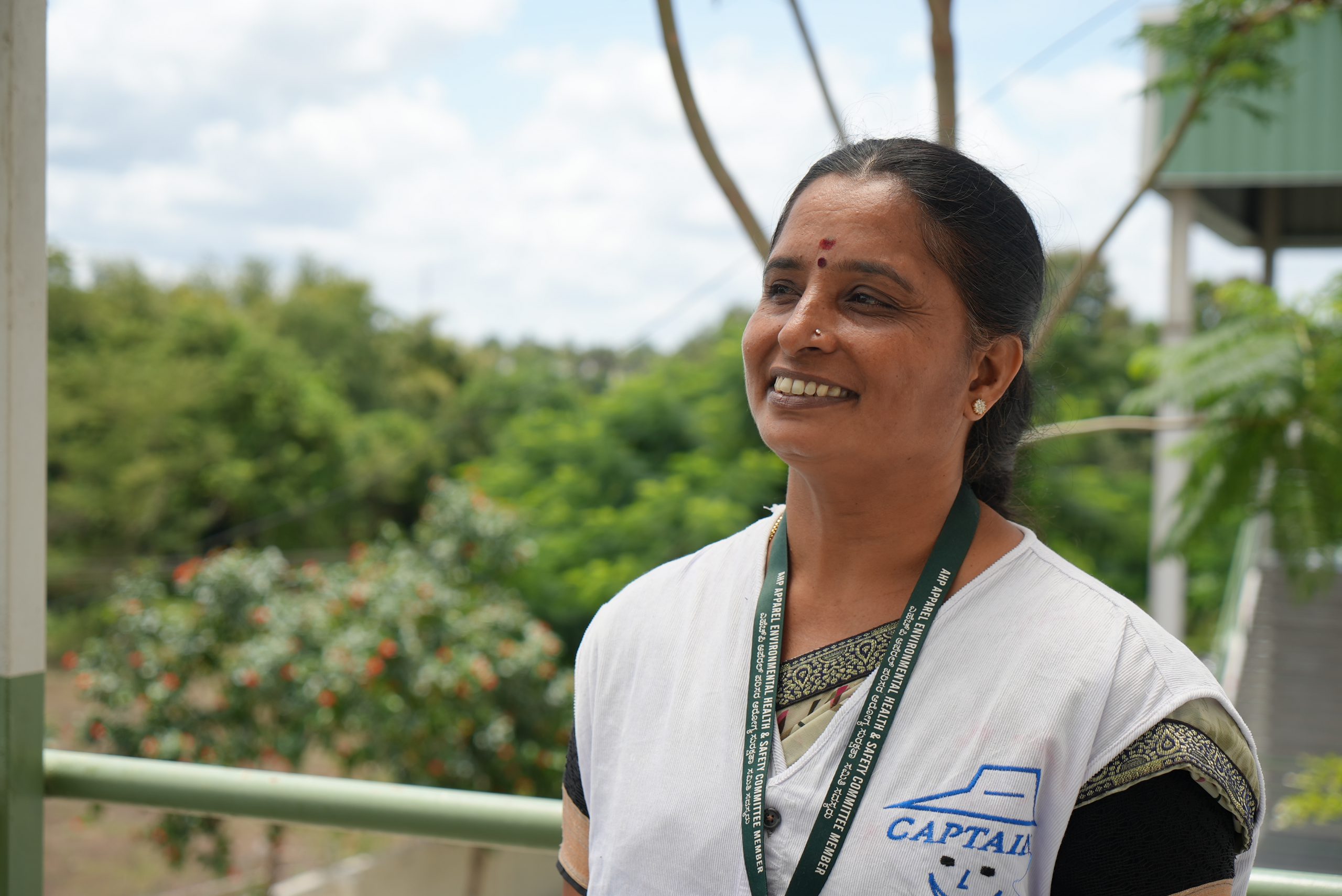
Rathnamma’s incredible story of training under almost all of Shahi’s programs to leading a line of her own and striving for a better workplace.
“There was a school in my village, Chiknallie, opposite my house. For almost seven years, I served as a teacher there,” Rathnamma said; her eyes sparkled, and a wide smile embraced her face.
Rathnamma, a resilient and determined individual hailing from Pandavapura, Mysore, has a story that embodies perseverance and adaptability within the backdrop of a close-knit, rural community. She has remained a valued member at Shahi in Mysore for four years.
The sparkle turned into a determined fire when asked why she moved to Srirangapatna. She has a singular goal,
“So that my children can have a good education. I am passionate about ensuring my kids receive a good education.”
She joined Shahi as a tailor and was enrolled in the Gap Inc. P.A.C.E. Program.
“When I was first introduced to the Gap Inc. P.A.C.E program, a group of us humorously mistook it as the FACE program. I was puzzled, wondering what they would teach us about faces and related topics,” she chuckled. Designed to support career and personal life development, the program unveiled new perspectives and insights.
“It helped me see things from a different perspective and highlighted areas where improvements could be made. I also learned how to approach my responsibilities at work and within my family.” Rathnamma’s growth, adaptability, and pride are evident.
In 2021, Rathnamma became Captain in the cutting department. She proudly says,
“It was recognized that I possessed leadership qualities and the ability to manage and lead a group of people effectively.”
But, her desire to learn led her to sign up for STITCH. A takeaway for Rathnamma was how to motivate her colleagues on a fast-paced factory floor. Her approach is “grounded and empathetic.”
“Before they begin working on the machine, I make it a point to call them in advance,” she explains. Her proactive guidance ensures smooth transitions for her team from one style to another.
Her dedication to her work and community is evident in her election as a committee member. Currently, she serves as an EHS committee member, focusing on the well-being and safety of her fellow workers.
“If I could speak to my younger self, I would convey a message of resilience and pride. I would tell my younger self that she once may have felt confined like a frog in a well but broke free of those limitations.”
Rathnamma pursued her dreams, acquired new skills through hard work, and emerged as a leader, all while remaining deeply committed to her family and community.
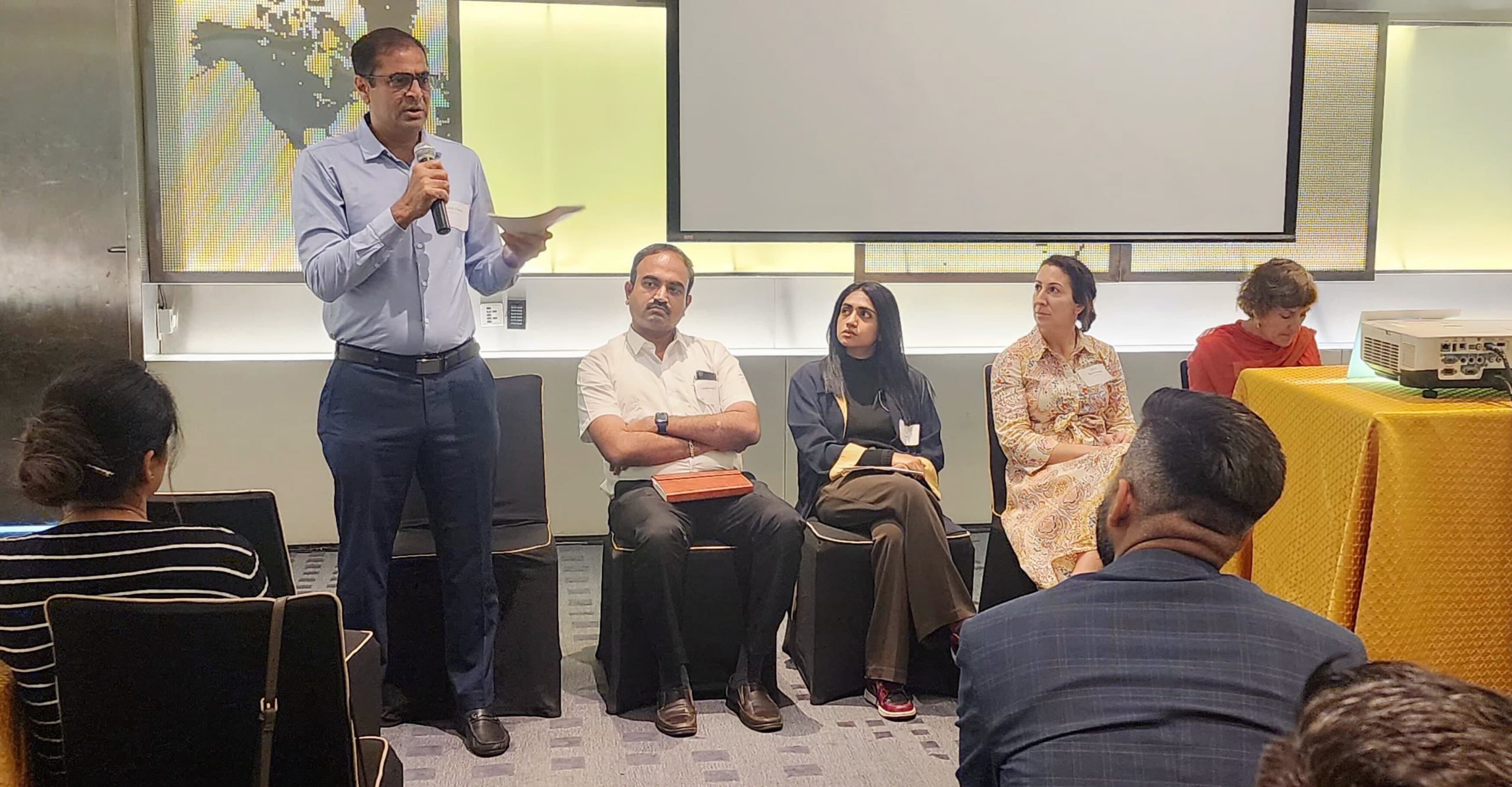
At Shahi, we believe in sharing our experiences and learning with all the stakeholders in the fashion industry and beyond. This is an ongoing post to share insights from our speaking engagements in 2023. Read insights from previous years’ engagements: 2022, 2021.
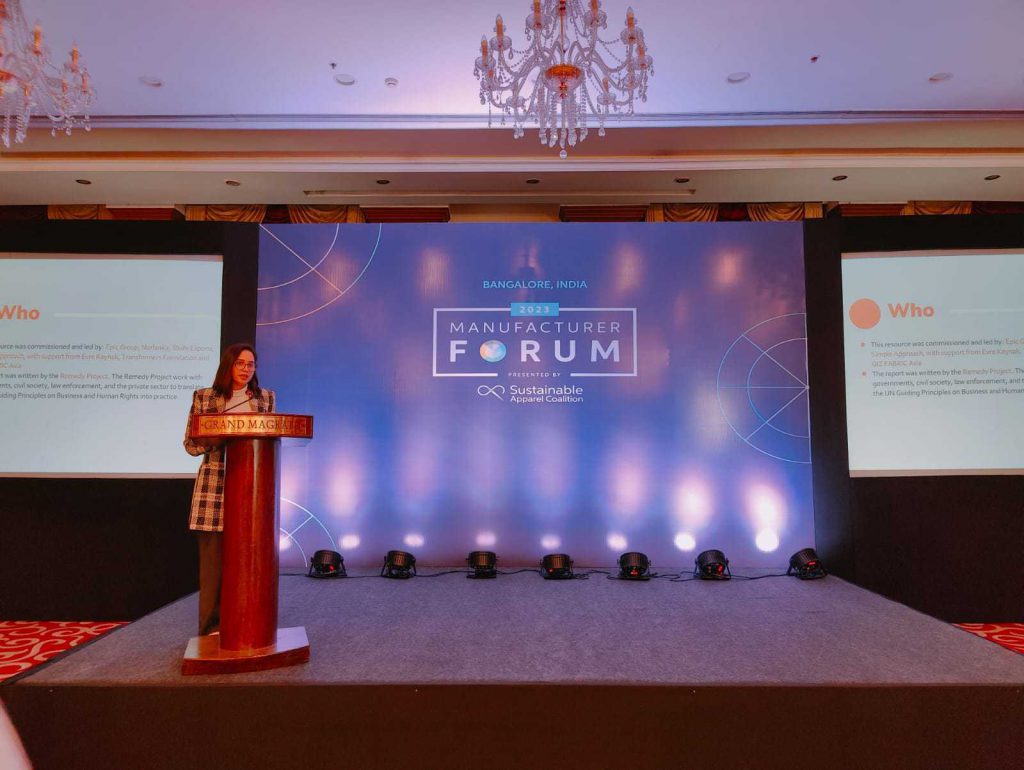
04 December | Sustainable Apparel Coalition’s Manufacturer’s Forum: Bangalore
Gauri Sharma, Assistant General Manager, Communications & Sustainability Innovation, represented Shahi at the SAC’s Coalition Manufacturer’s Forum in Bangalore to present the key takeaways from ‘An Apparel Supplier’s Guide: Key Sustainability Legislations in the EU, US, and UK’ a groundbreaking resource on sustainability-related legislation in the apparel industry.
Gauri shares how Shahi partnered with a group of suppliers, including Epic Group, Norlanka, Simple Approach, along with Transformers Foundation and Deutsche Gesellschaft für Internationale Zusammenarbeit (GIZ) GmbH, to develop this comprehensive resource to build an understanding of policies initiated in the global north and how they often have a ripple effect down the supply chain in regions outside the jurisdiction of the policy.
From increased reporting requirements to supply chain traceability, the report researched and written by The Remedy Project examines key focus areas, potential legal implications, and operational considerations for apparel suppliers & beyond.
01-02 December | Reimagining Textile Waste in India Conference by Fashion For Good
Gauri Sharma spoke at the ‘Reimagining Textile Waste in India Conference’ held in Delhi on December 1st and 2nd. The event gathered multiple supply chain members to discuss the enablers for a future of circularity, including innovators like Renewcell, with whom Shahi is working actively as the Indian supply chain partner.
The event paved the way for more conversations and projects around textile waste and circularity in India and how we can work together collaboratively in the coming months.
29 November | SAP Concur- Indian Economy Looking Ahead- Crystal Ball Gazing
Pravin Dalal, DGM Environmental Sustainability at Shahi, spoke at SAP Concur- Indian Economy Looking Ahead- Crystal Ball Gazing. He was joined by Vijay Kumar Nagaraju, Deputy General Manager – Environment, Sustainability & ESG, Brigade Enterprises Ltd. The panel, moderated by Hoshie Ghaswalla, CEO of Business World Engage, discussed ‘ROl on Sustainability,’ where Pravin shared insights on the importance of integrating sustainability initiatives into organizational practices. He shares, “Embedding sustainability in organizational practices through a dual approach—top-down and bottom-up—is crucial. Beyond measurable ROI, focus on indirect benefits like a positive reputation, enhanced brand value, and talent retention for enduring organizational value.”
27 October | ‘Future of Work and Skills For Emerging Markets’ by Good Business Lab
JD. Giri, Director at Shahi, spoke at the ‘Future of Work and Skills For Emerging Markets’ conference hosted by Good Business Lab (GBL), Abdul Latif Jameel Poverty Action Lab (J-PAL), and 21st Century India Center at the Massachusetts Institute of Technology.
The panel discussed ‘Soft Skills, Hard Skills, Digital Skills?: Upskilling India’s Workforce’, where he shared insights on upskilling India’s workforce by integrating soft skills with technical prowess to empower workers and improve work culture. He was joined by Raffaella Sadun, Professor of Business Administration at Harvard Business School, Co-Lead at Digital Reskilling Lab, and Daniel Uribe Villa, Principal of VélezReyes+.
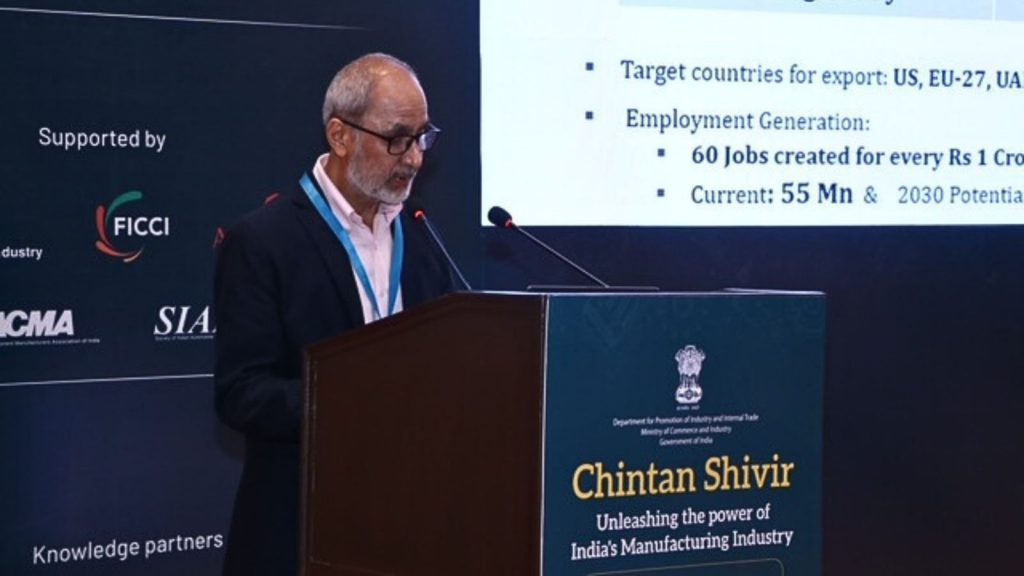
13 October | Chintan Shivir Event hosted by the Ministry of Textiles, Government of India
Harish Ahuja, Managing Director and Chairperson at Shahi, represented the Textile and Apparel Industry at the Chintan Shivir event hosted by the Ministry of Textiles, Government of India.
He painted a comprehensive picture of the textile industry, highlighting the current sector profile and setting ambitious goals, along with a plan of action for the shift in the current ecosystem and policies, technological advancements, and employment.
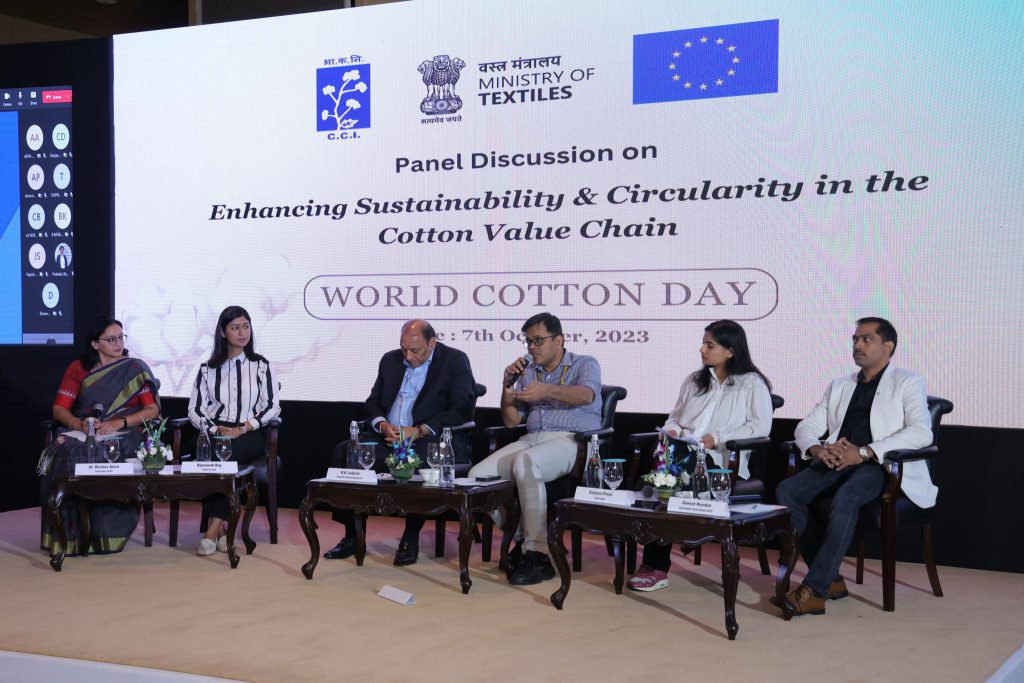
07 October | Panel Discussion by the Ministry of Textiles, Government of India
Sanjana Pimoli, Assistant Manager, Communications and Sustainability Innovation, represented Shahi in a World Cotton Day panel discussion on ‘Circularity in the Cotton Value Chain.’ The Ministry of Textiles organized this panel in collaboration with the Cotton Corporation of India Ltd (CCI) and the EU Resource Efficiency Initiative (India).
Sanjana shared Shahi’s comprehensive approach to integrating elements of circularity in our business, particularly concerning cotton sourcing and waste management at different supply chain stages. She also highlighted challenges in scaling innovations and the need for collaboration to ensure that all stakeholders are involved in creating solutions for a just transition for the industry.
26 September | NOMI Network2023 Summit
Anant Ahuja, Head of Organizational Development, spoke at the Nomi Network 2023 Summit in a panel titled ‘Closing Wealth Gaps: Innovations in Global Supply Chain.’
He discussed Shahi’s journey and how the mission of NOMI Network, centered on empowering women from marginalized backgrounds, aligns with Shahi’s dedication to promoting gender equality and social inclusion. Anant also highlighted the various training programs, employment opportunities, mentorship initiatives, and support Shahi offers to candidates from the NOMI Network, enabling them to navigate workplace challenges and fostering their personal and professional development.
23 August | 16th Edition of the Environment and Energy Conclave by BCCI
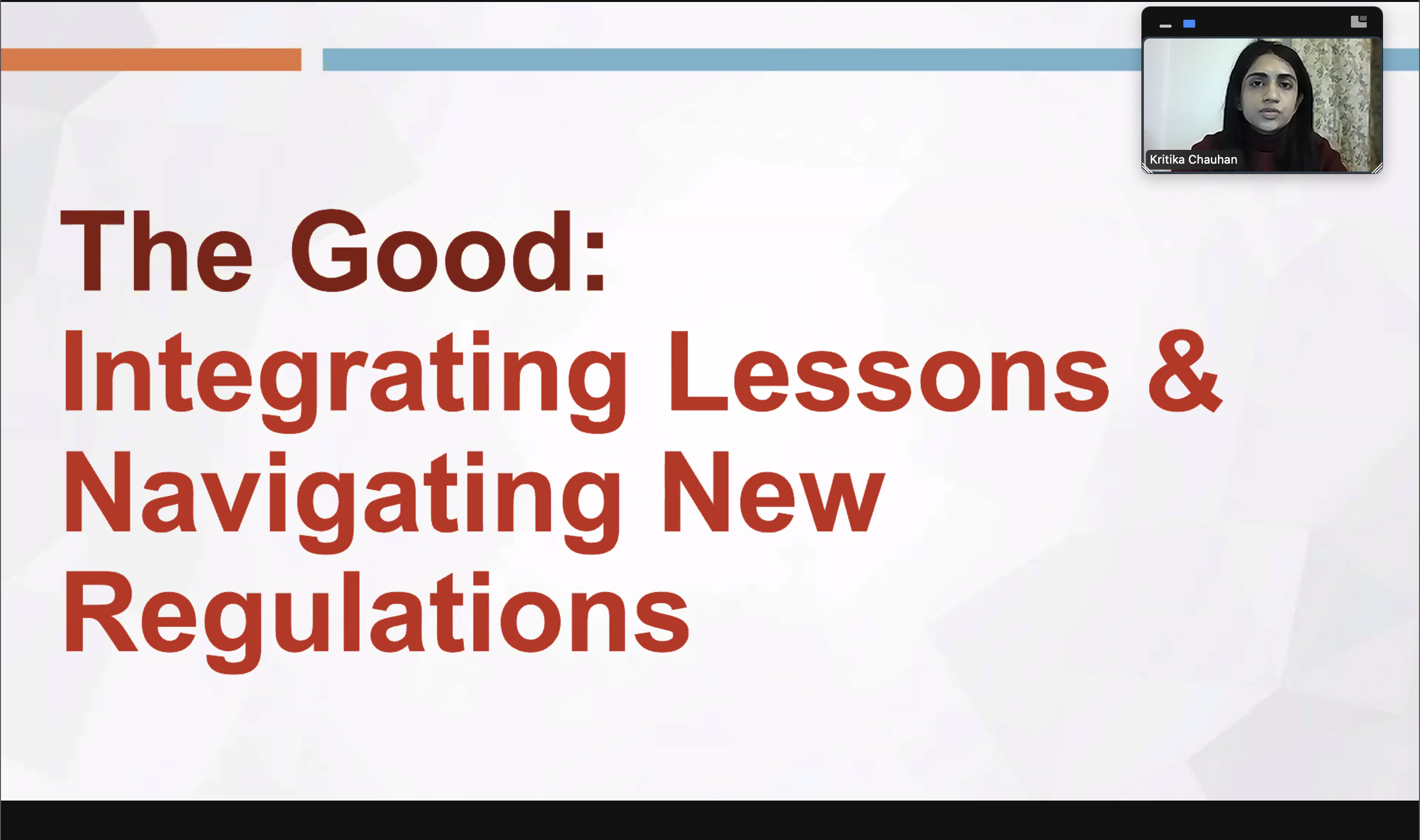
Kritika Chauhan, Assistant Manager, Communication and Sustainability Innovations, participated in a panel on ‘Sustainable approach and circular economy.’
At the 16th Edition of the Environment and Energy Conclave by The Bengal Chamber of Commerce and Industry. She shared, “Circular business models impact environmental sustainability, and collaboration within the supply chain can ensure scalability.”
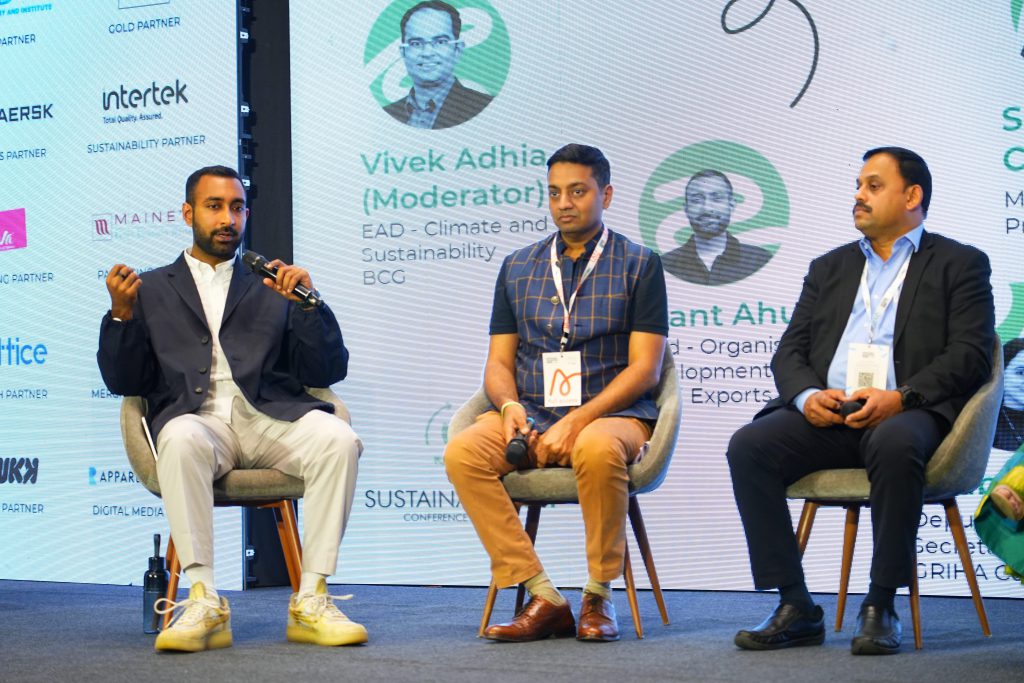
20-21 July | Apparel Sourcing Week 2023
Anant Ahuja, participated in a panel on ‘Green Manufacturing: Significance and Strategies for Implementation’ at this year’s Apparel Sourcing Week hosted by Apparel Resources.
During the panel, he shared insights from Shahi’s journey in adopting sustainable practices. He addressed the challenges of implementing these practices, especially the additional costs often associated with them.
Anant also highlighted that sustainability is an exercise in both environmental and social well-being. And how a commitment to evidence-based worker well-being measures results in impactful programs that empower workers and promote a positive impact on the communities in which Shahi operates.
18 July | Women Deliver Conference 2023
Shahi co-hosted a virtual concurrent session on “Breaking the Glass Ceiling: Growth for Women in Low-Income Work” together with Good Business Lab and the United Nations Foundation at this year’s Women Deliver Conference. In a first, Shahi was represented by a factory worker and presented cross-cutting views from across the value chain, including insights from lived experience, research, on-ground implementation, and policy perspectives.
Kalyani Pandey, Needle Keeper, shared “Women face biases right from home and at work, where they expect us to drop the ball in quality and responsibility. The programs I have been a part of have helped break down different aspects of my life that potentially impact my work. It showed how awareness, communication, time management, and financial planning can help bring about big changes at work and at home.”
Additionally, Chitra Ramdas, General Manager, Organizational Development elaborated “The effort does not stop at training. It is important to close the loop on equality programs with real transitions on the shop floor in both decision-making and remuneration for women who take on more responsibilities on the shop floor. To build a culture of gender equality, organizations need to work on policies and practices coupled with supportive team members and develop leaders as champions.”
10-11 July | YESS Launched in Pakistan and India
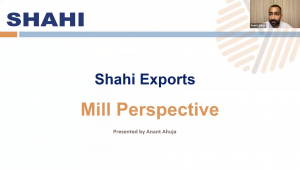
Anant Ahuja, Head of Organizational Development, and Amanullah S.P, Assistant General Manager, Spinning, were speakers at the webinar organized by Yarn Ethically and Sustainably Sourced (YESS), supported by Responsible Sourcing Network (RSN). YESS launched its due diligence standard in India and Pakistan this year with successfully conducted mill assessments.
Shahi became the first mill in India to undergo this assessment, and the speakers shared Shahi’s positive experience and valuable learnings.
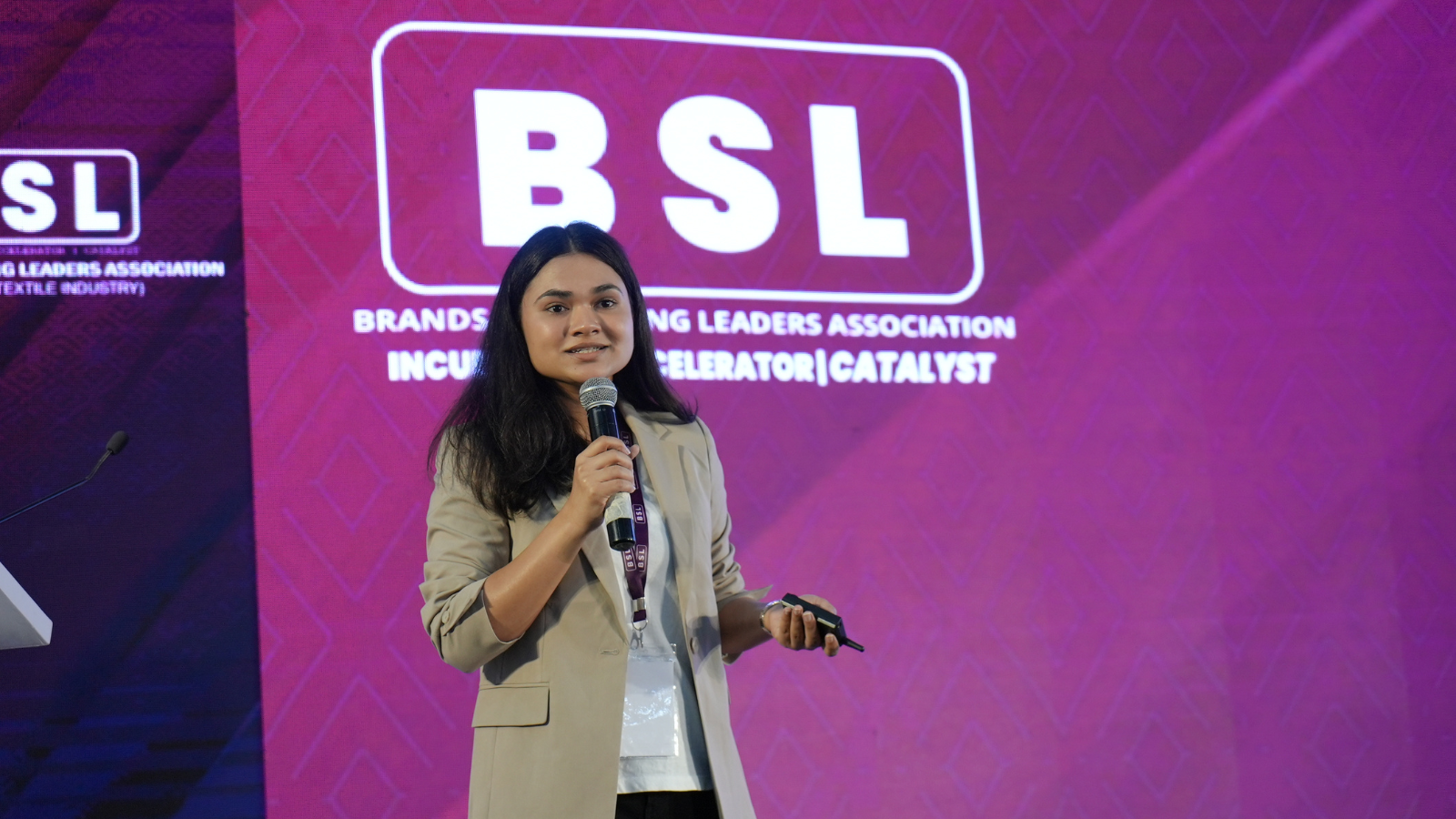
30 June-1 July | BSL’s Glocal Maneuver Series Powerplay-2
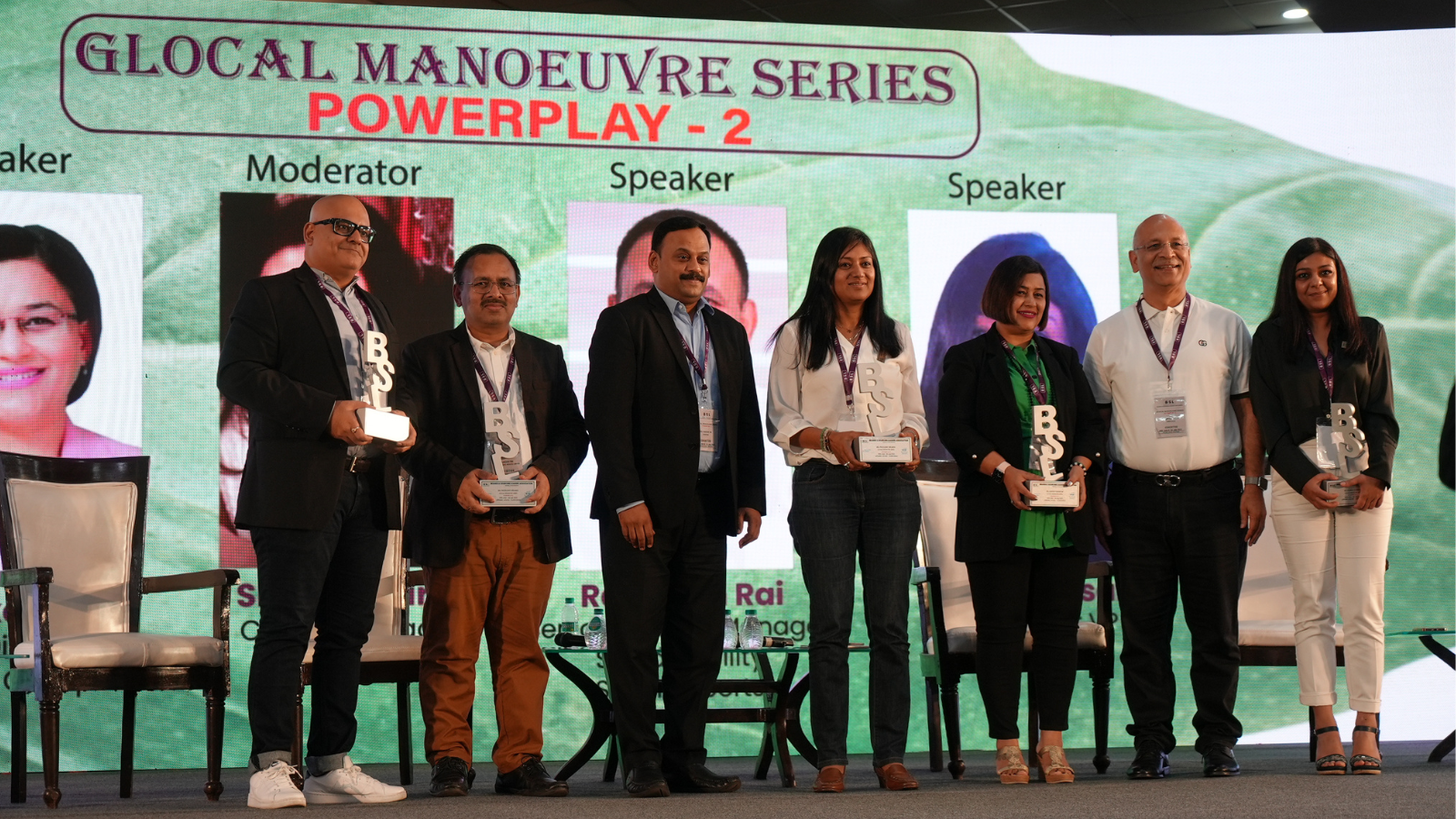
Rajneesh Rai, Senior General Manager of Laboratory & Environmental Sustainability, participated in a panel discussion titled “Good Earth: One Earth-ESG Goals and Beyond” at the Glocal Maneuver Series Powerplay-2 event organized by the Brands Sourcing Leaders Association (BSL).
This panel brought together industry leaders to delve into the future of sustainability and its impact on businesses globally. In the discussion, Rajneesh provided his insights on the roadmap to prepare for the future of sustainability. He emphasized the importance of taking proactive measures in the present, with a strong sense of responsibility. He walked the audience through how Shahi aims to reduce environmental impact through materials and processes by working with innovators to explore alternative materials with lower environmental impacts, reduce process-related footprints, and optimize resource consumption.
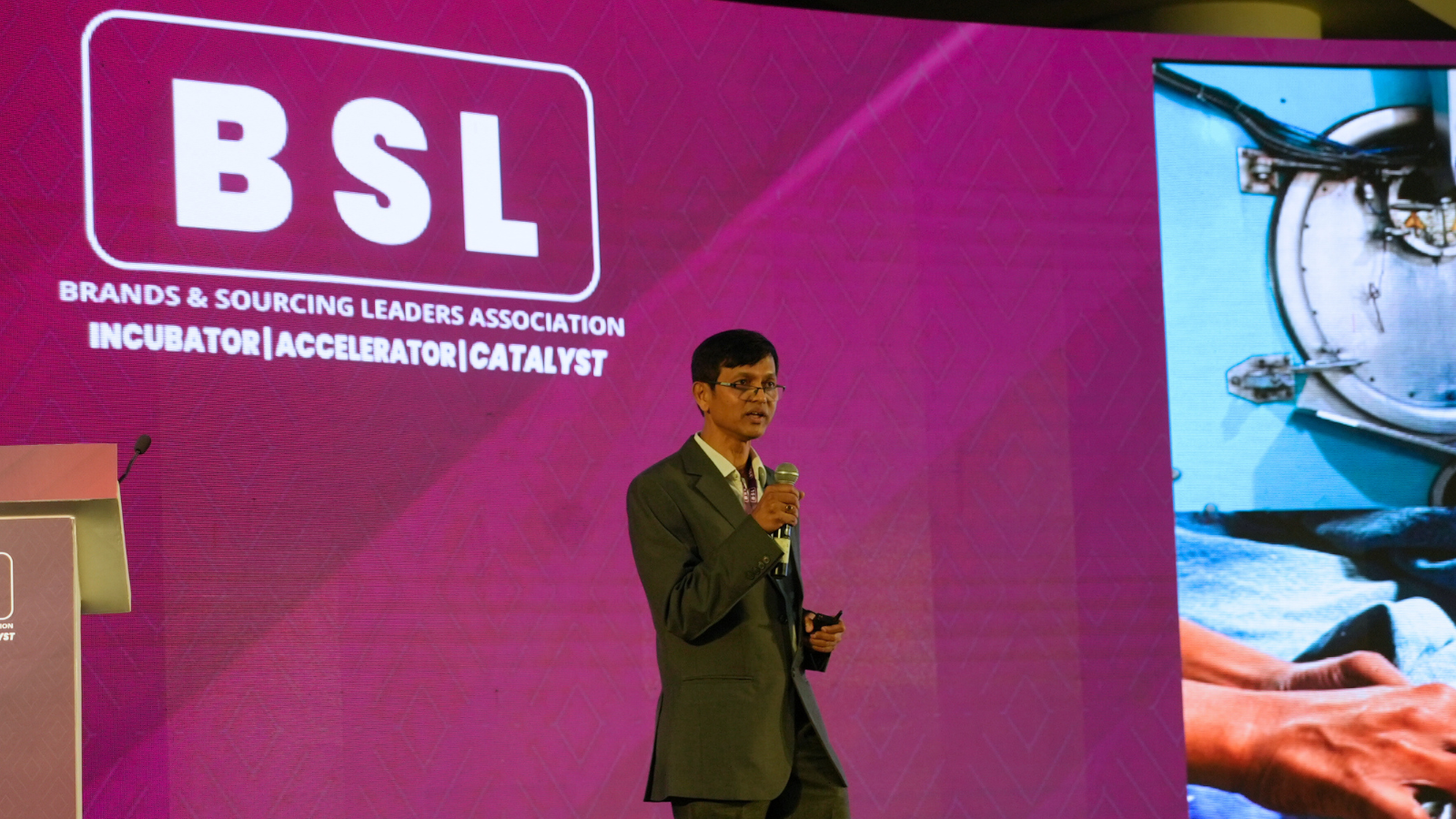
Furthermore, Shahi’s sustainability journey, deeply rooted in our “Responsible for” framework, integrating social and environmental well-being, was showcased in a spotlight session by Pravin Dalal, Deputy General Manager of Environmental Sustainability, and Snigdha Voruganti, Senior Executive of Communication and Sustainability Innovations. Their insightful presentation highlighted our ongoing efforts to drive positive change and make a lasting impact.
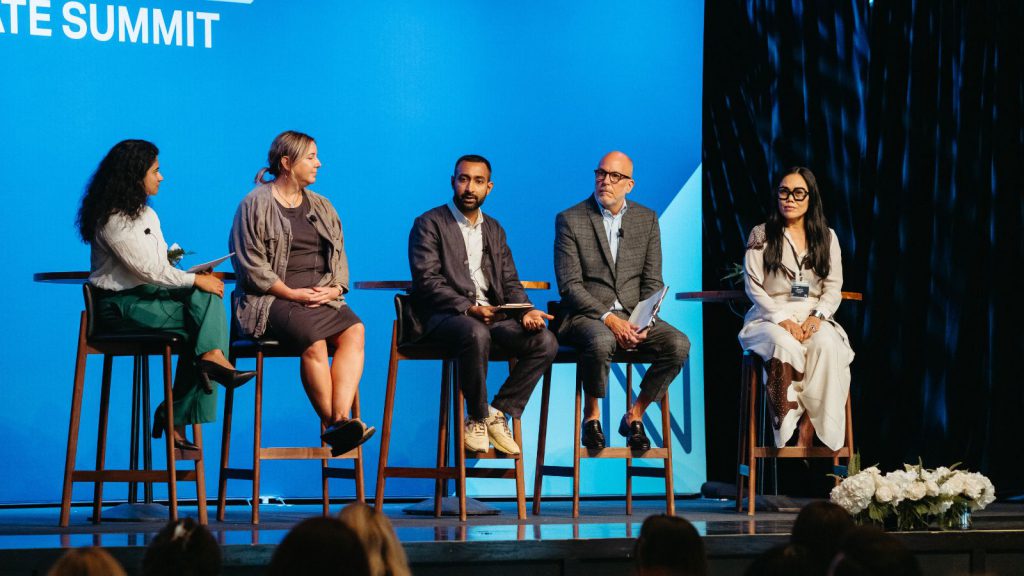
28 June | Roundtable at Global Fashion Summit
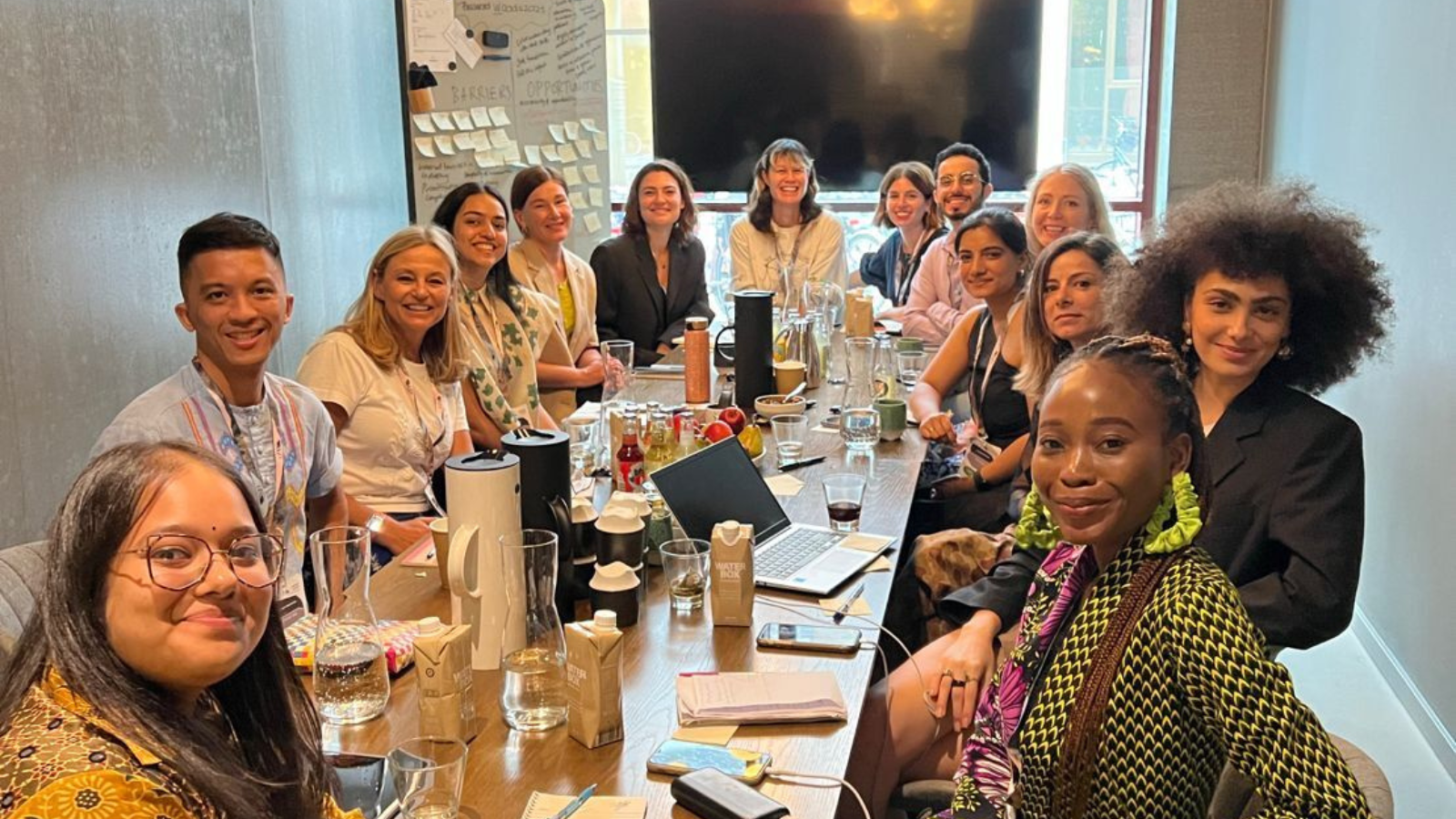
Sanjana Pimoli, Assistant Manager, Communications & Sustainability Innovations, participated in a roundtable hosted by Global Fashion Agenda with London College of Fashion’s Centre for Sustainable Fashion as a segment within the Next Gen Assembly programme for young sustainability talents. The roundtable discussed how storytelling could be used to drive ambition to action in fashion system transformation.
Sanjana spoke about the agrarian crisis triggered in India due to climate change and the importance of innovations such as Cellulosic Superabsorbent Polymer in securing farmers and making the textile industry circular. She also emphasized the systems change required in scaling these innovations.
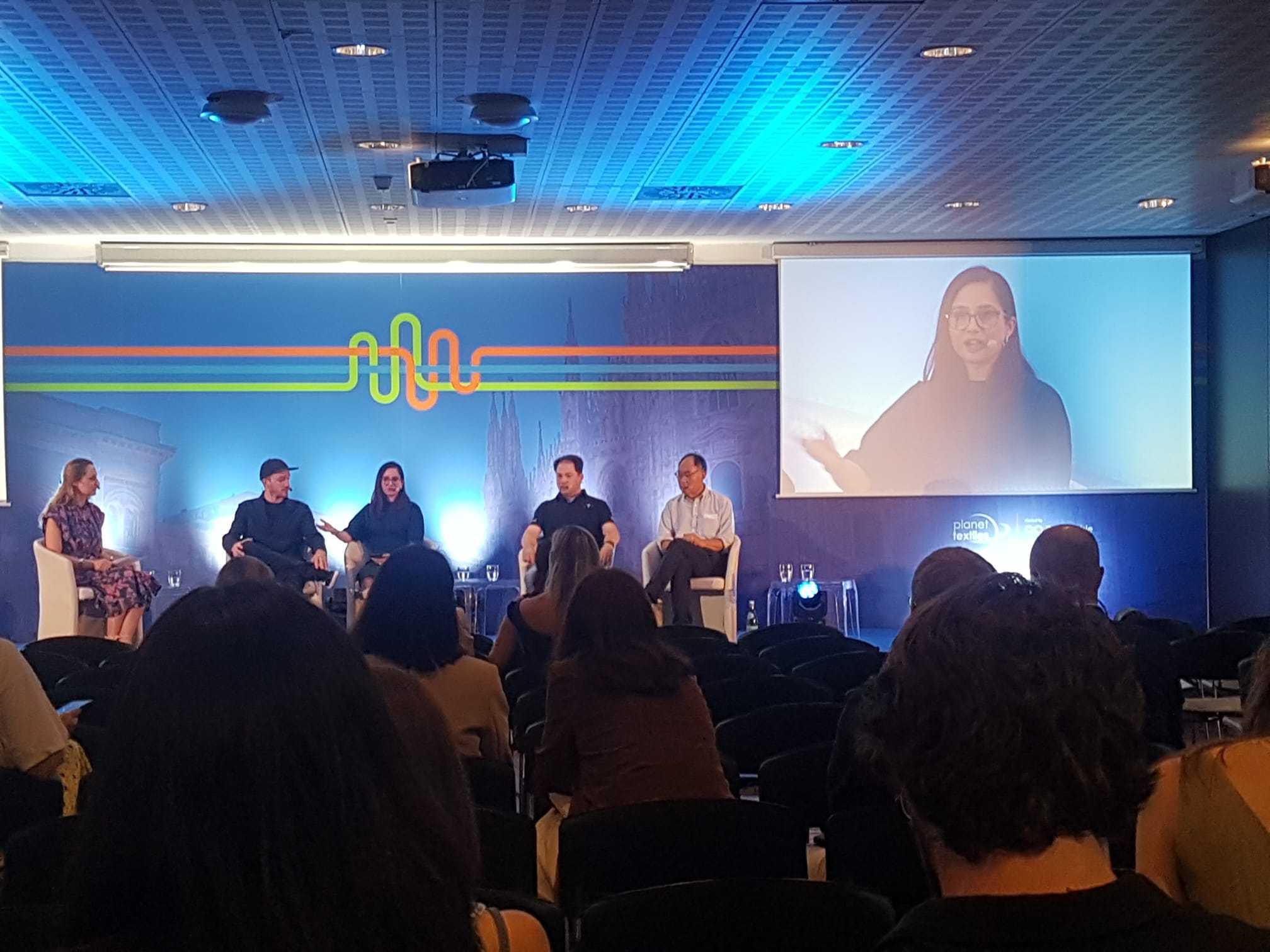
13 June | Planet Textiles by Sustainable Apparel Coalition
Gauri Sharma, Assistant General Manager, Communications & Sustainability Innovation, was among the esteemed speakers at Planet Textiles on June 13, 2023. She shared insights on ‘Scaling Processing Technologies in the Fashion Industry to Achieve Our Climate Goals: Barriers and Solutions.’
There is an unprecedented level of urgency for the industry to decarbonize, which requires a shift from incremental to disruptive innovation, especially during the energy-guzzling textile processing stage. By setting this context, Gauri emphasized that manufacturers must be part of the problem-solving from the beginning. They require industry stakeholders to share the risk, jointly invest, and build long-term partnerships to scale upcoming technologies that enable the shift from wet to dry processing.
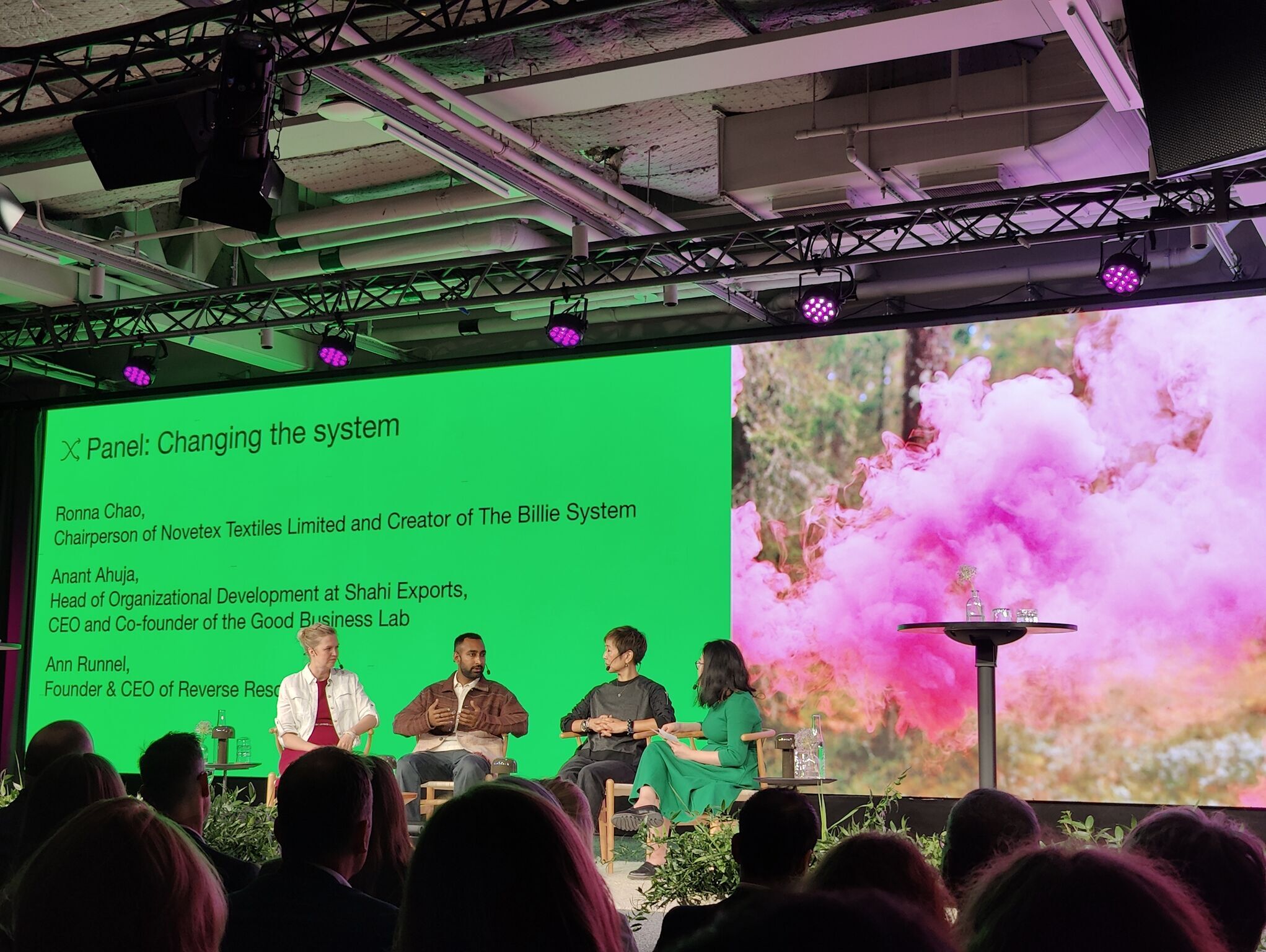
08 June | Open Perspectives by H&M Foundation
Anant Ahuja, Head of Organizational Development, spoke on a panel, ‘Changing the System’, as part of H&M Foundation’s annual Global Change Awards. Anant highlighted the significance of social innovation in the apparel industry, given that it employs millions of people, particularly women, in the supply chains. Social innovation can be more complex than environmental because it requires an understanding of local contexts, and its impact can be hard to measure. Anant shared Shahi’s evidence-based interventions, which have had a measurable positive impact on both business and workers, and called upon the industry to invest equally in social programs and innovators.
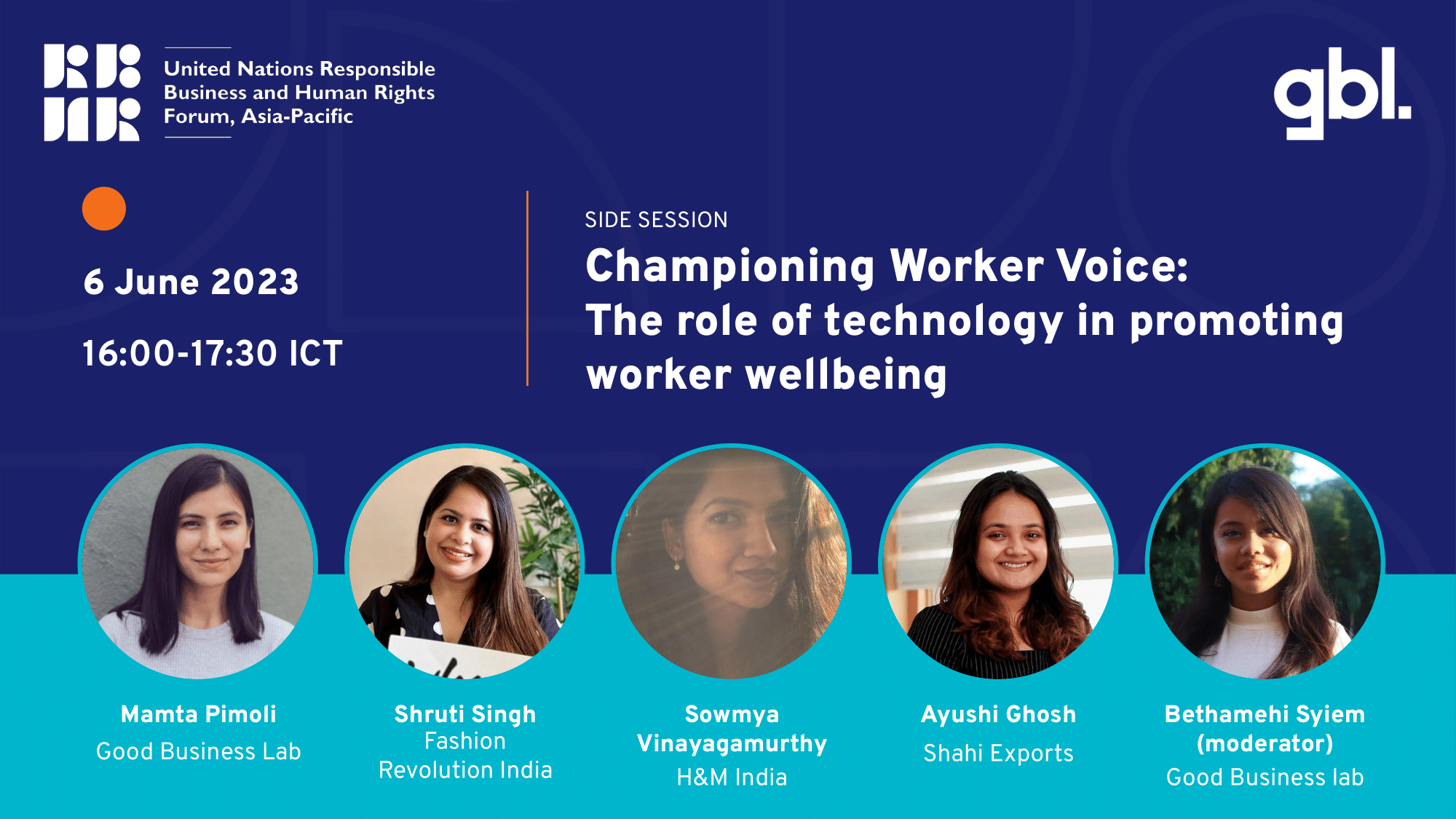
06 June | United Nations Responsible Business and Human Rights Forum, Asia-Pacific
Ayushi Ghosh, Senior Executive, Communication and Sustainability Innovations, represented Shahi in a side session on ‘Championing Worker Voice: The Role of Technology in promoting worker well-being’ at the UNDPv B+HR forum this year.
In this panel, Ayushi spoke about the enduring principles of worker’s voice, emphasizing the importance of listening, understanding, and remediation, even as communication mediums have evolved over time. She stressed the goal of including worker voice in driving meaningful action and supporting a healthy work environment while fostering a thriving business. She highlighted the need to build the employer’s ability to listen and ensure that workers are equipped to utilize the available communication channels effectively. Understanding the journey that their voice takes through these channels is key.
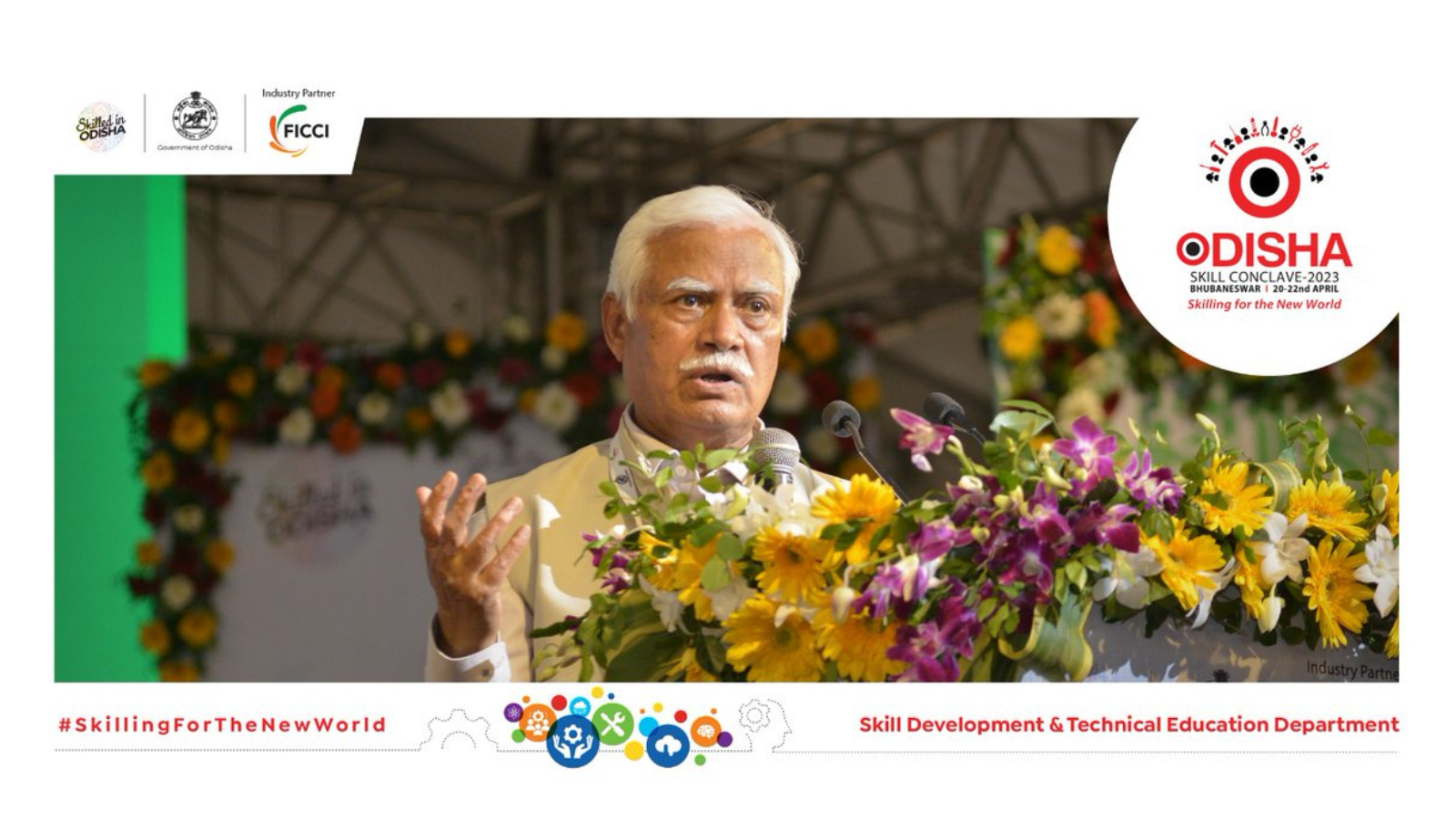
20-22 April | Odisha Skill Conclave 2023
Odisha Skill Conclave 2023 was a three-day event that brought together leaders from Industry, Academia, and International Organizations to explore innovation, best practices, and the role of partnerships in generating employment and unlocking the potential of Odisha’s workforce.
The Government of Odisha has been a long-standing partner in Shahi’s path to making skilling accessible to youth and women in India. JD. Giri, Director at Shahi, described our journey together to empower the next generation of skilled professionals and drive economic growth.
19-21 April | AIChE: Global Polymers and Textiles Conference
Anant Ahuja presented the research on cellulosic superabsorbent polymer (CSAP) at the #AIChe Global Polymers and Textiles Conference held at the University of Massachusetts amidst industry leaders, designers, and academics.
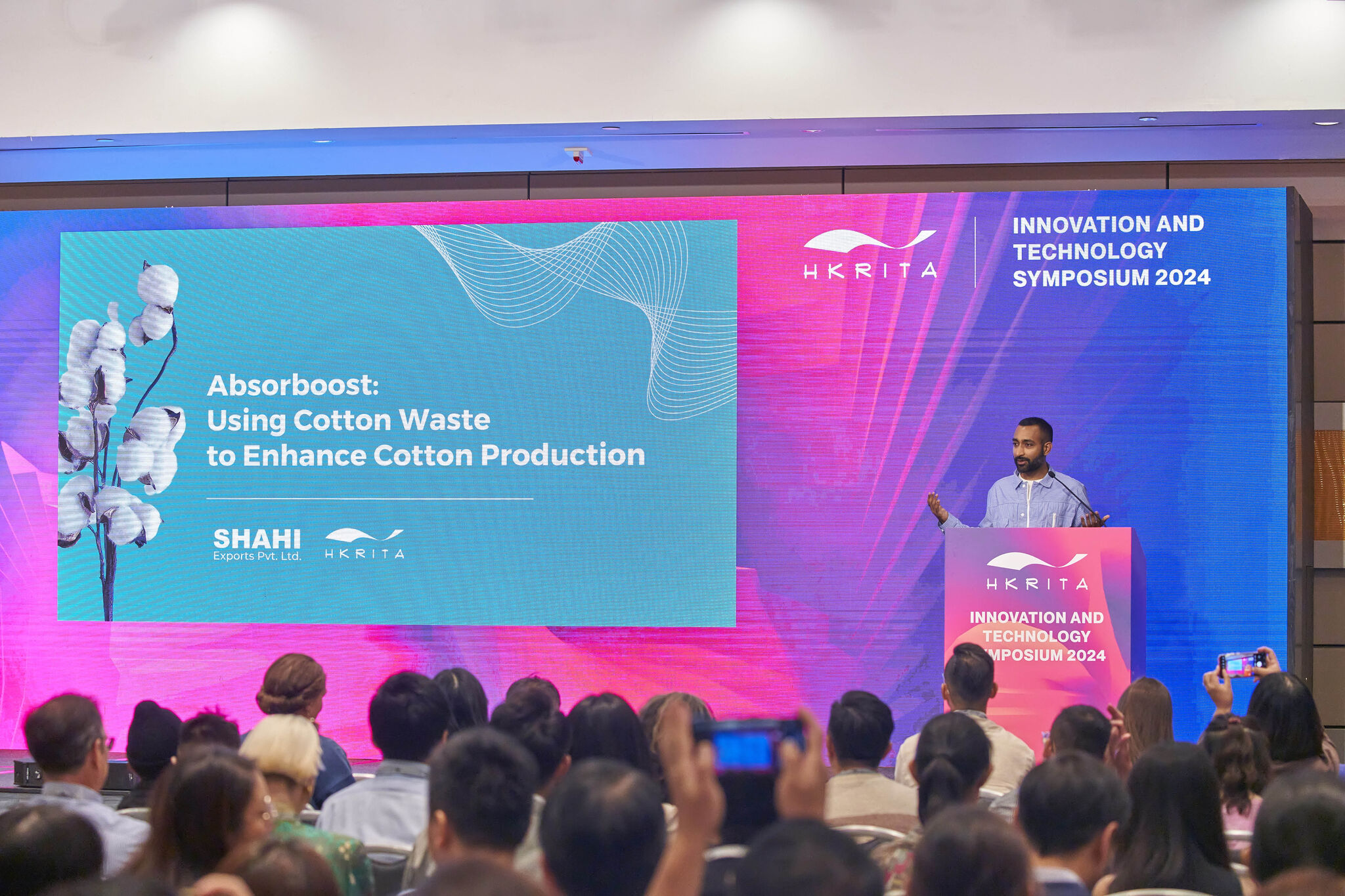
He emphasized the use case of CSAP as a climate adaptive measure to de-risk cotton farmers against crop failure due to water stress. Anant also spoke at the circularity and supply chain management panel and shared his thoughts on the strategic collaboration required to accelerate sustainability in the industry. He highlighted how HKRITA – The Hong Kong Research Institute of Textiles and Apparel Limited’s model of applied research and partnership with the industry enabled us to work efficiently on R&D on CSAP.
15-17 March | 3rd Global Textile Conclave
Anjani Mishra, Deputy General Manager of Skill Development, represented Shahi at the 3rd Global Textile Conclave organized by the Confederation of Indian Textile Industry (CITI).
In a panel on ‘Increasing Economic and Social Opportunities for Women in the Textile and Apparel Industry,’ he spoke about Shahi’s commitment to improving the socio-economic status of female candidates through skilling & gainful employment across 70+ skill development training centers in 15 States in India. He emphasized the importance of Upskilling & Re-skilling existing female employees to improve career progression within the organization.
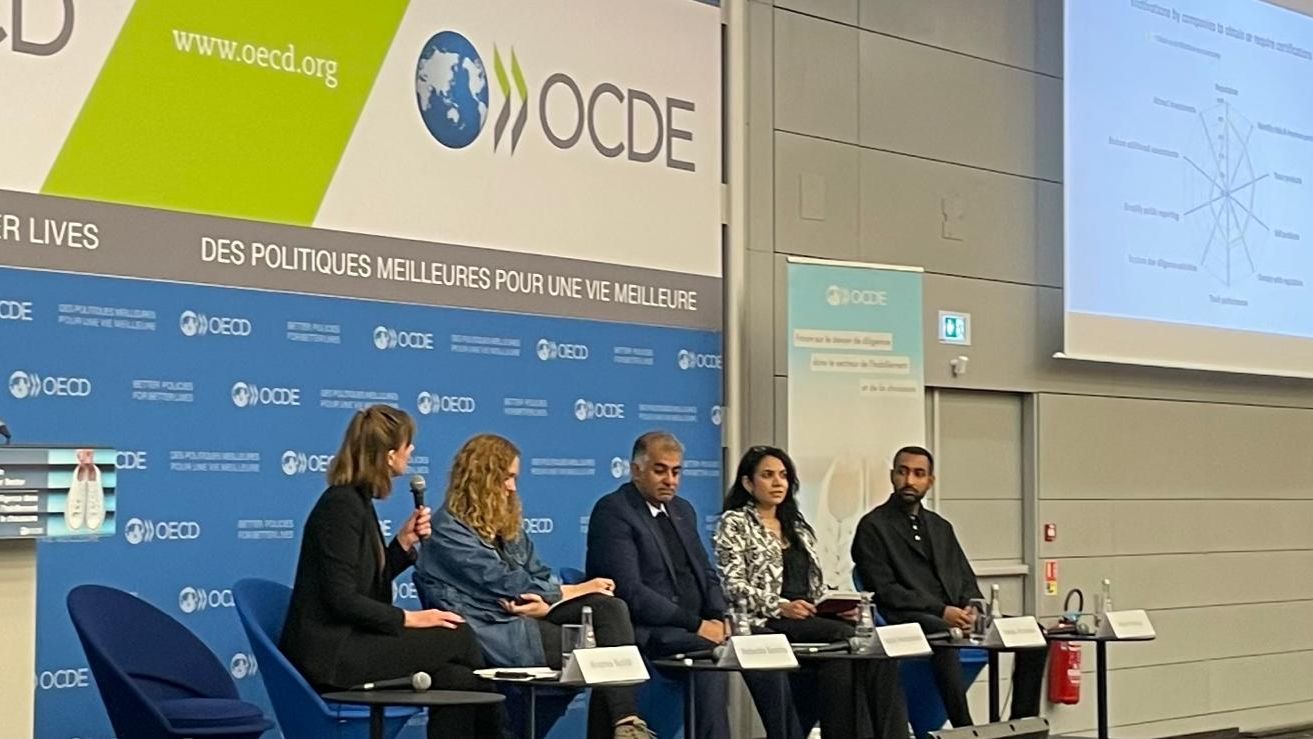
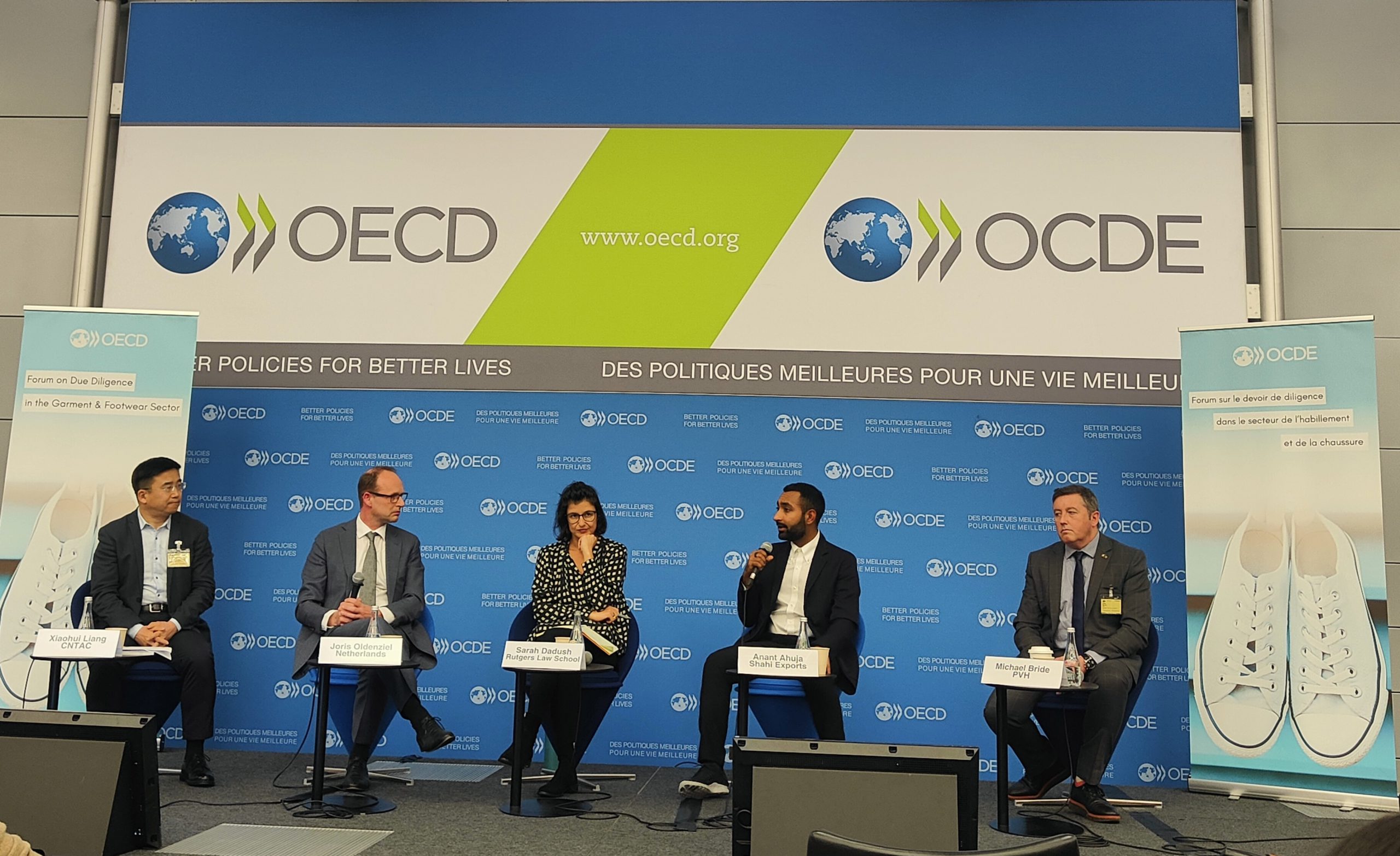
16-17 February | OECD Forum on Due Diligence in the Garment & Footwear Sector
Anant Ahuja represented Shahi at the 2023 OECD – OCDE Forum on Due Diligence in the Garment and Footwear Sector. He spoke at the panel “Due diligence costs and responsibilities:
Collaborative approaches to buyer-supplier relationships” about the value of multi-stakeholder initiatives on due diligence that involves suppliers, brands, NGOs, and other experts to address the challenges in a local context.
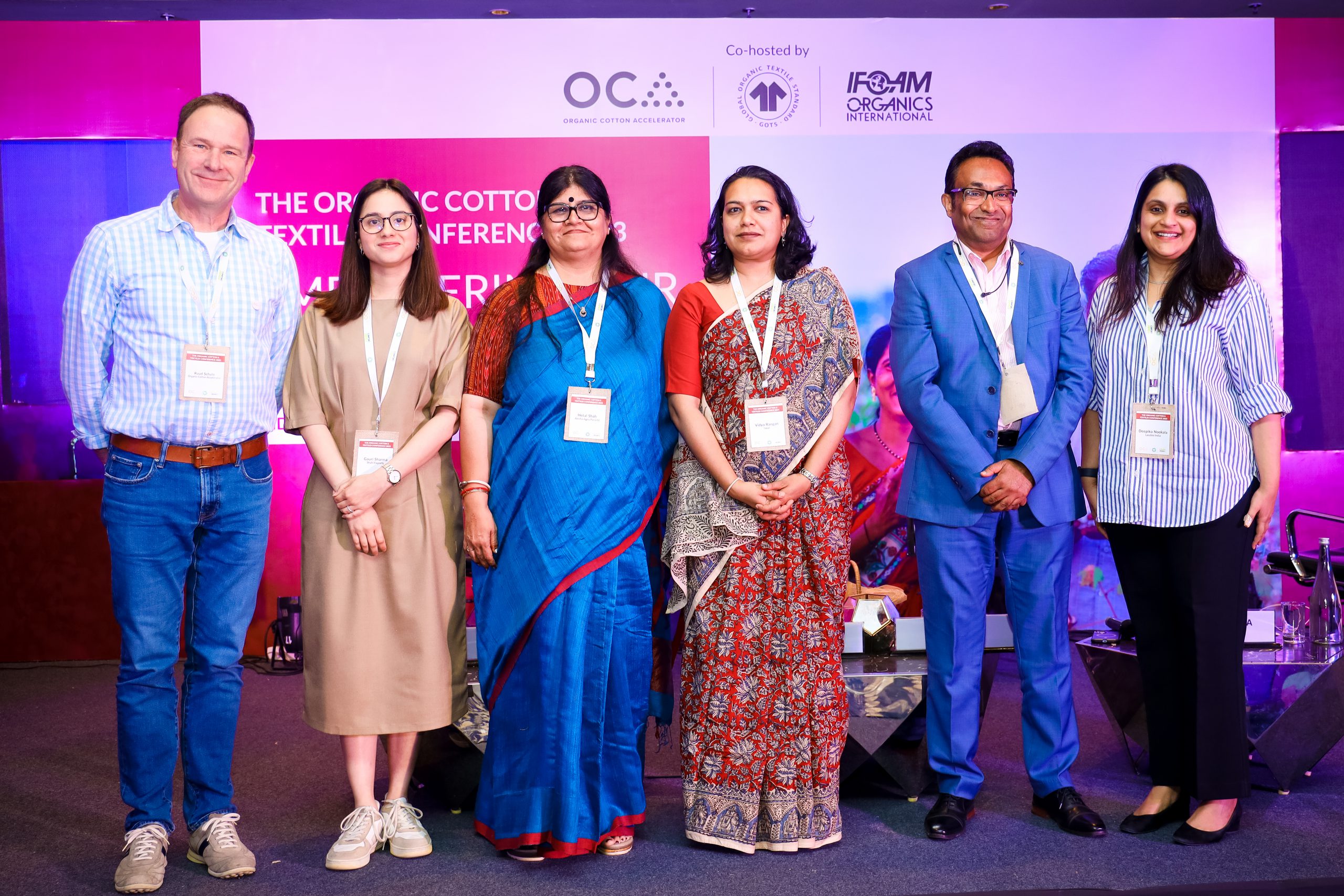
28 February | Organic Cotton & Textiles Conference 2023
Gauri Sharma, Senior Manager, Communications and Sustainability Innovations, Shahi spoke at the Organic Cotton & Textiles Conference 2023 about the social protections that need to be embedded and strengthened at the farm level in cotton production and the pertinent role of emerging policies in enabling these changes.
She also highlighted how a vertically integrated manufacturer like Shahi could play a role in accelerating authentic organic cotton in the industry sustainably.
31 January | BSR KWIL Conference
Gauri Sharma, Senior Manager, Communications and Sustainability Innovations, represented Shahi at the Business for Social Responsibility (BSR) event focusing on their ‘Keeping Workers in the Loop’ (KWIL) Project. In the panel ‘PROGRESS TOWARDS A JUST, FAIR & INCLUSIVE CIRCULAR FASHION SYSTEM’ joined by H&M, ILO, and Hasiru Dala, she shared how the learnings from the KWIL project motivated Shahi to take on a lens of social wellbeing in circularity.
After engaging in the KWIL research last year, Shahi took on projects and pilots on circularity while keeping worker well-being at the center. She also emphasized the role of strong brand-supplier relationships in the fair transition to a circular economy.
30 January | Shades of Blue
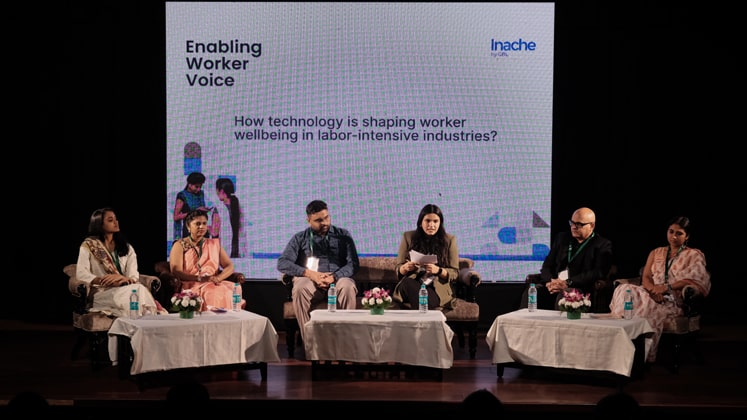
Chitra Ramdas, General Manager, Organizational Development at Shahi, participated in a panel discussion on ‘enabling worker voice,’ an essential tool for a thriving business and work environment for manufacturers at Shades of Blue by Good Business Lab.
Shades of Blue was an experience center curated at the Alliance Française de Bangalore that explored blue-collar labor and its many complexities through a fresh way of understanding India’s older garment sector and the emerging gig economy.
24 January | IOM Panel
Anant Ahuja, Head of Organizational Development, represented Shahi in the Indo-Pacific Supply Chain Guidelines Launch hosted by the International Organisation of Migration (IOM). He shared the myriad of challenges faced by migrant workers, including lack of affordable housing, health facilities, and social isolation, among others. Shahi is working closely with ecosystem partners to build a model and ecosystem of support for migrant workers at Shahi in the form of a migrant support center. The aim is to create an enabling environment for migrant workers to access job opportunities and create a model center that can be adopted and scaled across industries and geographies.
December 6, New Delhi: Shahi Exports, India’s largest apparel manufacturer and exporter, released its second Sustainability Report for FY 2022-23 today. The comprehensive report details the company’s extensive initiatives across key focus areas, including Energy and Emissions Management, Water Efficiency, Chemical and Materials Stewardship, Waste Towards Circularity, Empowered Workforce, Employee Health and Well-being, Fair and Respectful Workplace, and Corporate Social Responsibility (CSR).
Anant Ahuja, Head of ESG at Shahi Exports, said, “The past year has marked significant shifts in the narrative, perspective, and business of sustainability in fashion.As the industry evolves,Shahi remains committed to conducting our business in a way that reduces negative impact and maximizes the positive impact on our people and the planet. The Sustainability Report is an important tool in helping us track our progress and identify areas where we can make further improvements. The data and insights reported over the past two years have been invaluable in helping us develop more strategies aligned with long-term thinking on our growth journey.”
Key highlights of the report:
Shahi has moved the needle on Planet targets by:
Increasing renewable energy capacity to 92.5MW brings it closer to 100% renewable electricity goal by 2026.
This year, Shahi phased out coal from garment factories and continue to work on coal elimination in mills.
Achieved Higg FEM verified average score of 78.05%, compared to the global average of 59.67%.
Shahi’s efforts have not gone unnoticed, and have received several international and national awards for the commitment to environmental stewardship, like the International Green Apple Environment Award by The Green Organization and the Excellence in Performance Award by The Confederation of Indian Industry under the ground-mounted solar category.
On the People front:
Shahi has invested 1.2 million hours in upskilling its employees in behavioral & technical skills.
The company continued to invest in soft skills training for women through the Gap Inc. PA.C.E. program, reaching 86,000+ women since 2007 and completing 96% of 2024 training target.
It partnered with the International Organization for Migration (IOM) to support migrant workers and launched the YESS: Yarn Ethically and Sustainably Sourced program to mitigate the risk of forced labor in supply chain.
Harish Ahuja, Managing Director and Chairperson of Shahi Exports said, “Over the years, Shahi has always demonstrated a deeper understanding of the changing landscape of our environment and the role that sustainability as a concept plays in this shift. As Shahi turns 50 next year, we believe sustainability efforts will increasingly underpin our success and drive industry-wide transformation. We will continue in the spirit of collaboration, share our best practices, and advocate for collective action.”
Our legacy, rooted in empowering women, has helped Shahi make significant strides in promoting gender equality and economic empowerment. Anant Ahuja, Head of Organizational Development at Shahi, joined the G20 Empower Alliance as an Advocate, reinforcing the company’s commitment to women’s advancement and carrying forward Shahi’s legacy of building financial independence, providing access to health awareness, and enhancing soft skills for women.
The G20 EMPOWER initiative, short for the G20 Alliance for the Empowerment and Progression of Women’s Economic Representation, is a global movement with a clear vision—to be the most inclusive and action-driven alliance among businesses and governments, accelerating women’s leadership and empowerment across G20 countries. It’s an ambitious endeavor is dedicated to advancing women’s roles in the private sector and achieving gender equality.
G20 Empower’s Best Practices Playbook
One of the outcomes of the G20 Empower initiative is the Best Practices Playbook. This valuable resource compiles best practices from organizations across G20 countries and invited nations. It focuses on four key areas:
Measuring to Improve
Building and Nourishing an Efficient and Sustainable Women Talent Pipeline
Enabling Women to Lead the Future
Supporting Women Entrepreneurs & Leaders at the Local Level
This year, a new focus area, ‘Supporting Women Entrepreneurs & Leaders at the Local Level,’ has been added, strengthening the commitment of both the private and public sectors to women’s advancement.
The Playbook features the best practices of 151 organizations across 19 G20 countries and invited nations. It’s a testament to the collective efforts of these organizations to advance women’s leadership and empowerment.
Leading the way: Shahi’s Best Practices
Shahi has heavily invested in studying the impact women’s empowerment can have on businesses.
Our collaboration with GAP Inc, piloted the P.A.C.E. (Personal Advancement & Career Enhancement) training program in 2007. This program offers comprehensive curriculum-based training, focusing on managerial, interpersonal, organizational, and practical skills. It’s designed to empower women not just in their careers but in their lives.
The program extends its impact beyond the workplace, sensitizing supervisors, factory staff, and even family members of garment workers. It creates a supportive environment that empowers women to apply their newly acquired skills, helping them break down the barriers to personal and professional growth.
Our company has established over 80 training centers in collaboration with public-private partnerships, creating employment opportunities and serving as a vital stepping stone for economic progress. These centers offer comprehensive training, including the GAP Inc. P.A.C.E. program, as a standard part of their curriculum. Shahi has already trained 74,000 female workers through the GAP Inc P.A.C.E. program, with a goal to benefit 90,000 workers by 2024.
Through relentless research and innovation, Shahi has introduced transformative training initiatives like the STITCH program tailored for supervisors. This soft skills training program enhances their capabilities in self-reflection, making them more effective leaders and team members.
Advocating for Empowerment
Earlier this year, Anant Ahuja, Head of Organizational Development at Shahi, joined the G20 Empower Alliance as an Advocate. Reinforcing the company’s commitment to women’s advancement and carrying forward Shahi’s legacy of building financial independence, providing access to health awareness, and enhancing soft skills for women.
“Empowering women is essential to the goal of gender equality and equity,” says Anant Ahuja. He reflects on Shahi’s history, founded by his grandmother, Sarla Ahuja, with a vision to provide independent income to women.
Through the G20 Empower Alliance, Shahi has become part of a global community of like-minded leaders dedicated to the advancement and empowerment of women. Anant Ahuja’s words resonate: “We hope to make the experience of scaling new heights for women even better, more satisfying, and rewarding.”
New Delhi, 24 May, 2023: Responsible Sourcing Network and Shahi Exports announce their collaboration in promoting due diligence towards ethical cotton sourcing practices in the garment industry. The partnership aims to build a transparent and forced labor-free supply chain for cotton as countries across the world move to strengthen due diligence and sourcing standards.
YESS: Yarn Ethically & Sustainably Sourced is an initiative by Responsible Sourcing Network that dedicated several years to developing rigorous due diligence standards to achieve a forced labor-free cotton supply chain for the garment and textile industry.
The YESS standards were officially presented in India on May 2, 2023 at a workshop in Bengaluru, Karnataka, attended by multiple industry members. The workshop highlighted the significance of due diligence in building an ethical supply chain for cotton sourcing and furthering the goal of preventing forced labor.
“This joint effort represents a significant milestone in the pursuit of responsible and transparent cotton supply chains. As we expand conducting assessments in India later this year, we invite industry members to join this collective advancement and have their mills trained and assessed,” said Patricia Jurewicz, CEO of Responsible Sourcing Network.
Shahi Mill and Spinning Facility at Shivamogga underwent India's first YESS assessment
Following the workshop, YESS conducted its initial independent assessments in India at Shahi Exports’ knitting and spinning facilities in Shivamogga. The YESS program assesses management systems and inventory controls of mills to identify, assess, and mitigate the risks of forced labor based on the Organisation for Economic Co-operation and Development (OECD) due diligence framework. In 2022, Shahi was one of the seven global suppliers that piloted the YESS Standards and has now become the first mill in India to take the lead in implementing robust due diligence measures.
“As India’s largest apparel manufacturer and exporter, Shahi is committed to producing goods using ethical, fair, and sustainable practices. We are thrilled to embark on this journey and align ourselves with global standards of due diligence. We recognize that efforts towards traceability require industry collaboration, and we are confident that YESS will provide valuable support in achieving this goal.” stated Anant Ahuja, Head of Organizational Development at Shahi Exports.
While already operating with firm checkpoints for cotton sourcing, the YESS assessment provided additional insights that enabled Shahi to further strengthen its management processes in response to evolving legislation and growing consumer demand on traceability against forced labor.
Spinners and textile mills play a critical role in facilitating visibility and due diligence in the complex cotton-sourcing landscape as gatekeepers. YESS recognizes the position they hold and values their partnership in connecting the industry agenda across the global supply chain.
Bhubaneshwar – 21 March 2023: Shahi Exports and Know Me India Trust (KMIT) today have announced a partnership to support vulnerable and at-risk women in India against poverty and human trafficking. The partnership implements ‘Project Swabhimaan,’ which provides life skills training, sector-specific technical training, and job opportunities or support in opening a small business to women from vulnerable social and economic communities, particularly those at risk of human trafficking and exploitation. The program will also provide mentorship and motivation to encourage and support women in their journey toward financial stability and independence.
The partnership furthers the joint vision of both organizations, creating a sustainable and direct employment pathway for the most disadvantaged and at-risk women in Jharsuguda, Odisha. The pilot program launched here in Odisha intends to train, educate, and prepare women from disadvantaged communities with limited access to stable employment. Upon completion of the training, the participants will be offered job opportunities at Shahi – India’s largest manufacturer and exporter of ready-made garments.
Anant Ahuja, Head of Organizational Development at Shahi Exports, said, “We are delighted to partner with Know Me India Trust to create this opportunity for women from disadvantaged communities. Our company is built on the foundation of empowerment of women and a spirit to contribute towards the development of communities in which we operate. This partnership is aligned with our efforts to promote sustainable livelihoods, fight against human trafficking and modern slavery, and provide opportunities for women to become financially independent.”
Data suggest that about eight million people in India are trapped in human trafficking. The number of persons trafficked for forced labor in India is 20 to 65 million. And 90% of the trafficking occurs domestically, intrastate, or interstate. The joint initiative by Shahi Exports and KMIT is particularly significant in this context as it seeks to support vulnerable and at-risk women against poverty and human trafficking by supporting them in providing training and livelihood.
Supei Liu, Program and Development Board Advisor to KMIT, said, “We believe that sustainable employment is one of the most effective ways to prevent exploitation of vulnerable individuals and re-exploitation of survivors of human trafficking and other forms of slavery. Our partnership with Shahi aims to address this and help at-risk women achieve economic agency and mobility. We are sure that quality training, stable incomes, and a safe work environment will provide women with opportunities to acquire the skills and access the resources they need to achieve economic independence, dignity, and freedom.
The project will ensure that 100% of the vulnerable and at-risk women going through the program will experience a 65% increase in income and sustain this growth over the next two years. KMIT is set to take on the challenge of supporting the women in the Swabhimaan program in achieving economic security while successfully breaking the cycle of exploitation and human trafficking.
KMIT works in communities with some of the highest incidences of both labor trafficking and commercial sexual exploitation (CSE), where women and girls are economically marginalized due to poverty, caste discrimination, gender inequality, and low capacity to resist economic shocks.