New Delhi, December 16, 2025: Shahi Exports Pvt. Ltd., India’s largest apparel and textile manufacturer, today shared its sustainability progress for Fiscal Year 2024–25. The report underscores the company’s deep commitment to adapt, impact, and inspire sustainability throughout its operations and partnerships, successfully navigating rising global expectations for ethical practices, climate action, and supply chain transparency.
The FY 2024–25 progress report covers the period from April 1, 2024, to March 31, 2025, and primarily focuses on Shahi’s operations in India.
Decisive Climate Action: A Major Shift in Energy
Shahi achieved significant milestones in its environmental journey this year. Driven by a crucial strategic decision to replace coal with sustainable biomass across its facilities. This move directly contributed to achieving a 51% carbon-neutral energy mix, up from 36% in the previous year, and surpassed internal targets earlier than projected.
Harish Ahuja, Managing Director and Chairperson, Shahi Exports Pvt. Ltd., commented,
“Our transition from coal to sustainable biomass was a bold and necessary step, helping us achieve 51% carbon-neutral energy across the company, up from 36% just last year. This progress does not happen by chance. It is a result of detailed planning, relentless execution, and our firm belief that we can and must do better as we transition toward a more responsible energy future.”
Investing in People and Community Well-being
The company placed significant emphasis on social responsibility, delivering substantial progress in employee development, empowerment, and community engagement:
Upskilling and Training: The organization provided over 1 million hours of employee training and delivered technical skills training to 75,000 women.
Worker Health: More than 17,000 workers participated in the company’s health camps.
Worker Voice: Shahi ensured 100% access to Inache, its digital worker-voice tool, enhancing workplace communication and transparency.
Community Outreach: Initiatives dedicated to driving education, health, environment, employment, and empowerment outcomes in communities served over 475,000+ individuals.
Expanding Influence Through Collaboration
Recognizing that industry-wide change requires partnership, Shahi broadened its collaborative footprint this year:
Industry Innovation: Shahi co-founded the Fashion Producers Collective, an initiative focused on supplier-led research to drive systemic improvements.
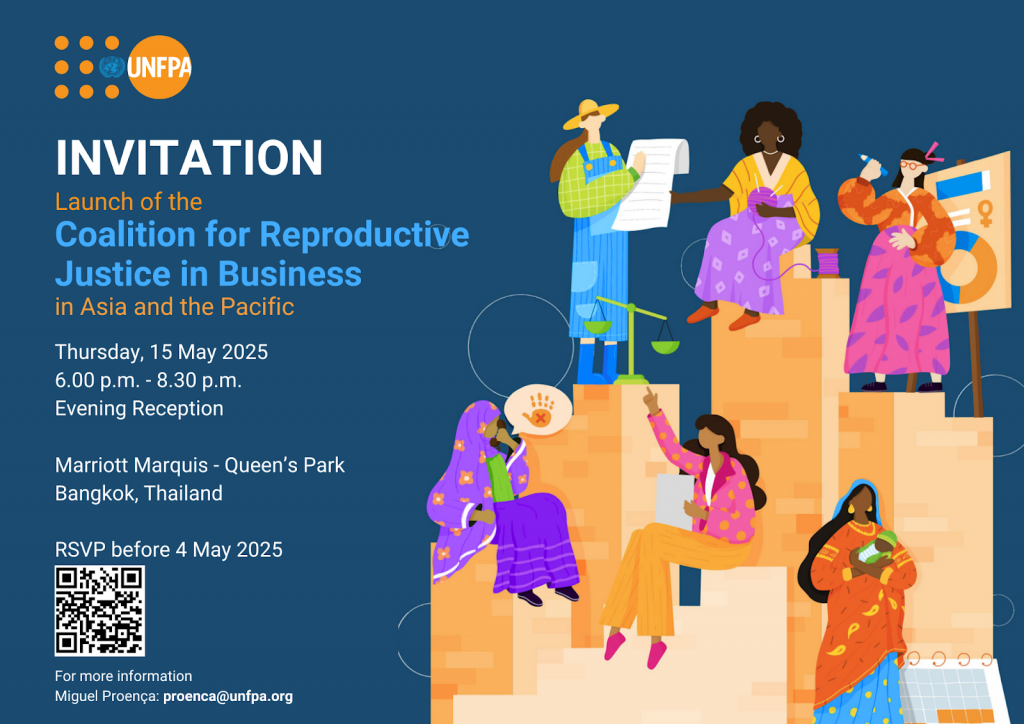
Global Stewardship: The company continued its dedicated work within The Fashion Pact and further solidified its alignment with international governance standards by joining the OECD Advisory Group on Responsible Supply Chains and theCoalition for Reproductive Justice in Business under UNFPA.
As Shahi moves forward, its objective remains to drive people and planet-positive practices that secure long-term value for all stakeholders and establish new performance benchmarks for responsible manufacturing.
New Delhi, October 17, 2025: Shahi Exports today announced a partnership with the United Nations Population Fund (UNFPA) India, formalizing its commitment to advance sexual and reproductive health and rights (SRHR) in the workplace and its supply chain.
Anant Ahuja, Director ESG & Sustainability at Shahi Exports & CEO and Co-founder at Good Business Lab, and Andrea M. Wojnar, Representative for UNFPA India and Country Director for Bhutan, sealed the commitment at a ceremony held at the UN House in New Delhi.
A Strategic Investment in Workforce Resilience
This partnership marks our formal commitment to integrate sexual and reproductive health and rights (SRHR) into our business policies and practices. It’s a declaration that investing in women’s reproductive health is a smart business decision that boosts workforce resilience, productivity, and gender equality.
The Coalition, a multi-stakeholder platform led by UNFPA, aims to mainstream the SRHR agenda within the private sector globally.
Anant Ahuja commented on the significance of the agreement:
“Joining the Coalition for Reproductive Justice in Business is a great moment for us. This MoU reflects a core belief we hold: that the health, dignity, and autonomy of our women employees are fundamental to our success. We are excited to collaborate with UNFPA India to set a new standard for corporate responsibility and advance women across our workforce and the value chain.”
UNFPA on the Role of the Private Sector
The private sector, as one of the world’s largest economic forces, is uniquely positioned to drive positive social change through inclusive policies.
Andrea M. Wojnar highlighted the collaboration:
“The integration of women’s health and rights into corporate strategy is crucial for achieving gender equality and unlocking economic potential. Shahi’s commitment as a champion demonstrates forward-thinking leadership that directly addresses the barriers women face. We look forward to leveraging this partnership to drive measurable impact on critical areas like menstrual health, gender-based violence prevention, and access to comprehensive reproductive health information.”
Key Commitments Under the Partnership
As a champion of the Coalition, Shahi will undertake concrete actions, focusing on:
Policy Advancement: Implementing enhanced, family-friendly policies related to menstrual health, maternity and parental support, and flexible working arrangements.
Health Access: Working towards providing information and access to comprehensive reproductive health services and support.
Gender-Based Violence (GBV): Strengthening workplace mechanisms and zero-tolerance policies to prevent and respond to gender-based violence and harassment.
Measurement: Utilizing the framework to track, report, and continuously improve performance on SRHR indicators within the company’s Environmental, Social, and Governance (ESG) reporting.
Shahi is committed to fostering a supportive, stigma-free environment. The goal is to enable every employee to exercise their right to make autonomous decisions about their bodies and futures.
About Shahi Exports: Shahi is India’s largest apparel manufacturer and exporter. The company operates more than 50 state-of-the-art manufacturing facilities across 8 Indian states. It has a diverse workforce of nearly 100,000 people. Their vertically integrated operations, diversified product range, and strong commitment to ethical operations and environmental sustainability have established Shahi as one of the most preferred garment manufacturers in the world.
About UNFPA India: UNFPA is the United Nations sexual and reproductive health agency. UNFPA’s mission is to deliver a world where every pregnancy is wanted, every childbirth is safe, and every young person’s potential is fulfilled. UNFPA calls for the realization of reproductive rights for all and supports access to a wide range of sexual and reproductive health services. UNFPA has been partnering with India for over 50 years, ensuring rights and choices for all and helping build a future where every woman and young person can thrive.
It began, as most great stories do, with a spark and a little bit of mischief.
Mrs. Sarla Ahuja (Didi Ji) often recalls how her younger child was so spirited and full of energy that she decided to start working from home to balance her responsibilities as a mother and a professional. In the 1970s, women’s participation in the economy was largely confined to agriculture and the informal sector. During this time, Mrs. Sarla stepped into the unfamiliar world of exports. It was a time of protectionist policies, and the idea of “working from home” was hardly imagined. She made a choice that was born out of care and necessity. It soon became the first stitch in the fabric of what would grow into one of India’s largest apparel manufacturers, Shahi.
A New Kind of Beginning
The India of 1974 was a time of transition, when women’s voices in business were still rare and often overlooked. Opportunities were limited, but so was the fear of trying.
Sarla Ji’s curiosity, determination, and willingness to think differently laid the foundation for something much larger than herself. It began as a personal venture and soon evolved into a platform for thousands of women to earn a livelihood, gain confidence, and redefine what leadership looks like in the textile industry.
Capturing Five Decades of Purpose
Fifty years later, that spark remains a defining part of us.
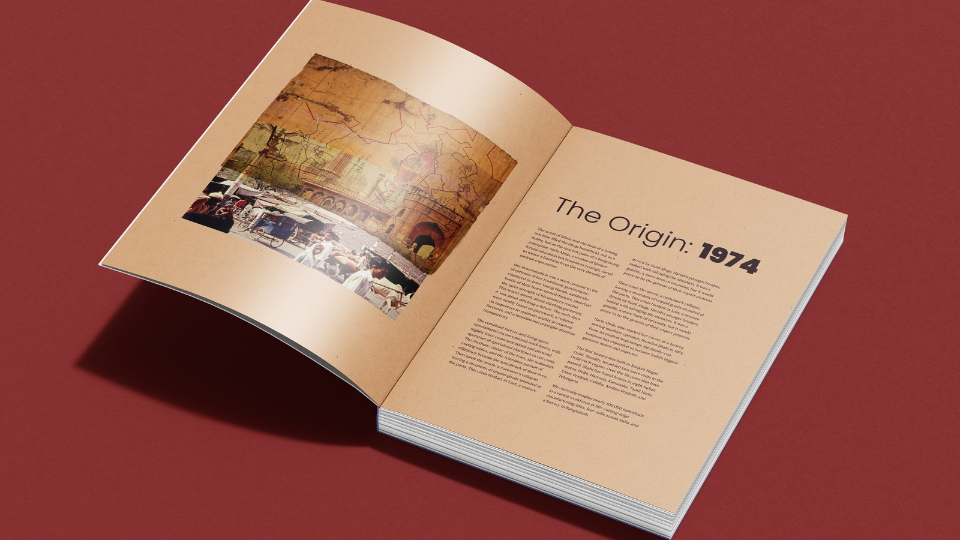
To commemorate this extraordinary journey, we are proud to launch ‘The Spark: 50 Years of Shahi’. The book is a visual and emotional chronicle that captures the essence of who we are and how we came to be.
The Spark retraces the beginnings of a small homegrown enterprise and follows its evolution into India’s largest apparel manufacturer. Inside, you get a peek into rare photographs, personal reflections, and memories from the people who built Shahi. It tells the story of a company that has always been shaped by its people. Their skills and ideas drove its success. Their persistence and dedication kept it growing.
The Story of a Generation, and Many More
The pages echo the voices of those who have been part of Shahi for decades. They hold the spirit of people who joined as young trainees and today lead teams of hundreds. Their stories of grit, innovation, and belonging remind us that progress never happens overnight. People build it slowly, stitching it together, one thread, one milestone, one person at a time.
This is more than a record of our history. It is a shared reflection, a chance for each of us, across eight states, to see ourselves in a story larger than our own.
A Book That Belongs to Everyone
The book is, at its heart, a collective memory and a bridge across time, departments, and generations.
Whether you have been part of Shahi for years or just joined, you’ll find the pages peppered with something familiar. They tell a story of perseverance, people, and purpose.
Today, we launch the book as both a tribute and an invitation. It asks us to remember where we began and to carry forward the same spirit and intent that started it all.
Read
‘The Spark’
Every milestone we’ve crossed, every story we’ve lived, and every value we’ve held close have shaped who we are today.
At Shahi, we believe in sharing our experiences and learning with all the stakeholders in the fashion industry and beyond. This is an ongoing post to share insights from our speaking engagements in 2025. Read insights from previous years’ engagements: 2024 | 2023.
21 September | New York Climate Week 2025
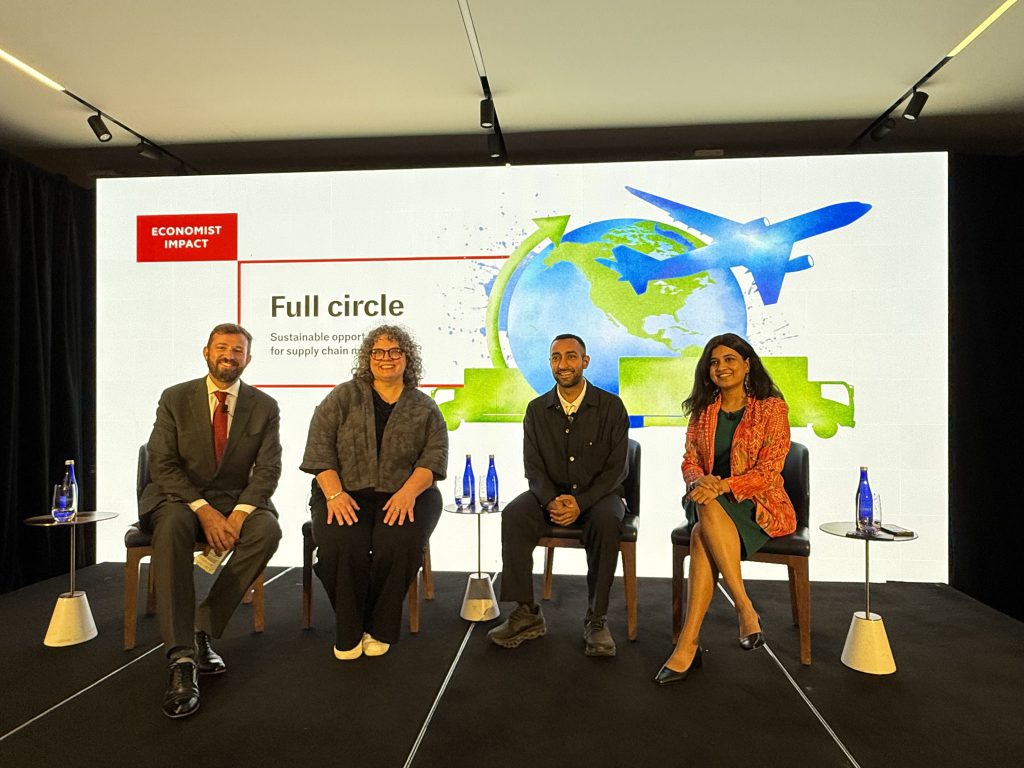
Anant Ahuja, Director of ESG and Sustainability, joined a session at New York Climate Week, organized by Economic Impact. The discussion brought together global industry voices to explore pressing challenges and opportunities in climate action. Anant contributed perspectives from the supply chain, sharing insights from Shahi’s ongoing efforts to integrate sustainability into manufacturing.
10 September | Launch of CITI’s Improving Transparency for Sustainable Business (ITSB) in India
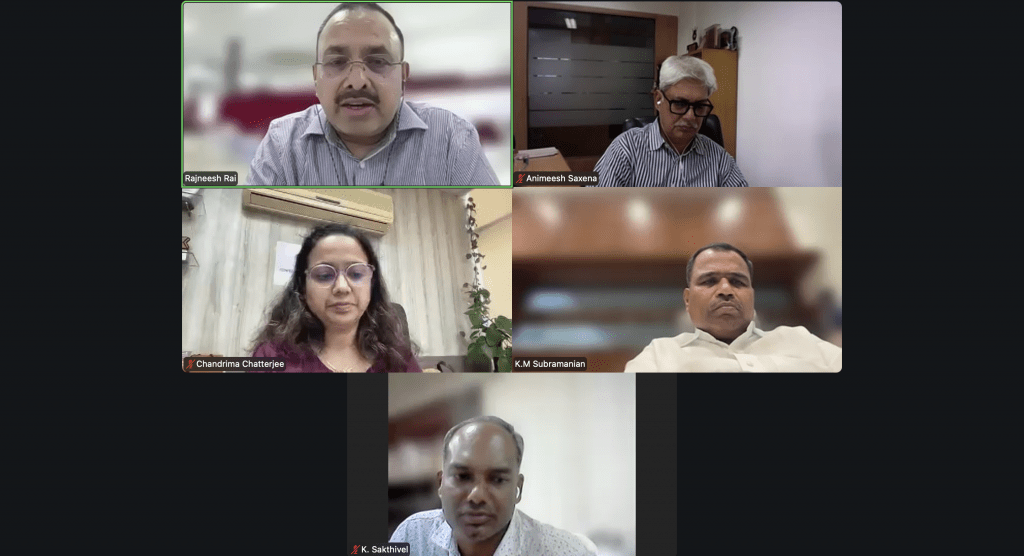
At the ITSB launch organized by CITI, Mr. Rajneesh Rai, AVP, Environmental Sustainability, joined a panel exploring the role of ESG in transforming India’s textile sector. He emphasized the importance of digital platforms, regular training, and knowledge-sharing to improve factory-level data on water, energy, emissions, and recycling. He also shared that reliable ESG data can support regulatory compliance, enable benchmarking, and inform more strategic sustainability planning. His remarks highlighted that better transparency starts with better tools and capacity for those collecting and using the data.
2 September | 2nd FICCI India Manufacturing Leadership Forum
Anant Ahuja participated in the “Ease of Doing Business for Viksit Bharat” roundtable discussion, focusing on how sustainability fits into India’s manufacturing growth story. He shared Shahi’s perspective on integrating social and environmental metrics into industrial policy. The discussion focused on how transparency, digital infrastructure, and workforce readiness can position India’s manufacturing sector as globally competitive and equitable. Anant emphasized that a future-ready industrial ecosystem must ensure that efficiency is aligned with inclusion and responsibility.
06 August | Brand Supplier Summit
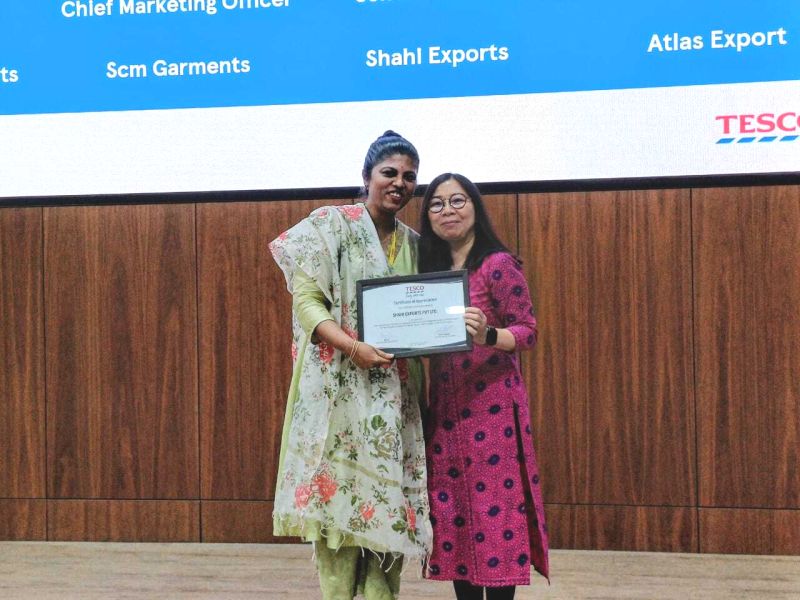
At Tesco’s Brand Supplier Summit, Chitra Prasad, Senior General Manager, Organizational Development, shared how Shahi has built gender equity over the past 15 years. On the “Gender Ambition” panel, she described how the team created safe, inclusive workplaces, increased women’s representation in committees, and strengthened leadership pathways across levels. Drawing on the ‘Responsible For framework’, she explained how Shahi designed systems that move beyond compliance and support long-term change. She emphasized that advancing gender equity means continuously investing in structures that reflect women’s lived experiences and unlock their leadership potential.
29 July | Women in Manufacturing – Lead with Equity Summit
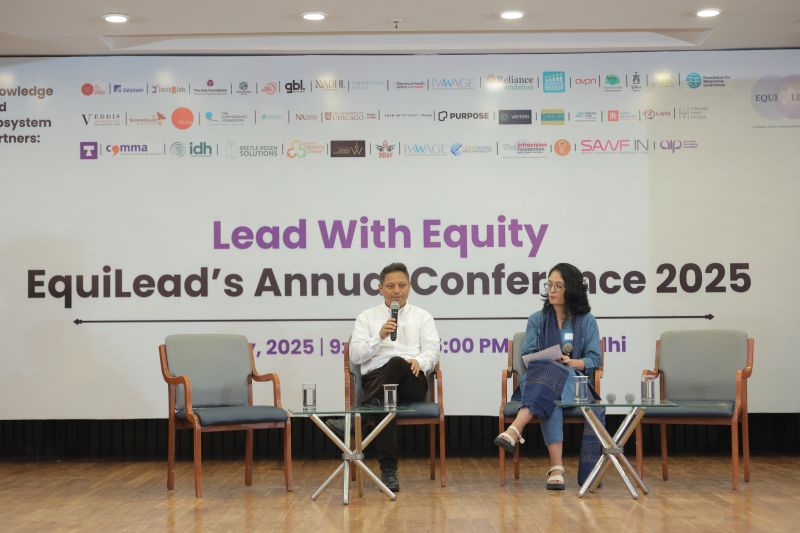
Deepak Rautela, Assistant Vice President, Organizational Development, joined the “Built to Include: Gender Equity in Indian Manufacturing” Panel hosted by Good Business Lab and EquiLead. He shared how Shahi is embedding gender goals into governance through internal policies, ESG assessments, and a culture of accountability. He outlined our ESG monitoring systems, including scoring frameworks to track progress, and explained how they would be utilized. His insights reflected that meaningful equity work relies on strong internal systems that translate commitments into measurable outcomes and ensure continuous improvement.
22 July | Unlocking Investor Action for a Just Transition in India’s Fashion Sector
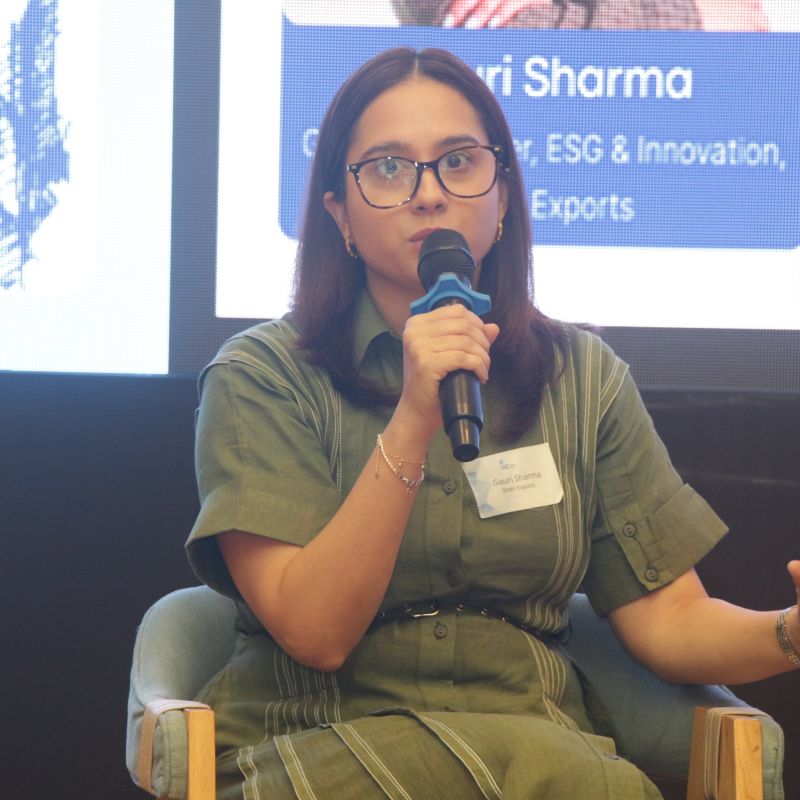
Gauri Sharma, General Manager, ESG and Innovation, participated in the “Thread to Transformation” panel in New Delhi, hosted by the Impact Investors Council and the Impact Investing Institute. She emphasized the importance of investors collaborating closely with supply chain partners to understand the on-the-ground realities. Her discussion explored how climate finance and circularity strategies must prioritize worker rights, supplier viability, and local economic resilience. The discussion highlighted the importance of designing investment models that support decarbonization while ensuring that no one is left behind.
24 June | Innovation Forum Sustainable Apparel and Textiles Conference USA
At the Innovation Forum in the US, Anant Ahuja joined the “Supplier Spotlight” session to speak about reimagining supplier relationships. He stressed the importance of long-term partnerships based on shared goals, co-investment, and responsible purchasing practices. Anant brought up ‘pilot fatigue’ and emphasized the need for scalable, context-aware solutions. He highlighted that sustainability in global supply chains can only be achieved when suppliers are treated as strategic partners and included early in the design of any initiative.
17 June | Launch of report on Women’s Advancement by RISE
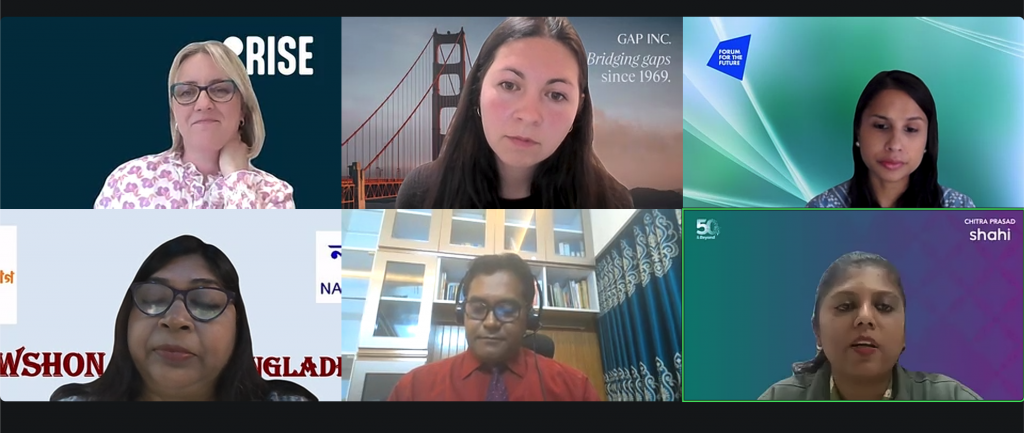
Chitra Prasad, Senior General Manager, Organizational Development, represented Shahi at the launch of a new report by Reimagining Industry to Support Equity (RISE). The report is titled “Shifting perspectives to accelerate women’s advancement and leadership in the garment, footwear and textiles industry – How international buyers and suppliers can take collaborative action”. Chitra spoke as part of the panel and reflected on why advancing women’s leadership in supply chains is a strategic priority for Shahi. She outlined how Shahi has integrated this focus into its core through initiatives such as Gap Inc.’s P.A.C.E., EWASE, and STITCH. She shared how these programs have contributed to measurable business outcomes. This includes higher retention, improved productivity, and increased representation of women in supervisory roles. Drawing on both experience and data, she emphasized the importance of moving beyond transactional approaches. She advocated for shared-risk models that enable long-term investment in equitable and resilient supply chains.
04 June | SXSW London 2025
Anant Ahuja, Director of ESG and Sustainability, participated in the panel “Circular Fashion: Can the Dream Become Reality?” He addressed the realities of scaling circular practices in mass fashion supply chains. He noted that some practices, like water recycling and waste reuse, are already in place. However, material circularity remains limited due to technological maturity, cost, and infrastructure. He also spoke about key barriers to adoption, including the disconnect between R&D and sourcing teams. He emphasized that shifting supplier-buyer relationships from transactional to collaborative is essential.
29 May | Hurun Philanthropy Summit 2025
Anant Ahuja joined a discussion on the panel ‘Philanthropy 3.0 – From Legacy to Leadership in a Digital Age’. It was a cross-sector discussion on how giving is being redefined.
15 May | Apparel Connect 2025
At the 8th edition of Apparel Connect, Sailendra Venkata Banda, General Manager – Logistics at Shahi, joined India’s leading apparel logistics forum. He shared his perspective on strengthening apparel logistics for a global scale. He spoke on a panel hosted by Cargo Connect where he discussed how supply chain resilience, real-time visibility, and technology integration are becoming essential for competitiveness.
15 May | UNFPA Asia and the Pacific Regional Launch
UNFPA brought together companies from across the region at the launch of The Coalition for Reproductive Justice in Business. The group discussed how businesses can embed reproductive rights in the workplace. Anant Ahuja was invited to address the gathering virtually. He showcased Shahi’s work towards improving the health and well-being of our workforce and designing tailored interventions for women employees for a better workplace.
05 May | UNFPA & Essity Nordic Roundtable
At the roundtable discussion titled “Business: Mobilizing the Nordic Private Sector for Women’s Health and Rights at Work”, Anant Ahuja spoke about Shahi’s workplace menstrual health initiative, Project Pravah. He explained how the program improves access, availability, and awareness for over 70,000 women workers. He also shared the results of the UNFPA Return-on-Investment Tool, developed with Good Business Lab (GBL). The program led to a 21 percent reduction in absenteeism, with a projected return of $2.90 for every $1 invested. This highlights that investments in well-being can improve work-life and create measurable business value.
03 March | Center for Business and the Environment at Yale (CBEY)
Anant Ahuja, Director of ESG and Sustainability, spoke at the session Unlocking Brand-Supplier Collaboration to Accelerate Decarbonization in the Fashion Industry, organized by the Center for Business and the Environment at Yale (CBEY).
He discussed the financial barriers suppliers face in adopting decarbonization technologies and the role of brands in overcoming these challenges. The session explored how brands can align incentives to reward sustainability performance over cost and speed. These should consider he intersection of environmental sustainability and employment conditions. He also talked about Shahi’s learnings on the most effective strategies for scaling decarbonization efforts across supplier networks.
27 February | Dasra Philanthropy Week
Anant Ahuja participated in a spotlight session organized by Dasra, speaking on The Power of Business to Drive Change. His talk focused on how businesses, particularly in supply chains, can play a transformative role in social impact, just as they do in environmental sustainability. He spoke of approaches to worker well-being and gender equity. He highlighted the potential for businesses to drive systemic change through research-backed initiatives. He also highlighted Shahi’s collaborations in worker retention programs and gender-focused workplace interventions.
14-16 February | Bharat Tex 2025
Harish Ahuja, Managing Director and Chairperson, spoke at Scaling Up Textile Manufacturing in India: Grabbing Opportunities, Addressing Challenges, organized by KPMG.
He discussed India’s strong banking system, the importance of vertical integration, and the role of MSME support in driving the country’s manufacturing growth.
Anant Ahuja spoke at the India: A Global CircularityHub – Developing and ScalingPost-Consumer Textile Waste Management session organized by Laudes India. He emphasized the importance of circularity for India and shared Shahi’s efforts in waste circularity. These include: upcycling, waste segregation, training, and compliance measures. Anant also discussed the role of various stakeholders in advancing circularity and effective waste management in the industry.
He also participated in Fashioning the Future Through Collaborative Sustainable Practices, organized by NIFT Delhi
He addressed the need for collaboration between manufacturers and brands to advance sustainability in the textile industry. His session covered decarbonization efforts and workplace interventions necessary for a sustainable future.
24 January | World Economic Forum (Side Event by UNFPA)
Anant Ahuja participated in the Coalition for Reproductive Justice in Business side event at the World Economic Forum, co-hosted by UNFPA, Essity, Ferring, Bayer, and Amref Health.
He shared Shahi’s holistic approach to supporting women employees, inspired by Shahi’s founder, Mrs. Sarla Ahuja. Some of the key initiatives include Project Pravah, which has reduced absenteeism by 21%. Other interventions like on-site creches, flexible work schedules, and the Shahi Soukyam maternal health program. Anant stressed the business case for investing in women’s health and well-being, stressing how these initiatives drive both social impact and operational efficiency.
24 January | CAIF Enterprise Bootcamp
Gauri Sharma, General Manager, ESG and Innovation, represented Shahi at the CAIF Enterprise Bootcamp, organized by the Circular Apparel Innovation Factory.
Her session focused on Shahi’s ‘Responsible For’ framework, efforts in decarbonization, digitization, traceability, and next-gen recycled materials.
The global fashion industry is at a pivotal moment, facing urgent calls for sustainable transformation. Fashion for Good and AltMat have joined forces to launch the Altag® Fibre Club: an innovative initiative designed to fast-track the adoption of next-generation, agri-residue-derived fibres at scale. The club brings together a consortium of forward-thinking supply chain partners to integrate AltMat’s fibres into mainstream production.
The Altag® Fibre Club aims to overcome systemic barriers that hinder the widespread integration of sustainable materials. Challenges include limited production capacity, premium pricing, and fragmented supply chains. The collaborative consortium facilitates seamless integration and provides brands with early access to AltMat’s groundbreaking Altag® fibres. This helps secure supply terms and streamlines processes.
The Altag® Fibre Club partners include: Adalberto, Alok, Arvind, Bhaskar Denim, Jindal Textiles, Maharaja Shree Umaid Mills, Ltd, Positive Materials, Sambandam Spinning Mills Limited, Shahi Exports, Sutlej Textiles, Sweaters India and Industries Limited, and Vrijesh Natural Fibre & Fabrics (India) Pvt. Ltd.
Driving long-term partnerships for change
This initiative marks a significant step forward in our 4-year partnership with AltMat. As a value chain partner, Shahi gains priority access to Altag® yarns. We also play a crucial role in co-developing fabrics with their global network of innovative customers. This collaboration furthers our commitment to fast-track material innovation, enabling it to offer cutting-edge sustainable solutions to brands seeking to reduce their environmental footprint.
The consortium is dedicated to collectively overcoming key adoption barriers, particularly in scalability and cost competitiveness for next-gen materials. The club provides access to sustainable material libraries and aims to distribute costs through shared investment. It, therefore, reduces upfront financial burdens for its members.
We’re excited to leverage our vertically integrated setup to collaborate with brand partners and integrate Altag®’s innovative agri-waste Fibres into scalable textile production.
Three years ago, the Migrant Support Center (MSC) was launched with the goal of providing comprehensive support for migrant workers navigating the challenges of relocating to new cities for work. What began as an initiative focused on easing the transition has since evolved into a cornerstone of worker well-being, scaling across multiple locations and shaping new strategies for workforce development. The MSC was designed based on insights from research conducted with partners like the Odisha Rural Development and Marketing Society (ORMAS), Good Business Lab (GBL), and H&M.
Today, the success of the Bengaluru MSC has highlighted the importance of providing comprehensive support for migrant workers. Shahi has since expanded the model in Bengaluru to offer services to migrants from Bihar and within Karnataka. Each center follows a scalable approach tailored to meet the specific needs of workers in different regions, ensuring that all workers have access to essential services beyond just their initial placement and housing.
“The centre was built on research and practical experience. It helped us understand what workers need beyond the basics, and we’ve taken those lessons to other regions.”
~Anant Ahuja, Director of ESG & Sustainability at Shahi
The Beginning: Research-Based Solutions to Complex Needs
Migrant workers are likely to face isolation, lack of access to services, and uncertainty in unfamiliar environments. High turnover rates — sometimes exceeding 75% annually in factories — have been traced to the emotional and social difficulties workers face after migrating. This instability has both social and business costs, disrupts productivity, and leads to additional costs for hiring and training.
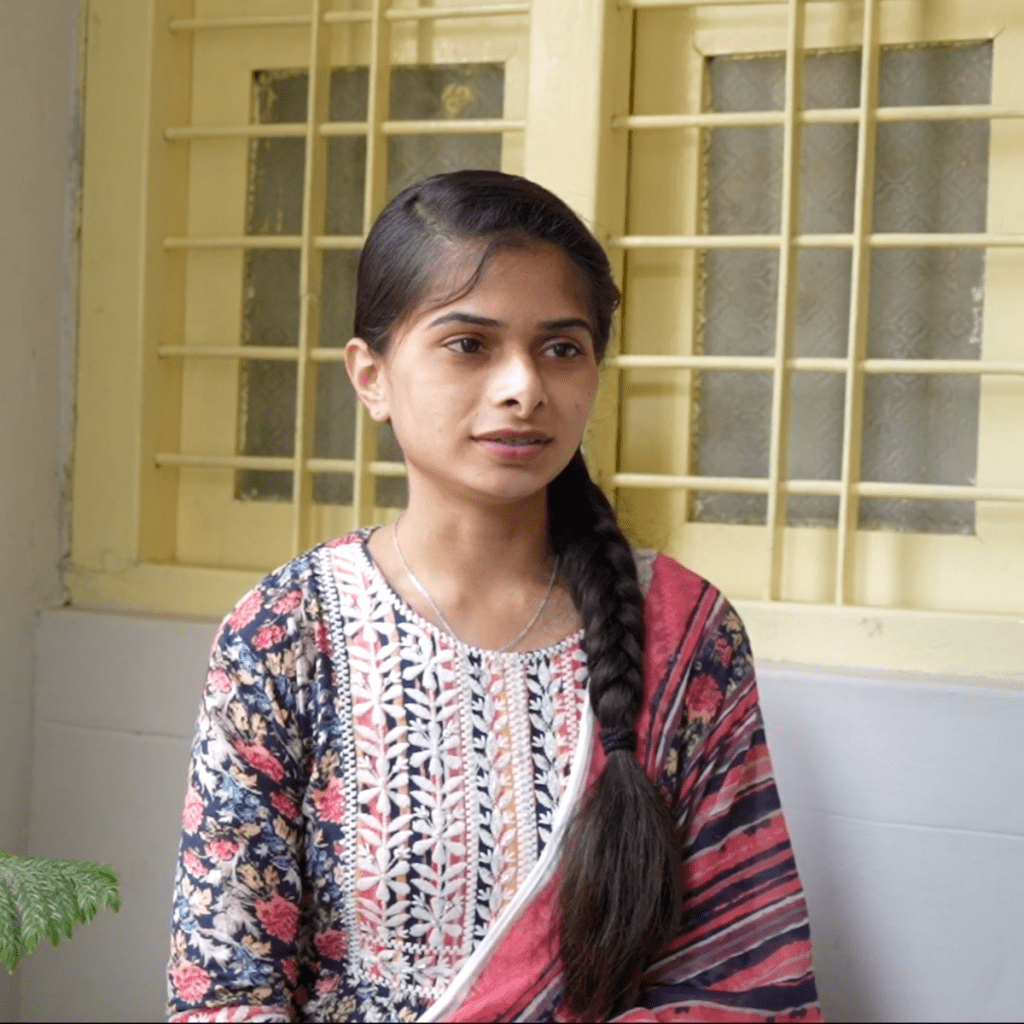
“I came to Bangalore with one intention, which is to earn enough money for a health procedure that I had to undertake. When one leaves their family to come to a bigger city, it leaves one feeling very uncomfortable,”
~ said Sana, who moved from Bagalkot (a district in the state of Karnataka, India) to Bengaluru, Karnataka.
Evidently, the reality of adjusting to an unfamiliar city without a support network became overwhelming.
Recognizing these challenges, the MSC was designed through deep research and fieldwork, in collaboration with partners like Odisha Rural Development and Marketing Society (ORMAS), Sanjeevini – Karnataka State Rural Livelihood Mission, and Bihar State Livelihood Mission (Jeevika).
By understanding workers’ holistic needs — beyond job placement and housing — the MSC created a model that could tackle the root causes of worker attrition and discontent.
A pilot program paired new workers with experienced colleagues to offer social and emotional support during their transition into the workplace. Among 500 workers, this approach led to a 5.3% reduction in depression, a 5.9% decrease in anxiety, and a 12% increase in productivity. The success of this affordable and scalable model helped shape the design of a larger initiative, which integrated structured peer support as a core strategy.
“Our research highlights the lack of social network as an important barrier to female migrant worker well-being and performance at workplace. That insight led to the Buddy System—a program pairing migrant workers with their peers from shared cultural backgrounds to build connection, support, and belonging. This simple, low-cost model improved mental health and boosted productivity, proving that investing in worker well-being isn’t just the right thing to do—it’s good business.”
– Smit Gade, Director, Data and Reseach, Good Business Lab
Additionally, through a collaboration with YourDOST, Shahi provided workers in the MSC access to professional counseling. Between 2023 and 2024, over 3,000 Shahi workers engaged with YourDOST, attending 620 counseling sessions. Major concerns, including self-confidence, work-related stress, and interpersonal conflicts, were addressed through counseling.
Comprehensive Support for Transition and Stability
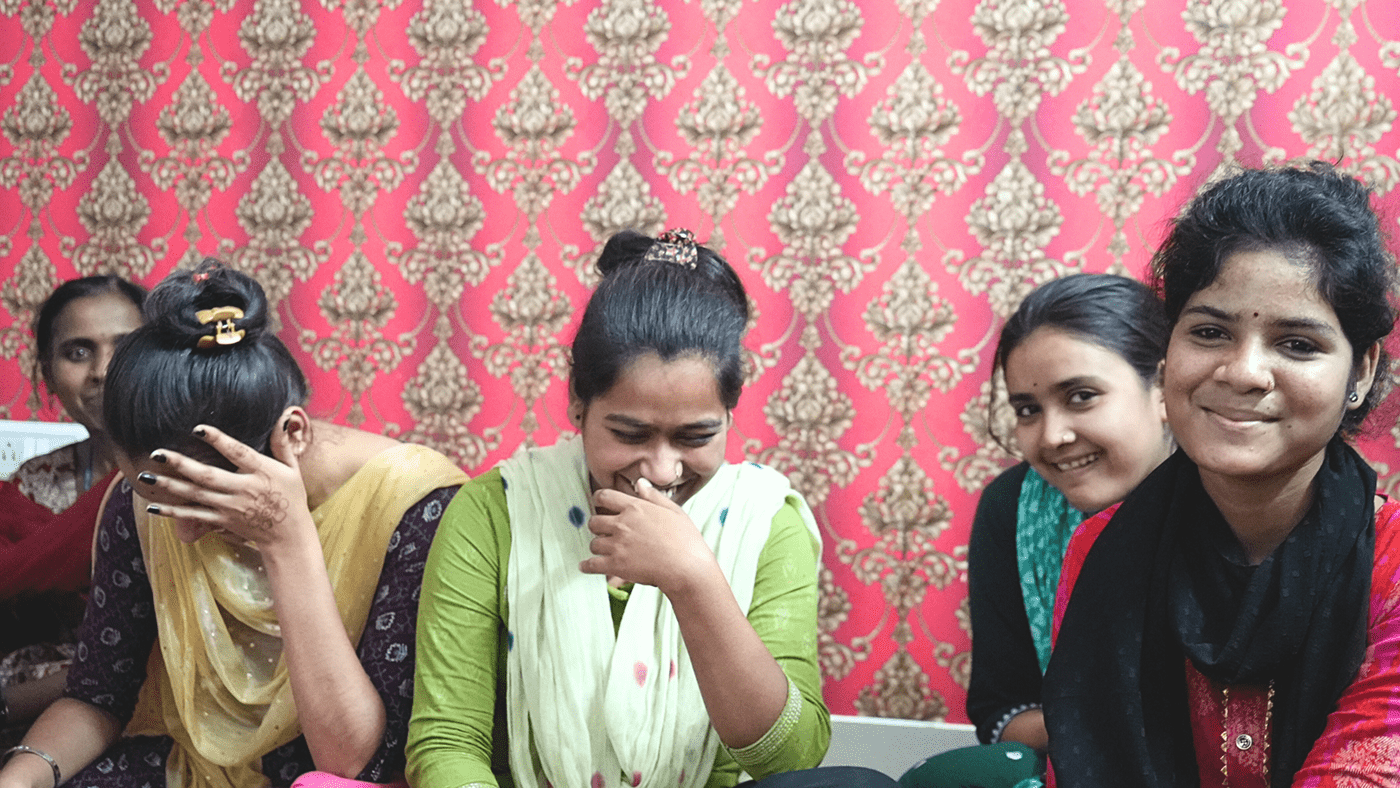
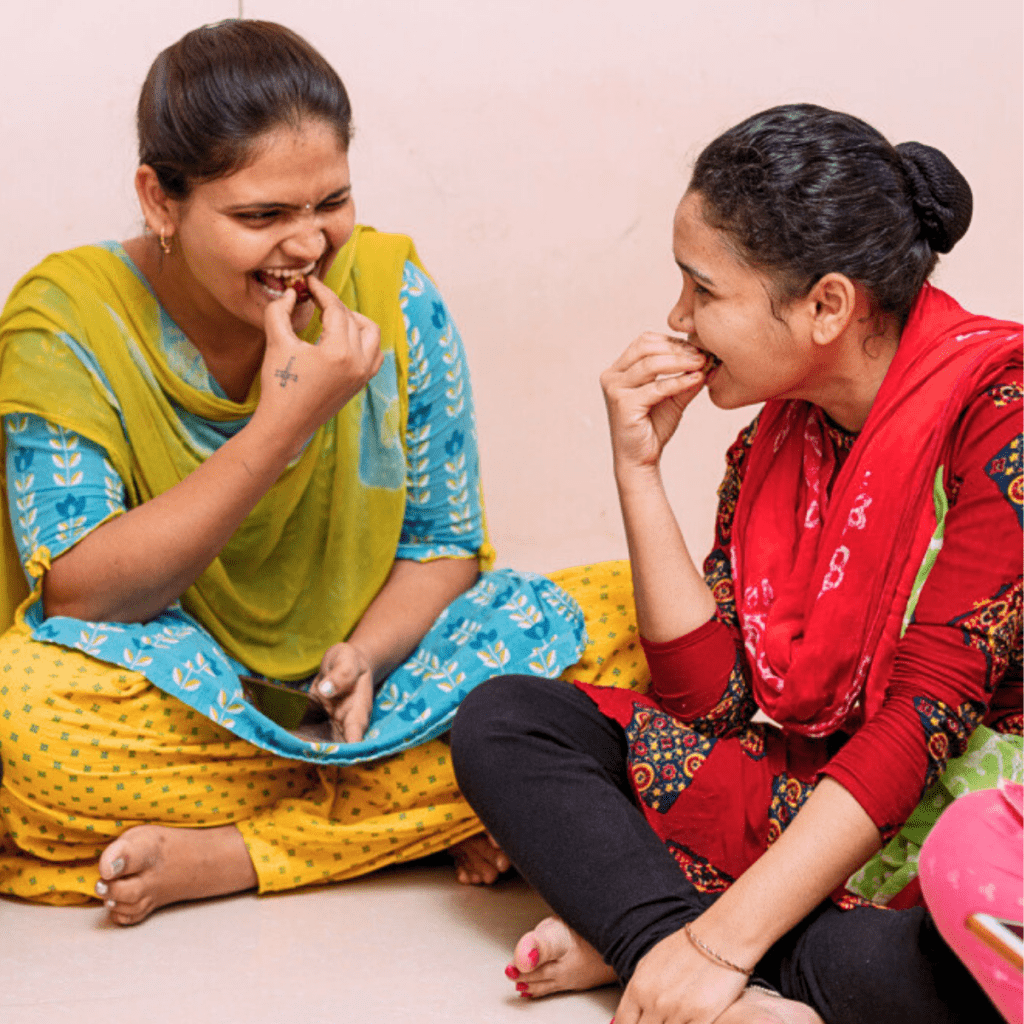
Fun time at Odisha-Migration and Support center Bangalore
Since 2021, the MSC has played a crucial role in addressing the diverse needs of migrant workers and facilitating their smooth transition into urban life. It has provided essential services, including legal aid, financial literacy workshops, and assistance in obtaining critical identity documents, such as Aadhaar and ration cards. These documents are vital for accessing healthcare, banking, and government services, enabling workers to integrate more effectively into their new environments. During the pandemic, the MSC ensured access to vaccination and maintained a safe working environment, enabling workers to continue their jobs with confidence.
“At the MSC, we live like a big family. If one of us faces any problems, we receive support. We are also taught how to interact with people, how to spend our money, and save it. If we face any health issues too, we are supported just like a family,” adds Sana, describing the role of MSCs in the lives of migrants like her.
What’s Next? Taking Factories to Rural Areas
MSCs have been instrumental in supporting migrant workers. Shahi’s long-term goal is to balance the need for migration by creating job opportunities closer to workers’ homes. In recent years, Shahi has focused on establishing factories in rural and semi-urban areas, allowing workers to remain close to their families while accessing stable employment.
“Our goal is to bring employment opportunities to rural areas by setting up factories. Thisnot only improves access to jobs but also reduces the need for workers to migrate to metropolitan cities.”, says Anant Ahuja.
Conclusion: A Holistic Approach to Worker Well-being
Three years since its inception, the Migrant Support Centers have created a strong foundation for supporting migrant workers as they navigate new environments. What began as an effort to provide training and housing has evolved into a comprehensive system of care that ensures workers are supported in every aspect of their transition to urban life.
“The MSCs have played a crucial role in helping workers succeed. And as we continue to expand, we will build on these insights to ensure that our workers have the resources they need to thrive.”
~Chitra Prasad, Senior General Manager, Organizational Development
As Shahi continues to grow, the MSCs will remain a vital part of the company’s worker well-being strategy, ensuring that migrant workers are supported at work and in life.
The manufacturing sector in India currently contributes 17% to the nation’s overall GDP. India has the advantage of a young and ambitious demographic dividend. Therefore, it aims to reach 25% of its economic output from the manufacturing sector by FY 2025-26. Several factors can fuel this growth: government initiatives, a young workforce, rising domestic demand, and global supply chain shifts. The textile industry plays a vital role in the manufacturing sector, contributing 13% to the overall industrial production. It is the country’s second-largest employer after agriculture. The industry plays a crucial role in job creation and warrants an in-depth study to identify the challenges and opportunities ahead.
To understand the sector’s unique challenges, the Foundation for Economic Development (FED) conducted a comprehensive case study. The study focused on Shahi Exports, India’s largest apparel manufacturer. FED is an organization focused on promoting sustainable economic growth through research, data-driven insights, and strategic partnerships. It aims to provide key stakeholders with the knowledge needed to address challenges and support development across industries. Shahi’s 50-year journey provides a valuable perspective on both the opportunities and challenges within the Indian textile industry.
FED’s Analysis of Shahi and its Manufacturing Roadmap
In the case study, ‘Shahi Exports: Stitching India’s Manufacturing Success,’ FED examines Shahi’s history, evolution, and strategies for navigating India’s manufacturing challenges. Shahi’s rapid and sustained growth, high employment rates, and prominent presence in this labor-intensive industry made it a focal case.
FED’s study highlights the challenges that limit India’s ability to leverage its demographic dividend in manufacturing. These include a strict and complex regulatory framework, lengthy compliance management, customs and trade barriers, and logistical constraints from a highly fragmented textile supply chain. Such factors make it difficult for large-scale manufacturers to thrive. FED’s study examines Shahi’s journey and the factors contributing to its growth. From a small home operation with fewer than 15 employees, Shahi has grown into a major employer. Today, it supports over 100,000 individuals, 70% of whom are women. Shahi’s emphasis on leadership management, high operational efficiency, and a commitment to people and the planet have stood out in FED’s analysis. Here are the identified practices that have driven growth:
Professional Management in leadership and decision-making
Operational Efficiency through Vertical Integration
Scaling operations across 8 Indian states
Worker-centric policies catering to career, health, and skill development
Industry-Research Collaboration and Actionable Insights
The FED study offers a comprehensive view of the industry’s unique challenges, comparing India with competitors like Vietnam and Bangladesh. It is a combination of academic and industry perspectives, bringing structured methodology and actionable solutions.
This study also serves as a reminder of the importance of industry partnerships. These partnerships lay a foundation for targeted actions that stakeholders can implement effectively. Building on these insights, the analysis provides a more holistic view of the opportunities that need the synergy of stakeholders across the private and public sectors. Key enabling conditions and ethical business practices can propel the Indian apparel and textile industry towards sustainable growth. To get a holistic view of the study’s insights, read the case study here.
Bharat Tex 2025, held at Bharat Mandapam, New Delhi from February 14-17, served as a crucial platform for industry leaders, policymakers, and innovators to converge and chart the course for the future of textiles. As a NextGen Partner, Shahi Exports played a prominent role, driving conversations around sustainability, technological advancements, and workforce development.
Prime Minister Modi’s Visit and Interaction
Honorable Prime Minister Shri Narendra Modi visited Shahi’s display and discussed the future of the textile industry with Harish Ahuja, Managing Director and Chairperson at Shahi Exports. They explored strategies to advance sustainability, technology, and workforce development.
Reflecting on the industry’s direction, Harish Ahuja stated, “The future of India’s textile sector lies in collaboration, innovation, and sustainability. Platforms like Bharat Tex provide valuable opportunities for industry and policymakers to work together. We appreciate the government’s initiatives and remain dedicated to contributing to this shared vision.”
The Prime Minister also had the opportunity to meet Harshwati, a worker trained under the Samarth scheme. Harshwati shared her inspiring story of transformation, demonstrating how skill development programs can create real employment opportunities. She explained how 40 days of free skill training empowered her to operate various machines and become a skilled worker at Shahi, giving her a sense of independence and pride. Expressing her gratitude, she said, “Mai SAMARTH se Samarth ho gayi hu (SAMARTH has empowered me).”
Government Engagement Underscores Collaborative Approach
Key government officials visited Shahi’s stall over four days. Shri Giriraj Singh, Minister of Textiles; Smt. Neelam Shamirrao, Secretary; Shri Rohit Kansal, Additional Secretary; Shri Ajay Gupta, Joint Secretary; and Shri Pabitra Margherita, Minister of State for Textiles engaged in discussions. These interactions reinforced the importance of industry-government collaboration to drive growth and innovation in textiles.
Bringing the Manufacturer’s Perspective to Industry Panels
Our leaders participated in key panel discussions addressing industry challenges and opportunities.
Harish Ahuja discussed manufacturing growth at ‘Scaling up Textile Manufacturing in India: Grabbing Opportunities, Addressing Challenges’ by KPMG.
Anand PB, Director, Corporate Affairs, explored investment opportunities at ‘Unlocking Karnataka’s Growth Potential: Investment Opportunities in a Progressive Ecosystem’ by the Karnataka State Government.
Anant Ahuja, Director of ESG and Sustainability, spoke at ‘Sustainable Futures: Collaborative Pathways’ conducted by NIFT.
These sessions brought a range of partners and key stakeholders together from across the supply chain to discuss critical aspects of sustainability, supply chain complexities, industry roles in decarbonization, and government collaboration.
Shahi’s NextGen Display: Innovation and Legacy
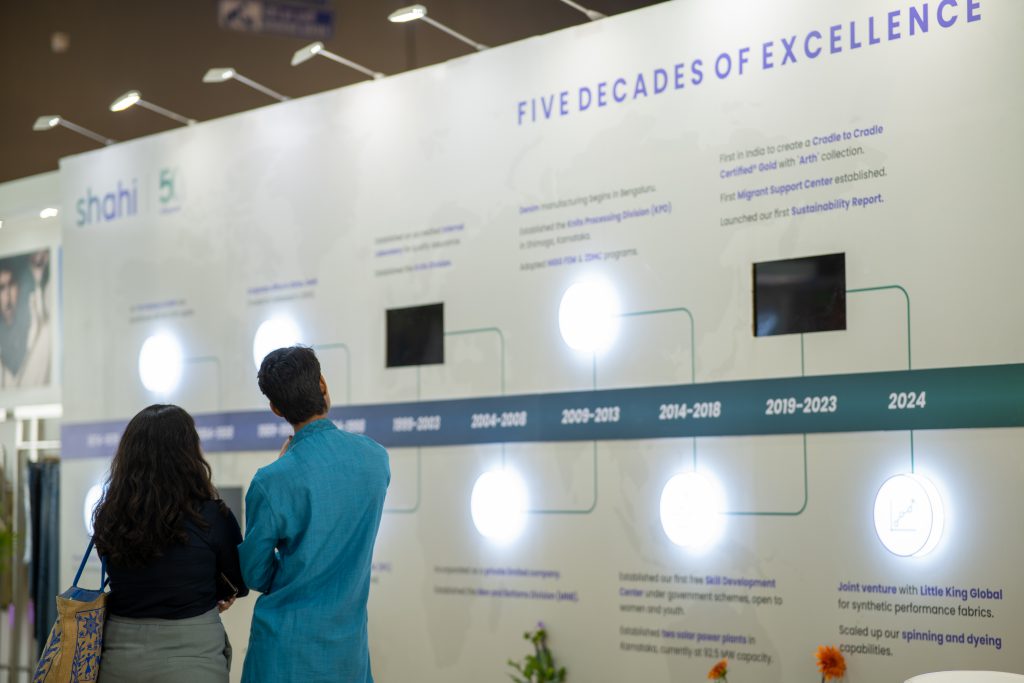
Shahi’s stall embodied its legacy of excellence and its next-gen approach to manufacturing. The Milestones Wall illustrated key achievements, mapping the company’s journey in the textile industry. The product display featured cutting-edge fabrics designed for both innovation and environmental responsibility. As a NextGen Partner, Shahi continues to push the boundaries of textile manufacturing, integrating tradition with modern advancements.
At the Sustainability Pavilion: A Five Elements Approach
Inspired by Prime Minister Modi’s vision for Mission LiFE—”Mission LiFE borrows from the past, operates in the present, and focuses on the future”—the Sustainability Pavilion depicted initiatives by Indian industries that resonate with the five elements. Shahi demonstrated its commitment to representing the element Fire (अग्नि), signifying Energy and Transformation to this vision. Empowering employees through transparent grievance redressal systems and multilingual communication reflects our commitment to the energy of transformation, driving innovation and collaboration.
Bharat Tex 2025 provided valuable engagement with policymakers, industry leaders, and stakeholders. We are grateful to all visitors and partners for their insightful discussions. Looking ahead, Shahi remains dedicated to innovation, sustainability, and strengthening India’s position as a global textile leader.
We are excited to launch the third edition of our sustainability report, ‘Moving the Needle: Adapt, Impact, Inspire.’ In FY 2023-24, we focused on adapting to change, driving impact, and inspiring efforts across the value chain.
This year, we have deepened our dedication to sustainable practices for both people and the planet. We’re advancing environmentally conscious actions across our operations to ensure a circular value chain.
Anant Ahuja, Director of ESG and Sustainability at Shahi Exports, said,
“The Sustainability Report has allowed us to track our progress more closely and reflect on both our immediate and long-term strategies. Many of the sustainability challenges the industry faces require innovative solutions, and the data in this report enable us to better understand where to accelerate our innovation efforts and where we are making measurable progress.”
Key highlights from the report:
TO ADAPT:
Our journey of adaptation aligns with industry shifts and environmental sensitivities, leading to strategic enhancements in governance and operations:
Established a dedicated governance team in FY 2023-24 to uphold accountability.
Partnering with next-gen material and dry processing innovators. We ensured that 50% of the materials we use fall under the sustainable category.
Adapted to the evolving legislative landscape as our Knits Processing Division became one of India’s first mills to undergo the Yarn Ethically and Sustainably Sourced Assessment.
Scaling our flagship digitization project, ‘Trakwel’, across factories.
TO IMPACT:
Our efforts aim to create a positive impact on our workforce, communities, and the planet. In FY 2023-24, we implemented key initiatives to enhance sustainability and social responsibility, achieving meaningful outcomes:
People:
Achieved 106% of our STITCH program supervisor training goal.
Reached 106% of our goal to train women in Gap Inc. P.A.C.E.
Surpassed training goals with 110% completion in BSafe- Grievance Redressal Mechanism awareness.
Reached 98% of skill development targets with local communities.
Reached 20,590 mothers and children under our Maternal and Child Health and Nutrition services, meeting 137% of our goal.
Introduced EWASE (Empowering Women at Shahi Exports) to champion gender equality and support women in advancing to leadership roles.
Planet:
Achieved 100% coal phase-out in one of our mills.
Scored 68.92% of verified Higg FEM Index Version 4.0 score against a global avg of 48.08%.
Achieved 78% recycled water usage for industrial purposes in our textile mills
100% of the dyes and auxiliaries used in our production processes are ZDHC MRSL compliant.
Achieved a CDP score of ‘B’ compared to the global average of ‘C’.
TO INSPIRE:
A key objective is to inspire industry-wide change and elevate standards for environmental and social responsibility. To advance this goal, we’ve partnered with leading organizations:
Fashion Pact: Serving on the Fashion Pact Steering Committee, we engage and collaborate on critical industry and environmental issues. This helps us share a supply chain partner’s perspective and learn from the industry’s best practices.
Transformer’s Foundation: Collaborated with The Transformers Foundation and peers like Epic Group, Simple Approach, and Norlanka to create An Apparel Supplier’s Guide to Key Sustainability Legislation, outlining 12 upcoming laws in the US, UK, and EU.
Fashion Producer’s Collective: Serving on the Producer Committee to amplify producer voices, share knowledge, and drive sustainable fashion leadership.
International Apparel Federation: Joined the federation to strengthen sustainable supply chains, industry standardization, and inclusive solutions.
Harish Ahuja, Managing Director and Chairperson of Shahi Exports, said,
“As we enter our 50th year, we’re excited about what lies ahead. Our roadmap focuses on diversifying our product portfolio, prioritizing sustainability, and investing in our people. We look toward a more circular future as we remain steadfast in our role as catalysts for change.”
New Delhi, November 12, 2024: Shahi Exports, India’s largest apparel manufacturer and exporter, announced a significant rebranding initiative as it celebrates its 50th anniversary. This milestone marks a new chapter for the company, reaffirming its commitment to ethical practices, sustainable innovation, and empowering its workforce.
Founded by Mrs Sarla Ahuja in 1974 from a small home set-up, Shahi has grown to become one of the world’s most trusted apparel manufacturers. Today, Shahi has over fifty factories across eight Indian states and 80% vertical integration of the garment-making process.
Crafting a New Identity
xr:d:DAFOs15i7rk:14,j:2773397671,t:23013006
The brand refresh introduces a new visual identity encapsulating Shahi’s spirit and persona. The new logo features a gradient color palette, shifting from teal to purple, and symbolizes clarity, stability, and wisdom. The spark on the “i” is a testament to its commitment to excellence and a zeal for innovation.
The new tagline, “Manufacturing with a purpose,” is a nod to the depth of purpose that has been Shahi’s North Star for the last 50 years.
The refined mission statement reads, “We are a one-stop manufacturing destination that invests in people and the planet. Our story goes beyond just fashion – we champion ethical practices, empower our employees, and drive sustainable innovation in the global apparel and textile industry.”
Harish Ahuja, Managing Director and Chairperson of Shahi Exports, shared,
“As a brand, for 50 years Shahi has been tirelessly committed to building and maintaining the trust of everyone who we work with. With an uncompromising dedication towards the quality of product and service, we have been lucky to have gained a globally trusted position as an ethical apparel manufacturer. In celebration of our milestone 50 years, this rebranding is a testament to our journey and commitment to sustainable fashion. We are proud to say that our new brand identity captures and reflects our values and our vision for the future.”