Tag: renewable energy

  • The Decarb Diet: Insights into the Complexities of Supply Chain Decarbonization

    The Decarb Diet: Insights into the Complexities of Supply Chain Decarbonization

    Albert Einstein famously said, ‘We cannot solve our problems with the same thinking we used when we created them.’ This insight couldn’t be more relevant in global efforts to decarbonize. For the fashion industry— responsible for up to 10% of global carbon emissions; a major problem to solve is halving its emissions in the next five years. With up to 80% of those emissions coming from supply chains, manufacturers like Shahi bear the heaviest responsibility. Accelerating progress on these fronts will require new ways of thinking and working.

    How do manufacturing companies lead this transition while navigating financial risks and technological challenges? 

    This article explores the steps we are taking toward renewable energy and how collaboration between brands and stakeholders is key to unlocking sustainable solutions.

    Breaking down energy consumption in manufacturing

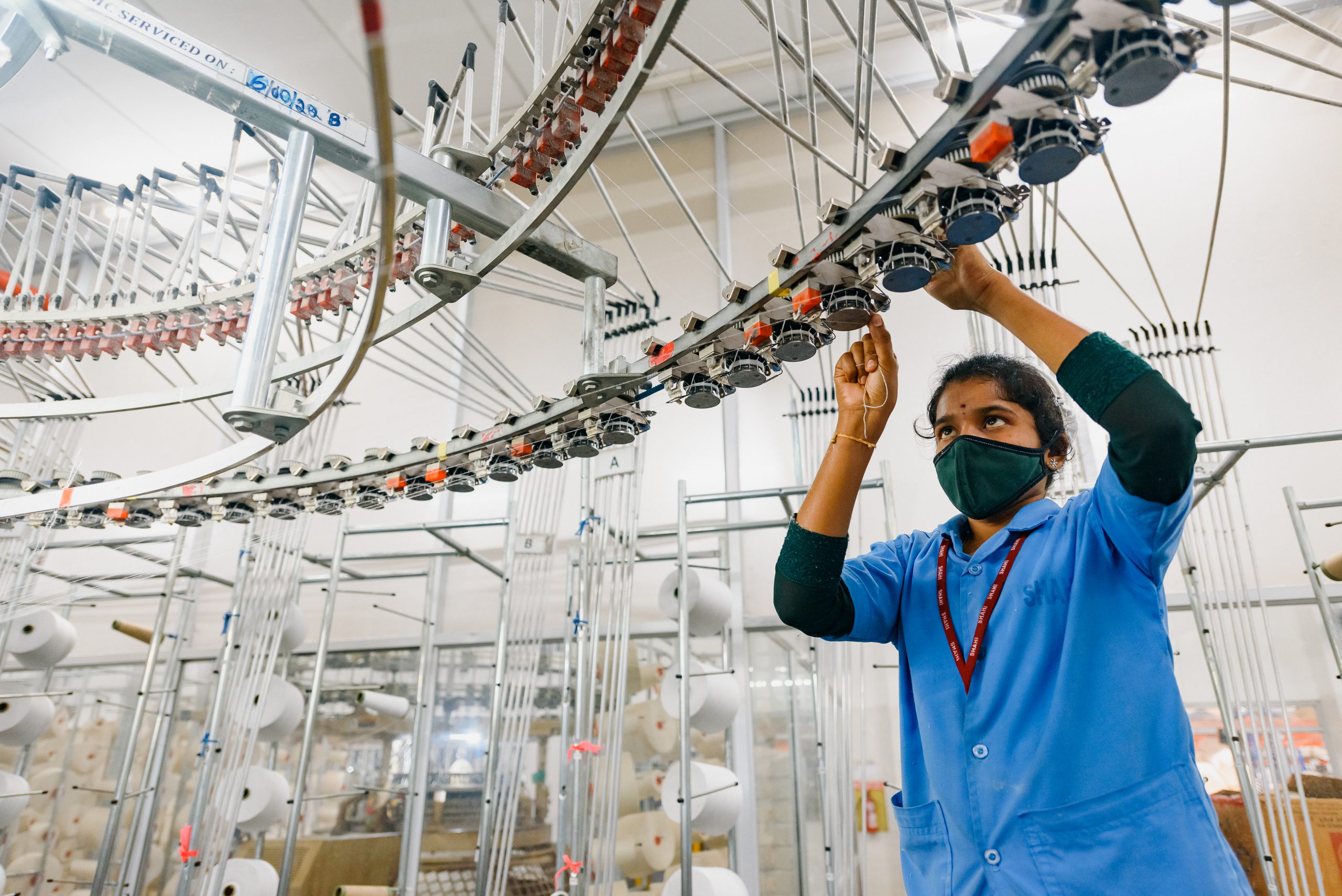
    Our operations rely on two types of energy: electrical and thermal. Electrical energy powers daily activities, while thermal energy, mainly from boilers, generates steam and hot water for processes like dyeing and finishing fabrics. 

    At Shahi, 81% of our energy comes from thermal energy due to our large textile operations, with the rest coming from electricity. While renewable electricity has been the industry’s primary focus, phasing out fossil-fuel-based thermal energy in textile production is where the biggest impact of decarbonization lies.

    Toward 100% renewable electricity at Shahi

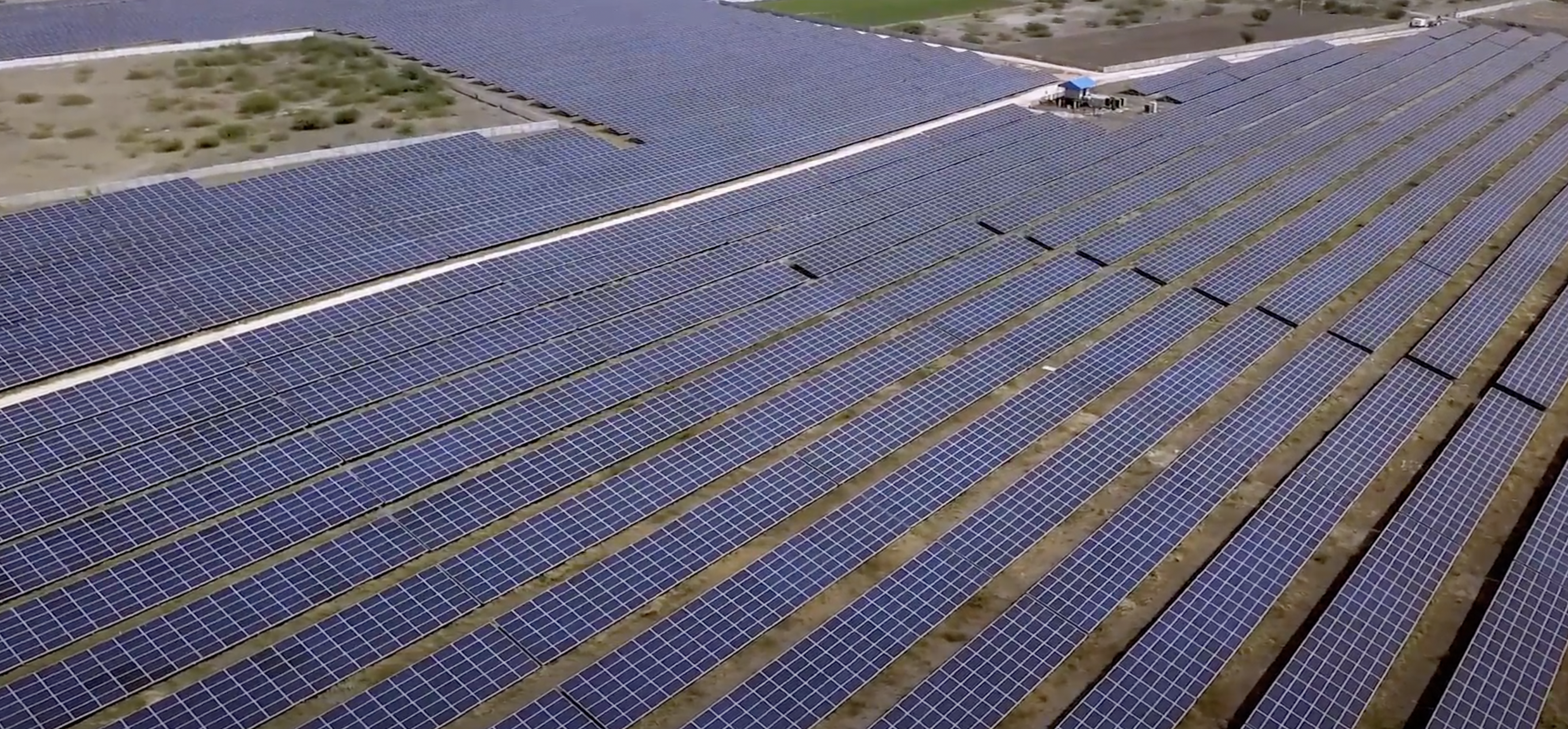
    Over the past decade, we’ve invested heavily in renewable electricity, reaching 65% renewable energy for our operations. Supported by favorable government policies, in 2018, we strategically invested in two solar plants with a combined 84 MW capacity and 8.75 MW of wind power in Karnataka. These plants generate 130 million kWh annually, cutting over 610,000 metric tons of CO2 emissions since 2018. This year, we’re expanding with a 40 MW solar project in Karnataka and smaller ones in Uttar Pradesh and Tamil Nadu, bringing our renewable capacity to 151 MW. 

    Driven by our commitment to sustainability, we are working toward 100% renewable electricity by 2027.

    Phasing out coal in our operations

    By 2022, we successfully transitioned all our garment factories from coal to biomass. The greater challenge lies in our textile mills, which require hundreds of tons of coal daily to operate. The UN The Fashion Industry Charter for Climate Action mandates that brands should not onboard any new factories and mills that use coal. This significantly accelerates the timeline for phasing out coal set by the Paris Agreement, which permits non-OECD countries until 2040. However, the Charter also states that brands should establish engagement and incentive programs to support their suppliers’ transition from coal. Thus making collaboration and a willingness to share risks essential.

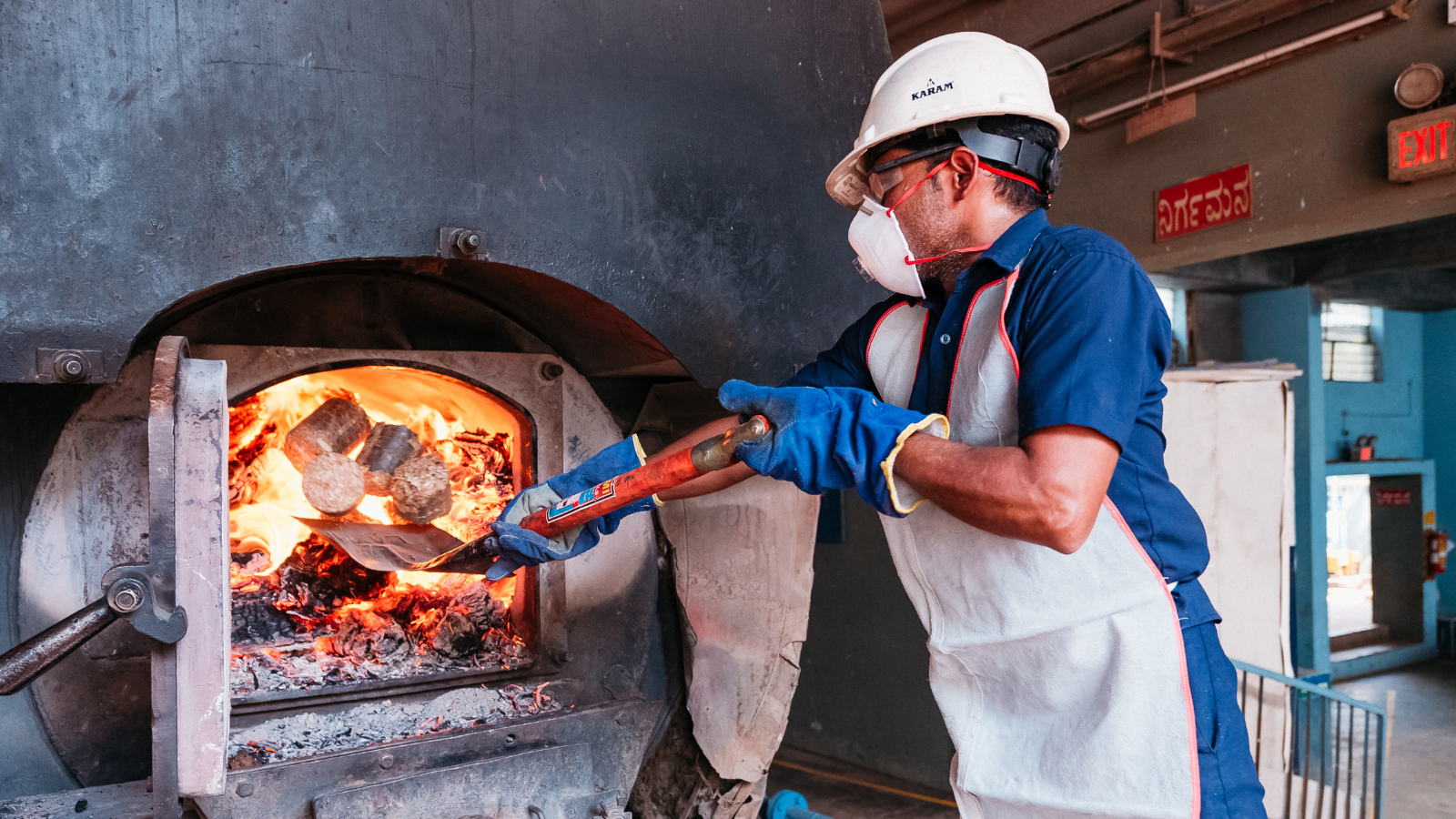
    We are addressing this by rapidly increasing biomass use, a carbon-neutral alternative. One of our mills has been 100% coal-free since December 2023, and two will be 50% coal-free by January 2025.

    Challenges of decarbonizing thermal energy

    Replacing coal with biomass as a fuel source requires substantial upfront investments from suppliers. For each of our 50 factories and 3 textile mills, we’ve invested substantially in biomass-enabled systems, including Atmospheric Fluidized Combustion (AFBC) boilers, Thermopac systems with electrostatic precipitators to capture fine particles, expanded biomass storage facilities, and automated ash handling plants to reduce health risks.

    Sourcing and handling biomass also present challenges. Building a reliable supplier network is crucial to mitigate seasonal fuel fluctuations and ensure a steady supply chain. In India, like most of the world, biomass is still an informal industry compared to coal, which is well-established. To address the challenge of the biomass supply chains, we’re collaborating with biomass aggregators and experts to assess local agricultural waste availability. Our goal is to vertically integrate our biomass supply.

    This, however, would be a temporary solution that will need replacing with more sustainable options, requiring additional investments in the future. We are excited by upcoming technologies such as green hydrogen, electric boilers, and heat pumps.

    A study in India shows that electric boilers and heat pumps are capital-intensive and are likely to increase the cost of operations, driven by the price of electricity, which is higher than the current fuel prices per unit of energy. While the return on investment for these technologies is yet to be determined, and given that textiles is a low-margin industry, manufacturers need government and brand incentives to help switch to newer, cleaner technologies. Further, to drive emissions down further, it’s important that the national grid procures increasing amounts of clean electricity and shifts away from fossil fuels overall.

    Collaboration as a catalyst for change

    While the major impact of climate change lies in the supply chain, the entire value chain, including brands and other important stakeholders, must share responsibility for climate action. Collaboration with brands and stakeholders is key to reducing the risks of transitioning away from fossil fuels and creating innovative solutions that can be scaled and adopted.

    First, it is crucial to accelerate R&D to find alternatives to biomass. Decarbonization isn’t just a fashion industry issue; it’s a global challenge that requires cross-industry collaboration. For example, we can learn from the tech industry, which is adopting renewables as its energy demand increases significantly with the rise of AI. 

    Second, sharing the financial burden requires not only brand support but also financial institutions. Manufacturers can benefit from funding for higher-risk, long-term investments, such as infrastructure changes needed for climate adaptation that go beyond debt. 

    Finally, reimagining suppliers as value-adding co-creators rather than just implementers ensures sustainability strategies align more closely with real-world operations. 

    By aligning goals, pooling resources, and fostering transparent partnerships, we can develop scalable, unified solutions to decarbonize the industry.
  • 50 Years of Excellence: Shahi’s Story of Innovation, Responsibility, and Enduring Legacy

    50 Years of Excellence: Shahi’s Story of Innovation, Responsibility, and Enduring Legacy

    As we mark 50 years, we reflect on a journey defined by purpose—one that has guided us beyond fashion and business. Over the years, Shahi has grown into more than just a /manufacturer; we have become a company driven by innovation, sustainability, and a deep commitment to empowering people. This journey began with the vision of our founder, Mrs. Sarla Ahuja, whose dedication and hard work laid the foundation for our growth.

    Her focus on excellence and attention to detail continues to shape our approach toward our work today. As we look ahead, we remain committed to a sustainable, purpose-driven path, learning from our experiences and always striving to do more.

    Our Approach to Growth

    Shahi’s journey started with a simple home operation, with just Rs. 5000 as initial capital. From the beginning, the company embraced a mindset of constantly asking, “What more can we do?” 

    This approach guided us through early challenges and paved the way for growth, starting with our first factory at Ranjeet Nagar in New Delhi. As we scaled our production, we expanded to Okhla and then to Faridabad, continuing to expand our operations and meet the emerging needs of the garment industry.

    Woven products, however, are highly seasonal. In the markets in which our brands operated, Shahi saw an opportunity to foray into the Knitted apparel space. This led to the creation of the Knits Division in 2001—a logical step that helped balance our operations. What began with a small office under a tree in Tiruppur soon became essential to our growth, opening up new markets and strengthening our presence, particularly in South India.

    By 2005, Shahi was incorporated as a private limited company, a key milestone in our journey. At the same time, we strategically refined our operations by demerging woven operations into two divisions: Ladies Specialty Division (LSD) and Mens and Bottoms (MNB). Alongside the Knits Division, these independent units were given the flexibility to innovate and adapt to market needs while always staying true to Shahi’s core values of continuous improvement and quality standards.

    From Yarn to Excellence: Driving Vertical Integration

    In 1996, Shahi took a decisive step by establishing its first mill, Sarla Fabrics Ltd. (SFL), in Ghaziabad. What began as a small operation with just 100 workers, SFL set the foundation for our vertical integration strategy. Over time, we expanded to four mills, increasing our capacity to weave 86 million meters and knit 144 megatons of fabric annually.

    With the expansion, the journey was about transforming the way we approached manufacturing. The ability to control the entire process, from yarn to finished fabric, became essential to maintaining the quality, speed, and traceability our clients expect. Vertical integration allowed us to boost efficiency and ensure consistency.

    We didn’t just stop at manufacturing apparel— we developed strong capabilities in product design with 3D and VR tools and an accredited lab. We created a seamless process that not only delivers precision but also ensures each garment embodies the quality and innovation Shahi is known for. Today, this approach has made us a one-stop manufacturing destination, capable of meeting the evolving demands of the global apparel industry while maintaining our commitment to excellence and sustainable growth.

    Pioneering Sustainable Practices

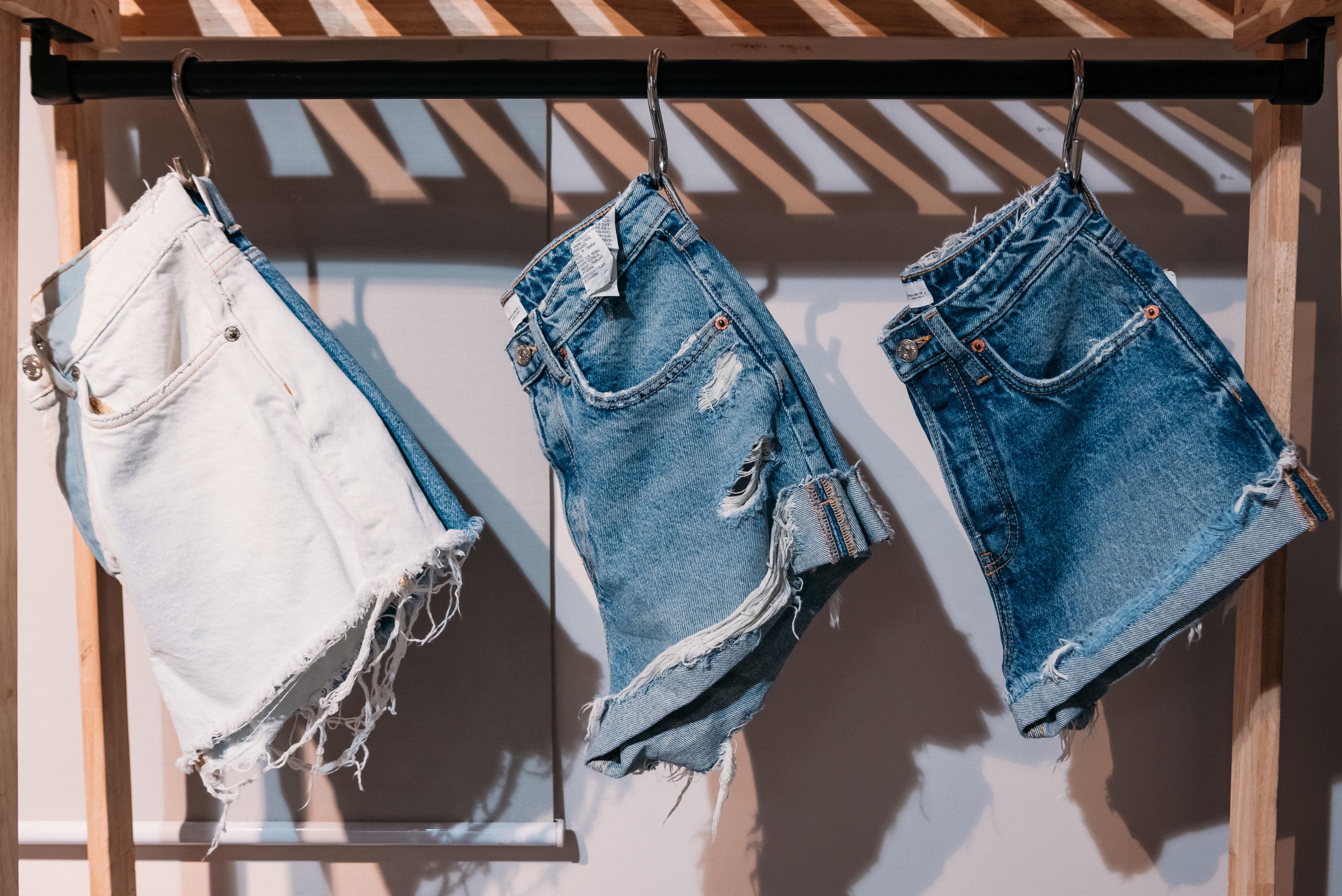
    In 2010, Shahi embarked on a new chapter with the launch of our Denim Division. Given the resource-intensive nature of denim production, this expansion pushed us to think differently and adopt more sustainable practices. One of the key initiatives was rainwater harvesting, which helped to conserve resources. A couple of years later, we became one of the first to adopt the HIGG standard and Zero Discharge of Hazardous Chemicals (ZDHC) program. 

    By 2018, we saw an opportunity to expand our sustainability efforts even further. We invested in solar power projects in Karnataka’s Bellary and Bidar districts to reduce emissions and transition toward renewable energy. These solar plants, combined with our wind energy, now meet 70% of Shahi’s energy needs with a goal to achieve 100% by 2026.

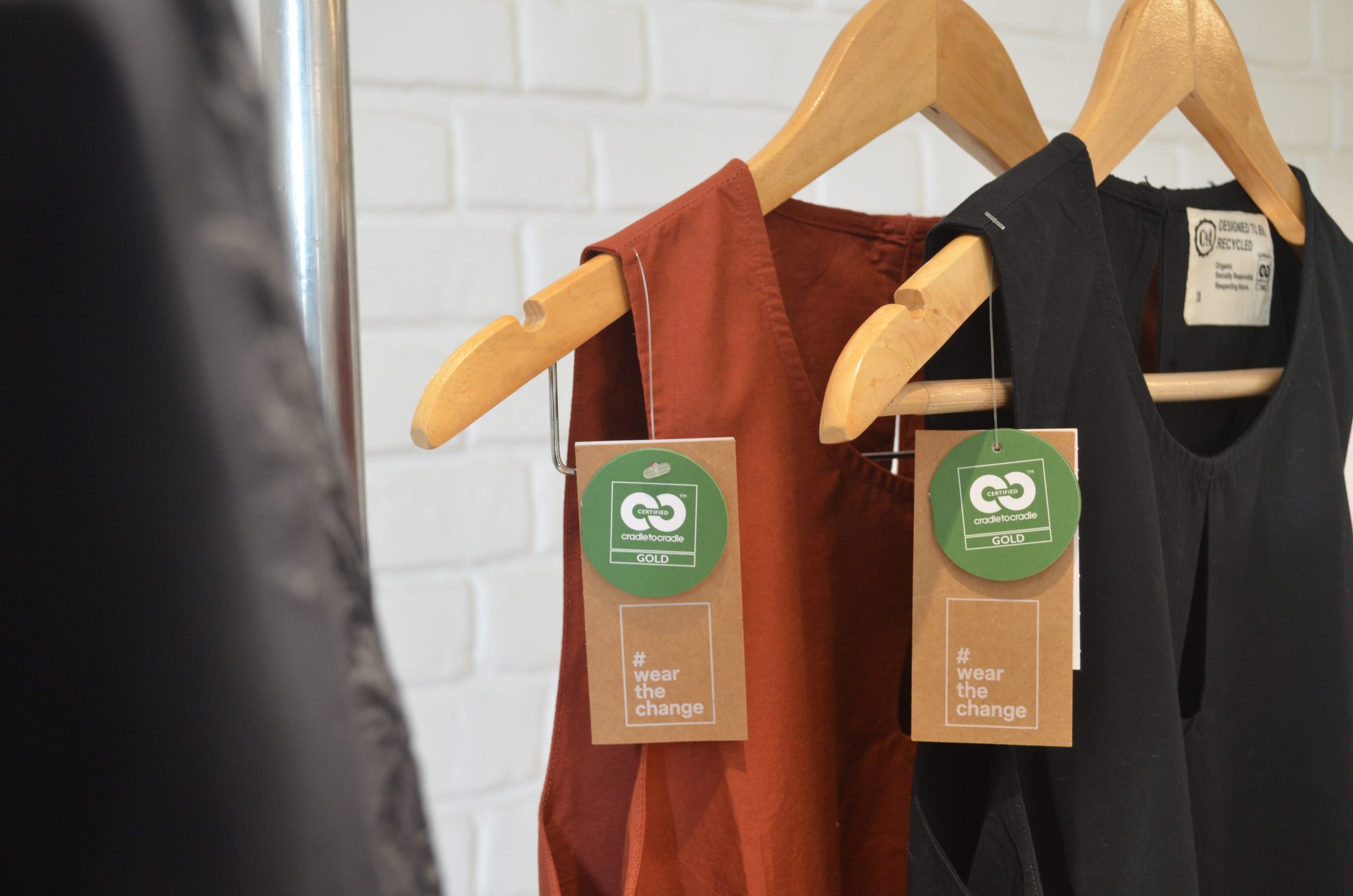
    As we continued progressing, the next logical step was tackling waste and moving towards a circular fashion model. In the same year, we worked on the “Arth” collection with C&A, which achieved Cradle to Cradle Certified® Gold status. This collection marked a milestone in our efforts to close the loop in fashion production.

    These initiatives laid the groundwork for the ‘Responsible for People and Planet’ framework. The framework is a holistic approach that weaves together our environmental and social strategy. Every step, from water conservation to renewable energy and circularity, drives a single goal: to create a sustainable future that benefits both the planet and its people.

    Investing in People

    Our founder believed in the power of skill training to transform lives. Capacity Building empowers people to make a living, drive aspirations, and influence the community around them for good. In the early years, she trained women who were seeking jobs. Mrs. Ahuja would guide them in managing finances, investing in their children’s education, and securing their future. To further support financial independence, Shahi was one of the first factories to introduce ATMs within its factory. 

    As we grew, we realized the potential of this industry for social impact, with the entry barrier being as low as 60-90 days. Our experience positioned Shahi as a strategic stakeholder in the Textile Sector Skills Council and schemes like the Deen Dayal Grameen Kaushal Yojana under the Ministry of Rural Development. 

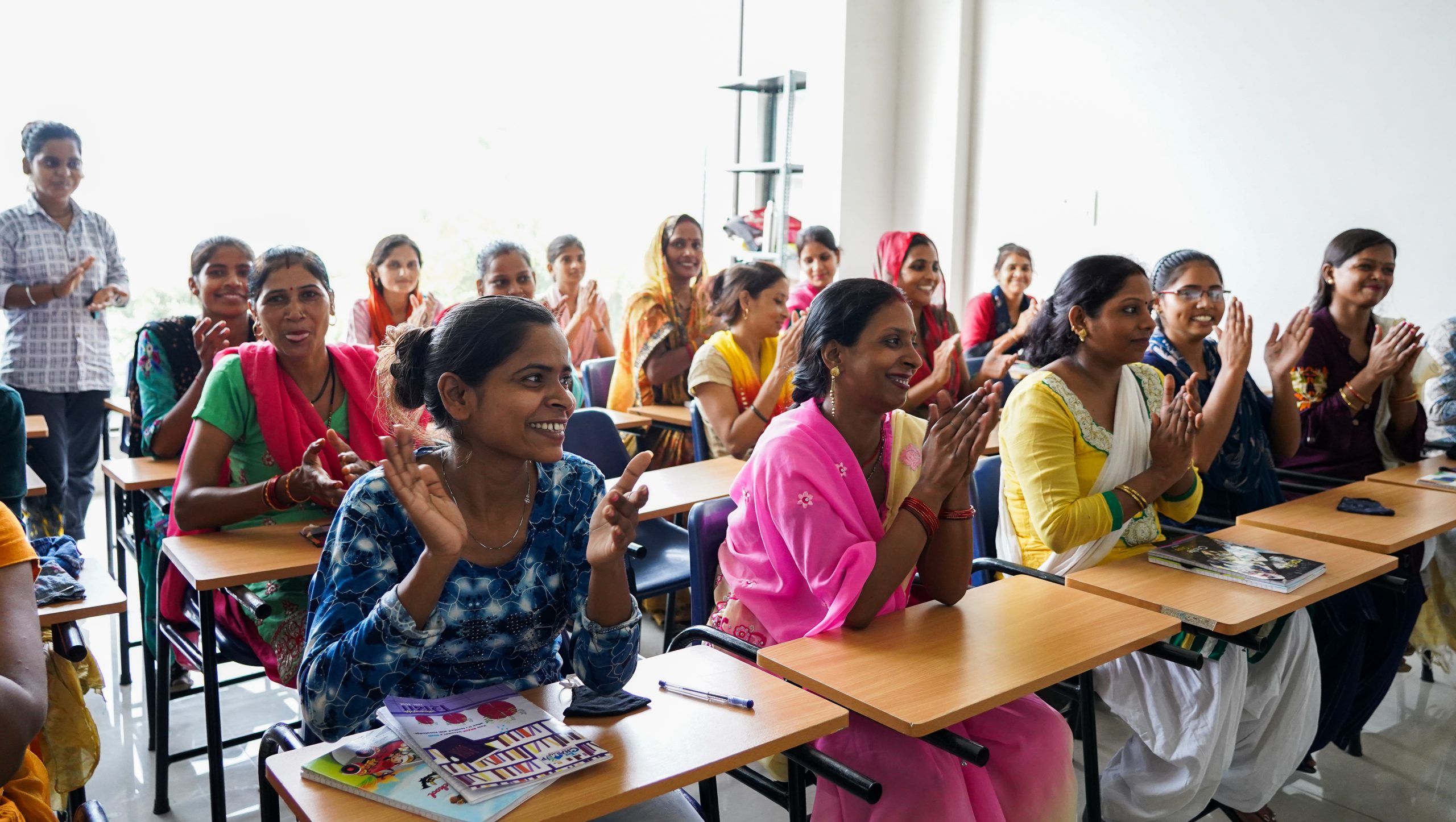
    Since 2013, Shahi has set up over 100 skill centers across 11 Indian states, training more than 51,000 women and youth.  We took our founder’s mission a step further by becoming the first manufacturer to pilot Gap Inc.’s Personal Advancement and Career Enhancement (P.A.C.E.)¹ in 2007. We have trained over 86,000 women in essential soft and life skills like communication, financial management, and work-life balance. 

    Worker well-being at Shahi is backed by collaborative research programs. Our dedication to evidence-based decision-making is reflected in all employee well-being programs. Our partnership with Good Business Lab (GBL) led to the introduction of Inache, a multilingual, anonymous grievance tool that ensures safe and secure employee feedback.

    As we look to the future, we remain steadfast in building a knowledge base for worker well-being and business growth. With a workforce of over 100,000, 70% of whom are women, Shahi continues to go above and beyond, fostering an environment where every individual is supported, empowered, and valued.

    Looking Beyond

    As Shahi marks 50 years, we reflect on a journey defined by more than just growth—it’s been about challenging norms, pushing boundaries, and driving meaningful change. A commitment to experimentation has marked our legacy. In the competitive garment manufacturing sector, where stagnation is not an option, Shahi has always embraced new ideas.

    We choose to see an opportunity in the garment sector, where high attrition is often seen as inevitable. We are committed to reimagining the workplace, creating a space where our employees can thrive.

    As we look to the future, we are guided by the same ethos that has shaped our past—continually asking, “What more can we do?” With that, we are ready to shape the future of fashion and beyond.

    ¹  Gap Inc. P.A.C.E. is now RISE: Reimagining Industry to Support Equality, an initiative that brings together the four largest women’s empowerment programs in the apparel industry—BSR’s HERproject, Gap Inc. P.A.C.E, CARE International, and Better Work—to build upwards from proven approaches, scale impact, and improve efficiency.