Tag: Growth

  • Inside PULSE: Developing Next-In-Line Leadership at Shahi

    Inside PULSE: Developing Next-In-Line Leadership at Shahi

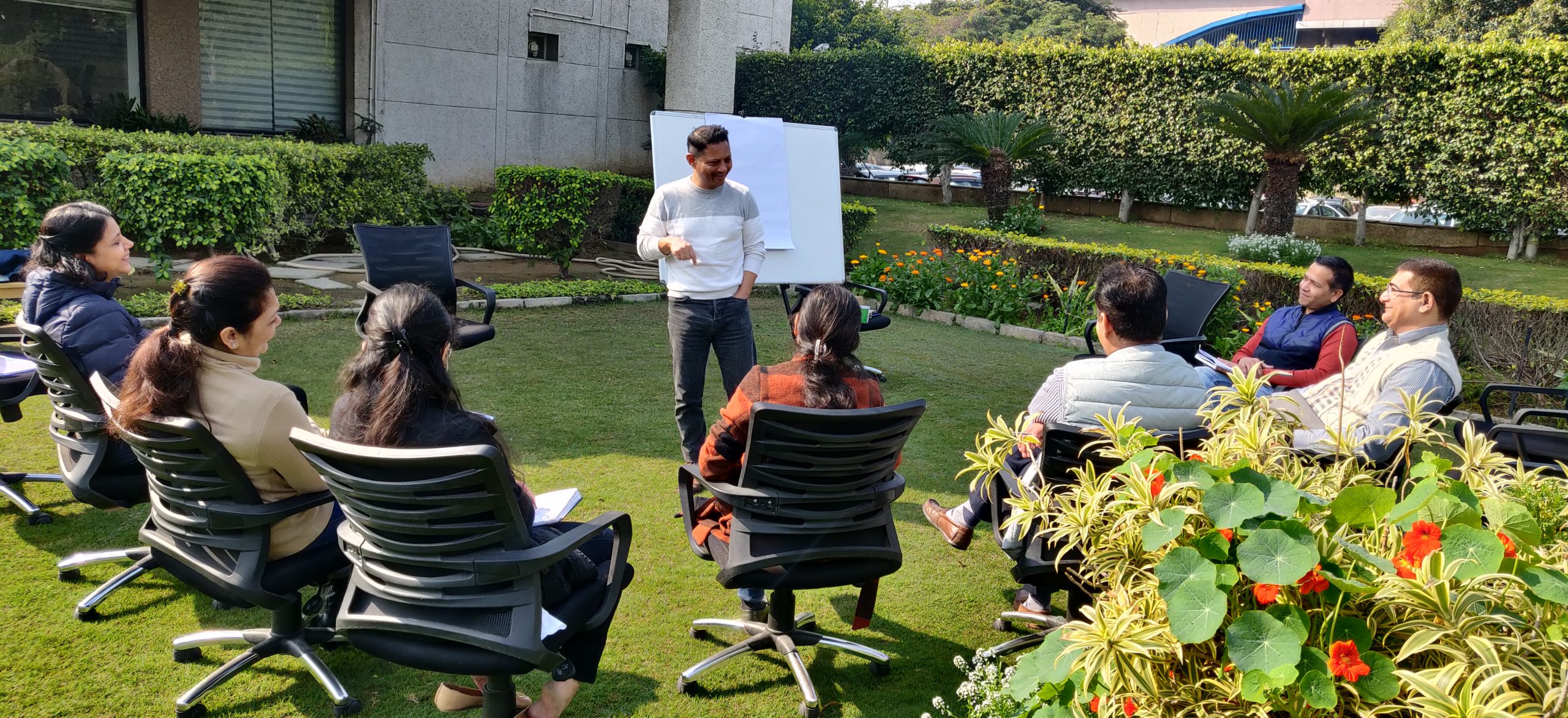
    The textile and apparel industry is characterized by rapid changes in fashion trends, intricate supply chain dynamics, and fierce global competitiveness. Middle managers, positioned between top-level executives and frontline employees, play a crucial role in converting strategic objectives into practical plans. However, their duties frequently demand diverse skills beyond conventional managerial capabilities. Recognizing the need to cultivate and empower emerging leaders within its ranks, Shahi introduced PULSE– Promoting
Upcoming Leadership
at
Shahi
Exports. 
    “The program emerged to elevate leadership competence in organizational settings. The primary objective was to foster a democratic approach to mapping and executing work, emphasizing clear communication, team fortification, and the ability to inspire and motivate teams across our operations.”

    Deepak Rautela, Associate Vice President, Organizational Development

    The challenge: Designing an Effective Leadership Program 

    Challenge #1 

    The garment industry is highly competitive and demands time-bound delivery. Middle managers, whether on the shop floor or in a corporate set-up, face unprecedented challenges while ensuring timely planning and implementation of their key results. They are also the next in line to lead in their roles, making their development at their current level crucial to retention.

    Challenge #2

    Training is often perceived as a considerable investment away from work. Our Organizational Development team explored a range of formats. Initial approaches centered around one or two-day open programs, with brief interventions in the form of workshops or training sessions. These programs primarily served as awareness initiatives to address specific topics identified based on organizational needs and goals. 

    “The condensed format aimed at providing a snapshot of training within a day. However, identifying the limitations of this brief model, which often resulted in lower retention rates and lacked sustained impact, we transitioned to the PULSE program.”

    Bhagyashree Rao, Trainer, Organizational Development 

    The Sweet Spot: Key Skills and Value for Time

    PULSE is designed to focus on two key concepts: leading oneself and leading others.

    The sessions, extending over 8-12 months, involve 3-4 hours weekly, comprising a transformative journey across various leadership aspects. The design prioritizes personal and interpersonal growth, focusing on two key concepts: leading oneself and leading others. 

    The modules target key competencies such as:

    1. Preparedness to take up higher responsibilities and more prominent roles.
    2. Authentic leadership and people management 
    3. Effectiveness in planning and operational alignment
    4. Clear communication and line of sight
    5. Decision-making and problem-solving
    6. Higher performance, ownership, and proactivity 
    7. Building strong teams
    8. Better relationships & collaboration at work

    Infusing Feedback: What sets PULSE apart

    The program employs various feedback levels based on Kirk Patrick's methodology.

    PULSE goes beyond imparting skills, tools, and essential leadership habits. It integrates interactive methods such as motivational videos and real-life examples. The overarching goal is to instill the ability to create and sustain an authentic culture where organizational values seamlessly align with the vision, fostering a win-win situation for all involved. 

    Reflecting on the training experience, Manoj Mendiratta, GM, Marketing, Ladies Speacialty Division, said, “One of the highlights is redefining the meaning of ‘Feedback’ – shifting from a mere focus on ‘Points to Improve’ to understanding it as a combination of reinforcing positive aspects and identifying paths for improvement.”

    The feedback and review process is structured, involving daily reviews focusing on individual improvement, behavior, and feedback mechanisms. Regular coaching and internal, periodic, and final reviews provide a comprehensive understanding of participants’ growth. 

    Impact 

    Enabling the participants to navigate challenges with resilience and determination, the pulse program empowers individuals and teams to take ownership of their actions. It cultivates effective habits, positive self-esteem, values, and emotional intelligence, all of which are pivotal in fostering success on both personal and professional fronts.

    “One of my key takeaways from the program was ‘CARRY YOUR OWN WEATHER’, which has proven to be an incredibly powerful statement. It has allowed me to be self-reliant and maintain a positive attitude, regardless of external factors. By staying optimistic and focused on solutions, even during challenging times, I can inspire my team members to do the same and work together towards achieving our goals.” 

    Garima Sharma, GM – Marketing at LSD

    Further, Shahi recognizes the significance of training and operational excellence, which is evident in the training of 455 leaders through PULSE. We successfully achieved 91% of our senior management training goal, delivering a total of 13,637 hours of training through the program.

    This detailed approach extends with post-training interventions like individual development plans even after program completion. Certification serves as a reminder for trainees to sustain their acquired changes and learning. This underscores the objective of maximizing learning retention and sustaining development, guaranteeing a lasting impact on participants’ professional growth.


    The Road Ahead

    The vision for PULSE is to develop a foundational platform for succession planning, which will play a pivotal role in identifying high-potential leaders within the system. 

    Succession planning is a strategic imperative for forward-thinking industries and an essential process of identifying and developing organizational talent. This ensures smooth transitions in key leadership roles. PULSE graduates can seamlessly fill key roles when incumbents transition due to retirement, promotion, or unforeseen circumstances.  

    Jayati Kak, DMM, Marketing, LSD, finds inspiration from her PULSE journey and shares her vision, 

    “I certainly look forward to additional training programs that facilitate the professional development of both myself and my team, extending beyond conventional “On-the-job” technical learning experiences.” 

    Jayati Kak, DMM, Marketing, LSD

    The long-term goals are to drive retention, uphold organizational values, and sustain a positive culture. PULSE is a critical element in this process, emphasizing that worker training initiatives may prove futile if leadership is not aligned to embrace new concepts. PULSE’s feedback component helps achieve that alignment, creating value in upgraded skills and concepts for the organization’s overall success and growth.

    As industries navigate a dynamic and competitive landscape, succession planning emerges as a proactive measure, stimulating continuity, bolstering resilience, and attracting top talent to drive future success. By leveraging PULSE, we proactively prepare for leadership transitions, mitigating risks associated with talent gaps and ensuring smooth organizational progression.

    “The program successfully meets the organization’s goals, contributing to overall achievement through effective training. I believe expanding the scope of our training program to include more managers at the mid-management level, such as assistant managers and  factory floor managers, developing a mindset that aligns with site requirements and fosters growth.”

    Sujeet, Operation Head, E10

    Our target is to train 500 leaders under PULSE by 2025.

    Through PULSE, Shahi is not just charting a growth path for its people but also grooming future leaders. In a world where leadership is a driving force behind success, PULSE stands as a beacon of inspiration, guiding upcoming leaders to transcend boundaries and lead with integrity, empathy, and effectiveness. 
  • Supervisory soft skills can transform factory culture and performance: GBL Study

    Supervisory soft skills can transform factory culture and performance: GBL Study

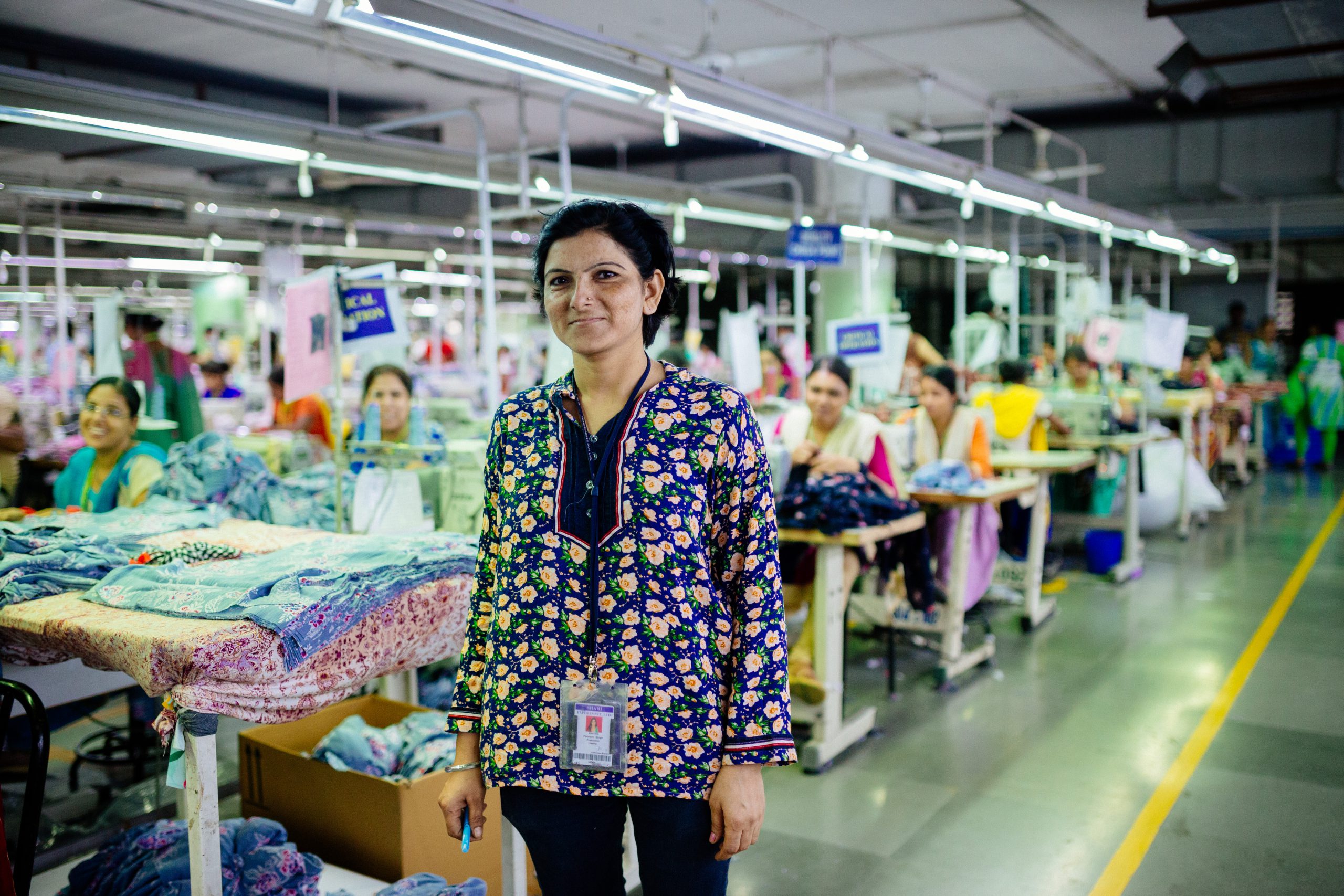
    Apparel factories typically operate through assembly-line production. Large teams of up to 70 workers stitch and assemble all the components of a garment under the leadership of a line supervisor. In a fast-paced environment where success is measured by the ability to meet production targets, supervisors are often selected solely based on their technical skills.

    While it is common practice for managers in corporate or white-collar jobs to receive management training, factory supervisors are rarely trained on the soft skills they need to harness the potential of large teams.

    Recognizing this gap, in 2016, Shahi partnered with Good Business Lab (GBL) to design an extensive soft-skills program called STITCH (Supervisors Transformation into Change Holders) which encompasses sessions on topics ranging from problem-solving and coaching to gender sensitivity and improving workplace culture.

    GBL’s research shows that STITCH enhances supervisors’ stock of soft skills, reduces turnover, and increases the workers’ productivity in their lines, thus raising incomes and the probability of receiving incentive bonuses. Shahi has already trained over 1400 supervisors in STITCH and enrolled more than 50 percent of supervisors in STITCH since 2017. 

    Designing an effective leadership training program

    The training content was developed based on an extensive survey of 2,000 supervisors at Shahi on their managerial practices and styles, workplace behaviors, and personality characteristics. The data from these surveys was matched with historical data on productivity to determine the training needs of supervisors required to improve supervisors’ effectiveness and behavioral temperament at work. The surveys found that tenure, cognitive skills, internal locus of control, autonomy, and attention are significant influencers. 

    The STITCH training was designed to enhance core competencies and capacities of the supervisor to effectively manage their key roles through four modules (see Figure 1)

    Module #1: Me as a person

    This module helps supervisors understand and reflect on themselves as individuals, and recognize their strengths and values. The aim is to understand and strengthen their cognition of the ‘self’ before looking at themselves as supervisors. 

    Module #2: Me as a supervisor

    The second module helps supervisors understand their roles by locating essential skills such as planning and organizing, problem-solving, conflict resolution, and prevention of harassment.

    Module #3: Me as a team member

    The third module helps supervisors broaden their perspective of what it means to manage a team by being a team member and effectively motivating the team and building engagement. 

    Module #4: Me as a leader

    This fourth module helps the supervisors to develop their role as a leader. The module covers aspects like coaching a team effectively, being open to feedback, and changing the work culture by encouraging dialogue, openness, respect, and growth.

    The sessions have been designed keeping in mind the need to support the transformation of supervisors at both a personal and a professional level. Shahi trainers deliver the training through weekly one-hour group sessions to a batch of around 20 supervisors over a period of 25 weeks (6-7 months).

    Reflecting on her training experience, Pavithra, a supervisor in Unit 28 said,The ‘Me as a Person’ module helped me understand myself. I make an effort not to judge others and think about how my behavior affects others. The program has made me not just a better supervisor but also a person. I find my level of patience considerably increased, and I hope my interaction with people leaves them with a smile.”

    Soft skills boost performance on the factory floor

    GBL’s impact evaluation validates Pavithra’s and many other supervisors’ experiences. The study concluded that the supervisors who received the training had more skills in the dimensions trained, as they performed significantly better in post-training tests in all four modules. Further, productivity on lines managed by STITCH-trained supervisors increased by 7.3%, and trained supervisors were 15% less likely to quit relative to those who did not receive the training. Trained supervisors experienced 6% higher salary growth and they and the workers in their lines had a higher probability of receiving incentive bonuses compared to untrained supervisors. 

    Although the study did not find any significant direct impact of the training on workers’ wellbeing and supervisors’ satisfaction, stories of transformation shared by trainees indicate a positive change in their behavior and skills sets. Byresh KM, a housekeeping supervisor in Unit 11 shares his experience attending STITCH:

    I was a demotivated employee that would neglect my responsibilities and constantly feel stressed. This would manifest in the form of anger and shouting, resulting in high levels of attrition in my team. After attending STITCH in 2021, my attitude towards life and work has completely shifted. I learned skills like patience and problem solving, which I now use to motivate my team, listen to their issues, and coach them on how to do better. My self-worth has increased – I feel like my work matters to the company and I want to contribute further by getting promoted from supervisor to housekeeping in-charge.

    Mallesh V G, a supervisor in the manual brushing department in Unit 23, experienced a shift in mindset after attending the gender sensitivity module, “Before the training, I did not believe that women could be team leaders and felt that they can’t cope with additional responsibilities. STITCH taught me that gender is not important, but rather the person’s interest and skills are what matters. I now actively support women workers in my team to grow professionally.”

    Future goals

    Chitra Ramdas, General Manager, Organizational Development shares Shahi’s commitment,

    In our experience designing and implementing this simple training has had a transformative impact on workplace relations and the work environment, leading to wider benefits for our organization. Our goal is to train 100% supervisors by 2024. 

    Shahi and GBL have developed a smartphone application-based screening application to identify the best candidates to hire or promote for managerial roles by scoring them on their personality, cognitive ability, and managerial quality, potentially eliminating workplace bias. This application will also identify gaps in the soft skills of these candidates which can be filled by delivering relevant STITCH training modules to them virtually.

    We’re also extending our learning from STITCH to develop soft skills training for middle and senior factory and corporate management. An eight-month leadership development course has been designed with 17 modules to groom upcoming leaders at Shahi. This training will be extended to all leadership at Shahi’s factories and offices.

    At Shahi, we have known the value of training on soft skills such as time and stress management, problem-solving, and execution excellence by training over 60,000 women in Gap Inc. Personal Advancement and Career Enhancement (P.A.C.E.) since 2007. Our goal is to train 90,000+ women in GAP Inc. P.A.C.E. by 2024. 

    In a fast-paced industry where speed of production and delivery is paramount, manufacturers often look to technical and operational solutions to drive efficiency. Soft skills training is usually not a top-of-mind solution for manufacturers. However, studies like this one by GBL prove that soft skills training is a simple yet highly effective tool to boost factory culture and performance, creating a win-win situation for both employees and the company.